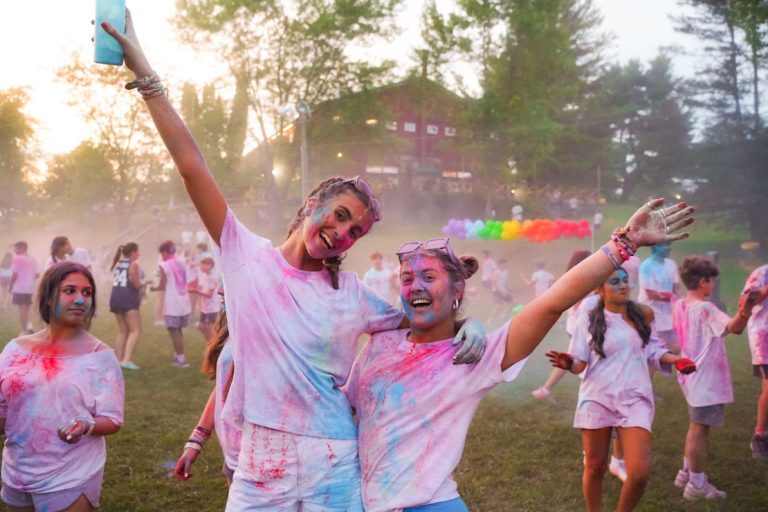
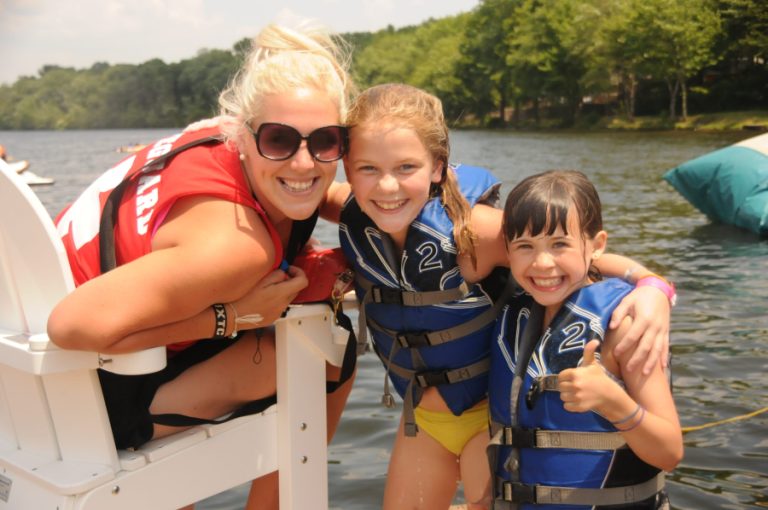
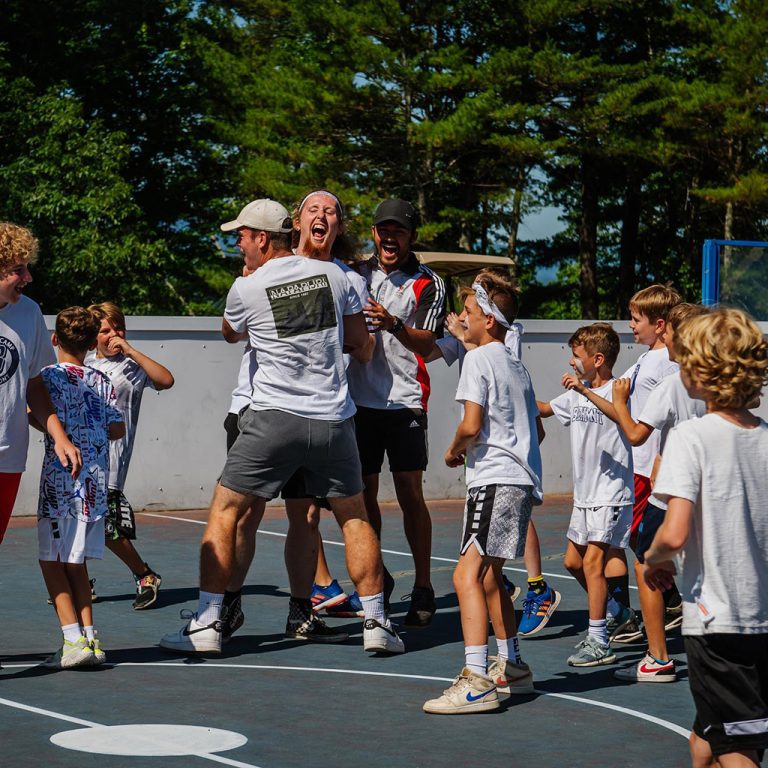
Summer camp jobs for college students offer paid summer work, housing and meals at many sleepaway camps, hands-on leadership experience, and a meaningful way to build your resume while making a difference for kids.
For many college students, summer is the perfect time to earn money, gain real-world experience, and step into something a little different from the usual part-time job. While internships and campus jobs can be valuable, summer camp jobs offer something uniquely rewarding.
Working at a summer camp gives college students the chance to lead, teach, coach, mentor, problem-solve, and build confidence in a fast-paced, supportive environment. You might spend your days helping campers learn a new skill, leading activities, living outdoors, or being the steady role model a child remembers for years.
Whether you are studying education, psychology, recreation, sports management, nursing, business, communications, or something completely different, camp experience can help you grow personally and professionally. It is also a fun, adventurous way to spend the summer away from campus.
If you are wondering how to find the right summer camp job as a college student, this guide will walk you through the types of roles available, where to search, what to include in your application, and how to choose a camp that fits your goals.
Why Summer Camp Jobs Are Great for College Students
Summer camp jobs are a strong fit for college students because they combine meaningful work with practical experience. Instead of spending the summer behind a desk or doing repetitive seasonal work, camp staff spend their days building relationships, leading activities, and helping campers grow.
Many sleepaway camps also include housing and meals for staff. That can make camp an appealing option for college students who want to work away from home, travel to a new part of the country, or avoid the added cost of summer rent.
Beyond the practical perks, camp jobs help students build skills that future employers value. Camp staff learn how to communicate clearly, handle responsibility, work on a team, manage conflict, and stay calm under pressure. These are not just “camp skills.” They are life skills.
A summer camp job can help you:
- Gain leadership experience
- Build your resume
- Work with kids in a hands-on setting
- Develop communication and teamwork skills
- Spend the summer outdoors
- Meet friends from across the country and around the world
- Try new activities and build confidence
- Make a real impact on campers
For college students who want a summer job with purpose, camp can be an unforgettable choice.
What Types of Summer Camp Jobs Can College Students Apply For?
One of the best parts about working at camp is that there are many different roles available. You do not have to fit one narrow mold to be a great camp staff member. Camps hire students with all kinds of backgrounds, interests, and experience levels.
Some roles involve direct camper supervision. Others focus on teaching activities, helping with operations, or supporting the camp community behind the scenes.
Camp Counselor Roles
Camp counselor jobs are among the most common summer camp jobs for college students. Counselors live and work closely with campers, helping guide their daily routines, activities, friendships, and overall camp experience.
As a counselor, you may help wake campers up, lead them to activities, support them during meals, encourage them through challenges, and help create a safe, positive cabin environment. You are part mentor, part role model, part cheerleader, and part problem-solver.
This type of role is a great fit for college students who enjoy working with kids, staying active, and being part of a close-knit team. You do not always need formal childcare experience, but babysitting, tutoring, coaching, mentoring, or previous camp experience can help your application stand out.
Activity Instructor and Specialist Roles
Many camps hire college students to teach or support specific activities. These positions are often called activity instructor, specialist, or program staff roles.
Depending on the camp, activity areas may include:
- Soccer, basketball, tennis, baseball, lacrosse, volleyball, or other sports
- Swimming, boating, sailing, lifeguarding, or waterfront activities
- Arts and crafts, ceramics, painting, or woodworking
- Music, dance, theater, or drama
- Outdoor adventure, hiking, climbing, or ropes course activities
- STEM, nature, science, or environmental education
- Photography, video, media, or content creation
- Fitness, yoga, or wellness activities
If you have a skill, hobby, sport, or area of study that could translate into a camp activity, there may be a role for you. You do not always need to be an expert. Many camps look for staff who are enthusiastic, responsible, and able to teach beginners with patience and encouragement.
Support Staff Roles
Not every summer camp job is a counselor position. Camps also need support staff to help with daily operations.
Support staff may work in areas like the kitchen, office, maintenance, housekeeping, transportation, health center support, or general operations. These roles are essential to keeping camp running smoothly.
Support staff positions can be a good option for college students who want to work at camp but prefer a role with less direct camper supervision. They can also be a strong fit for students who enjoy practical, behind-the-scenes work and want to be part of the camp community.
Leadership and Returning Staff Roles
Some college students may qualify for leadership roles, especially if they have previous camp experience or strong experience working with kids. These roles might include head counselor, division leader, program leader, waterfront leadership, or assistant director positions.
Leadership roles usually come with more responsibility. Staff may supervise other counselors, help organize schedules, support camper behavior needs, or manage activity areas.
If you have already worked at camp, coached a team, led a campus organization, or held a supervisory job, be sure to mention that experience in your application.
How to Find Summer Camp Jobs for College Students
Finding the right camp job takes more than a quick search. The best role for you will depend on your experience, interests, schedule, and goals for the summer.
Fortunately, there are several strong ways to start your search.
Search Summer Camp Job Boards
Camp job boards are one of the easiest ways to explore open positions. They allow you to browse different camps, compare roles, and see what types of jobs are available for the upcoming summer.
Start by browsing the American Summer Camps job board to explore open roles at partner camps hiring for the summer. You can look for counselor jobs, activity specialist roles, support staff positions, and other opportunities that match your interests.
When reviewing job listings, pay attention to details like location, dates, housing, meals, pay, required certifications, and role expectations. A job may sound exciting, but it still needs to fit your availability and comfort level.
Visit Camp Websites Directly
Many camps post job openings on their own websites. Look for pages labeled “Work at Camp,” “Jobs,” “Staff,” “Employment,” or “Join Our Team.”
Camp websites can also give you a better feel for the camp’s culture. Look at photos, program descriptions, staff information, camper age groups, and camp values. This can help you decide whether the environment feels like a good fit.
If a camp has a strong outdoor program, a big waterfront, a performing arts focus, or a traditional cabin-based structure, that information can help you choose where to apply.
Attend College Job Fairs
Many colleges host job fairs during the school year. Some include summer camps, youth programs, recreation employers, and seasonal organizations.
If you see a camp at a job fair, take the opportunity to ask questions. You might ask:
- What roles are you hiring for this summer?
- Do you hire first-time camp staff?
- What training do staff receive?
- Are housing and meals included?
- What qualities make someone successful at your camp?
- What is the camp community like?
A short conversation can help you learn much more than a job listing alone. It can also help the camp remember you when your application comes through.
Ask Professors, Coaches, and Campus Leaders
Your campus network may be more useful than you think. Professors, coaches, advisors, and student organization leaders may know about camps looking for college staff.
This can be especially helpful if you are studying education, child development, psychology, recreation, nursing, social work, sports management, outdoor education, or the arts. Many fields connect naturally to camp work.
You can also ask older students who have worked at camp before. They may be able to recommend a camp, explain what the job is really like, or help you understand what to expect.
Use Your Existing Experience
You may already have more relevant experience than you realize. Camps often look for staff who are responsible, energetic, kind, and willing to work hard.
Your experience might include:
- Babysitting
- Tutoring
- Coaching
- Lifeguarding
- Working in customer service
- Leading a club or campus group
- Playing a sport
- Volunteering with kids
- Helping with church, school, or community programs
- Teaching music, art, dance, or another skill
- Working as a resident assistant
- Managing group projects
Even if you have never worked at a camp before, these experiences can show that you are ready for the responsibility.
How to Choose the Right Camp Job
Not every camp job will be the right fit for every college student. Before applying everywhere, take time to think about what kind of summer you want.
Do you want to work directly with kids every day? Do you want to teach a specific activity? Are you hoping to travel somewhere new? Would you rather work at a sleepaway camp or a day camp? These questions matter.
Consider the Type of Camp
There are many different types of camps. Some are traditional sleepaway camps with cabins, campfires, sports, arts, waterfront activities, and outdoor adventure. Others focus on a specialty, such as sports, theater, music, STEM, or wilderness trips.
Day camps are usually local and do not involve overnight supervision. Sleepaway camps often create a more immersive experience because staff live on-site for the summer.
Both can be great options. The best choice depends on your schedule, personality, and comfort level.
Think About the Age Group
Some staff love working with younger campers. Others prefer middle school or teen campers. Different age groups require different energy, patience, and communication styles.
Younger campers may need more help with routines, homesickness, and daily transitions. Older campers may need more independence, leadership opportunities, and emotional support.
If you have a preference, mention it during the application or interview process. Camps may not always be able to place you with your ideal age group, but it helps them understand where you might thrive.
Review the Dates and Time Commitment
Most summer camp jobs require a full-season commitment. That often includes staff training before campers arrive.
Before applying, compare the camp’s dates with your college calendar, finals schedule, internships, family commitments, and fall move-in plans.
If your availability is limited, be upfront. Some camps may have shorter-season roles, but many prefer staff who can commit to the full summer.
Ask About Pay, Housing, Meals, and Travel
Compensation varies by camp, role, experience, and location. Some sleepaway camps include housing and meals, which can make the overall package more valuable.
Before accepting a job, ask clear questions about:
- Pay
- Housing
- Meals
- Time off
- Travel support
- Laundry
- Staff training
- Certifications
- Required uniforms or supplies
Understanding the full picture helps you avoid surprises later.
Look for a Camp Culture That Fits You
Camp culture matters. You will spend a lot of time with your coworkers, campers, and supervisors, especially at a sleepaway camp.
Look for a camp that shares your values and communicates clearly. A strong camp community should make staff feel supported, prepared, and respected.
During the interview process, pay attention to how the camp talks about staff training, camper care, safety, leadership, and teamwork. Those details can tell you a lot.
Why Camp Experience Looks Great on a Resume
A summer camp job can be much more than a fun seasonal role. It can become one of the strongest experiences on your college resume.
Camp staff are trusted with real responsibility. They care for children, manage schedules, lead activities, solve conflicts, communicate with supervisors, and adapt quickly when plans change.
Those skills matter in almost every career field.
Camp experience can help you build:
- Leadership
- Communication
- Teamwork
- Problem-solving
- Creativity
- Conflict resolution
- Time management
- Public speaking
- Emotional intelligence
- Adaptability
If you are pursuing a career in education, healthcare, psychology, social work, recreation, sports, communications, or management, camp experience can be especially relevant. However, the skills transfer to almost any professional path.
Employers often want candidates who can work well with people, stay calm under pressure, and take responsibility. Camp gives you real examples of all three.
Tips for Getting Hired at a Summer Camp
Once you find summer camp jobs for college students that interest you, the next step is applying with care. Camps want staff who are enthusiastic, reliable, and ready to be part of a team.
Here are a few ways to improve your chances of getting hired.
Apply Early
Many camps begin hiring months before summer starts. Applying early gives you more options and shows that you are serious.
That said, some camps continue hiring into spring or even early summer. If you are starting later, do not assume it is too late. You may still find great openings.
Be Specific About Your Skills
If you can teach tennis, lifeguard, lead arts and crafts, take photos, play guitar, coach soccer, or help with outdoor adventure, say so. Camps often need staff with specific skills.
Even if your skill feels casual, it may still be useful. A hobby you love could become an activity campers remember all summer.
Show That You Care About Kids
Camp is fun, but it is also a responsibility. Camps want to know that you understand the importance of caring for children.
In your application and interview, talk about why you want to work with campers. Share examples of times you helped, taught, encouraged, or supported younger people.
Be Flexible
You may have a dream role in mind, but flexibility can help you get hired. Camps often need staff who are willing to help in more than one area.
For example, you might be hired as a cabin counselor who also helps with soccer, arts, swimming, or evening programs. A flexible attitude shows that you are ready to be part of the team.
Prepare for the Interview
Summer camp interviews are usually friendly, but you should still prepare.
You may be asked questions like:
- Why do you want to work at camp?
- What experience do you have with children?
- How would you handle homesickness?
- What activities could you help teach?
- How do you work on a team?
- What would you do if campers were not listening?
- What makes you a good role model?
Answer honestly and use real examples when you can. Camps are not looking for perfect people. They are looking for dependable staff who care.
Questions to Ask Before Accepting a Camp Job
Before you accept a role, make sure you understand what the job involves. Asking thoughtful questions shows maturity and helps you make a confident decision.
You might ask:
- What does a typical day look like for this role?
- What training will I receive?
- How are staff supported during the summer?
- What is the camper-to-staff ratio?
- What are the expectations during time off?
- Are housing and meals included?
- What certifications are required?
- Who will supervise me?
- What is the camp’s approach to camper behavior and homesickness?
- What qualities make staff successful at this camp?
A good camp should be willing to answer your questions clearly.
Start Your Summer Camp Job Search with American Summer Camps
Finding the right summer job can feel overwhelming, but it doesn’t have to be. Summer camp jobs for college students come in many forms, from counselor roles to activity specialist positions to support staff jobs.
The key is to look for a role that matches your personality, skills, and goals. If you enjoy working with kids, being active, living in community, and doing work that matters, camp may be the perfect summer opportunity.
Ready to spend your summer doing meaningful work, building your resume, and making lifelong memories? Explore summer camp jobs through American Summer Camps and find a role that fits your skills, interests, and goals.
FAQ: Summer Camp Jobs for College Students
Are summer camp jobs good for college students?Yes. Summer camp jobs are a great fit for college students because they offer paid seasonal work, hands-on leadership experience, and practical skills that can help in future careers. They are especially valuable for students who enjoy working with kids, being outdoors, and being part of a close community.
Do I need experience to work at a summer camp?Not always. Many camps hire first-time staff members who are responsible, positive, and willing to learn. Experience with kids, sports, arts, tutoring, coaching, babysitting, or leadership can help your application stand out.
What are the best summer camp jobs for college students?The best role depends on your interests and strengths. Popular options include camp counselor, activity instructor, lifeguard, sports coach, arts instructor, outdoor adventure staff, media staff, and support staff roles.
When should college students apply for summer camp jobs?College students should start looking during winter or early spring. Many camps hire months before summer begins, especially for specialized roles. However, some camps continue hiring later if positions are still open.
Do summer camp jobs include housing and meals?Many sleepaway camps include housing and meals for staff. Day camps usually do not provide housing, since staff often live nearby. Always review the job details or ask the camp directly before accepting a role.
Can a summer camp job help my resume?Yes. A summer camp job can help your resume by showing leadership, communication, teamwork, problem-solving, and responsibility. These skills are valuable in many fields, including education, healthcare, recreation, psychology, business, and communications.
Where can I find summer camp jobs for college students?You can find summer camp jobs through camp job boards, college job fairs, individual camp websites, campus networks, and American Summer Camps’ partner camp listings. Searching early gives you the best chance of finding a role that fits your goals.