

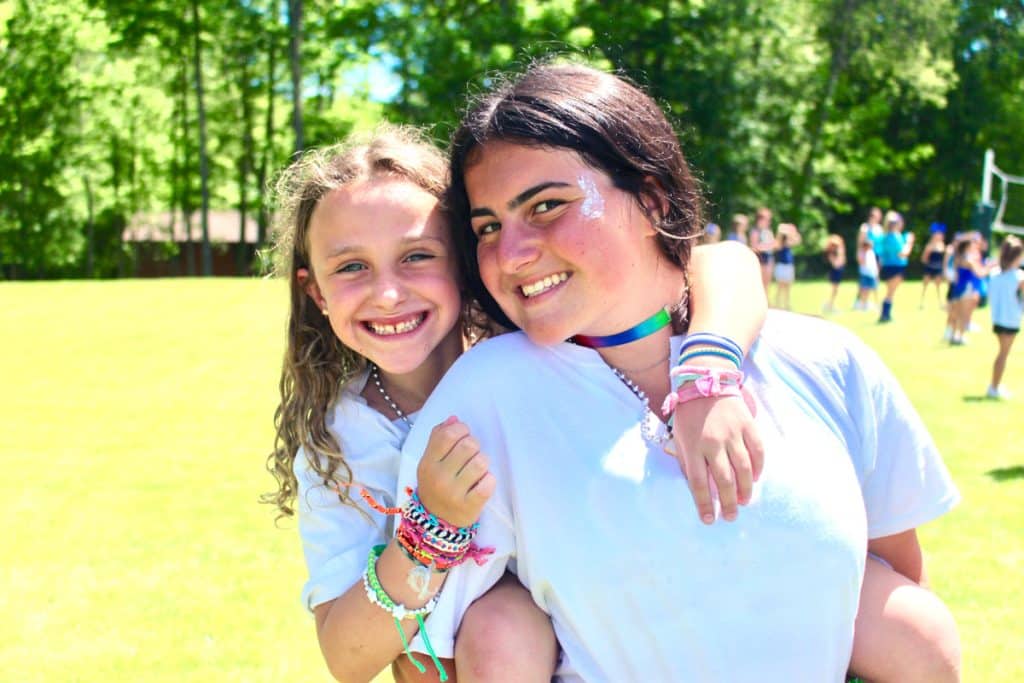
To get hired at summer camp, research the right camps, apply early, highlight your leadership and childcare experience, prepare for your interview, and show that you are ready to put campers first.
Working at summer camp can be one of the most rewarding jobs you will ever have. You get to spend your summer outdoors, build lifelong friendships, gain real-world leadership experience, and make a meaningful impact on children’s lives.
But before you pack your bags for camp, you have to get hired.
The good news? You do not need to have a perfect resume to land a great summer camp job. Many camps hire first-time staff every year. What matters most is showing that you are responsible, energetic, teachable, and genuinely excited to help campers have a safe and memorable summer.
If you are wondering how to get hired at summer camp, this guide will walk you through the process. From researching camps to preparing for your interview, these tips will help you stand out for the right reasons.
Why Summer Camps Are Looking for Great Staff
Summer camps depend on great staff. Counselors, activity instructors, lifeguards, nurses, media team members, kitchen staff, and support staff all help create the camp experience families trust and campers remember.
Camp is fun, but it is also a real job. Staff members help supervise campers, lead activities, build confidence, support homesick kids, model kindness, and keep the day moving. Because of that, camp directors look for people who can bring both energy and maturity to the role.
A strong camp staff member does not need to know everything on day one. However, they do need to be willing to learn, work hard, communicate well, and put campers first.
That is what your application and interview should show.
What Camps Look for in Summer Camp Staff
Before you apply, it helps to understand what camps are really looking for. While every camp is different, most directors want staff who are dependable, positive, and ready to be part of a close community.
Camps often look for candidates who show:
- Responsibility: Campers need staff they can trust.
- Maturity: Camp staff often live on-site and handle long, active days.
- Flexibility: Camp schedules can change quickly because of weather, camper needs, or special events.
- Energy: Staff help create the fun, welcoming spirit that makes camp feel special.
- Patience: Working with children requires empathy and calm problem-solving.
- Teamwork: Camp staff live and work closely together.
- Leadership: Counselors and instructors guide campers through new experiences.
- Good communication: Staff need to communicate clearly with campers, coworkers, and supervisors.
You do not have to be perfect in every area. Still, your application should show that you understand what the job involves and that you are ready to contribute.
Research Camps Before You Apply
One of the best ways to improve your chances of getting hired is to apply to camps that are a good fit for you. A generic application may get overlooked, but a thoughtful one shows that you understand the camp and its community.
Start by looking at the camp’s website, job descriptions, activities, location, and mission. Pay attention to the type of campers they serve and the roles they are hiring for.
Some camps are traditional sleepaway camps with sports, arts, waterfront activities, and outdoor adventure. Others may focus on special interests, specific age groups, teen leadership, or campers with additional support needs.
As you research, ask yourself:
- Do I want to work at a sleepaway camp or day camp?
- What age group would I enjoy working with?
- What activities could I help lead?
- Am I comfortable living at camp for the summer?
- Do the camp’s values match what I am looking for?
- What dates am I available?
- Does the role include housing and meals?
- Are there certifications I need, such as lifeguarding or first aid?
The better you understand the camp, the easier it will be to write a strong application and answer interview questions with confidence.
Apply Early and Follow the Instructions Carefully
If you want to know how to get hired at summer camp, one of the simplest answers is this: apply early.
Many camps start hiring staff months before summer begins. Some roles, especially specialty positions like waterfront, ropes course, nursing, media, or activity leadership, may fill quickly. Applying early gives you more options and more time to find the right match.
When you fill out your summer camp application, slow down and follow the instructions carefully. This may sound basic, but it matters. Camp directors notice when applicants are thorough, professional, and easy to communicate with.
Make sure you:
- Complete every required field.
- Use accurate availability dates.
- Proofread your answers.
- Attach a resume if requested.
- Be honest about your experience and certifications.
- Respond quickly to emails or interview requests.
- Use a professional tone in written communication.
Your application is often the first impression a camp has of you. Treat it like the beginning of the job, not just a form to rush through.
Highlight Experience That Shows You Can Work With Kids
You do not always need previous camp experience to get hired. However, you should highlight anything that shows you can be responsible, patient, and positive around children or teens.
Relevant experience might include:
- Babysitting
- Coaching
- Tutoring
- Volunteering
- Lifeguarding
- Teaching assistant work
- Youth group leadership
- Sports team leadership
- Student government
- Customer service jobs
- Outdoor education
- Music, art, dance, theater, or sports instruction
Even if your experience does not seem directly related to camp, it may still be valuable. For example, a restaurant job can show that you work well under pressure. A team captain role can show leadership. A volunteer position can show that you care about serving others.
When describing your experience, be specific. Instead of saying, “I am good with kids,” explain how you have worked with children before. Did you coach younger athletes? Help a homesick child while babysitting? Tutor a student through a difficult subject? Lead a group project?
Specific examples help camp directors picture you in the role.
Show That You Understand the Job Is About Campers
A summer camp job can be exciting. You may get to travel, live outdoors, meet friends from around the world, and build your resume. Those are all great reasons to apply.
However, the strongest applicants understand that camp is ultimately about the campers.
When writing your application or answering interview questions, focus on how you want to contribute to the camp community. Talk about helping campers feel included, encouraging them to try new things, and creating a safe, positive environment.
That does not mean you cannot mention your own goals. It is perfectly fine to say that you want to grow as a leader or gain experience working with children. Just make sure your answer also shows that you care about the camper experience.
A strong answer might sound like this:
“I want to work at camp because I love being part of a positive community where kids can grow, make friends, and try new things. I also think it would help me build leadership and communication skills, but what excites me most is the chance to make a real impact on campers.”
That kind of response shows maturity, warmth, and purpose.
Let Your Personality Come Through
Camps are not only looking for qualifications. They are also looking for people who bring joy, creativity, and enthusiasm to the community.
Your personality matters.
If you are applying to be a camp counselor, activity specialist, or support staff member, camp directors want to know what it would be like to have you around campers and coworkers all summer. Are you upbeat? Kind? Flexible? Creative? Willing to jump into songs, games, theme days, and silly moments?
Do not be afraid to let your personality come through in your application and interview. Share why camp excites you. Talk about the activities you love. Mention the unique skills or interests you could bring to the community.
Maybe you play guitar, coach soccer, love hiking, enjoy photography, teach swim lessons, or have a talent for organizing group games. These details can help you stand out.
At the same time, keep your tone professional. Camp is fun, but hiring is still a professional process. You want to show that you can be energetic and responsible.
Be Professional in Every Interaction
Professionalism can make a big difference in the summer camp hiring process. Camp directors are looking for staff members they can trust with campers, schedules, responsibilities, and communication.
That trust starts before you are hired.
Use a clear, polite tone in emails. Show up on time for interviews. Dress appropriately for video calls. Make sure your phone or laptop is charged. Choose a quiet place where you can focus. If you need to reschedule, communicate as early as possible.
It is also a good idea to check your social media presence. Many employers, including camps, may look at public profiles. Make sure anything public reflects the kind of role model you want to be for campers.
Professionalism does not mean being stiff or overly formal. It simply means showing that you are reliable, respectful, and ready to take the opportunity seriously.
Prepare for Common Camp Interview Questions
Once your application gets noticed, the next step is usually an interview. This may happen by phone, video call, or in person.
Preparing ahead of time can help you feel more confident. You do not need to memorize answers, but you should think through examples from your experience.
Common camp interview questions include:
- Why do you want to work at summer camp?
- What experience do you have working with children?
- What age group do you prefer to work with?
- What activities could you help lead?
- How would you handle a homesick camper?
- How would you manage conflict with another staff member?
- What would you do if a camper refused to participate?
- How do you respond to stressful situations?
- What does being a role model mean to you?
- What are your strengths and areas for growth?
The best answers are honest and specific. Use examples when you can.
Camp directors are not expecting you to know everything. They want to see how you think, how you communicate, and whether you are willing to ask for help when needed.
Ask Smart Questions During the Interview
A good interview is not just about answering questions. It is also your chance to learn more about the camp.
Asking thoughtful questions shows that you are serious about the role. It also helps you decide whether the camp is the right fit for you.
Good questions to ask include:
- What does staff training look like?
- What does a typical day at camp look like?
- What age group would I most likely work with?
- How do you support first-year staff?
- What qualities make someone successful at your camp?
- What are the biggest challenges staff should be prepared for?
- How are staff supervised and supported during the summer?
- Are there opportunities to return in future summers?
These questions show that you are thinking beyond getting hired. You are thinking about how to do the job well.
Follow Up After the Interview
After your interview, send a short thank-you email. This is a simple step, but it can leave a strong impression.
Your message does not need to be long. Thank the interviewer for their time, mention something you enjoyed learning about the camp, and restate your interest.
Here is a simple example:
“Thank you again for taking the time to speak with me. I enjoyed learning more about your camp community and the role. I’m excited about the opportunity to contribute to a positive, safe, and memorable summer for campers.”
A thoughtful follow-up shows professionalism and reinforces your interest in the position.
Common Mistakes That Can Hurt Your Summer Camp Application
Even strong candidates can weaken their chances by making avoidable mistakes. Before you apply, watch out for these common issues.
One mistake is submitting a generic application. If your answers could apply to any camp, they may not feel memorable. Try to reference the specific role, camp environment, or type of work that interests you.
Another mistake is focusing only on what the job will do for you. Travel, friendship, and resume-building are all real benefits. Still, camps want to know what you will bring to their campers and community.
Applicants may also hurt their chances by responding slowly, using overly casual language, or showing up unprepared for interviews. Camp directors need staff who are dependable, so communication matters.
Finally, avoid exaggerating your skills. If you are not certified as a lifeguard, do not imply that you are. If you have limited experience with children, be honest and focus on your willingness to learn. Camps can train for many things, but they need to trust your honesty.
How to Stand Out as a Summer Camp Job Candidate
If you want to stand out, focus on being clear, genuine, and camper-centered.
You do not need to be the loudest or most experienced applicant. You need to show that you are ready to work hard, support others, and bring a positive attitude to camp life.
Stand out by:
- Sharing specific examples from your experience.
- Explaining why you want to work with campers.
- Highlighting special skills or activity areas.
- Showing that you researched the camp.
- Communicating quickly and professionally.
- Being honest about your strengths and growth areas.
- Asking thoughtful interview questions.
Most of all, be yourself. Camps are looking for real people who can connect with campers and contribute to a caring community.
Ready to Find a Summer Camp Job That Fits You?
Getting hired at summer camp starts with finding the right opportunity. Whether you want to be a camp counselor, lifeguard, activity instructor, nurse, media specialist, or support staff member, there are camps looking for people who are ready to make a difference.
Working at camp is more than a summer job. It is a chance to build leadership skills, spend your summer outdoors, make lifelong friendships, and become part of a community that campers will remember for years.
If you are ready to apply, American Summer Camps can help you explore summer camp jobs and connect with camps looking for staff like you.
FAQ: How to Get Hired at Summer Camp
To get hired at summer camp, research camps that match your interests, submit a thoughtful application, highlight experience working with children, prepare for your interview, and show that you are responsible, flexible, and excited to support campers.
Not always. Many camps hire first-time staff, especially for general counselor roles. However, experience with children, leadership, coaching, tutoring, volunteering, or outdoor activities can make your application stronger.
It is best to apply as early as possible, often in winter or early spring. Many camps continue hiring into spring and early summer, but applying early gives you more options.
Include experience that shows responsibility, leadership, teamwork, communication, and comfort working with kids. Babysitting, coaching, tutoring, volunteering, lifeguarding, customer service, and student leadership can all be relevant.
Summer camps look for staff who are mature, energetic, dependable, patient, and willing to put campers first. Camps also value applicants who communicate well and can work as part of a close team.
Research the camp before your interview, give specific examples from your experience, ask thoughtful questions, and explain how you can help create a safe, fun, and supportive experience for campers.
Yes. Working at summer camp can help build leadership, communication, teamwork, problem-solving, organization, and conflict-resolution skills. These skills are useful in many careers, especially education, healthcare, business, social work, recreation, and leadership roles.
