
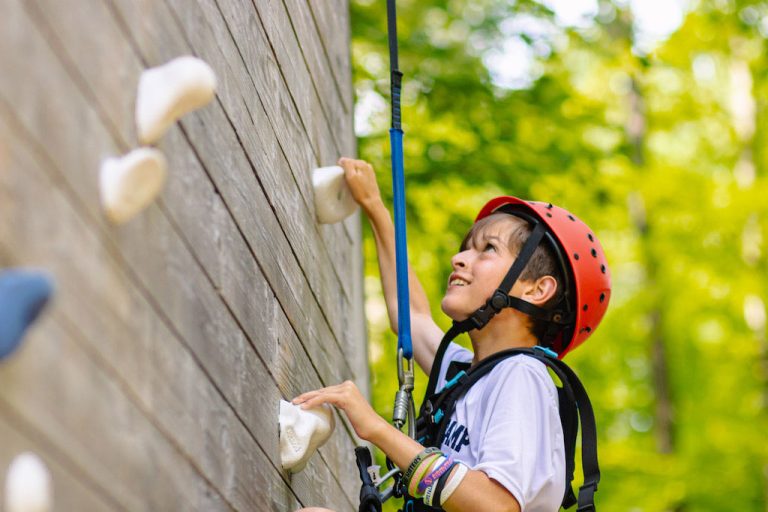
Wondering “is my child ready for summer camp?” If your child is showing signs of readiness, camp can be a safe, confidence-building experience that helps them grow in independence, friendships, and resilience — but the right timing depends on your child, not just their age.
If you’re asking yourself whether you should send your child to summer camp, you’re not alone. It’s one of the most common questions parents have — especially if it’s your child’s first time away from home.
For many families, this decision comes with a mix of excitement and uncertainty. You might be thinking about how your child will cope without you, whether they’ll feel homesick, or if they’re truly ready for that level of independence.
Those concerns are completely normal.
This guide is designed to help you think through the decision clearly by helping you understand when it’s the right fit for your child.
Why Parents Hesitate About Summer Camp
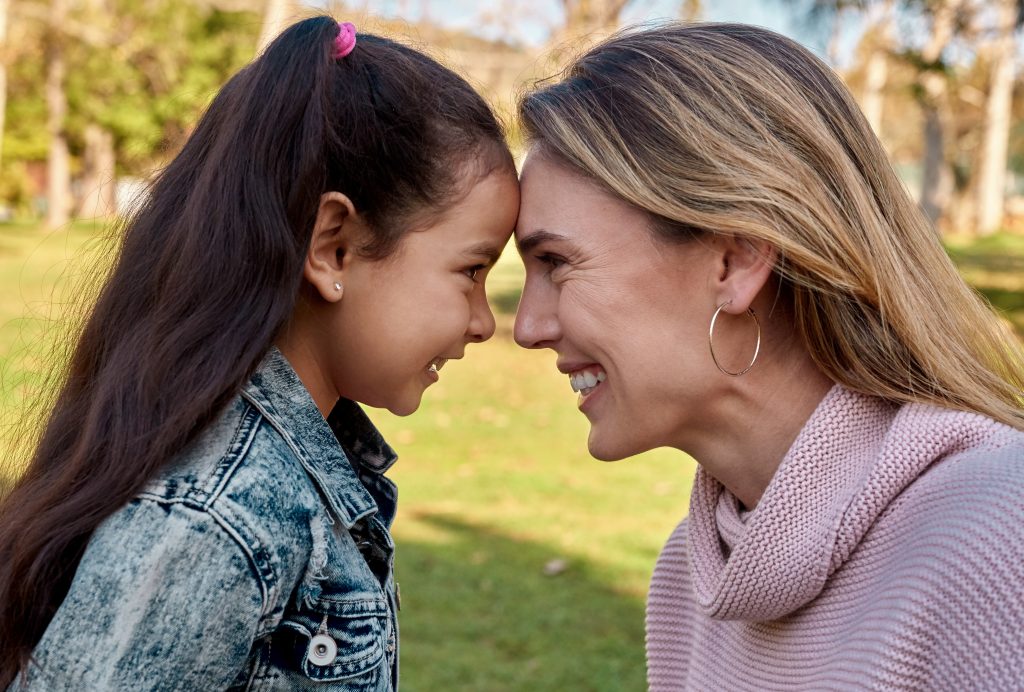
Before looking at the benefits, it’s important to acknowledge what’s really behind the question: should I send my child to summer camp?
Most hesitation comes from a place of care.
You might be asking yourself:
- “Will they be okay without me?”
- “What if they get homesick and I’m not there?”
- “Are they too young or not ready yet?”
- “Can I trust the camp to keep them safe?”
These are thoughtful, responsible questions. In fact, they’re often a sign you’re approaching this decision in the right way.
What many parents find is that once they understand how camps support children emotionally and physically the decision becomes much clearer.
The Real Benefits of Summer Camp
When a child is ready, summer camp can offer something that’s difficult to replicate anywhere else. It’s not just about activities — it’s about growth.
Builds Confidence and Independence
At camp, children begin to rely on themselves in small but meaningful ways.
They choose activities, manage their time, and solve everyday challenges without immediate help from parents. These moments build confidence gradually, helping children realize they are capable on their own.
Over time, that confidence carries into school, friendships, and everyday life.
If you want to explore this further, you can read more about the benefits of summer camp.
Creates Real, Lasting Friendships
Camp friendships tend to form quickly and feel deeper.
That’s because kids spend full days together — playing, learning, and sharing new experiences. Without the distractions of screens or school pressures, they connect more naturally.
Many children leave camp with friendships that last for years.
Encourages Active, Outdoor Living
Camp life is naturally active.
Whether it’s swimming, hiking, team sports, or creative activities, children are constantly moving, exploring, and engaging with the world around them.
This kind of environment supports both physical health and emotional wellbeing.
Helps Kids Disconnect From Screens
For many parents, this is one of the most valuable benefits.
Camp creates a rare opportunity for children to step away from phones, tablets, and constant digital stimulation.
Without screens, kids become more present, more social, and more engaged in the moment.
Signs Your Child Is Ready for Summer Camp

Every child develops at their own pace, so readiness matters more than age.
For some children, the idea of camp feels exciting right away. For others, it can feel like a big step, and that’s completely normal.
Rather than focusing on a specific age, it’s more helpful to look at your child’s confidence, independence, and comfort with new experiences.
Here are some helpful signs your child may be ready for summer camp:
- They’re comfortable staying away from home for short periods (like sleepovers)
- They show curiosity about trying new things
- They can manage basic daily routines independently
- They’re open to meeting new people
- They can cope with small challenges without immediate help
You might also notice smaller signals, like them talking positively about camp, showing interest in activities, or feeling proud when they do things on their own.
If you’re unsure, that’s okay. Many parents sit somewhere in the middle, asking themselves “is my child ready for summer camp?” — where their child might be ready but still needs a bit of reassurance.
If you want a deeper breakdown, you can read our full guide on is your child ready for summer camp, which walks through readiness in more detail.
If your child is still building these skills, there’s no rush.
Starting with a shorter stay, a beginner-friendly program, or even a day camp can be a great way to build confidence gradually and create a positive first experience.
You can also explore our guide on how to choose the right summer camp to find an option that fits your child’s personality and comfort level.
What If My Child Gets Homesick?
Homesickness is one of the biggest concerns parents have — and one of the most misunderstood.
If this is something you’re worried about, you’re not alone. Almost every parent thinks about it before sending their child to camp for the first time.
The reality is that many children do feel a little homesick at the beginning. That’s a completely natural response to being somewhere new, without their usual routine or familiar environment.
But in most cases:
- Homesickness is temporary
- It often peaks in the first couple of days
- It usually fades as children settle into camp life
- Camp staff are experienced in supporting children through it
What makes a big difference is the environment camps create.
Structured routines, engaging activities, and opportunities to build friendships all help children feel more comfortable, more confident, and more at home.
It’s also worth knowing that homesickness doesn’t mean your child isn’t ready. In fact, it’s often part of the process of building independence.
Many children who feel unsure at the beginning go on to have the most positive, confidence-building experiences once they settle in.
If you want practical ways to support your child before and during camp, you can read our guide on handling homesickness at summer camp.
Is Summer Camp Safe?

Safety is understandably a top priority for parents.
Reputable summer camps are designed with safety at their core. This includes both physical safety and emotional wellbeing.
Most camps provide:
- Carefully selected and trained staff
- Supervision throughout the day and night
- Clear safety procedures and protocols
- Support for children adjusting emotionally
If safety is a key concern for you, taking time to research camps is an important step.
Our summer camp safety guide breaks down exactly what to look for when evaluating options.
Summer Camp Pros and Cons
It’s important to look at both sides when deciding whether you should send your child to summer camp.
Pros
- Helps build independence and confidence
- Encourages social development and friendships
- Promotes active, healthy lifestyles
- Creates meaningful, lasting memories
Cons
- Can be a financial investment depending on the camp
- Some children experience initial homesickness
- Not every child is ready at the same time
Looking at both the benefits and challenges allows you to make a balanced, thoughtful decision.
How to Prepare Your Child for Summer Camp
If you decide camp could be a good fit, preparation can make a big difference.
A little bit of thoughtful preparation helps your child feel more confident going in — and makes the transition smoother once they arrive.
Here are some practical ways to help your child feel more comfortable and prepared:
- Talk positively about camp (without overhyping it)
Keep your tone calm and encouraging. Focus on what they’ll experience — making friends, trying activities — rather than promising it will be “the best time ever.” This builds excitement without pressure. - Practice time away from home
Sleepovers with friends or short stays with family can help your child get used to being away from you in a familiar, low-pressure way. - Involve them in choosing the camp
Let your child have a say in the activities or type of camp they attend. Feeling part of the decision helps them feel more invested and more in control. - Walk through what a typical day might look like
Talking through daily routines (meals, activities, bedtime) helps remove the “unknown,” which is often what causes the most anxiety. - Build small independence skills ahead of time
Simple things like packing their own bag, organizing clothes, or managing basic hygiene can boost confidence before they go. - Keep goodbyes simple and confident
Long, emotional goodbyes can make the transition harder. A calm, reassuring send-off helps your child feel secure.
Preparation doesn’t need to be complicated — it’s about giving your child the tools and confidence to step into something new.
When children feel prepared, they’re more likely to settle in quickly, build connections, and enjoy the experience.
And just as importantly, preparation can ease your own concerns as a parent, helping you feel more confident in the decision as well.
So… Should You Send Your Child to Summer Camp?
There’s no single right answer.
But if your child is showing signs of readiness, and you’ve found a camp that feels safe and aligned with their personality, summer camp can be an incredibly valuable experience.
For many children, it becomes a place where they grow in confidence, build friendships, and discover what they’re capable of.
And for parents, it often becomes a moment of realization — seeing their child handle independence in a way they may not have expected.
Frequently Asked Questions about Sending Your Child to Summer Camp
Many children begin between ages 7–9, but readiness is more important than age.
A shorter stay (1–2 weeks) is often the best way to introduce the experience.
Day camp is often a good starting point, while overnight camp offers deeper independence and growth when children are ready.
Look for a camp that matches your child’s interests, personality, and comfort level. Factors like location, activities, staff experience, and camp culture all play a role. Taking time to research and involve your child in the decision can make a big difference.
Yes, and often more easily than you might expect. Camps are designed to help children connect through shared activities, teamwork, and time spent together. Many children form strong friendships within the first few days.
Camp staff are experienced in helping children settle in at their own pace. They encourage participation gently, create inclusive environments, and help children build confidence without pressure.
Most camps offer ways to stay connected, such as letters, emails, or occasional phone calls. While communication is usually limited, this space often helps children build independence and fully engage in the experience. For more information about about communicating with your camper during summer camp, check out our article.
For many families, the value comes from the personal growth, independence, and confidence children gain. While cost is an important factor, many parents see camp as an investment in their child’s development.
Ready to Explore Summer Camps for Your Child?
If you’re feeling close to a decision, the next step is simply to explore what’s out there.
Every child is different, and the right camp is the one that fits your child’s personality, interests, and comfort level.
To see a range of options, learn what different camps offer, and start getting a feel for what might be the right fit, explore our partner camps today.