

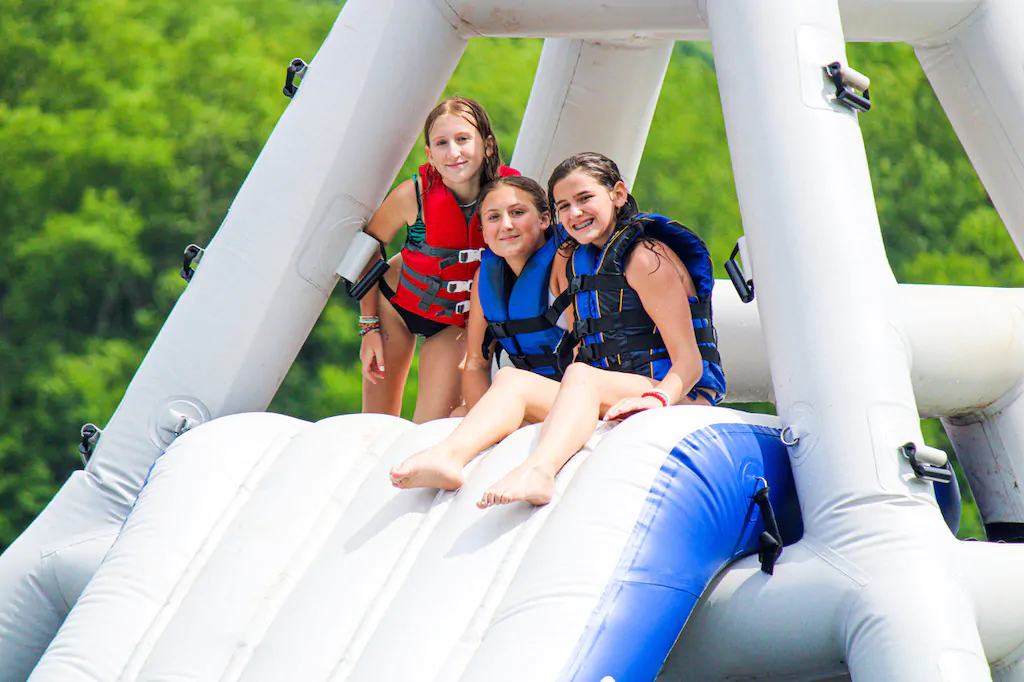
Summer camp activities can include swimming, sports, arts and crafts, outdoor adventures, games, and special evening programs, but camp is also about making friends, trying new things, and becoming more independent.
If your child has never been to summer camp before, you may be wondering what they will actually do all day.
The answer depends on the camp, but most programs combine structured summer camp activities with meals, cabin time, free time, special events, and plenty of opportunities to make friends.
Campers might spend one part of the day swimming in a lake, then head to arts and crafts, play a team game, and finish the evening around a campfire. Other days may include hiking, theater, climbing, boating, or an all-camp event.
While the activities are a big part of the experience, they are only one piece of camp life.
What Do Kids Do at Summer Camp?
Most summer camps offer a wide range of activities throughout the day. Some follow a set schedule, while others allow campers to choose certain activities based on their interests.
A typical camp experience may include outdoor recreation, sports, creative programs, waterfront activities, and group games. Campers also eat meals together, spend time with their cabin groups, and participate in special events.
The goal is not simply to keep kids busy. Camp gives children a chance to explore new interests, spend time outdoors, build friendships, and gain confidence away from their usual routines.
Popular Summer Camp Activities
Every camp has its own program, facilities, and traditions. However, many traditional camps offer activities across several different categories.
Swimming and Waterfront Activities
Waterfront activities are a major part of the experience at many camps.
Depending on the location and facilities, campers may have opportunities to try:
- Swimming
- Canoeing
- Kayaking
- Paddleboarding
- Sailing
- Waterskiing
- Wakeboarding
- Fishing
Some camps are located directly on lakes, while others have swimming pools or access to nearby waterways.
Water activities can give campers a chance to cool off, build skills, and try something they may not have access to at home.
Sports and Games
Sports are another common part of summer camp life.
Traditional options may include basketball, soccer, tennis, volleyball, baseball, softball, archery, or gymnastics. Some camps also offer more specialized activities such as horseback riding, fencing, golf, or mountain biking.
Not every activity has to be competitive, either.
Campers may also take part in relay races, field games, capture the flag, scavenger hunts, and other group activities designed to get everyone involved.
Arts and Creative Activities
Camp is not only for kids who love sports.
Many summer camps have strong creative programs where campers can paint, draw, build, perform, or learn a new craft.
Activities might include:
- Arts and crafts
- Pottery
- Jewelry making
- Friendship bracelets
- Woodworking
- Photography
- Music
- Dance
- Theater
Creative activities often give campers a quieter break from more physical parts of the day while still encouraging them to experiment and learn something new.
Outdoor Adventure Activities
One of the biggest advantages of summer camp is the chance to spend more time outside.
Depending on the camp, outdoor activities may include hiking, rock climbing, ropes courses, nature programs, camping trips, or wilderness skills.
Some camps also organize overnight trips or excursions away from the main property.
These experiences can help campers become more comfortable outdoors while encouraging teamwork, problem-solving, and confidence.
Performing Arts and Special Interests
Many camps offer programs that go well beyond traditional sports and outdoor activities.
Campers may be able to participate in drama productions, dance classes, music programs, cooking, science activities, filmmaking, journalism, or other specialty areas.
This variety can be especially helpful for children who arrive at camp with a specific interest they want to develop.
It can also encourage campers to try something completely new.
What Does a Typical Day at Summer Camp Look Like?
Schedules vary from camp to camp, but most days follow a general routine.
Campers usually wake up and get ready with their cabin before heading to breakfast. Afterward, they may have several activity periods throughout the morning.
Lunch often provides a natural break in the middle of the day. Some camps also schedule rest hour or cabin time afterward.
Afternoon activities then continue until dinner.
Once the day’s regular activities are finished, campers typically take part in an evening program before returning to their cabins for bedtime.
A day might look something like this:
- Wake up and get ready
- Breakfast
- Morning activities
- Lunch
- Rest or cabin time
- Afternoon activities
- Dinner
- Evening program
- Cabin time and lights out
The exact structure can be very different depending on the camp, age group, and program.
What Happens at Summer Camp at Night?
Camp does not stop when the afternoon activities end.
Evening programs are often some of the most memorable parts of the experience because they bring cabins, age groups, or even the entire camp together.
A typical evening might include a campfire, talent show, themed event, outdoor game, performance, or cabin competition.
Some camps organize movie nights, dances, scavenger hunts, storytelling, or special traditions that happen only once or twice each summer.
Campfires are especially closely associated with the traditional summer camp experience. Campers may sing songs, tell stories, make s’mores, and spend time together before returning to their cabins.
Summer Camp Is About More Than Activities
When parents ask what kids do at summer camp, it is easy to focus on the activity schedule.
However, some of the most important parts of camp happen between those scheduled activities.
Making New Friends
Campers spend a lot of time with other children their age.
They may live together in cabins, eat meals together, participate in activities as a group, and share experiences throughout the session.
Those everyday moments can make it easier for friendships to develop naturally.
By the end of camp, many children come home talking just as much about their cabinmates as they do about the activities they tried.
Trying New Things
Camp gives children the chance to explore activities they might not normally encounter at home.
A camper who has never held a paddle might learn to kayak. Someone who has never been onstage might join a theater production. Another camper may discover that they love archery, pottery, climbing, or sailing.
There is no expectation that campers arrive knowing how to do everything.
Learning is part of the experience.
Building Independence
For children attending sleepaway camp, everyday routines also provide opportunities to become more independent.
Campers may learn to keep track of their belongings, get themselves ready in the morning, make choices about activities, and manage life away from their usual home routine.
Counselors are there to provide supervision and support, but campers gradually learn to handle more things for themselves.
Becoming Part of a Camp Community
Camp traditions also play a major role in the experience.
Songs, cheers, campfires, competitions, cabin traditions, and special events help create a sense of community.
Over time, those shared experiences can turn a collection of campers into a close-knit group.
For many children, that feeling of belonging becomes one of their favorite parts of camp.
What If My Child Has Never Been to Summer Camp Before?
First-time campers do not need to arrive knowing exactly how camp works.
Counselors and staff members help campers learn the daily routine, find their activities, meet their cabinmates, and adjust to a new environment.
It is also completely normal for children to feel both excited and nervous before their first experience away from home.
Preparing ahead of time can make the transition easier. Talk about what a typical day might look like, involve your child in packing, and encourage questions about what they can expect.
Activities Vary From Camp to Camp
There is no single activity list that applies to every summer camp.
Some camps offer dozens of different activities and allow children to build portions of their own schedules. Others focus more heavily on a particular area, such as sports, performing arts, outdoor adventure, or another specialty.
Facilities also vary.
One camp might have an extensive waterfront program, while another is known for horseback riding, theater, tennis, or wilderness trips.
That is why it is worth looking beyond a camp’s location or photos when comparing options. Take a close look at the daily schedule and activity offerings to see whether they match your child’s interests.
Finding the Right Summer Camp for Your Child
The best summer camp experience looks different for every child.
Some campers want days filled with sports and outdoor adventure. Others are happiest performing, creating art, exploring nature, or spending time on the waterfront.
The right camp should give your child plenty to look forward to while also providing opportunities to try something new.
American Summer Camps can help families explore summer camps across the United States and find programs that fit their child’s interests, personality, and goals.
Frequently Asked Questions About Summer Camp Activities
Summer camp activities often include swimming, sports, arts and crafts, boating, hiking, climbing, games, and evening programs. Specific activities vary by camp.
A typical day includes meals, several activity periods, cabin or rest time, and an evening program. Each camp organizes its schedule differently.
It depends on the program. Some camps create structured schedules, while others allow campers to choose many of their activities.
Evenings may include campfires, games, talent shows, performances, themed events, or special activities with cabinmates and the wider camp community.
Many camps offer non-athletic options such as arts, theater, music, nature, cooking, photography, STEM activities, and other creative programs.
