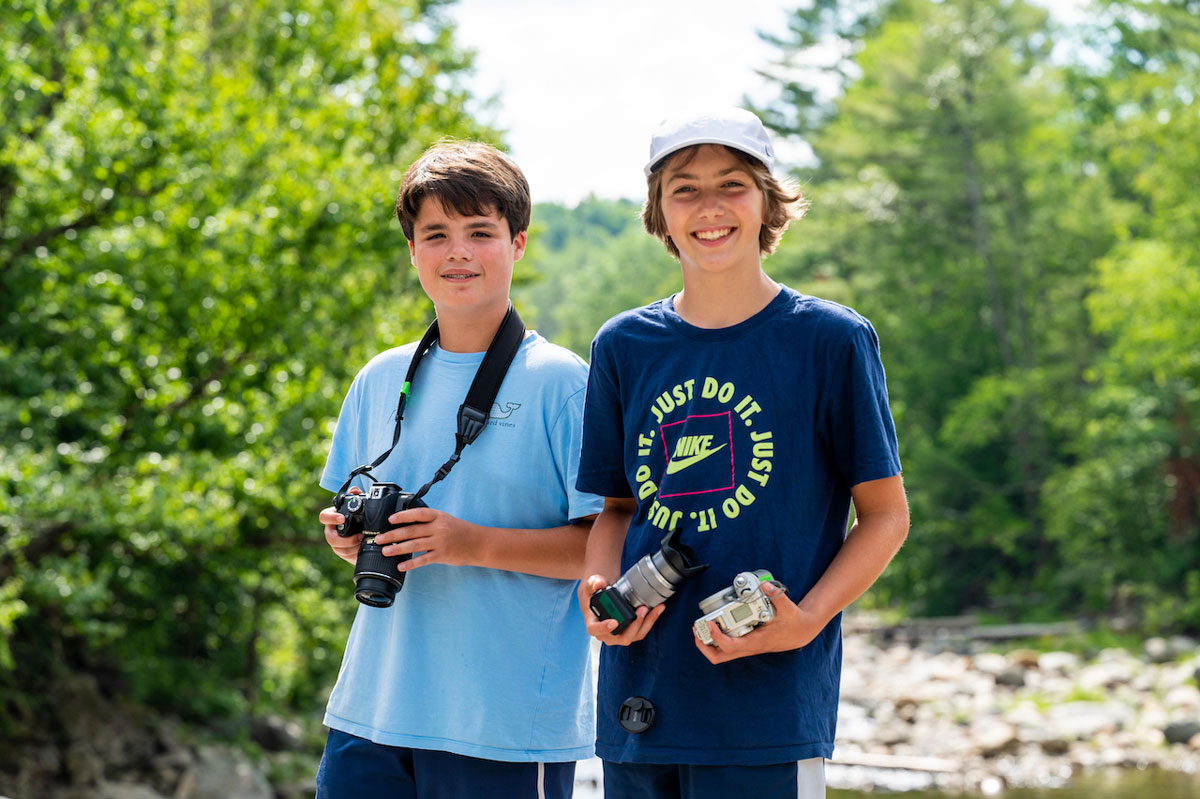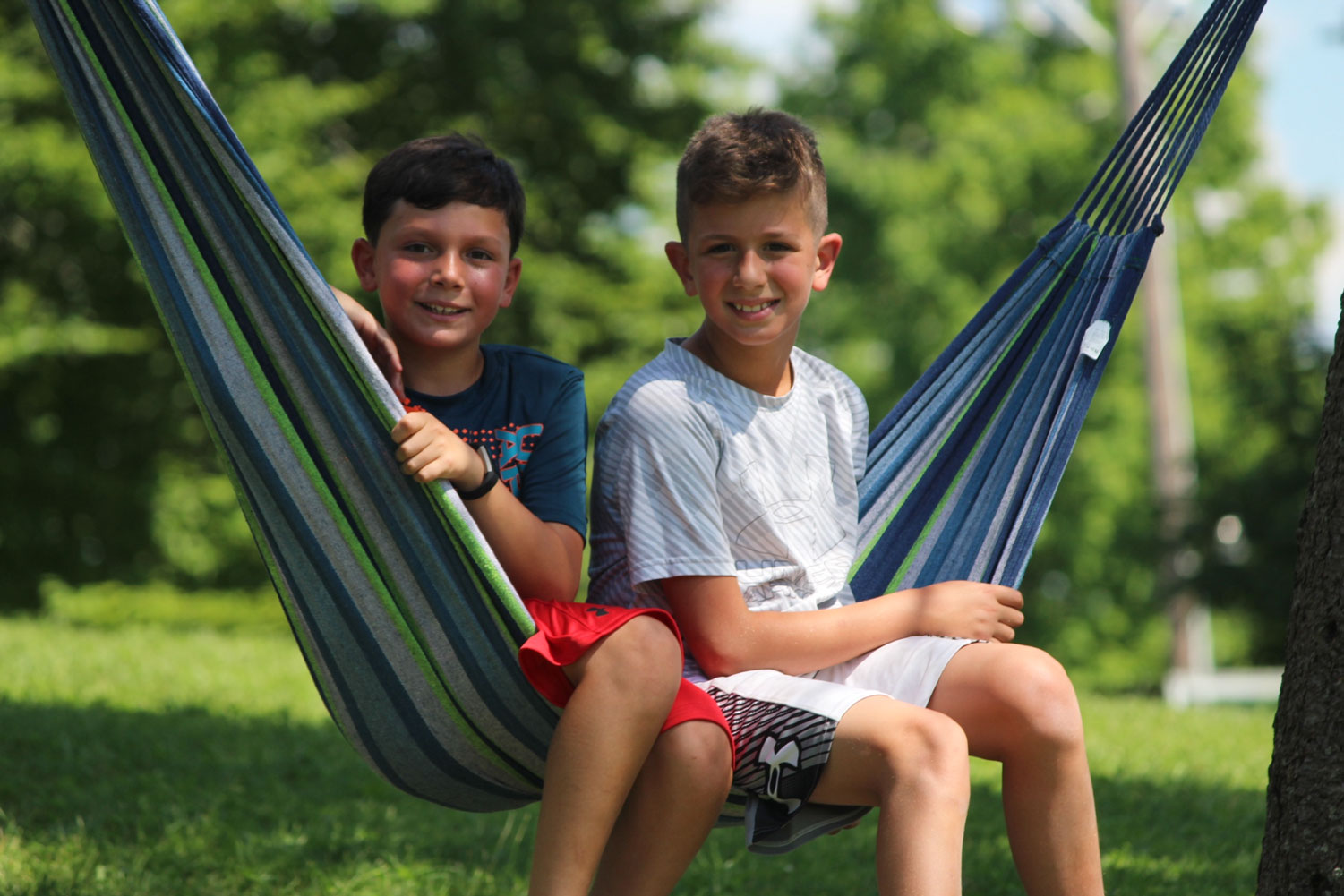
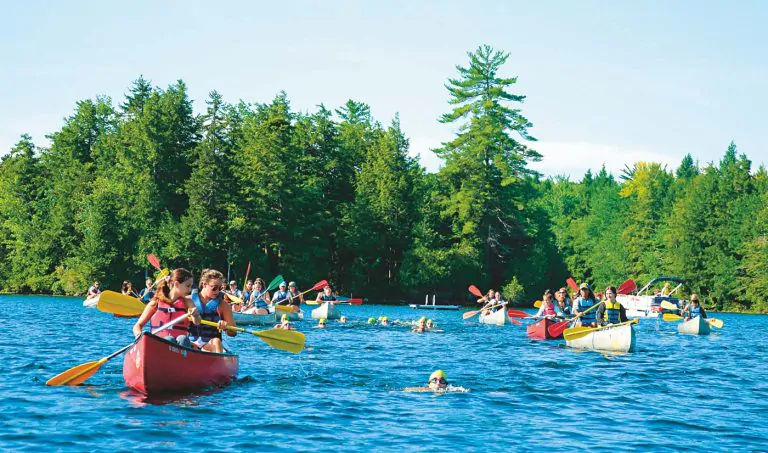
The best summer camps—especially in the U.S.—offer stunning outdoor settings, diverse activities, and a strong focus on personal growth. Top examples include Camp Laurel, Timber Lake, Equinunk and Blue Ridge, Birchmont, Cheley Colorado Camps, and Mountain Camp.
Enter your Email Address for personalized recommendations and summer camp resources.
Where are the World’s Best Summer Camps?
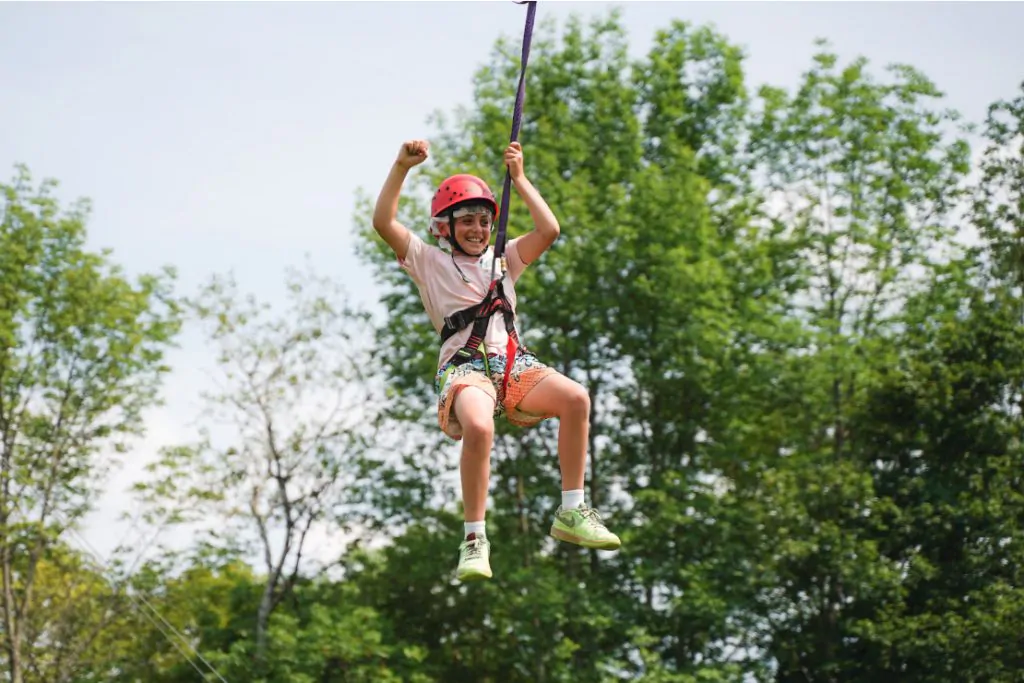
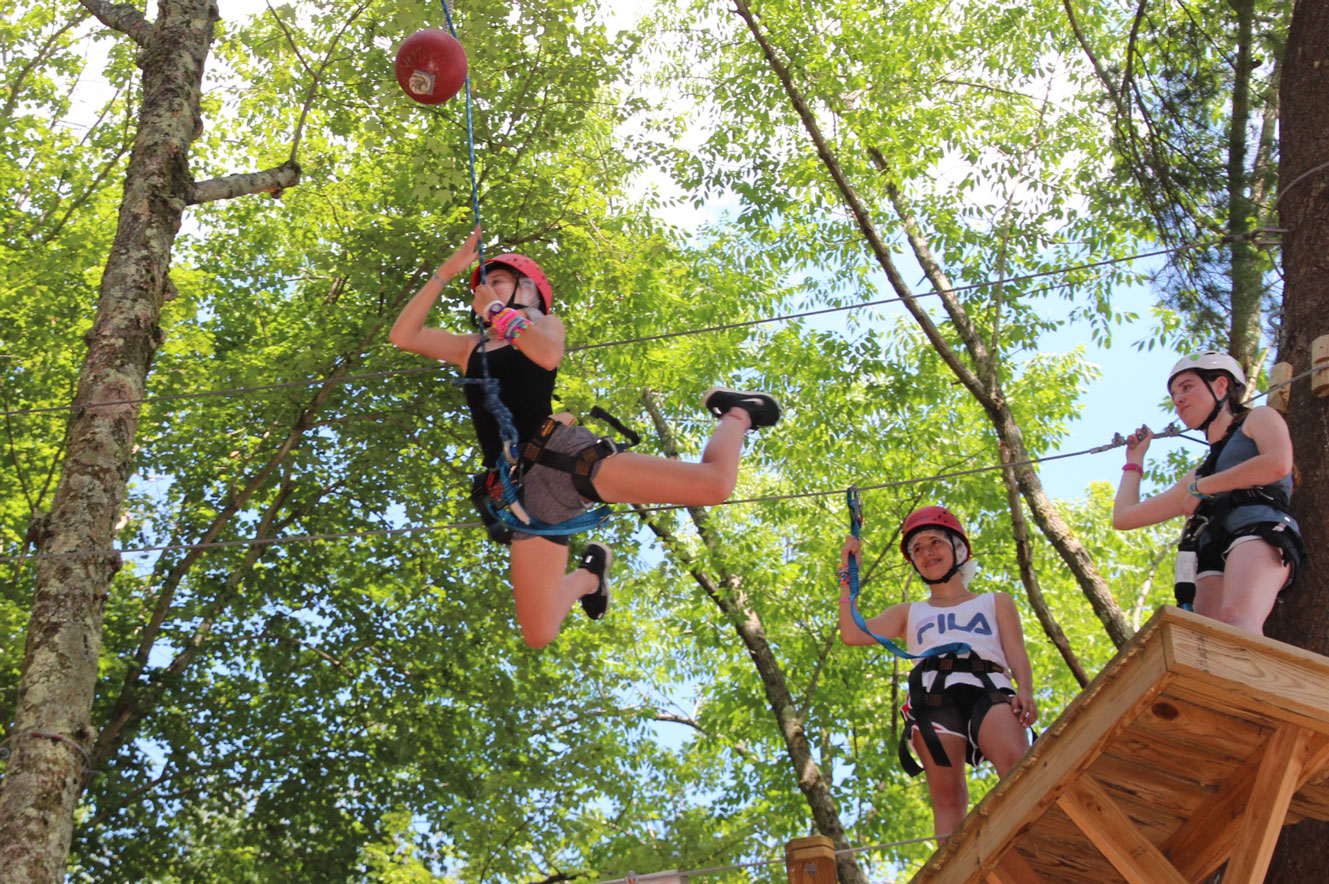
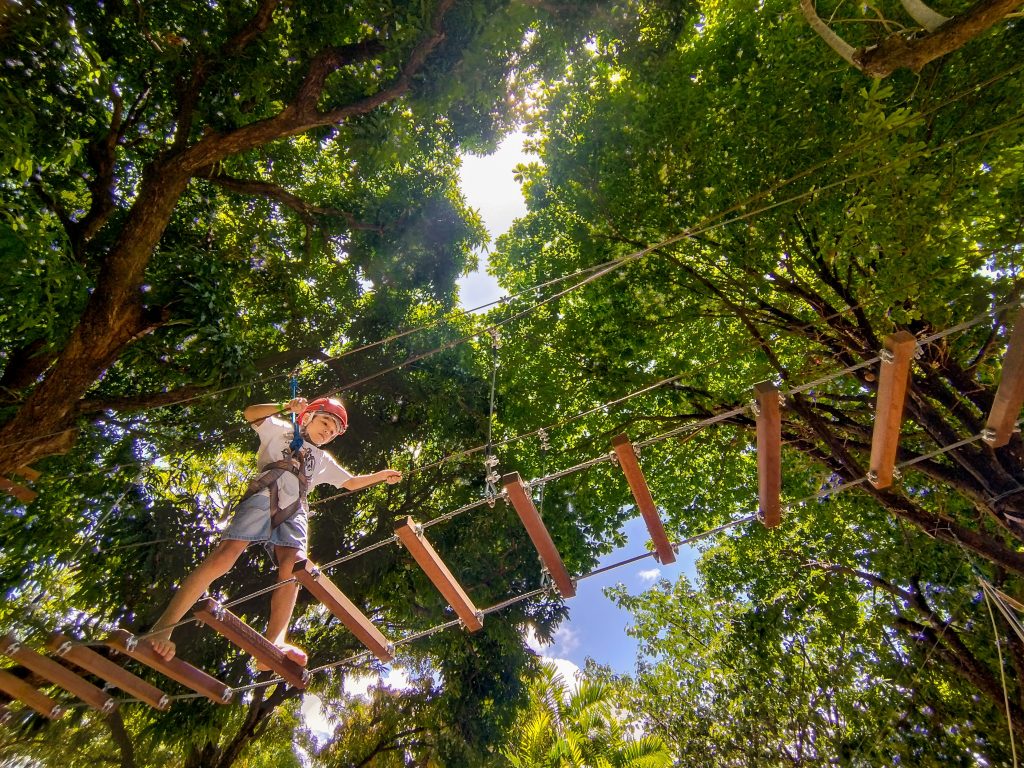
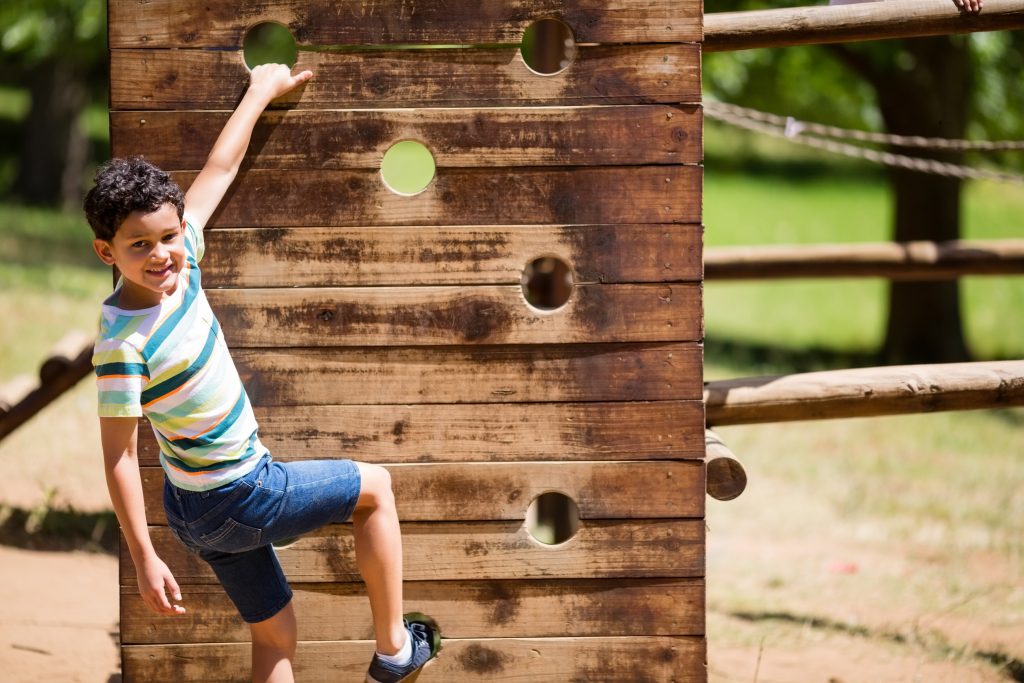
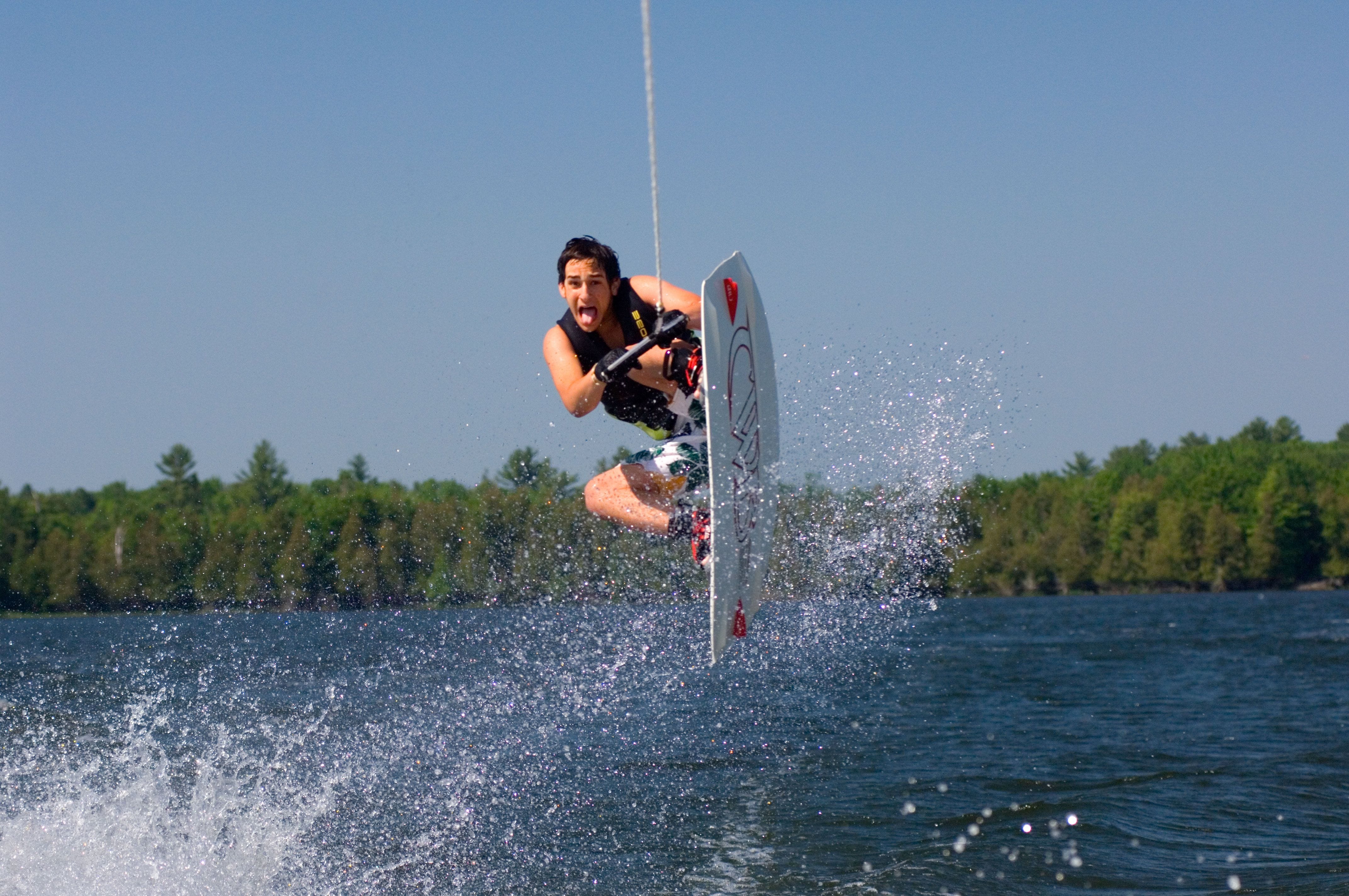
Some of the world’s bests summer camps can be found in the United States, due in part to its stunning natural scenery, ranging from rugged mountains and pristine lakes to sprawling forests and picturesque coastlines. This diverse environment provides the perfect backdrop for a wide range of outdoor activities, from hiking and canoeing to rock climbing and horseback riding.
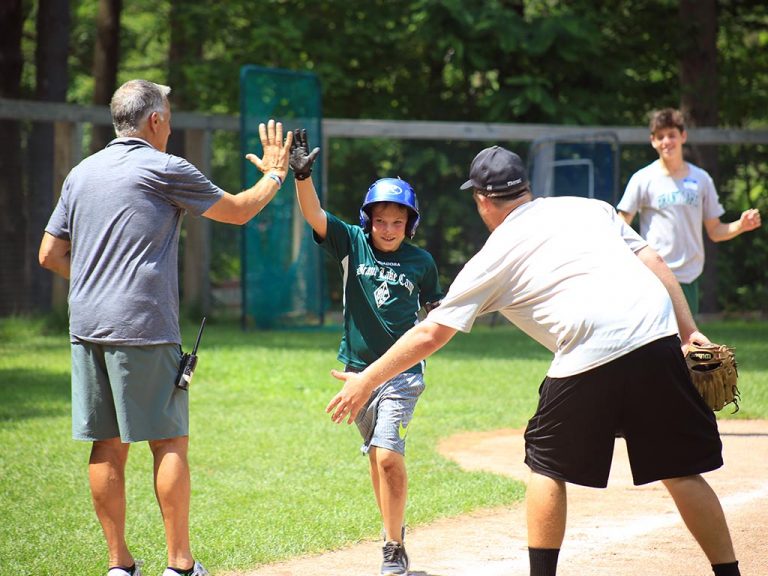
American summer camps are renowned for their commitment to providing a well-rounded experience that caters to the interests and needs of every camper. Whether it’s traditional activities like swimming and arts and crafts or specialized programs in sports, music, or STEM (science, technology, engineering, and mathematics), there’s something for everyone to enjoy. This diversity of offerings ensures that campers can explore their passions, discover new talents, and develop valuable skills in a supportive and inclusive environment.
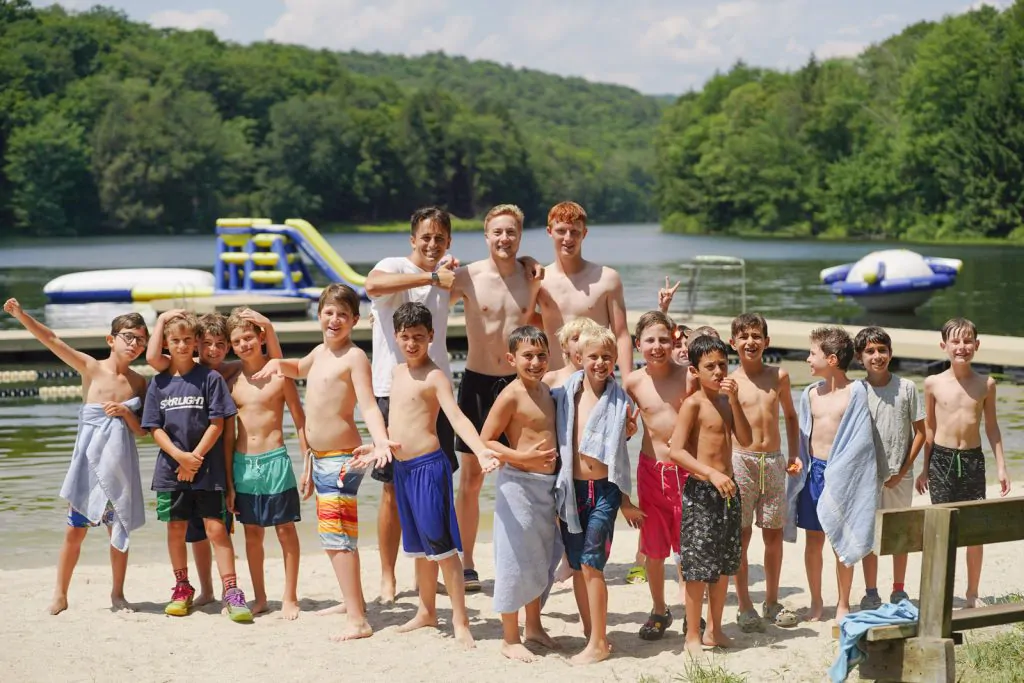
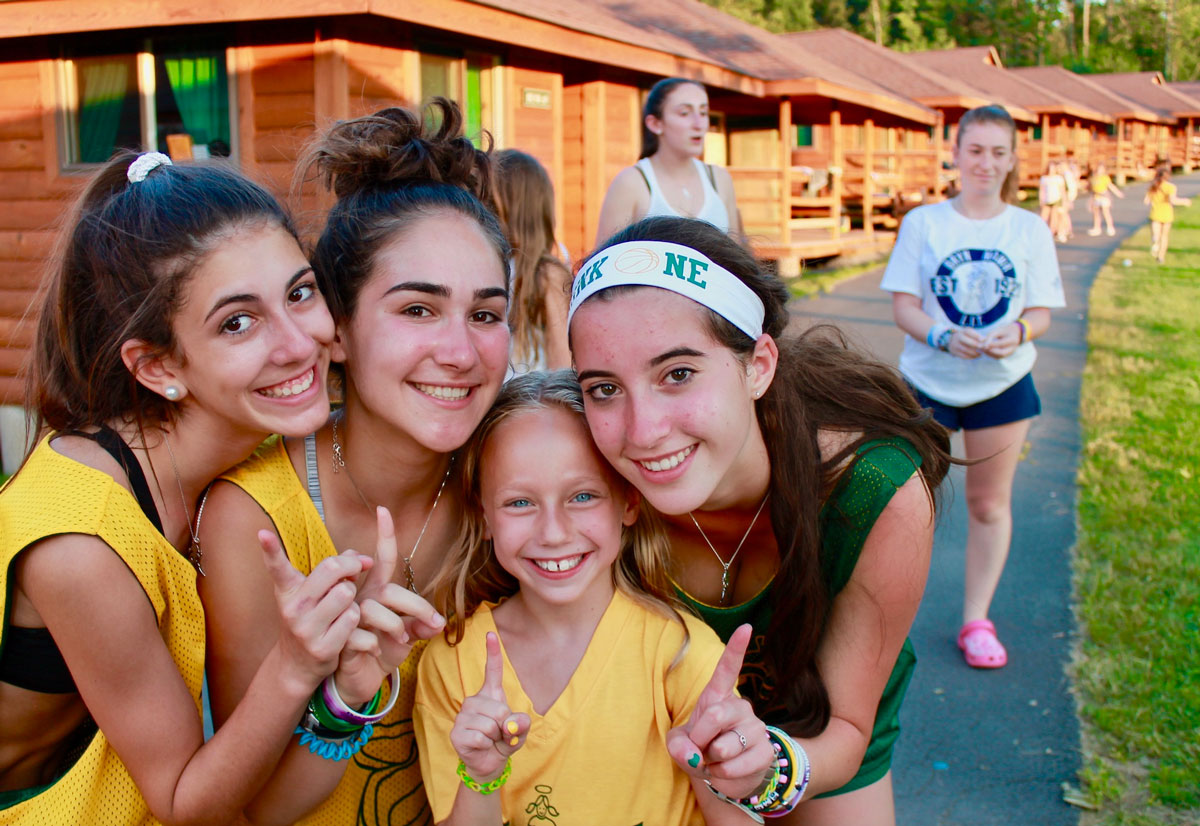
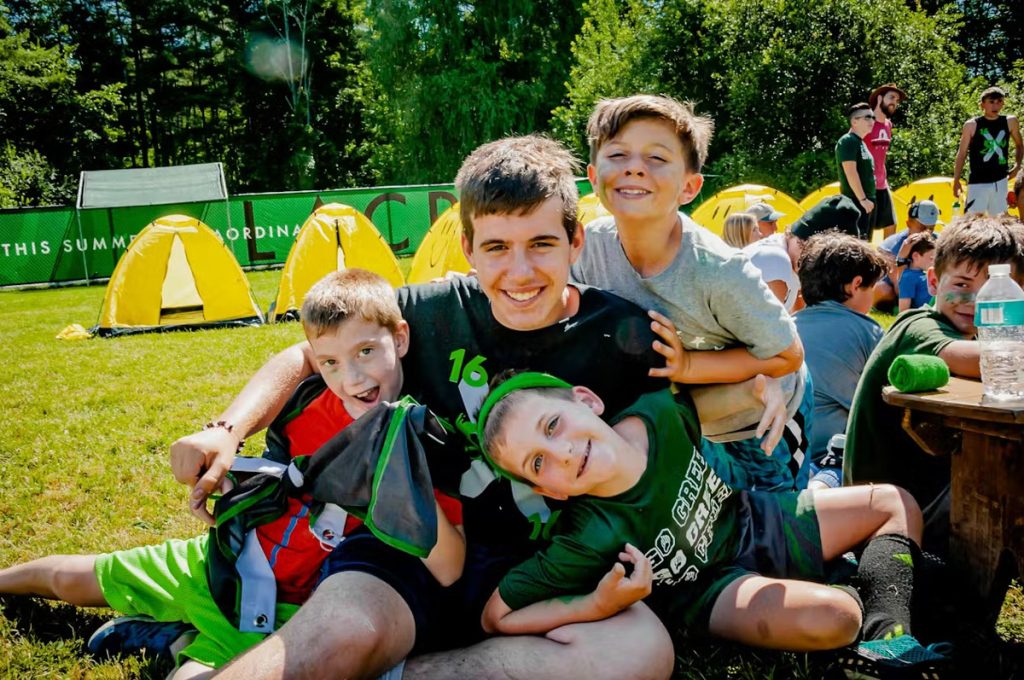
Another key factor that sets American summer camps apart is the emphasis on fostering a sense of community and belonging among campers. Campers come from all walks of life and backgrounds, creating a rich tapestry of diversity and shared experiences. Through teamwork, cooperation, and friendship-building activities, campers learn important social skills, empathy, and respect for others, creating bonds that often last a lifetime.
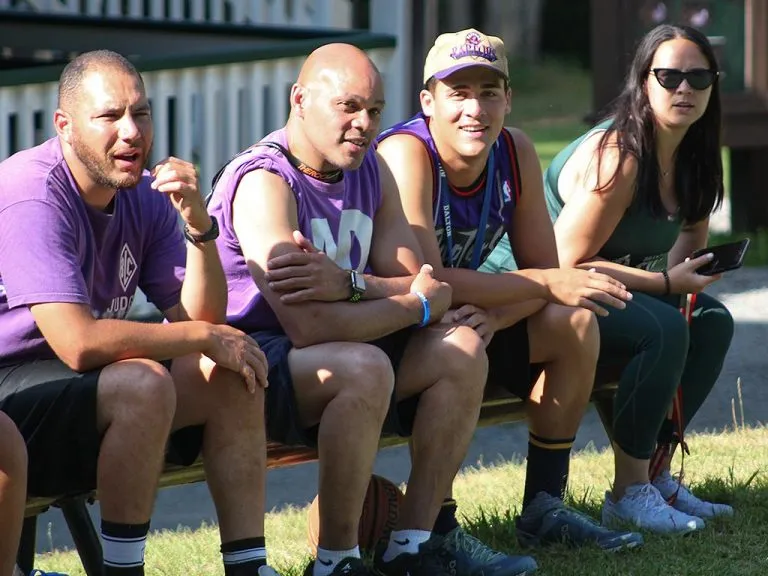
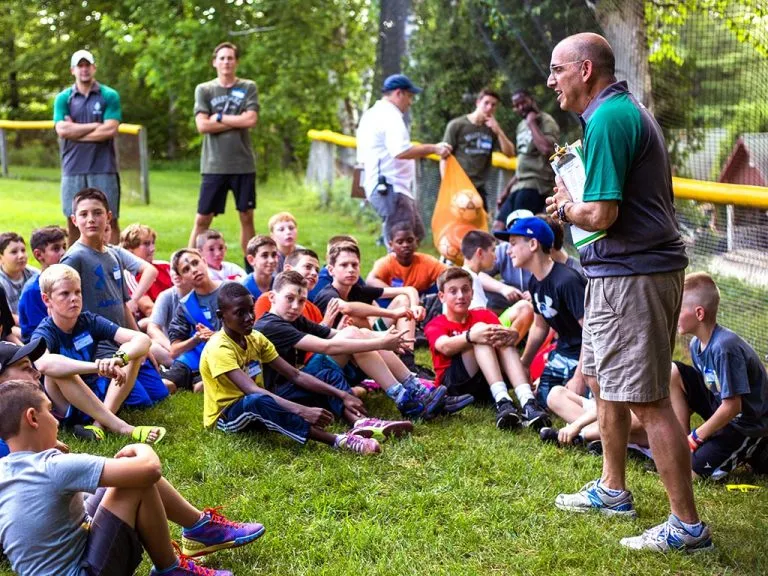
American summer camps are staffed by dedicated and experienced counselors who are passionate about working with children. These counselors undergo rigorous training and are committed to ensuring the safety, well-being, and happiness of every camper. With their guidance, encouragement, and mentorship, campers are empowered to step out of their comfort zones, embrace new challenges, and grow into confident, resilient, and compassionate individuals.
Why Send Your Child to Summer Camp?

Summer camp is more than just a way to fill school holidays—it’s one of the most meaningful and transformative experiences a child can have.
At camp, children step outside their everyday routines and into a completely different environment—one built around growth, connection, and discovery. Away from screens, school pressures, and familiar comfort zones, kids begin to explore who they are in a new and empowering way.
They learn independence by making their own choices, whether that’s choosing activities, solving small challenges, or navigating friendships on their own. They develop social skills naturally, through shared experiences, teamwork, and real, face-to-face connections. And perhaps most importantly, they gain confidence—by trying new things, taking healthy risks, and realizing they’re capable of more than they thought.
Summer camp also creates space for personal growth that’s hard to replicate elsewhere. Children learn resilience when things don’t go perfectly, leadership when they support others, and communication skills through constant interaction with peers and mentors. These are life skills that extend far beyond the summer.
But beyond the measurable benefits, there’s something even deeper happening. Camp gives kids the rare opportunity to feel a true sense of belonging. It’s a place where they can be themselves, feel accepted, and build meaningful connections without the usual social pressures.
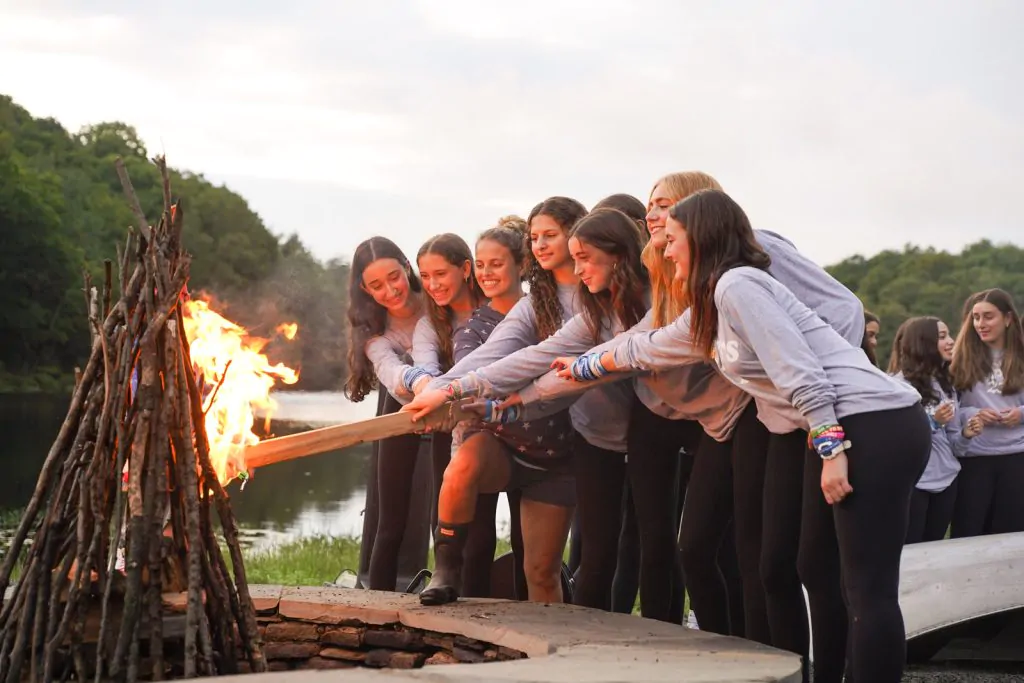
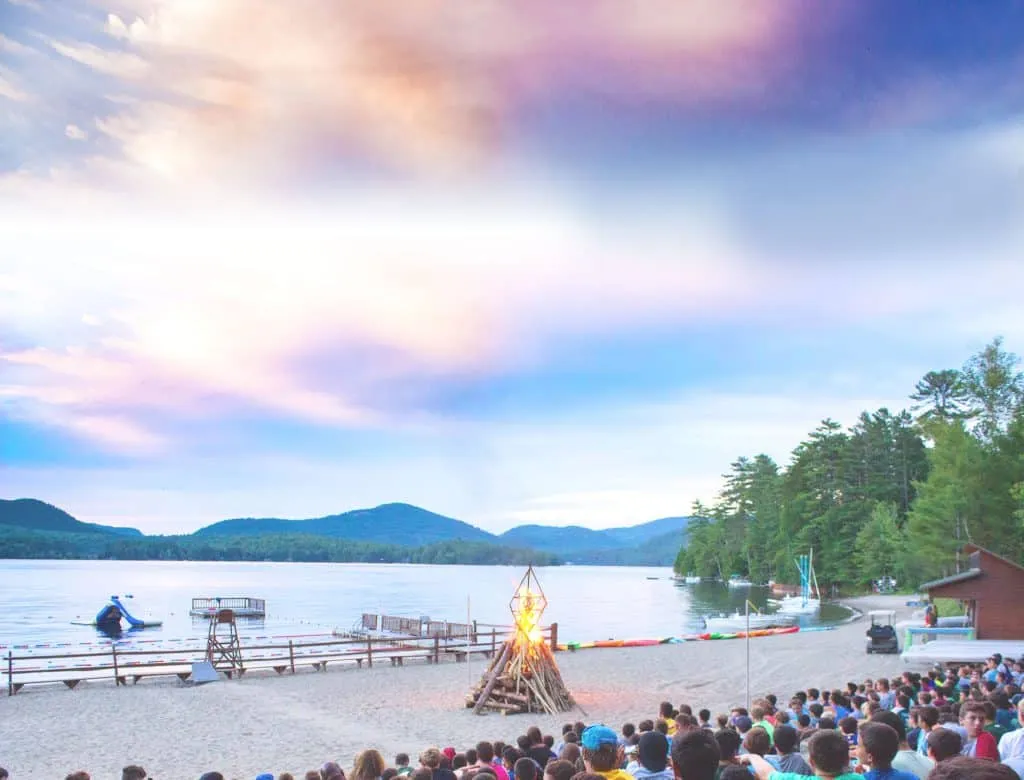
For many families, camp becomes a defining part of childhood. It’s where lifelong friendships are formed, confidence is built, and independence begins to take shape. The memories created—campfires, team challenges, late-night laughs—stay with children long after summer ends, shaping who they become in the years ahead.
What Age Groups Do Summer Camps Serve?

Most summer camps in the U.S. cater to children between ages 6 and 16, though many programs also extend to younger campers or older teens depending on the camp.
Younger campers typically participate in more structured, highly supervised activities designed to build confidence and ease them into the camp experience. Many camps also offer shorter sessions for first-time campers, helping them adjust comfortably.
Older campers often have more choice in their daily schedules and may take part in leadership programs, advanced activities, or Counselor-in-Training (CIT) programs. These experiences help teens develop responsibility, independence, and leadership skills while still enjoying everything camp has to offer.
Summer camps in the U.S. are designed to support children at every stage of development, typically ranging from early childhood through late teens.
What Types of Summer Camps Are in the U.S.?

Not all camps are the same, and understanding the different types of summer camps in the U.S. can help you make the right choice for your child.
Traditional Sleepaway Camps
These are the most well-known camps in the U.S.—and what many families picture when they think of “summer camp.” Kids stay overnight for anywhere from 2 to 8 weeks, living in cabins with other campers and counselors. Days are structured but varied, including activities like swimming, team sports, arts and crafts, hiking, and evening campfires.
Beyond the activities, sleepaway camps are known for helping children build independence. Being away from home encourages kids to develop confidence, make decisions on their own, and form strong friendships. Many parents find their children return home more mature, resilient, and socially confident.
Day Camps
Day camps are a great option for younger children or those who are not quite ready for an overnight experience. Kids attend during the day and return home each evening, making the transition into camp life more gradual and comfortable.
Across the U.S., many day camps offer high-quality facilities, structured schedules, and a wide range of activities. Some even provide transportation, making them convenient for families. These camps still deliver many of the same benefits—social development, skill-building, and fun—without requiring kids to stay overnight.
Specialty Camps
If your child has a strong passion or specific interest, specialty camps can provide a more focused and enriching experience. Instead of rotating through general activities, campers spend more time developing skills in a particular area.
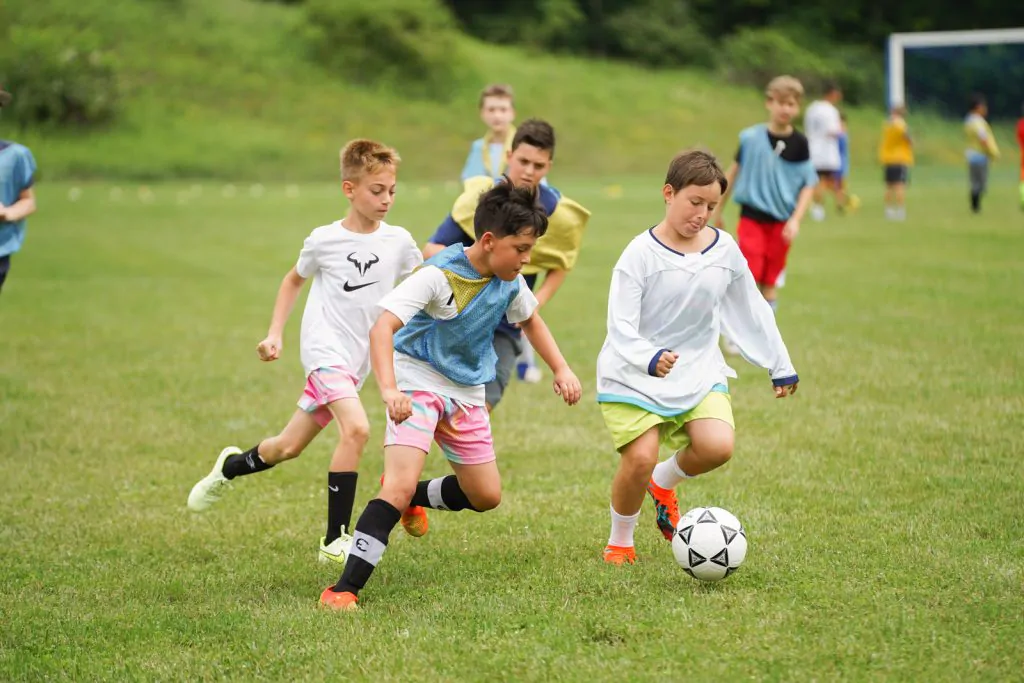
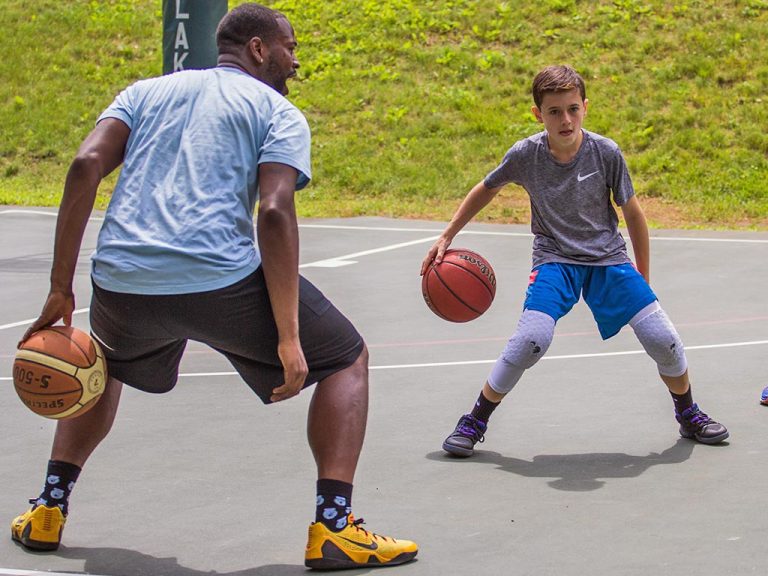
Popular specialty camps in the U.S. include sports camps (soccer, basketball, tennis), performing arts camps (theater, dance, music), equestrian programs, STEM and coding programs, outdoor adventure camps, and leadership or academic enrichment programs. These are ideal for kids who want to deepen their interests, build confidence in a specific skill, or explore a potential future passion.
Hybrid & Choice-Based Camps
Many modern camps now combine traditional structure with flexibility, offering hybrid or choice-based programs. Campers may have a core schedule but can choose certain activities based on their interests.
This approach allows children to experience a wide variety of activities while still having a sense of ownership over their day. It’s a great fit for kids who want both structure and independence.
Across the U.S., the most popular camp experiences blend elements of traditional, specialty, and choice-based programming—ensuring there’s something for every child, no matter their personality or interests.
How to Choose the Right Summer Camp

With so many options available, choosing the right camp can feel overwhelming—but it becomes much easier when you start by focusing on your child and what environment will help them thrive.
Start with Your Child
Before looking at camps, take a step back and think about your child’s personality and preferences:
- Are they ready for an overnight experience, or would a day camp feel more comfortable?
- Do they prefer structured schedules or more flexibility?
- Are they excited to try lots of activities or focus deeply on one interest?
- How do they typically handle new environments or time away from home?
- Do they thrive in large social settings or smaller, close-knit groups?
Understanding these factors will help you narrow down the types of camps that are the best fit.
Location and Setting
Consider whether you want a camp close to home or one that offers a more immersive “away” experience. Camps in more rural or nature-based settings often provide deeper outdoor experiences, while camps closer to cities may offer convenience for travel and communication.
Session Length
Camps can range from one-week sessions to full-summer programs. First-time campers often benefit from shorter stays, while returning campers may be ready for longer, more immersive experiences.
Staff Experience and Camper Support
Look for camps with trained, experienced staff and strong support systems. High camper and staff return rates, clear supervision policies, and staff training are all strong indicators of a well-run program.
Safety and Communication
Parents should feel confident in a camp’s safety protocols, including medical care, emergency procedures, and communication practices. Camps that provide regular updates, photos, or newsletters can help families feel connected throughout the summer.
Camp Culture and Values
Every camp has its own culture. Some are highly structured and achievement-focused, while others emphasize creativity, collaboration, or personal growth. Reading reviews, watching videos, or speaking directly with camp staff can help you understand what the experience will feel like for your child.
Involve Your Child in the Decision
It’s important to include your child in the decision-making process. Talk through options together, show them photos or videos, and listen to their preferences. When kids feel involved and excited about their choice, they’re far more likely to adjust quickly and have a positive experience.
Ultimately, the right summer camp is one that aligns with your child’s personality, builds their confidence, and creates an environment where they feel supported, challenged, and excited to return.
Frequently Asked Questions About the World’s Best Summer Camps
Most children start around age 5–7, but some camps offer programs as young as 3. The right age really depends on your child’s maturity, independence, and comfort in new environments. Starting with a shorter or day camp experience can help build confidence before transitioning to longer or overnight programs.
Day camps typically run 1–2 weeks, while overnight camps can last anywhere from 2 to 8 weeks. Many camps offer flexible session options, allowing families to choose what works best for their child’s readiness and schedule. First-time campers often benefit from shorter sessions before committing to longer stays.
Reputable camps follow strict safety guidelines, trained supervision, and structured environments. Many are accredited and have clear protocols for medical care, emergency situations, and daily supervision. Choosing a well-reviewed camp with experienced staff can give parents added peace of mind.
Yes—sports, arts, STEM, equestrian, and adventure camps are widely available across the U.S. These specialty camps allow children to focus on something they’re passionate about while still enjoying the social and developmental benefits of camp. They can be a great option for building confidence and skills in a specific area.
A good fit aligns with your child’s personality, interests, and readiness for the experience. Reviewing camp programs, speaking with staff, and reading parent reviews can help you get a clearer picture. When your child feels excited and comfortable with the choice, it’s usually a strong sign you’ve found the right match.
Where are the Locations of the World’s Best Summer Camps?
What are Some World-Class American Summer Camps?
- Camp Emerson in Massachusetts
- Camp Wayne For Boys in Pennsylvania
- Camp Birchmont in New Hampshire
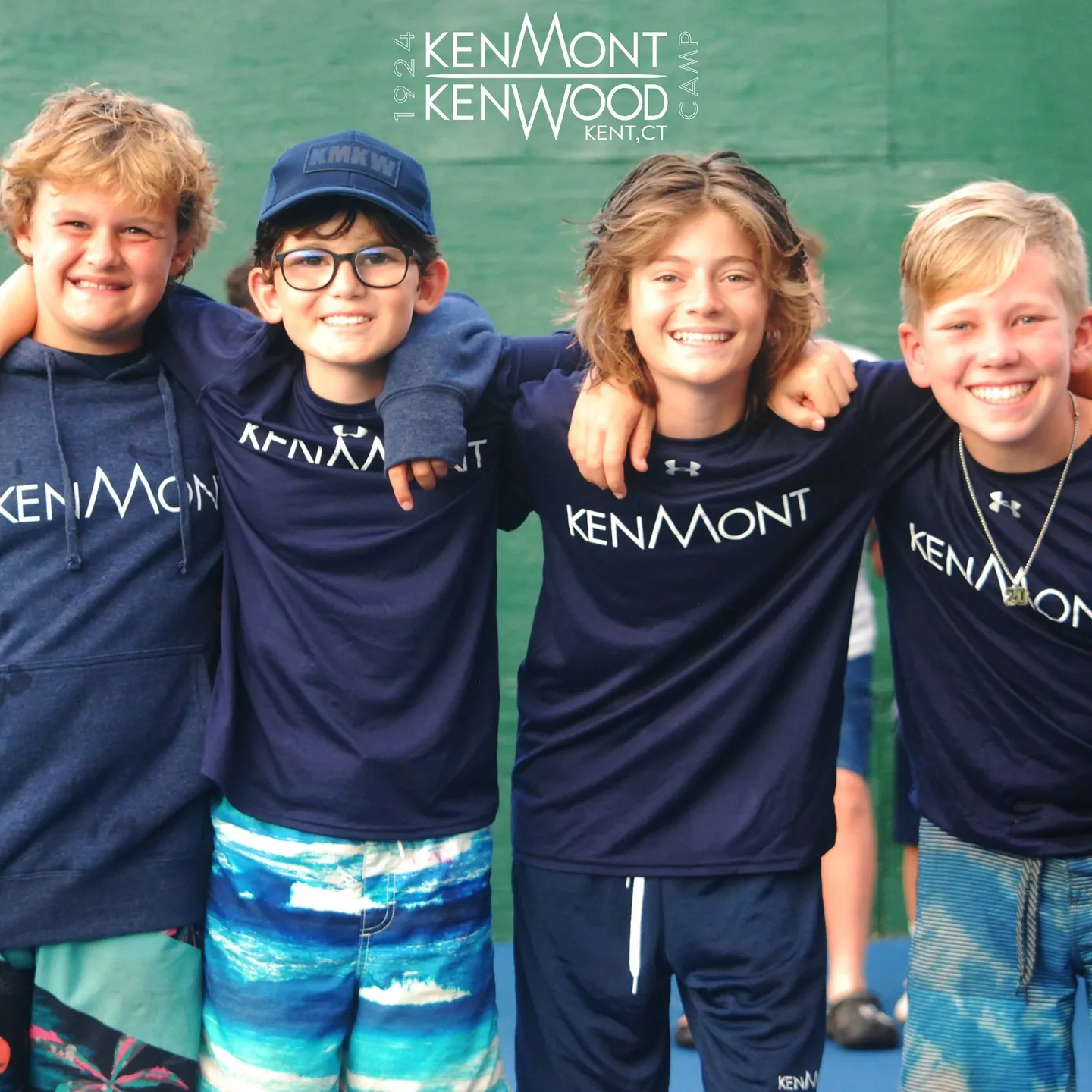
- KenMont and KenWood Camp in Connecticut
- Camp Weequahic in Pennsylvania
- Timber Lake West in New York
- Camp Watitoh in Massachusetts
- Tyler Hill Camp in Pennsylvania
- Camp Danbee in Massachusetts
- Camp Walden in New York
- Camp Laurel in Maine
- Camp Robin Hood in New Hampshire
- Blue Star Camps in North Carolina
- Laurel South in Maine
- Camp Starlight in Northern Pennsylvania
- Farm Camp in California
- Camp Pemigewassett in New Hampshire
- Brant Lake Sports Academy in New York
- Camp Mah-Kee-Nac in Massachusetts
- Camp Towanda in Pennsylvania
- Bryn Mawr Dance Camp in Pennsylvania
- Rein Teen Tours in the USA & Abroad
- Brant Lake Camp in New York
- Camp Lochearn in Vermont
- Timber Lake Camp in New York
- Camp North Star in Maine
- Camps Equinunk and Blue Ridge in Pennsylvania
- Chipinaw & Silver Lake in New York
- Mountain Camp in Northern California
- Island Lake Camp in Pennsylvania
- Camp Horseshoe in Wisconsin
- Cheley Colorado Camps in the Rocky Mountains
- Lake Bryn Mawr Camp in Pennsylvania
- Camp Med-o-lark in Maine
- Camp Wah-nee in Connecticut
- Camp North Star in Maine
- Camp Southwoods in New York
- Camp Eastwood in Maine
- Danbee Arts & Dance Camp in Massachusetts
- Academy Camps in Connecticut
- Bryn Mawr Riding Camp in Pennsylvania
- Camp Wayne for Girls in Pennsylvania
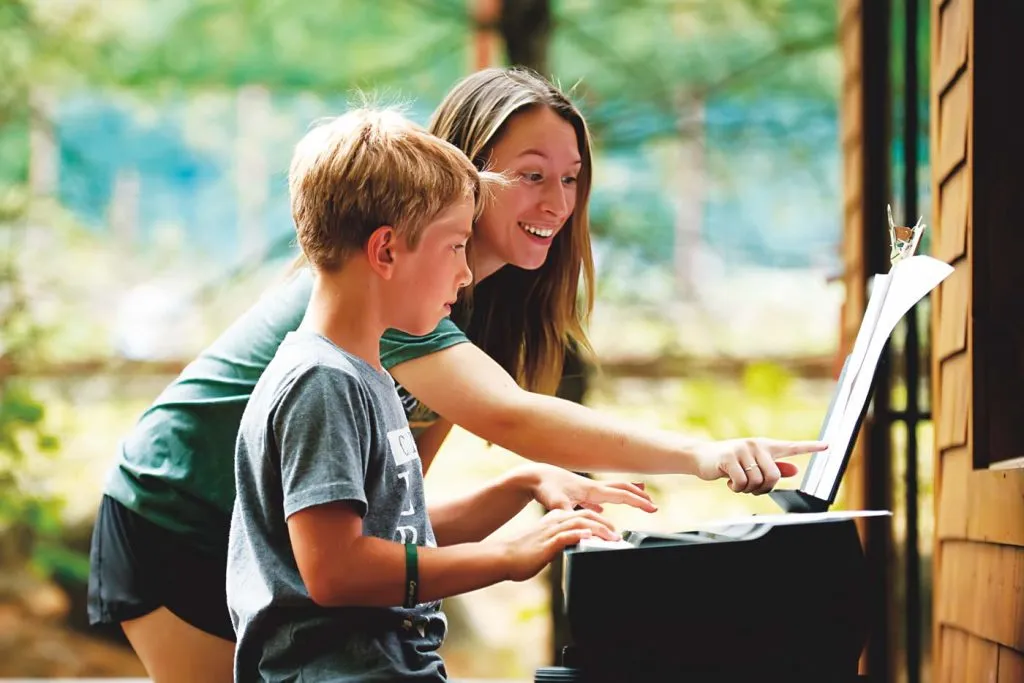
Camp Laurel
Readfield, Maine, New England
Camp Laurel in Maine stands as one of the nation’s most prestigious camps, offering top-tier instruction tailored to children’s passions while opening doors to new adventures. The camp fosters a familial yet professional atmosphere, with dedicated staff committed to impacting children’s lives positively. With a wide range of activities including sports, fine arts, adventure, and more, Camp Laurel boasts premier facilities like waterfronts, sports fields, and state-of-the-art studios. Additionally, amenities such as tennis courts, aerial parks, and theaters ensure a diverse and enriching experience for all campers.
Prepare for an unforgettable adventure at Camp Laurel! Nestled in breathtaking natural surroundings, campers dive into a whirlwind of activities from sports to arts and crafts and thrilling wilderness expeditions. Beyond the fun, forge lifelong connections with fellow staff members, cultivating friendships that last a lifetime.
Timber Lake Camp
Shandaken, New York, Catskill Mountains
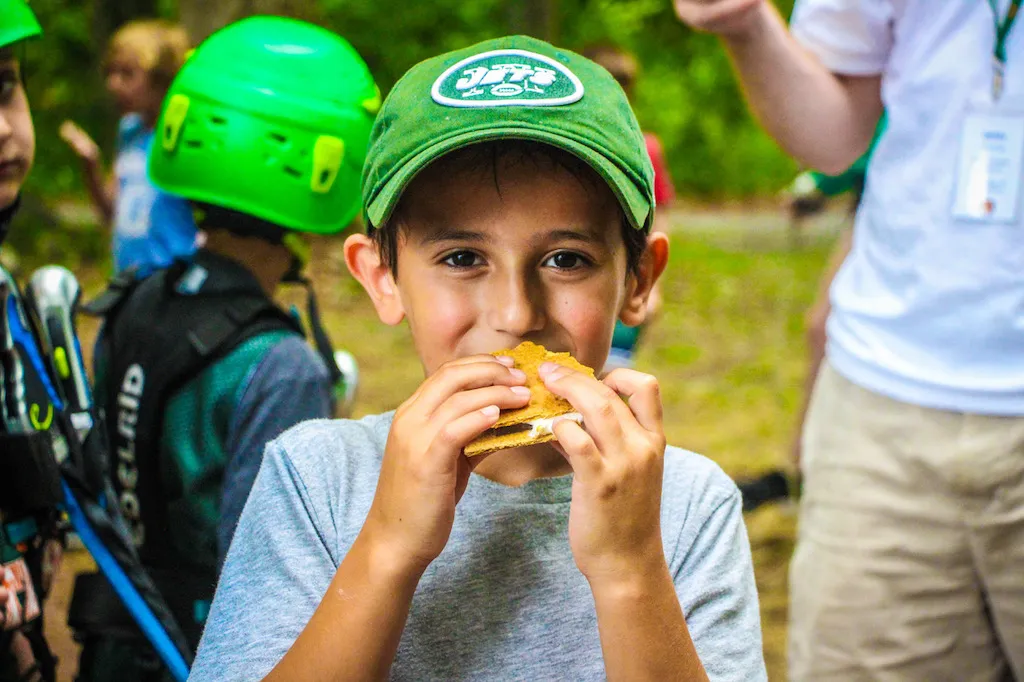
Nestled atop a mountaintop amid the breathtaking Catskill Mountains of New York, Timber Lake Camp beckons with 500 acres of pure adventure, just 2.5 hours from the vibrant pulse of New York City. As a premier co-ed camp, TLC boasts not one, but two private, spring-fed lakes, set against a backdrop of lush, landscaped grounds and an array of top-notch facilities. Renowned as one of the most spirited and respected resident camps in the Northeast, Timber Lake Camp is where memories are made and dreams take flight.
At TLC, we’re not just about fun – we’re about transformation. Our mission? To empower children with the tools they need to forge lifelong friendships, build unwavering self-esteem, and cultivate resilience that knows no bounds. From thrilling adventures to heart-pounding challenges, every moment at Timber Lake is crafted to give campers the ultimate edge in their journey to becoming confident, capable young adults. With a program rooted in safe, exhilarating play, we lay the foundation for growth that propels each child toward their full potential. Here at Timber Lake, the impact we make isn’t just for the summer – it’s a legacy that stays with our campers for a lifetime.
Camps Equinunk and Blue Ridge
Equinunk, Pennsylvania, Wayne County
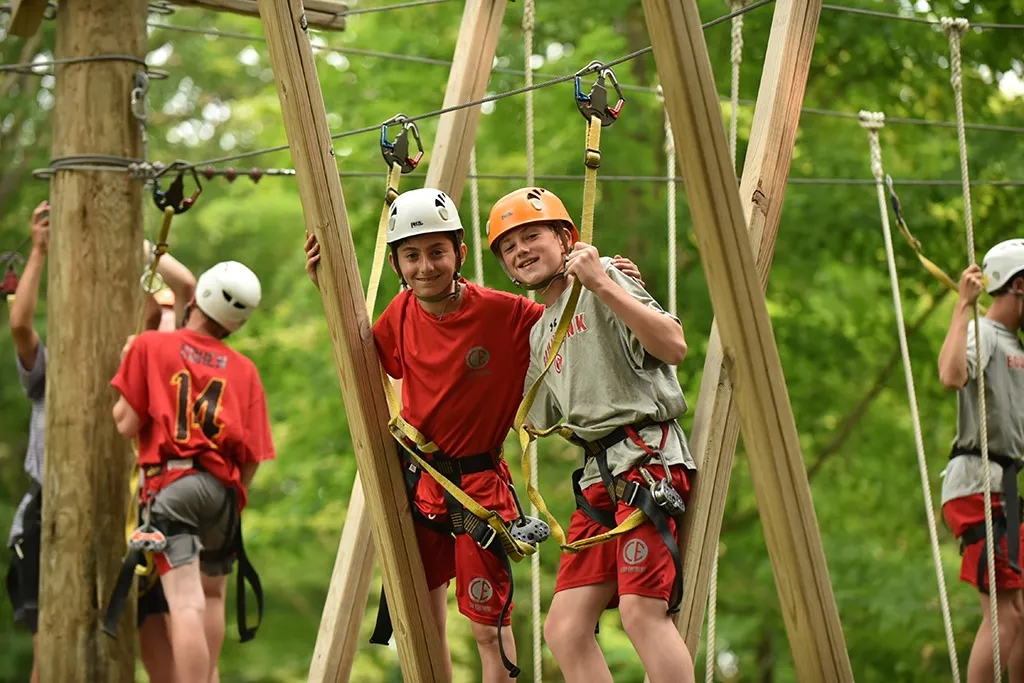
Camps Equinunk and Blue Ridge, located in Wayne County, Pennsylvania, provide an enriching brother/sister summer camp experience for children ages 6-16. With separate boys and girls campuses, EBR offers a diverse range of activities including sports, arts and crafts, adventure programs, and more, fostering friendships and personal growth in a supportive environment.
At Camps Equinunk and Blue Ridge, campers and staff alike have the chance to forge new friendships, acquire new skills, and cultivate confidence and independence. With dedicated counselors committed to creating positive and memorable experiences, campers thrive in an engaging atmosphere designed for fun and personal development. Join the excitement and create lasting memories amidst the beauty of Camps Equinunk and Blue Ridge!
Camp Birchmont
Wolfeboro, New Hampshire, New England
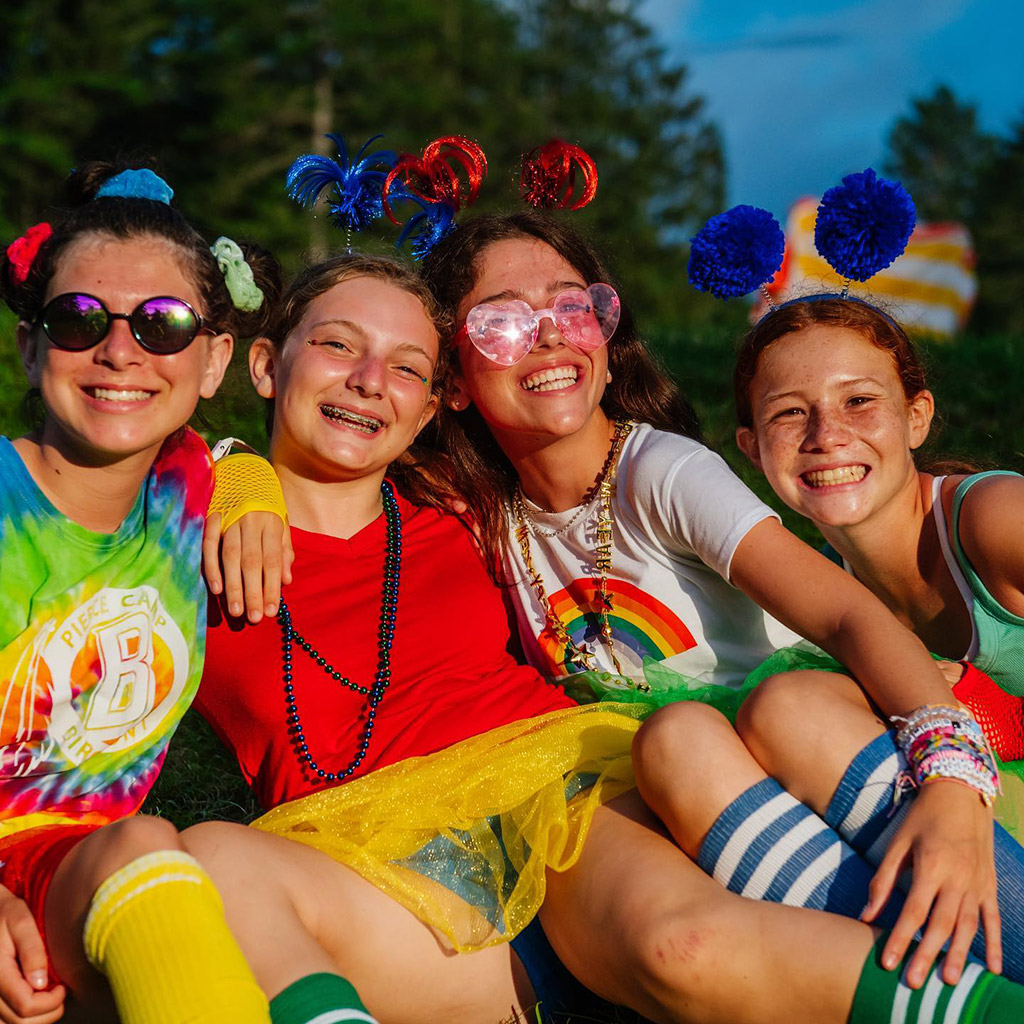
At Camp Birchmont, children embrace newfound independence within a supportive “home away from home” environment. Nestled in a stunning camp setting, Birchmont fosters a vibrant community where active participation, friendship, and new adventures thrive. With a focus on mutual respect and endless fun, Birchmont instills camaraderie and support among campers, creating lasting memories across 300 acres of summer excitement.
Joining Birchmont’s staff offers an exceptional camper-to-counselor ratio, ensuring personalized attention and guidance for every child. With roughly one staff member for every three campers, along with support from a seasoned supervisory team, counselors embark on a summer adventure filled with care, wisdom, and unforgettable experiences.
Cheley Colorado Camps
Estes Park, Colorado, Rocky Mountains
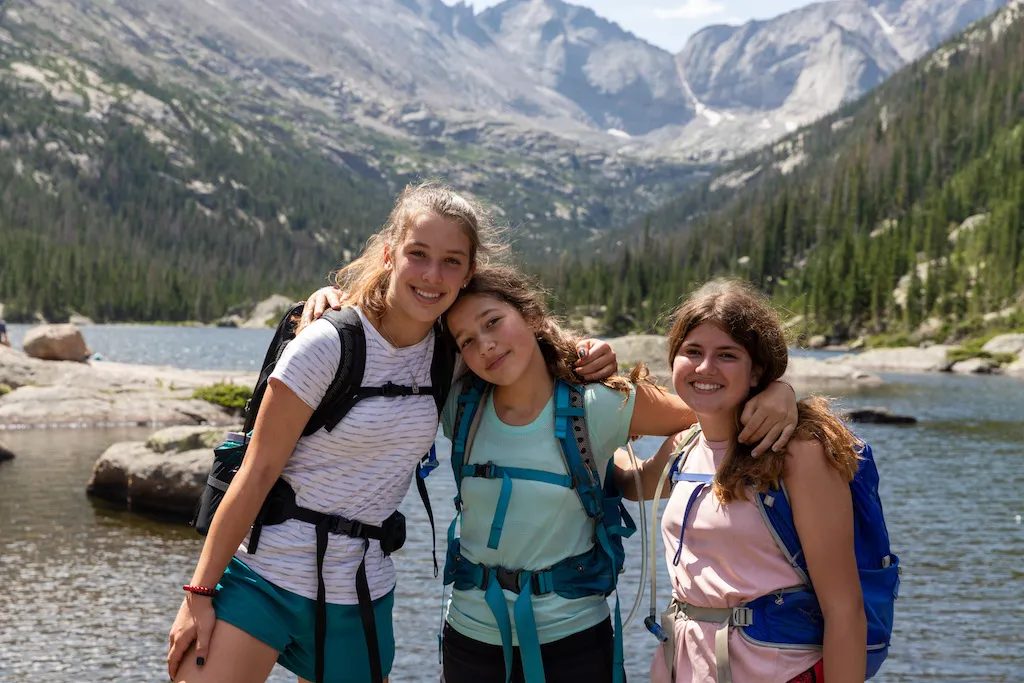
Nestled amidst the majestic Rocky Mountains in Estes Park, Colorado, Cheley Colorado Camps stands as a beacon of excellence in the world of summer camps. For over a century, Cheley has been owned and operated by the same devoted family, offering an unforgettable summer experience for boys and girls aged 9 to 17. From thrilling activities like hiking, horseback riding, and technical climbing to serene pursuits like crafts and stand-up paddle boarding, Cheley provides a diverse array of adventures for campers to discover.
Immersed in the breathtaking beauty of nature, time spent away from home at Cheley offers invaluable opportunities for personal growth and development. Amidst the splendor of the Rockies, campers cultivate judgment, insight, and skills that lay the foundation for a joyful and meaningful life. Summer camp is not only a time for friendship and fun but also a chance to embrace physical challenges and embark on exhilarating adventures that foster a deep connection with nature. According to campers, Cheley is truly transformative, instilling a sense of groundedness, focus, and involvement in life. Living amidst mountain peaks and ancient rocks, surrounded by towering ponderosa pines, campers emerge feeling more alive, connected, and in touch with their best selves.
Mountain Camp
Pollock Pines, California, near Lake Tahoe
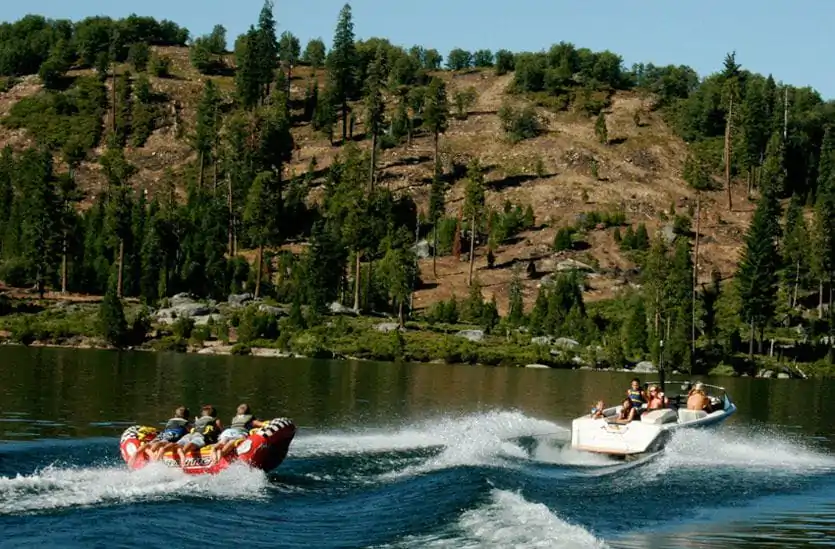
Mountain Camp is a co-ed summer overnight camp for children entering 2nd through 12th grades, recognized as one of California’s premier summer camps. Nestled near Lake Tahoe on the picturesque shore of Ice House Lake in the Eldorado National Forest, the camp provides a unique, technology-free environment designed to foster personal growth and connection. With a non-competitive program that emphasizes fun and safety, Mountain Camp helps children build independence and form lasting friendships while exploring the great outdoors.
The camp’s approach focuses on teaching critical Social Emotional Learning (SEL) skills, such as self-reliance, resourcefulness, collaboration, and communication. Through creative activities, problem-solving challenges, and opportunities for exploration and play, campers develop skills that experts consider essential for future success. Mountain Camp’s outdoor setting encourages children to disconnect from screens and immerse themselves in active, hands-on experiences, learning lifelong outdoor skills along the way.
Mountain Camp believes these experiences are vital to the education and development of children. By fostering laughter, friendships, and unforgettable memories, the camp strives to provide children with lessons and values that will stay with them throughout their lives.
Next: Find a Camp for Summer 2025 | Work at camp: Summer 2025 Jobs