

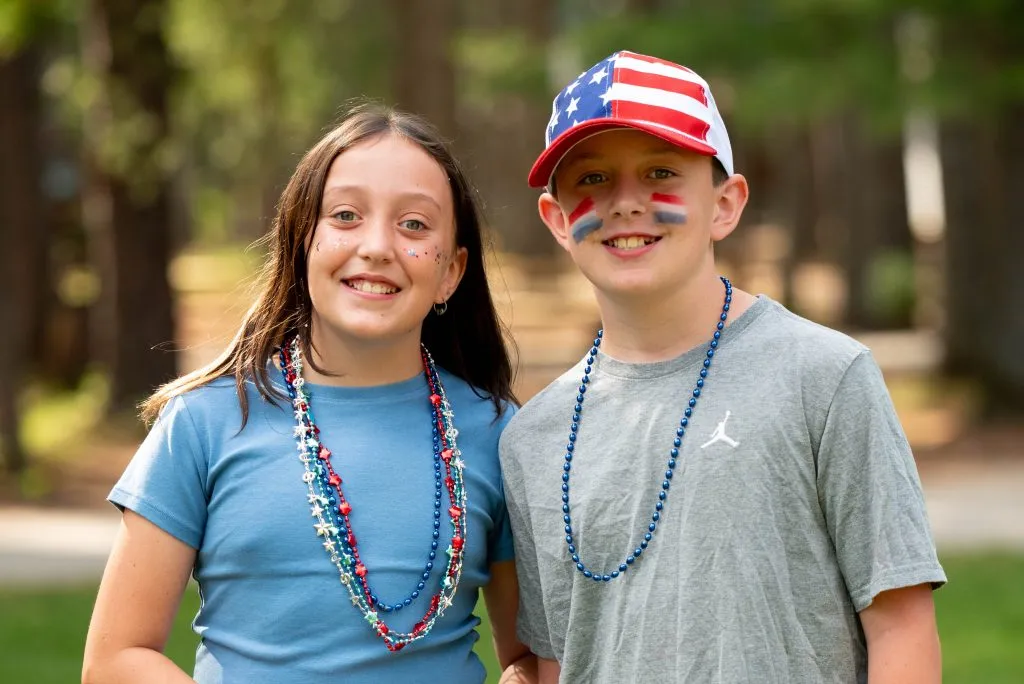
Brother/sister sleepaway camps give children the opportunity to enjoy separate boys’ and girls’ programs while belonging to a connected camp community. Campers develop their own friendships and routines, then come together for shared experiences that might include meals, evening programs, or special events.
Enter your Email Address for personalized recommendations and summer camp resources.
For families with siblings, this arrangement can give each child space to build their own friendships and explore their interests while still sharing a connection to camp. A brother and sister might spend the day with their own activity groups, then see each other at a shared meal or special event. Each comes home with their own stories, along with experiences they can look back on together.
Children attending without a sibling are equally welcome. The brother/sister format gives campers a smaller community to settle into, with its own routines and traditions, plus opportunities to get to know boys and girls through shared camp experiences. How often those communities come together varies, which makes understanding each camp’s approach an important part of the search.
This guide explains how brother/sister camps work, how they differ from coed camps, and what to consider when choosing one for your child.
2027 Summer Camp Spotlight:
Camp Starlight, Brother/Sister Sleepaway Camp in Pennsylvania

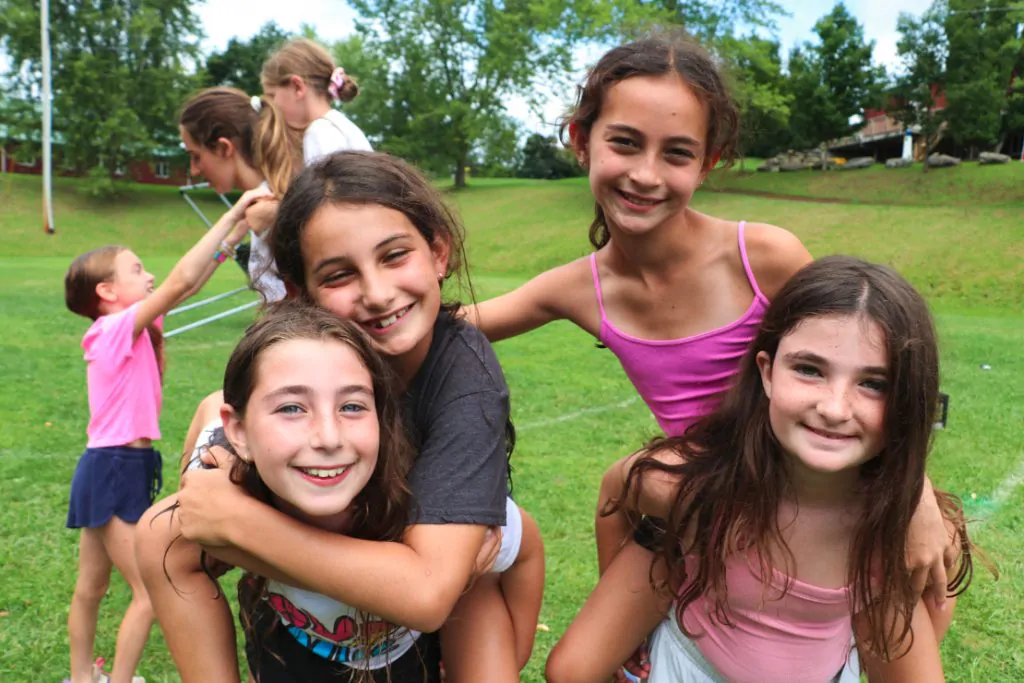
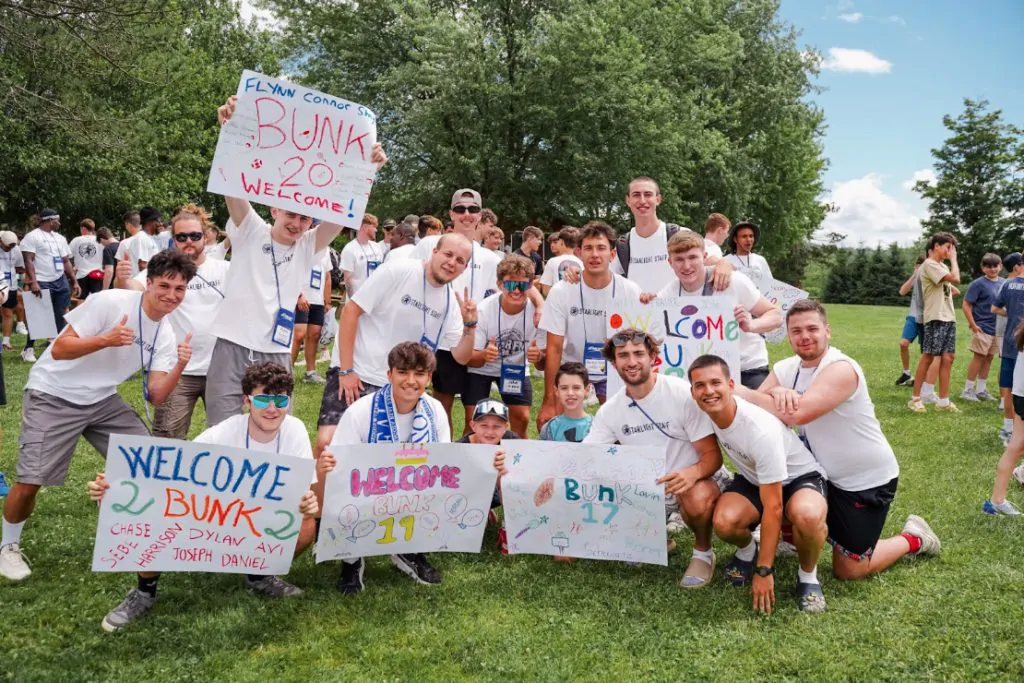
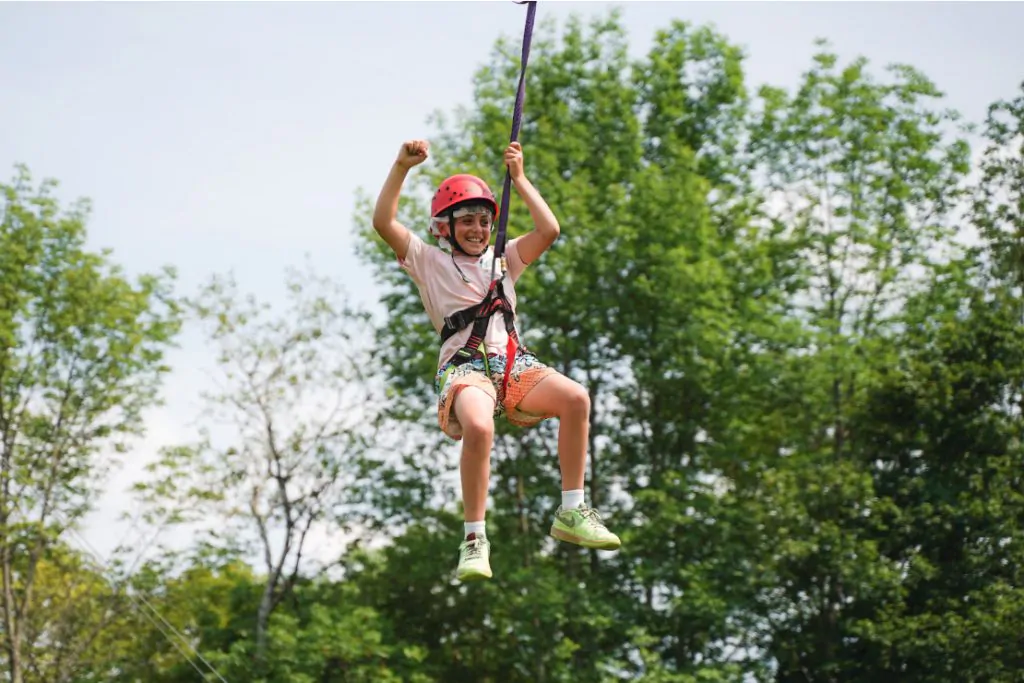
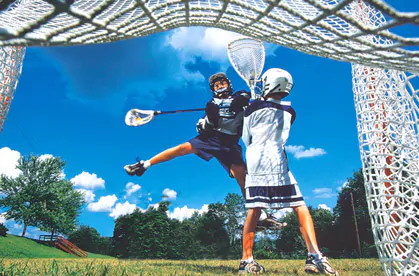

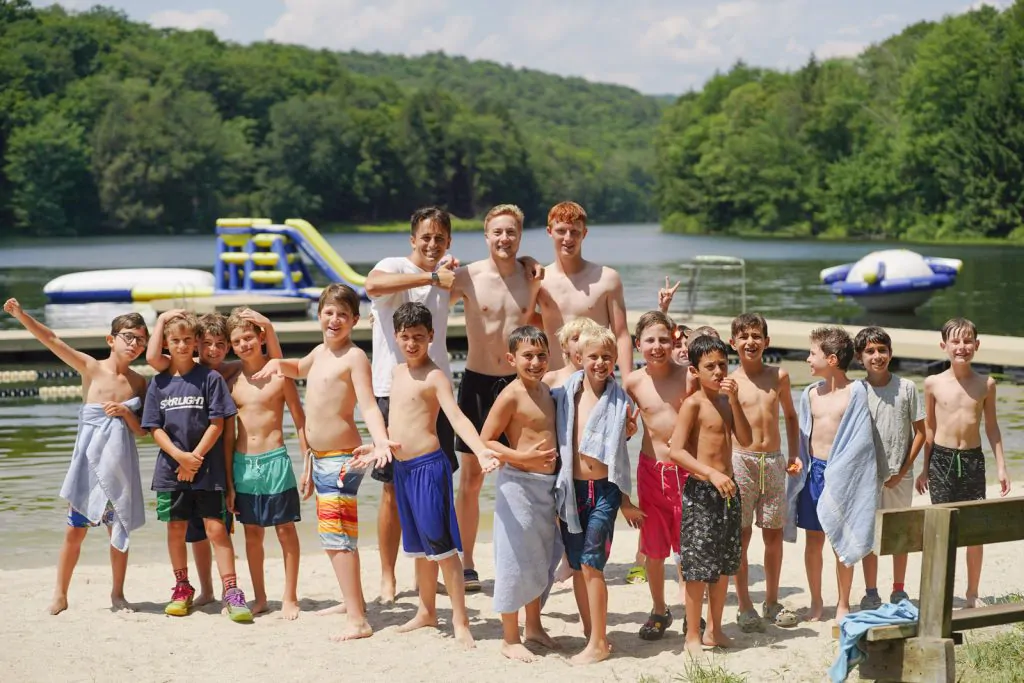
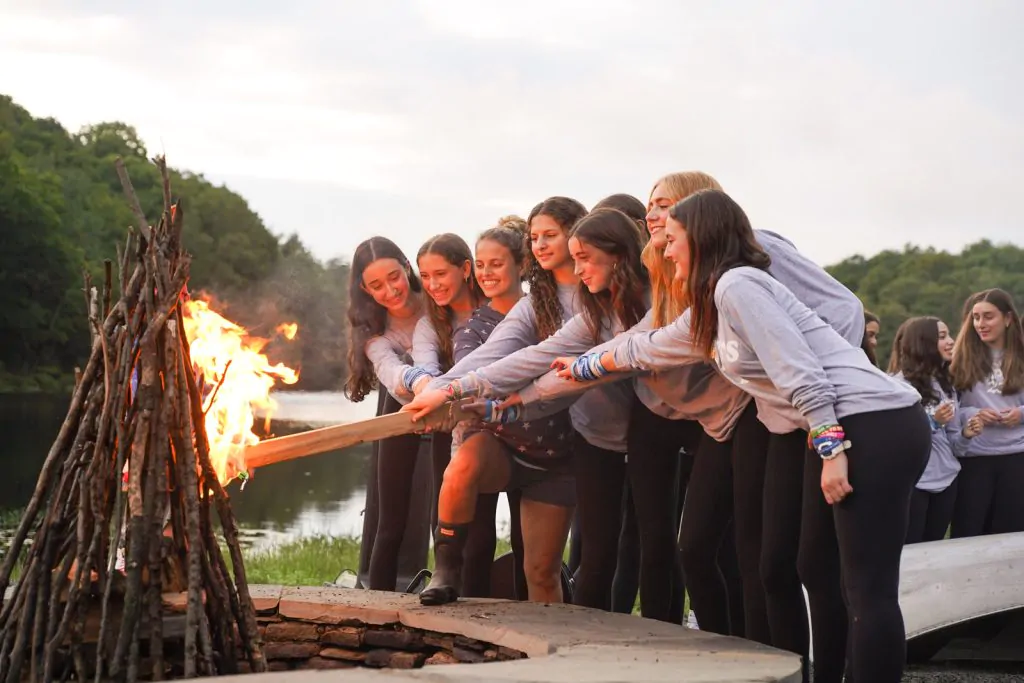
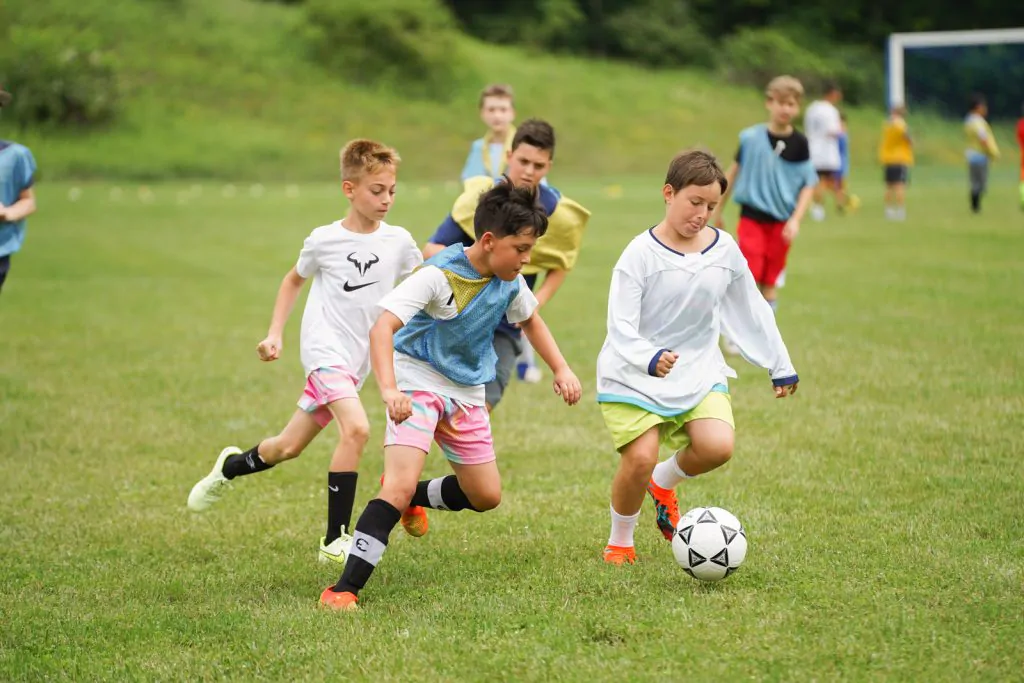
Camp Starlight is a traditional brother/sister sleepaway camp on 385 acres in northeastern Pennsylvania. With a private lake and a full-summer program, Starlight gives boys and girls separate daytime experiences while bringing them together for meals, evening programs, and special events.
This balance is central to life at Starlight. Campers build friendships within their own groups while enjoying regular opportunities to connect with the wider camp community. For siblings, it offers a way to share the summer while each develops their own friendships and routines.
For families seeking a brother/sister camp in Pennsylvania, Starlight is worth exploring for its combination of separate daily programs, shared traditions, and a full summer in a lakeside setting.
What is a Brother/Sister camp?
A brother/sister camp is an overnight camp arrangement with affiliated boys’ and girls’ programs. Campers generally have separate living areas and daily activities, with planned opportunities to come together. The programs may share one property or occupy nearby campuses, and the amount of shared time varies by camp.
Your child does not need a brother or sister to attend. The name describes the relationship between the boys’ and girls’ programs, rather than a requirement that children enroll with siblings. KenMont and KenWood, for example, explicitly welcome campers attending without a sibling.
The arrangement can look different from one camp to another. At Camp Starlight, boys and girls have separate daytime activities but gather for meals and many evening programs. At KenMont and KenWood, most of the experience takes place within separate camps, with selected celebrations and events bringing everyone together.
Understanding those differences can help you choose the experience that best suits your child.
How are Brother/Sister Camps Different from Coed Camps?
The main difference between brother/sister camps and coed camps is how the daily program is organized. Brother/sister camps generally have separate boys’ and girls’ programs, often with their own schedules and traditions. Campers live in separate cabins, living areas, or nearby campuses, then come together for planned experiences such as meals, evening programs, performances, or special events.
Coed camps typically bring boys and girls together more frequently throughout the day. Activities and community events often include mixed groups, although schedules may still vary by age, cabin, or activity. Sleeping accommodations are generally separate at both types of camp, so the distinction has more to do with how campers spend their days than where they sleep.
Camp terminology varies, and these categories can overlap. Ask directors to walk you through a typical day, including which activities, facilities, and events boys and girls share. Those details will help you understand the experience your child can expect.
Why choose a Brother/Sister Sleepaway Camp?

A brother/sister sleepaway camp can appeal to families who want the close friendships and routines of a single-gender program alongside opportunities to participate in a wider camp community.
Children spend much of their time getting to know their cabinmates and activity groups. Shared events then give them opportunities to meet other campers, enjoy performances, or take part in traditions that bring both programs together.
For siblings, the arrangement can offer a balance of familiarity and independence. Children may feel reassured knowing a brother or sister is nearby while still having room to make their own friends. Families may also find it easier to coordinate travel and session dates, depending on how the camps operate.
Reasons families consider brother/sister camps include:
- Separate boys’ and girls’ programs with their own friendships and traditions.
- Shared meals, celebrations, or activities that connect the wider community.
- Opportunities for siblings to attend nearby while having individual experiences.
- A range of activities that allows children to explore different interests.
- Potentially simpler travel and scheduling when enrolling more than one child.
The appeal extends to children attending alone. A camper does not need a sibling nearby to enjoy the friendships, activities, and community this format can provide.
What makes a Great Brother/Sister Sleepaway Camp?
A great brother/sister camp has a welcoming culture, thoughtful programming, and staff who take time to know each child. The connection between the boys’ and girls’ programs should be clear, while each program should provide a rewarding experience on its own.
A strong camp culture
Camp culture develops through everyday interactions as well as traditions. How counselors welcome a new arrival, how cabinmates include one another, and how staff respond to friendship challenges all shape a child’s experience.
Traditions such as campfires, team competitions, performances, and special celebrations give campers something to anticipate and participate in together. At a brother/sister camp, some traditions may belong to each program individually, while others bring both communities together.
Look for a camp that can explain how new children become part of those traditions, including campers arriving without siblings or friends.
A wide range of activities
A strong program gives children opportunities to enjoy familiar interests and try something new. Activities may include team sports, swimming, boating, creative arts, outdoor adventure, and performances.
Some camps follow a set group schedule, while others allow campers to choose more of their activities. Boys and girls may use shared facilities at different times or have separate activity areas.
If you are enrolling siblings, review the options available to each child. Affiliated programs may share a philosophy while offering different schedules or specialties. Each child should be able to find activities they feel excited about.
Experienced staff and thoughtful supervision
Parents should understand who will care for their child and how staff support campers throughout the day. Ask about counselor training, cabin supervision, healthcare, homesickness support, and communication with families.
Brother/sister camps also need clear arrangements for shared events and movement between campuses or activity areas. Directors should be able to explain how these experiences are supervised and who parents should contact with questions.
For children attending with siblings, counselors remain the adults responsible for helping them settle in. An older sibling should have room to enjoy their own summer without feeling responsible for a younger child’s adjustment.
Opportunities for independence
Overnight camp gives children daily opportunities to practice doing things for themselves. They keep track of belongings, follow routines, make activity choices, and learn to ask for help when they need it.
A brother/sister arrangement can allow siblings to practice that independence while maintaining a familiar connection. Each child has their own cabin group, counselors, and experiences to share when they meet.
Children attending alone have the same opportunities to develop confidence through everyday responsibilities and relationships with trusted adults.
Benefits of Brother/Sister Sleepaway Camps for Personal Growth
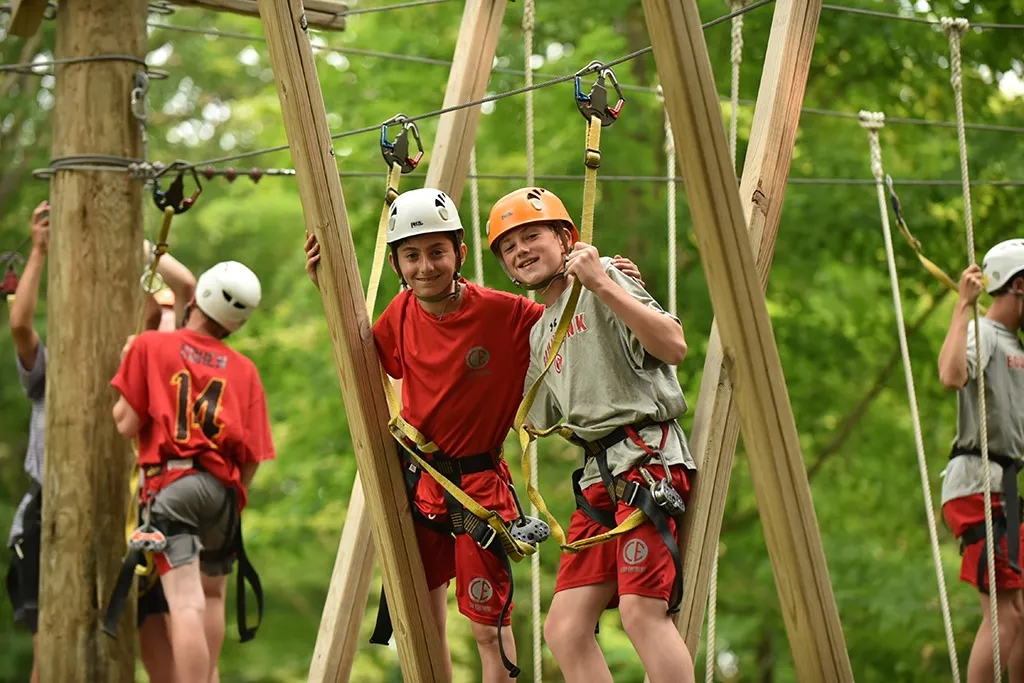
Brother/sister camps provide opportunities to practice independence and build relationships through both separate programs and shared experiences. As with any overnight camp, the quality of the staff, activities, and community matters more than the label alone.
Cabin life gives children practice sharing space, listening to others, and working through disagreements. They learn how to join a group, include someone new, and speak up when something is bothering them. Counselors can help guide those interactions as campers become more comfortable with one another.
Activities offer another kind of growth. A child might work toward swimming farther, learn a new art technique, or take part in a performance for the first time. Progress often comes through repeated effort, encouragement, and the chance to try again after a difficult day.
Shared events can help campers become comfortable with people outside their usual groups. Preparing for a performance or participating in a camp celebration gives them a reason to cooperate and get to know one another.
For siblings, separate daily experiences can also create space to develop interests without comparing themselves to each other. Each child gets to be known by their own friends and counselors while still having opportunities to share parts of the summer.
How to Choose the Right Brother/Sister Summer Camp
Choosing the right brother/sister camp starts with your child’s interests, personality, and readiness for overnight camp. Consider the activities they enjoy, how much structure suits them, and the session length they would feel comfortable trying.
Then look closely at how the boys’ and girls’ programs connect. Some families prefer mostly separate experiences with occasional shared events. Others want regular opportunities for boys and girls to interact. A sample schedule can help you understand that balance.
Before choosing a camp, ask questions like:
- What ages and session lengths does each program offer?
- Which activities take place separately, and which are shared?
- Do boys and girls eat together?
- How far apart are the living areas or campuses?
- How much choice do campers have in their daily schedules?
- How does the camp welcome children arriving without siblings or friends?
- How often can siblings see each other, and who arranges those visits?
- What training do counselors receive?
- How does the camp handle homesickness and friendship challenges?
- Who should parents contact about their child during the summer?
If you are enrolling siblings, consider each program individually. Talk with both children about what they hope to do and how often they expect to see each other. One may imagine daily visits, while the other expects occasional time together.
Also compare tuition, travel arrangements, communication policies, and accreditation. Related camps may have different enrollment procedures or session options, so confirm the details for each child.
For more help evaluating camp fit, read our guide to choosing the right summer camp for your child.
Are Brother/Sister Sleepaway Camps Right for Every Camper?
Brother/sister camps can be a good fit for children who enjoy a separate boys’ or girls’ program with opportunities to join a broader community. Other children may prefer a more integrated coed schedule, an entirely single-gender camp, or a specialty program built around a particular interest.
Think about the daily experience your child would enjoy. Are they excited about the activities? Do they like the balance of group routines and individual choice? How do they feel about the session length and living away from home?
For siblings, attending affiliated camps can work well, but it should make sense for each child. Give both children room to share their preferences. Being siblings does not mean they need the same kind of summer.
The goal is to find a camp where your child feels welcome, interested, and ready to participate.
Find the Right Brother/Sister Sleepaway Camp for Your Family
Understanding how a brother/sister camp organizes daily life will help you look beyond the label and picture your child’s experience. Compare the activities, get to know the directors, and ask how campers build friendships within their own programs and across the wider community.
American Summer Camps can help you explore brother/sister sleepaway camps and learn more about the available options. Find a summer camp and use the Brother/Sister filter to begin your search.
Frequently Asked Questions About Brother/Sister Sleepaway Camps
A brother/sister sleepaway camp has affiliated boys’ and girls’ programs, often on one property or nearby campuses. Campers generally have separate living areas and many separate activities, with planned opportunities to come together for meals, evening programs, or special events.
No. Children can attend without a brother or sister. The term describes how the boys’ and girls’ programs are connected. Campers join cabin groups and participate in camp life regardless of whether they have a sibling enrolled.
Brother/sister camps generally organize more of daily life into separate boys’ and girls’ programs. Coed camps typically include more mixed activities. Both usually have separate sleeping accommodations. Ask each camp which parts of its schedule are separate and which are shared.
Many offer sports, swimming, boating, arts, outdoor adventure, and special events. Activities and scheduling vary between camps and may differ between affiliated programs. Review the options available to your child and ask how much choice campers have.
It depends on the camp. Some arrange regular sibling visits, while others provide opportunities during shared meals or events. Ask how meetings are scheduled and supervised, and what happens if a child requests additional time with a sibling.
They can be, depending on the child and the program. Consider session length, counselor support, and how new arrivals are welcomed. Having a sibling nearby may feel reassuring, but each child should also feel comfortable developing friendships and asking staff for help.
Compare activities, staff, camp culture, session length, location, and cost. Ask how separate programs and shared experiences fit together. If you are enrolling siblings, evaluate each program individually so both children have an experience that suits their interests and needs.
Some of the Best Brother/Sister Sleepaway Camps in the U.S.
The camps below represent a range of classic brother/sister overnight camp experiences across the United States. This list is not meant to be a strict ranking. Instead, it highlights standout brother/sister camps with strong traditions, meaningful programs, and a reputation for helping campers grow.
Camp Starlight
Starlight, Pennsylvania
Camp Starlight is a full-summer brother/sister sleepaway camp in northeastern Pennsylvania. Set on 385 acres with a private lake, Starlight gives boys and girls separate daytime programs while bringing them together for meals, evening activities, and special events.
This arrangement allows campers to develop friendships within their own groups while enjoying the traditions and energy of a larger camp community. Shared experiences are a regular part of the summer, giving boys and girls opportunities to connect throughout their time at camp.
For families looking for a traditional Pennsylvania sleepaway camp, Starlight offers a balance of separate daily activities and shared camp life.
KenMont & Kenwood
Kent, Connecticut, New England
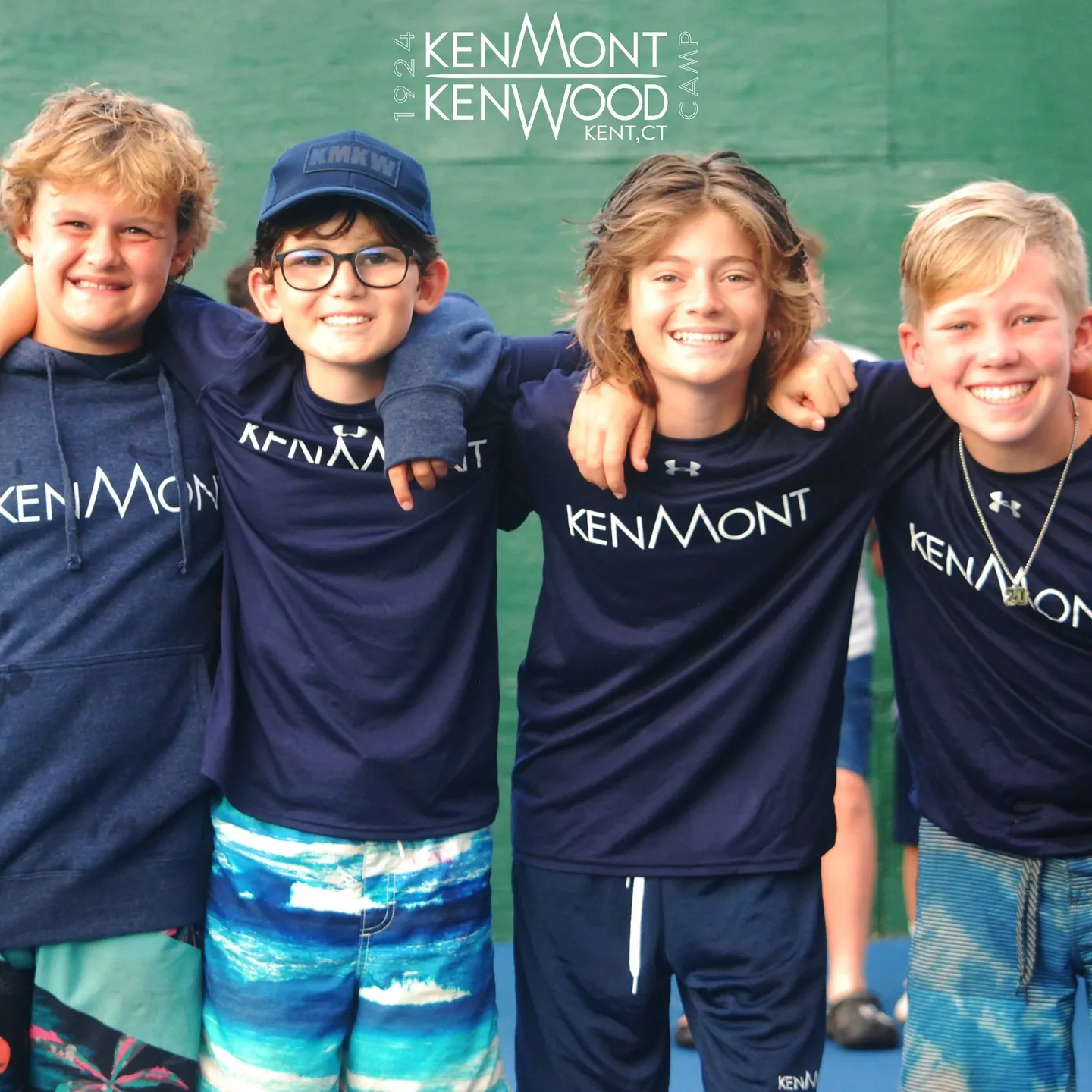
KenMont for Boys and KenWood for Girls are brother/sister sleepaway camps on the same property in Kent, Connecticut. The camps share leadership and a common philosophy, while each has its own staff, facilities, programs, and traditions.
Most of the experience takes place within the separate boys’ and girls’ communities. Selected events, including theater presentations, Fourth of July celebrations, and supervised socials, bring the camps together throughout the summer. Children can attend with a sibling or arrive on their own and become part of their camp’s community.
KenMont and KenWood may be especially appealing to families who want a predominantly single-gender camp experience with opportunities for boys and girls to connect.
Camps Equinunk & Blue Ridge
Equinunk, Pennsylvania
Camp Equinunk for Boys and Camp Blue Ridge for Girls are full-season brother/sister sleepaway camps surrounding Union Lake in Pennsylvania. With a history dating to 1920, the camps combine distinct boys’ and girls’ communities with shared traditions and events.
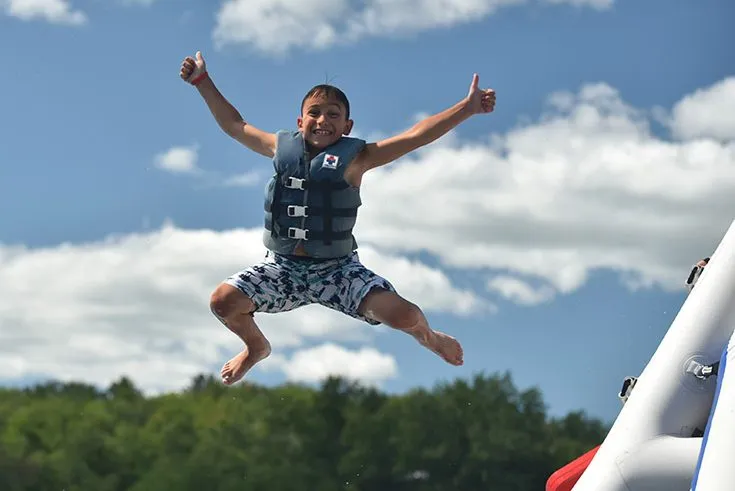
Campers participate in separate daily programs that include athletics, waterfront activities, arts, and outdoor adventure. Evening programs and weekend special events bring the two campuses together, giving children opportunities to build friendships beyond their regular activity groups.
For families seeking a traditional full-summer camp experience, Equinunk and Blue Ridge offer separate camp identities within a connected lakeside community.
Next: Find a Camp for Summer | Work at camp: Summer Camp Jobs
