

Summer camps in Florida include traditional overnight camps, day camps, marine science and water sports programs, and specialty camps focused on sports, arts, and STEM. Families can compare coastal and inland settings, then narrow their choices by camper age, session length, daily schedule, and budget.
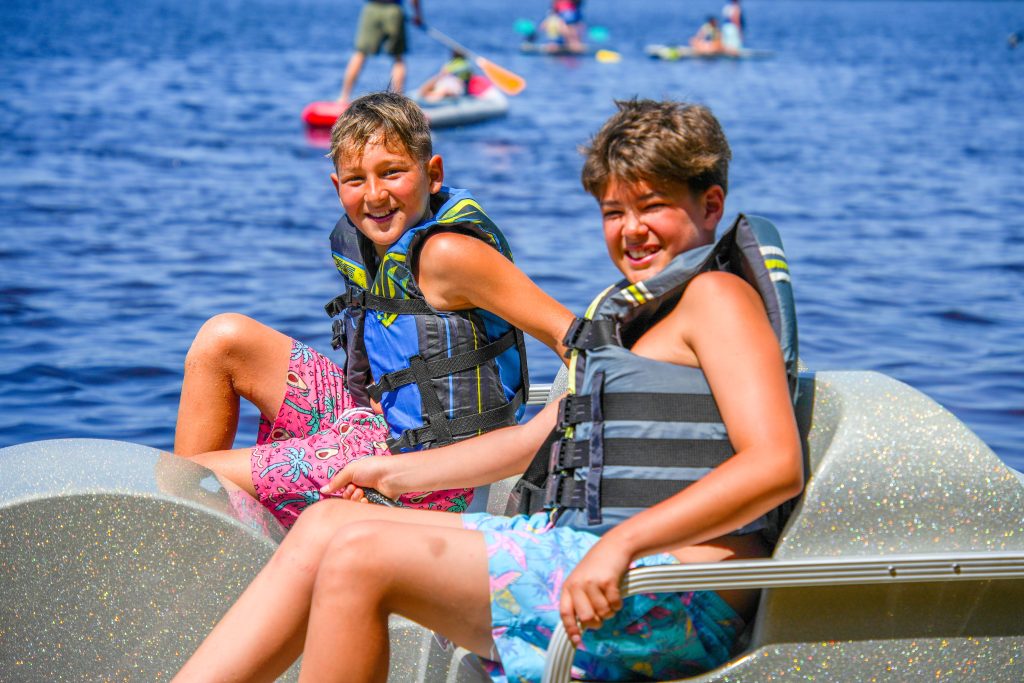
Florida’s waterways give summer camp a character of its own. Children might learn to paddle on an inland lake, explore coastal habitats, or discover what lives beneath the surface during a marine science activity. Across the state, summer camps in Florida also bring children together for sports, creative projects, outdoor games, and the everyday fun of spending time with a familiar group of friends.
Families have plenty of directions to explore. A lakeside sleepaway camp can offer a week of cabin life and outdoor activities, while a neighborhood day program keeps summer adventures close to home. For children with a particular interest, specialty camps create time to work on a skill or explore a subject beyond what the school year allows.
This guide looks at Florida’s camp regions, the kinds of programs available, and the questions that can help you find a good fit.
What makes summer camps in Florida different?
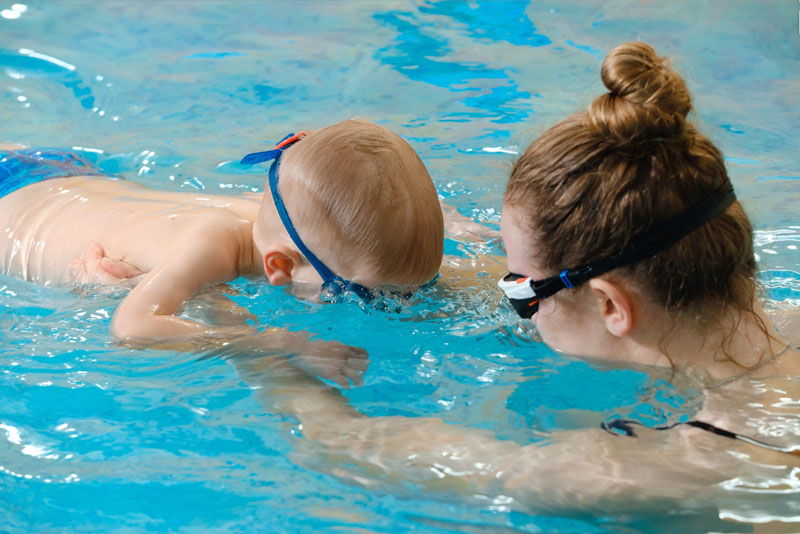
Water can play a big part in the Florida camp experience, but “waterfront activities” can mean several different things. One camp may have swimming lessons in a pool. Another might introduce children to canoeing on a lake, sailing, or studying marine habitats along the coast.
Florida’s coastal environments also give some programs a distinctive educational focus. In the Florida Keys, for example, marine science programs use habitats such as mangroves, seagrass areas, and coral reefs to help campers explore ocean life firsthand.
There is plenty to explore inland, too. Families can find traditional camp settings away from the beach, along with community programs where children spend their days making art, playing games, or investigating a science question.
As you compare options, look at how the setting shapes the schedule. Does a coastal camp spend most days on the water? Does an inland program include regular swimming? The answers will tell you more about your child’s experience than a location alone.
What types of summer camps are available in Florida?
Traditional overnight camps
Florida sleepaway camps give children time to settle into a community away from home. Activities are part of the appeal, but so are meals with a cabin group, evening games, and the routines that gradually become familiar over a session.
Look for a program whose pace suits your child. Some overnight camps organize activities around age groups, while others allow more individual choice. Ask how campers spend a typical day and how counselors help children who are new to sleeping away from home.
Accommodations deserve a closer look as well. Find out where campers sleep, what the living spaces are like, and how downtime fits between activities.
Day camps
Day camps can help families build a summer routine around work schedules while giving children something to look forward to each morning. Programs may combine sports, crafts, swimming, and outings or follow a different theme each week.
Compare the full day, including drop-off, pickup, meals, and extended care. If the camp takes field trips, ask how often children leave the main site and whether transportation and admission are included.
For younger children, familiarity can be useful. Ask whether campers stay with the same counselors and group throughout the session.
(Not sure which option fits your child? Explore our guide to day camp vs. overnight camp to compare the experiences and find the right fit for your family.)
Marine science and water sports camps
For a child who loves the ocean, a marine science camp can turn curiosity into hands-on exploration. Programs may include observing marine organisms, learning about coastal ecosystems, or spending time on the water as part of a lesson.
Water sports programs have a different emphasis, with more time devoted to activities such as sailing or paddling. Some camps combine recreation and science, so check how much of the schedule goes toward each.
Before enrolling, confirm swimming requirements, beginner instruction, and which activities are available to your child’s age group.
Sports, arts, and STEM camps
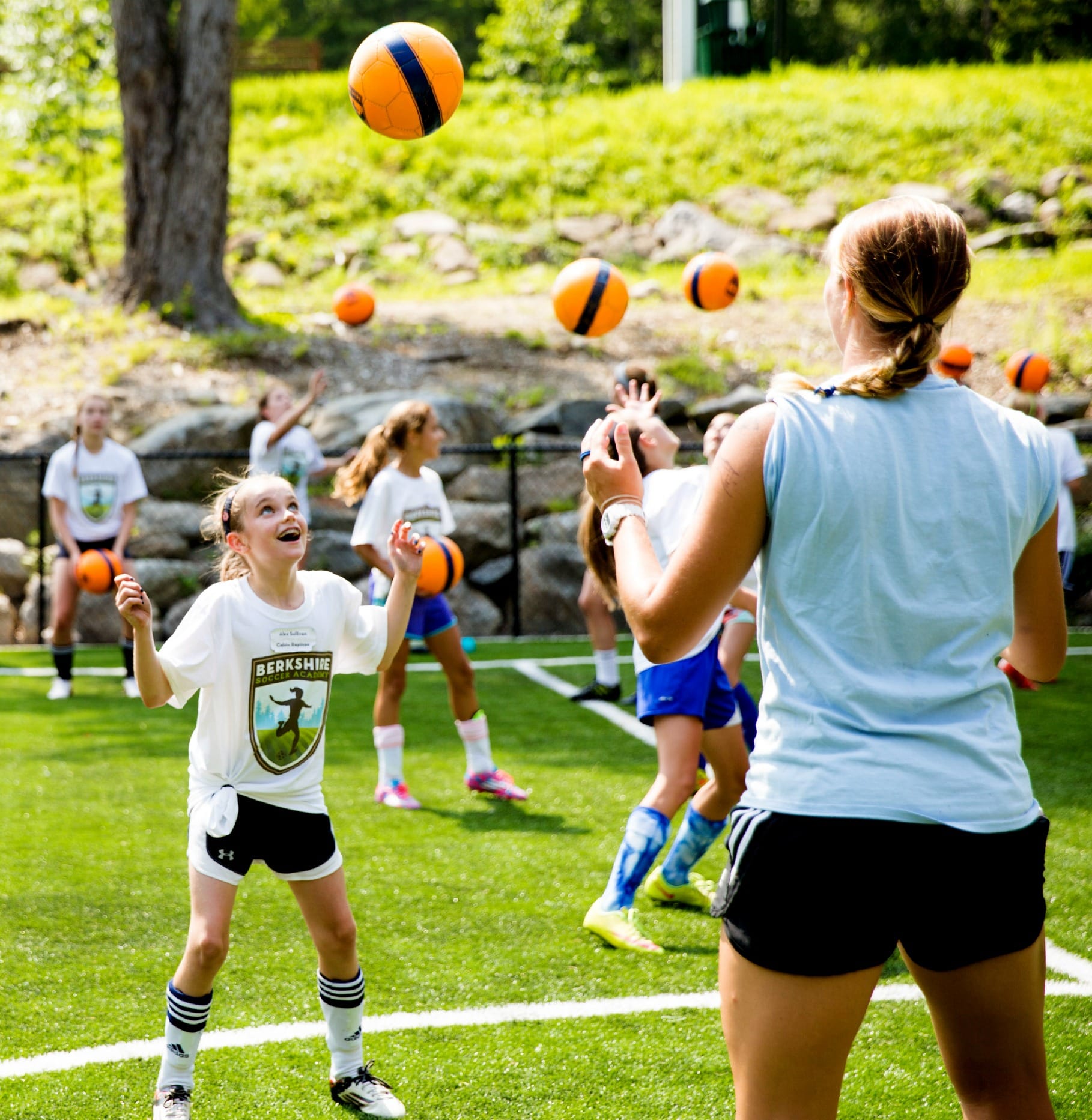
Specialty programs give campers the chance to concentrate on an interest, from athletics and performing arts to science and technology. Florida’s museum-based science camps, for example, offer themed weeks built around investigation and experimentation.
Consider how your child likes to learn. A camp centered on collaborative projects will feel different from one focused on individual practice or intensive coaching. Ask about experience levels and whether the program leaves room for other activities during the day.
Faith-based camps
Faith-based camps bring religious teaching, worship, or reflection into the summer experience alongside recreation and group activities.
Families can ask how faith shapes the daily schedule, what participation involves, and whether children from other religious backgrounds are welcome. Learning about the community can help you decide whether the program reflects what you want for your child’s summer.
Where are summer camps located in Florida?
Florida camps operate in coastal communities, inland lake regions, and cities throughout the state. A regional search can help narrow your options, but check the actual campus and daily meeting location before making plans.
| Region or setting | Camp experiences to explore | A detail to check |
| North Florida and the Panhandle | Overnight camps, outdoor recreation, and environmental education | Whether the waterfront is a lake, bay, or beach |
| Central Florida and inland lake communities | Traditional camp settings, day programs, and specialty activities | How much time campers spend outdoors and on the water |
| Tampa Bay and the Gulf Coast | Community day camps, arts and sports programs, and coastal activities | Whether beach visits or water activities are part of the regular schedule |
| Jacksonville and Atlantic Coast communities | Local day programs, specialty camps, and coastal exploration | The main program site and transportation for outings |
| South Florida and the Florida Keys | Urban specialty camps, marine science, and ocean-focused experiences | Swimming requirements and the complete journey to camp |
North Florida and the Panhandle
Families exploring North Florida and the Panhandle can look beyond beach destinations to find overnight camp and outdoor education settings. The region includes both inland and coastal environments, with programs around places such as Madison and Niceville.
That difference matters when comparing activities. A lakeside camp and a program near a bay may both advertise waterfront experiences, but children could spend their days doing quite different things.
Central Florida and inland lake communities
Central Florida gives families a starting point for both local day programs and traditional camp settings. Around Orlando and nearby communities, it is possible to explore camp experiences that feel removed from the usual city routine without planning a coastal trip. Apopka, for example, has a camp property with overnight accommodations.
Ask where activities take place and whether campers remain on the property. For a day program, the daily commute may matter more than the broader region.
Tampa Bay and the Gulf Coast
Families researching Tampa, St. Petersburg, Sarasota, and other Gulf Coast communities can start by comparing local recreation and specialty programs with camps that make use of the coastal setting.
A location near the coast does not tell you how often children visit the water. If swimming, boating, or beach activities are important to your child, ask exactly what is included and how frequently it happens.
Jacksonville and the Atlantic Coast
Jacksonville and communities along Florida’s Atlantic Coast provide another area to explore for day camps and specialty experiences. Narrowing your search to a specific community can make comparisons more manageable, especially when daily transportation is involved.
Look closely at the meeting point for programs with outings. Children may check in at one location and travel elsewhere for activities, which can affect both the schedule and what they need to bring.
South Florida and the Florida Keys
South Florida brings together city-based learning opportunities and programs shaped by the coastal environment. Families can explore science-focused day camps in Miami and marine education experiences in the Keys.
Treat these as distinct travel decisions. A local Miami day program and an overnight session in the Lower Keys involve different arrangements. Confirm the camp’s location, arrival instructions, and any transportation assistance before booking a trip.
What should parents look for in a Florida summer camp?
Start with the experience your child hopes to have, then ask how the camp makes that experience work from day to day.
The daily balance. Find out how the schedule combines active play, quieter projects, meals, and breaks. Ask to see a sample day rather than relying only on a list of possible activities.
Water activities and swimming requirements. Ask which activities involve a pool, lake, or open water. Confirm how swimming ability is assessed, what instruction is available, and how staff supervise each activity.
Plans for outdoor conditions. Ask how the camp schedules outdoor activities, provides shaded or indoor breaks, and adjusts the day when weather interrupts plans. It is also helpful to know what children do when a planned outing cannot go ahead.
Support for new campers. Find out how staff introduce children to their groups and help them join in. For overnight camp, ask how counselors respond to homesickness and what communication families can expect.
Staff preparation. Ask about counselor training and who leads specialized activities. If another organization handles boating, instruction, or field trips, clarify how camp staff remain involved.
Total cost and policies. Review tuition, extended care, transportation, equipment, and optional activities together. Ask how cancellations, closures, or changes to a session are handled before making a payment.
Your child’s needs. Discuss dietary requirements, medications, accessibility, and other support needs directly with the camp. Specific conversations help both families and staff understand what a successful session would require.
For more help narrowing your priorities, read our guide to choosing the right summer camp for your child.
Should families choose a Florida camp or travel out of state?
A Florida camp may be a natural choice for a child drawn to marine life or water activities. Staying in state can also make transportation easier, particularly for families who want a local day program or an overnight camp within driving distance.
Other families look farther afield for a different setting, a particular activity, or a session length that suits their plans. A wooded mountain campus or a longer traditional sleepaway session may offer the experience their child is hoping for.
Start with the program and community, then compare the journey and overall cost. Florida itself covers a large area, so an in-state camp is not automatically close to home.
Families visiting Florida can also investigate day programs during a longer stay. Check whether the camp accepts visiting families and requires attendance for a full session before planning around it.
American Summer Camps’ regional guides and camp resources can help families explore these differences as they build a shortlist.
Is ASC’s Florida Network Growing?
Florida’s range of camp experiences gives families plenty to consider, but it also makes clear information valuable. Parents want to understand what their child will do, who will care for them, and what makes a particular program worth a closer look.
American Summer Camps welcomes conversations with Florida camp owners and directors interested in introducing their programs to families researching summer options. From traditional overnight camps to coastal and specialty programs, each camp has details that help families recognize a potential fit.
In the meantime, our search tool reflects our full current partner network, and we’ll continue expanding coverage in Colorado and other underrepresented regions.
Frequently Asked Questions
Summer camps operate throughout Florida, including North Florida, the Panhandle, Central Florida, both coasts, and the Keys. Families can choose among city-based day programs, inland camp properties, and coastal settings. Check the actual campus location when comparing travel and activities.
Yes. Florida has traditional overnight camps and specialty residential programs, including marine science experiences. Campers stay for a session and share meals, activities, and living spaces. Ages, session lengths, accommodations, and program requirements vary by camp.
Swimming requirements depend on the program and activity. Ask about swim assessments, beginner lessons, and alternatives for children who do not meet an activity’s requirements. For ocean-focused programs, confirm the expected swimming ability before enrolling.
Costs vary by camp type, session length, and included services. Compare tuition with transportation, extended care, meals, equipment, and activity fees. Ask about financial assistance and payment plans, and review cancellation policies before committing.
Many overnight programs welcome out-of-state campers. Confirm eligibility, arrival arrangements, and airport transportation directly with the camp. Families considering a day camp during a vacation should check session requirements and whether visiting children can enroll.
Florida camp owners and directors can contact the ASC team to discuss listing and partnership opportunities. Share your camp’s website, location, age groups, and program details so the team can learn about your camp and explain the available options.
Explore Camp Options
Compare programs and find the right fit for your family. Search ASC’s camp directory or visit our Future Campers hub for more help choosing a camp.
