


The biggest difference between day camp and overnight camp is that day campers go home every evening while overnight (sleepaway) campers live at camp for anywhere from one week to a full summer. Beyond that basic schedule difference, day camp and overnight camp differ meaningfully in cost, the kind of independence a child builds, the depth of friendships formed, and how much of a stretch the experience is for a first-time camper. Neither format is objectively “better” — the right choice depends on your child’s age, temperament, and what you want them to get out of the summer.
This guide breaks down exactly how the two formats compare, so you can make a confident, informed decision instead of guessing.
What Is Day Camp?
Day camp runs on a school-day-like schedule: campers arrive in the morning, spend the day in activities, and go home in the evening, typically Monday through Friday. Most day camps run in one- or two-week sessions throughout the summer, and families can often mix and match weeks based on their schedule.
Day camp is a natural fit for younger children, kids attending camp for the very first time, or families who want summer programming without the commitment (or cost) of an overnight stay. It still delivers structured activities, new friendships, and a break from screens — just without the sleepover component.
What Is Overnight (Sleepaway) Camp?
Overnight camp, also called sleepaway camp or resident camp, has campers living on-site for the full length of a session — commonly one to eight weeks, with some traditional camps running a full summer of seven to eight weeks. Campers sleep in cabins or bunks with a small group of peers and one or more counselors, and the daily schedule covers everything from morning wake-up to evening campfire.
Overnight camp asks more of a child (and a family) than day camp does, but it also delivers a different kind of experience: extended time away from home, deeper friendships built through shared meals and late-night cabin talks, and a level of independence that’s hard to replicate in a program that ends every afternoon. For a deeper look at what to weigh when comparing specific programs, The Ultimate Guide to Choosing the Best Summer Camp for Your Child walks through the full decision framework.
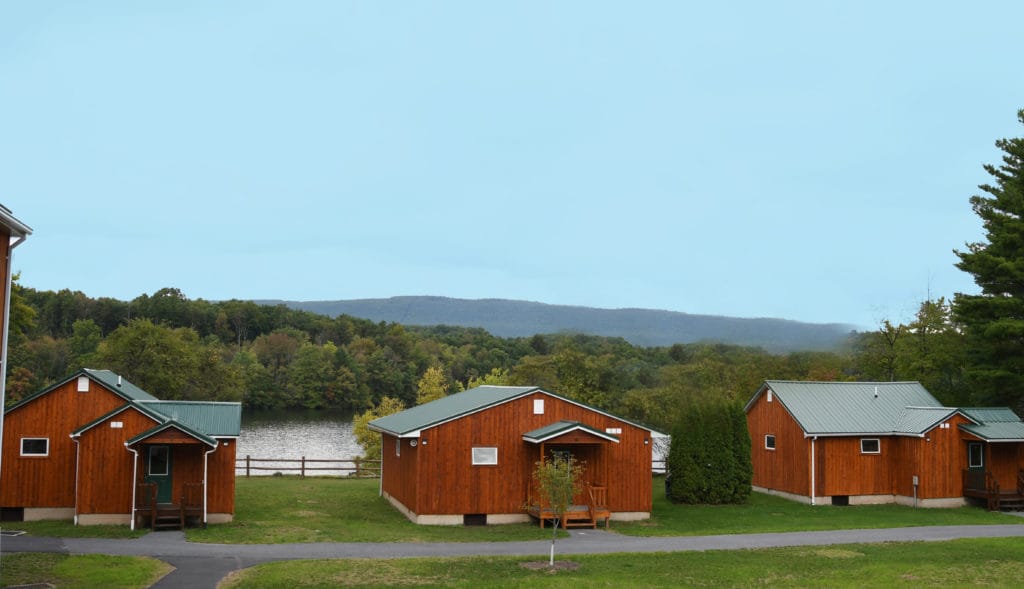
Day Camp vs. Overnight Camp: A Side-by-Side Comparison
Cost: Day camp is almost always less expensive per week than overnight camp, since it doesn’t include room, board, and 24-hour staffing. Overnight camp carries a higher price tag but bundles in lodging, all meals, and round-the-clock programming.
Independence: Day camp builds confidence in a low-stakes, familiar environment — kids still come home to their own bed every night. Overnight camp asks for a much bigger leap: managing personal belongings, navigating a cabin group, and being fully responsible for themselves without a parent nearby.
Friendships: Day camp friendships often mirror school friendships — real, but bounded by a few hours a day. Overnight camp friendships tend to run deeper, since campers share meals, downtime, and challenges around the clock for days or weeks at a stretch. Many former campers describe their bunkmates as lifelong friends.
Homesickness: Day camp carries essentially no homesickness risk, since kids are home every night. Overnight camp can bring on real homesickness, especially for first-timers — though most camps are well-practiced at helping campers through it. How Do Camps Handle Homesickness or Mental Health? covers exactly how camps support kids through this.
Structure and supervision: Both formats are supervised, but overnight camp supervision is continuous — counselors are with campers through every part of the day and night, not just programmed activity blocks.
Typical age range: Day camp works well for a wide age range, including preschool and early elementary kids who aren’t ready for an overnight stay. Overnight camp is generally geared toward kids roughly 7 and up, with many camps setting a minimum age around 8.
How to Decide Which One Is Right for Your Child
A few practical questions can point you toward the right answer:
- Has your child ever spent a night away from home comfortably (at a relative’s house, a sleepover, etc.)? If not, day camp — or a very short overnight session — is a gentler starting point.
- What’s your child’s temperament? Kids who thrive on routine and predictability sometimes do better easing into overnight camp gradually, while more adaptable, social kids often jump into a full overnight session without much trouble.
- What’s the budget? If cost is the deciding factor, day camp delivers most of the developmental benefits of camp — new activities, friendships, time outdoors — at a lower price point.
- What does your child actually want? A child who’s excited about sleepaway camp because friends are going, or because they’ve heard about it from older siblings, often adjusts faster than one who’s being pushed into it.
There’s also a well-worn middle path: many families start with day camp for a summer or two, then transition to a short overnight session (one week) before working up to a longer stay. If you’re not sure your child is ready for either, Is Your Child Ready for Summer Camp? walks through the readiness signs to look for.
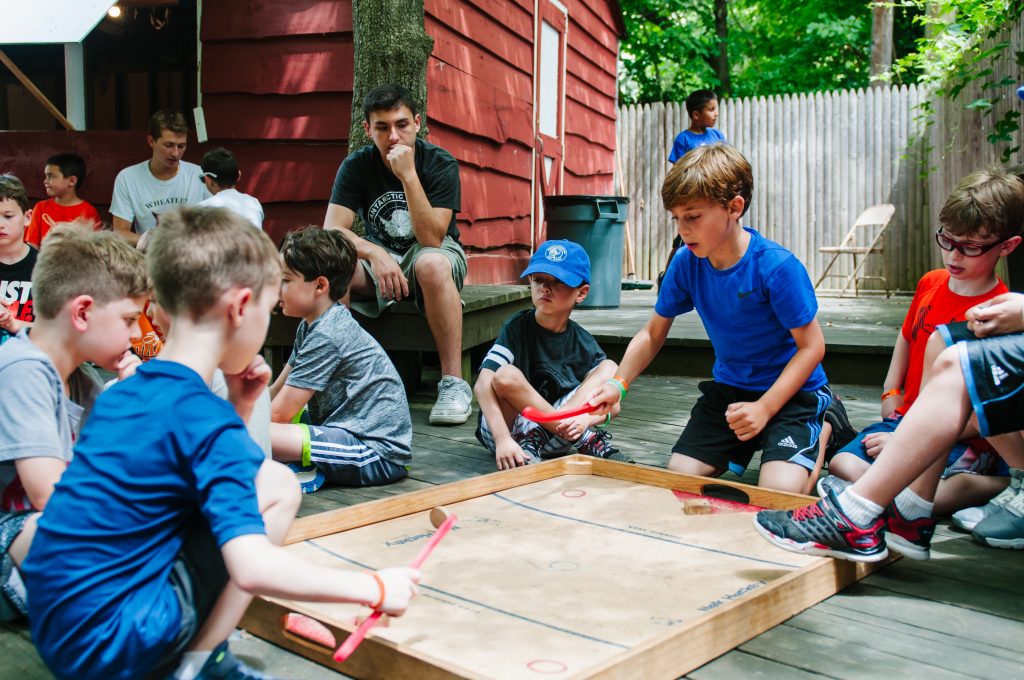
What a Typical Day Looks Like at Each
At day camp, a typical day starts with drop-off, moves through a rotating block of activities (swim, sports, arts, group games), includes lunch and a rest period, and ends with pickup in the late afternoon — usually somewhere between 8-10 hours total. Campers go home with stories to tell, but the “camp world” pauses every evening.
At overnight camp, the day extends well past a typical activity schedule: wake-up, flag/announcements, a full rotation of activities similar to day camp, meals eaten together as a cabin or camp-wide, a rest hour, evening programming (campfires, color war, talent shows, movie nights), and lights-out as a group. The cabin group does everything together, which is a big part of why overnight friendships tend to run deeper — there’s no “going home” to break up the shared experience.
What Does Each Format Typically Cost?
Pricing varies widely by camp, region, and length of session, but as a general rule of thumb: day camp tends to run from roughly $200 to $600 per week, while overnight camp tends to run from roughly $800 to $2,000+ per week, since the price includes lodging, all meals, and continuous staffing rather than just daytime programming. Specialty or highly accredited camps, shorter or longer sessions, and camps in higher cost-of-living regions can push either format above these ranges. If cost is a significant factor in your decision, it’s worth asking every camp you’re considering directly about payment plans, multi-week discounts, and financial aid before ruling a program out.
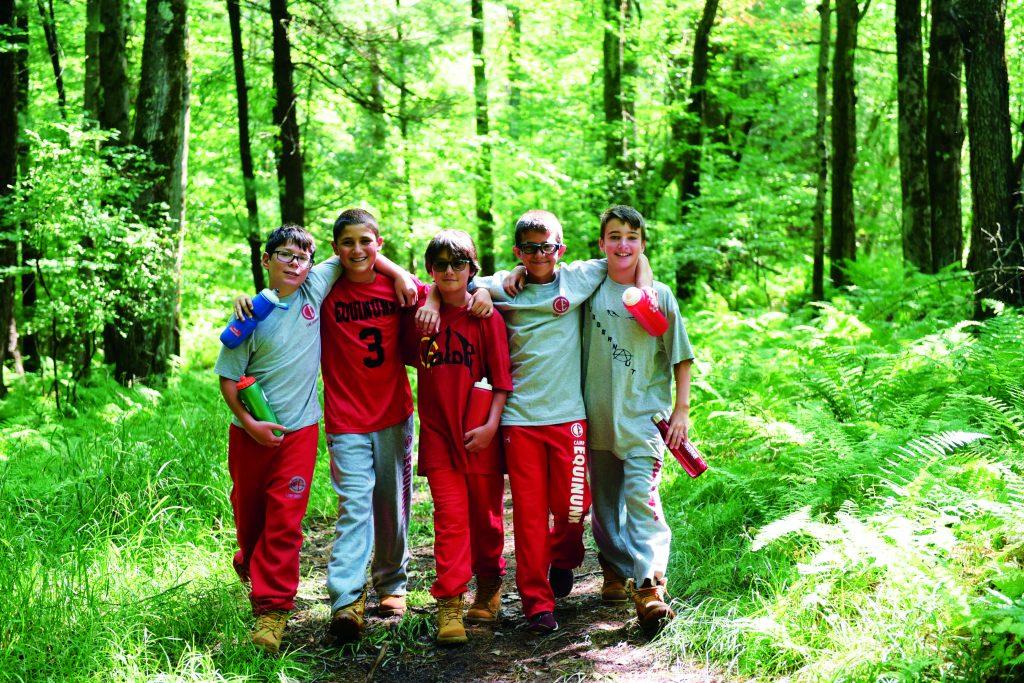
Signs Your Child May Be Ready for Overnight Camp
A few practical signals tend to predict a smoother first overnight-camp experience:
- They’ve had at least one comfortable night away from home (grandparents, a friend’s house, a school trip).
- They can manage basic self-care tasks independently (getting dressed, brushing teeth, organizing their own belongings) without much prompting.
- They’ve expressed real interest in going, rather than just going along with what a sibling or friend is doing.
- They recover reasonably well from typical disappointments or frustrations without needing a parent to step in immediately.
None of these are hard requirements — plenty of first-time overnight campers who don’t check every box still have a wonderful summer. They’re simply useful data points, not a pass/fail test.
Frequently Asked Questions
Is overnight camp better than day camp?
Neither is objectively better — they serve different goals. Day camp is a great fit for younger kids, first-timers, and budget-conscious families. Overnight camp offers a deeper independence-building and friendship-building experience for kids who are ready for it.
What age is right for overnight camp?
Most overnight camps set a minimum age around 7-8, though the right age varies by child. Some kids are ready at 7; others do better starting at 10 or 11. Prior comfort with sleepovers is a good early indicator.
Can a child do both day camp and overnight camp in the same summer?
Yes, and many families do exactly this — day camp for part of the summer, then a shorter overnight session to test the waters, especially in a child’s first year trying sleepaway camp.
Is overnight camp worth the extra cost?
For families who can manage the cost, most parents and camp professionals say yes — the extended independence, friendship depth, and unplugged time are hard to replicate in a day-camp format. That said, day camp delivers strong value and real developmental benefits at a lower price point, so “worth it” depends on your family’s priorities and budget.
How long is a typical overnight camp session?
Sessions commonly run one to eight weeks. Many camps offer shorter two- or three-week sessions specifically designed for first-time campers before committing to a longer stay.
Do day camps offer the same kinds of activities as overnight camps?
Largely, yes — swimming, sports, arts, and group games are staples of both formats. The main gap is evening and overnight-specific programming, like campfires, cabin bonding time, and multi-day trips, which are unique to the overnight format simply because day camp ends before evening.
What if my child starts overnight camp and wants to come home early?
This is a normal part of the adjustment process for many first-time campers, and most camps have an established process for working through it with the camper — and with you — before considering an early pickup. Ask any camp directly about their specific homesickness-support approach before your child’s first session.
Find the Right Fit for Your Child
Whether you’re leaning toward day camp or overnight camp, the best next step is comparing real programs side by side. Search ASC’s camp directory to filter by camp type, session length, and location, or visit our Future Campers hub for more guidance on finding the right camp for your child’s age and interests.
