

Choose a summer camp by focusing on your child’s personality, interests, and readiness, then matching them with the right environment (e.g., day vs. overnight) rather than chasing a “perfect” option. The right fit matters most because a well-matched camp helps kids build independence, confidence, and friendships, turning camp into a meaningful growth experience—not just a summer activity.
Choosing the best summer camp for your child can feel like a meaningful decision—and it’s completely normal to want to get it right. You’re not just booking an activity—you’re choosing an environment where your child will grow, stretch, and create memories that can last for years. With so many options available, from local day camps to immersive overnight experiences, it’s natural to spend time comparing and weighing what feels like the best fit.
The good news is this: you don’t need to find the “perfect” camp. You just need to find the right fit for your child at this stage of their life. In this guide, we’ll walk through how to choose a summer camp for your child in a way that feels grounded, thoughtful, and realistic.
Why Choosing the Right Summer Camp Matters
Summer camp is often a child’s first real taste of independence. It’s where they begin to navigate friendships without constant parental guidance, make small decisions on their own, and learn how to be part of a community. These moments might seem simple—choosing an activity, resolving a disagreement, trying something unfamiliar—but they quietly build confidence in ways that last far beyond the summer.
It’s also a space where children can step outside the expectations they may feel at school or at home. Camp allows them to explore new sides of themselves, whether that’s being more outgoing, more adventurous, or simply more comfortable in their own skin. The best summer camp for kids isn’t about checking every box—it’s about finding a place where your child feels supported, understood, and free to grow at their own pace.
When the fit is right, camp becomes more than just a summer activity. It becomes a place where kids discover new interests, develop resilience, and experience a sense of belonging. When the fit is off, though, even a well-run camp can feel overwhelming or disengaging. That’s why taking the time to choose carefully pays off.
1. Understand Your Child’s Personality and Interests

Before you even start comparing summer camps, pause and look at your child as they are right now—their personality, their energy, and the things that make them light up. Every child brings something different to the table. Some feel most alive in busy, social environments, while others flourish in spaces that offer more structure, calm, or independence. Each of these traits is something to be celebrated, and each naturally aligns with a different kind of camp experience.
Think about how your child handles new situations. Do they jump in quickly, or do they warm up slowly? Are they energized by groups or do they need downtime to recharge? These patterns matter more than any brochure description. The goal isn’t to push your child into growth through discomfort—it’s to place them in an environment where growth happens naturally.
A few helpful things to process:
- When your child is happiest, what are they usually doing?
- How do they typically respond when something feels new or unfamiliar?
- Do they prefer structured activities or more freedom to choose?
- What kind of environments seem to drain or energize them?
Interests matter too, but not in an overly rigid way. A child who loves soccer doesn’t necessarily need a highly competitive sports camp. They may benefit more from a traditional summer camp where they can play soccer, try archery, and discover something entirely new. Keep curiosity in the mix.
2. Choose Between Day Camp and Overnight Camp

One of the most practical decisions is whether to choose a day camp or an overnight summer camp. For many families, this choice comes down to readiness rather than age. Some children are eager for independence early on, while others benefit from a gradual transition.
Day Camp
Day camps offer a sense of familiarity. Kids get to experience camp activities while returning home each evening, which can ease the transition into camp life for both children and parents. They’re especially helpful for first-time campers or children who are still building comfort with time away from home.
However, because children return home daily, the experience can feel less immersive. Some kids may take longer to fully settle into routines or build deeper connections, as each day resets their environment.
Overnight Camp
Overnight camps create a more immersive experience. Without the daily reset of going home, children often form deeper friendships and develop independence more quickly. It’s not just about sleeping away—it’s about learning to navigate life in a shared community.
On the other hand, for some children, especially those new to being away from home, the adjustment can take time. The intensity of a fully immersive environment may feel like a big step at first, but with the right support, many children grow into it quickly.
If you’re unsure, consider a middle ground. Many camps offer shorter sessions or “rookie” weeks designed specifically for first-time overnight campers.
3. Consider Camp Type and Focus

Not all summer camps for children are built the same—and that’s part of what makes the experience so special. Today’s camps offer an incredible range of programs, giving children the chance to explore everything from classic outdoor adventures to completely unexpected, one-of-a-kind activities. The variety means you can find a camp that doesn’t just suit your child—it excites them.
Traditional camps still offer that well-rounded, nostalgic experience many parents remember. Days might include swimming in a lake, hiking through wooded trails, creating art, or playing group games on open fields. But even within these traditional settings, many camps now layer in unique programming that brings a sense of discovery to each day.
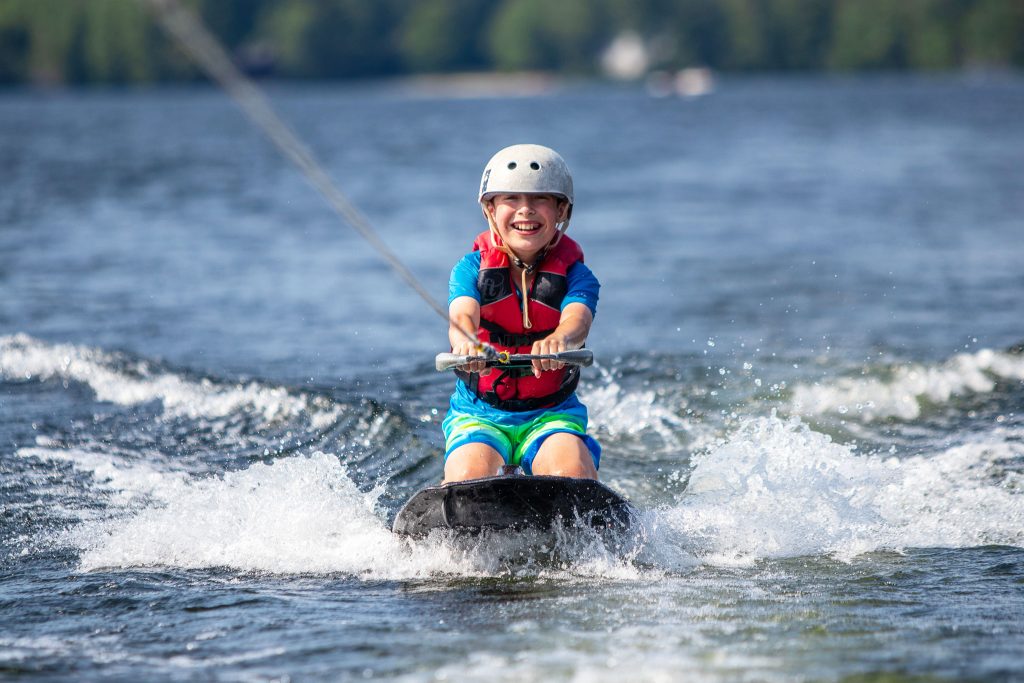
At many American summer camps, children can try activities they might never encounter elsewhere. That could mean waterskiing across a lake, learning circus skills like trapeze or juggling, performing in a musical production, or exploring creative arts studios. Adventure-based programs might include rock climbing, kayaking, ropes courses, or wilderness trips. These experiences are designed not just for fun, but to build confidence through trying something new.
For children who thrive in movement and competition, sports camps offer a more focused, high-energy experience. These programs go beyond casual play—campers receive coaching, skill development, and structured practice in sports like soccer, basketball, tennis, baseball, or lacrosse. At the same time, many sports camps balance intensity with fun, teamwork, and personal growth, helping kids improve while still enjoying the spirit of camp.
Specialized camps—whether focused on horseback riding, performing arts, STEM, or adventure—can be incredibly rewarding for children with a clear interest. The key is finding the right balance between challenge and enjoyment. Some children love diving deeply into a passion, while others prefer having that activity as one part of a broader experience.
Ultimately, the goal isn’t to choose the most impressive program—it’s to choose one that sparks your child’s curiosity. Whether they’re trying waterskiing for the first time, stepping onto a stage, or developing their athletic skills, the right camp experience helps them feel capable, engaged, and excited to keep exploring.
4. Evaluate Camp Safety and Staff Quality

No matter how exciting a camp looks, safety and staff quality should always sit at the center of your decision. A well-run camp doesn’t just list its safety features—it communicates them clearly and confidently.
When speaking with camp directors, consider asking:
- How are your counselors trained, and what ongoing support do they receive throughout the summer?
- What is your camper-to-staff ratio, and how is supervision handled during activities and downtime?
- How do you support and guide campers who are experiencing homesickness?
- How are medical needs and health concerns managed on-site?
- How do you ensure each child feels seen, supported, and included?
- How does your camp handle dietary restrictions?
And of course safety and accreditation should be non-negotiables.
- ACA Accreditation: Look for camps accredited by the American Camp Association (ACA). This confirms the camp meets up to 300 health, safety, and risk management standards.
- Background Checks & Screening: Ensure all staff members undergo comprehensive criminal background checks and sex offender registry checks.
- Staff-to-Camper Ratios: Ask for the exact ratio, as lower ratios (e.g., 1:8 or 1:10) ensure better supervision.
- Medical Staff: Verify that a qualified nurse or health professional is on-site at all times to handle medications and emergencies.
- Water Safety: If swimming is offered, ensure there are certified lifeguards and a strict buddy system.
These questions help you move beyond surface-level details and get a clearer sense of the people and culture your child will be surrounded by. For more questions and considerations, check out our article about summer camp safety.
5. Location, Facilities, and Environment

The physical setting and facilities of a summer camp plays a bigger role than most parents expect. A lakeside camp feels very different from a mountain camp, just as a rustic cabin setup creates a different experience than a modern dorm facility. Some children are drawn to wide-open spaces, water, and nature, while others feel more at ease in environments that feel structured, organized, and familiar. Neither is better—it simply depends on what will help your child feel comfortable enough to fully engage.
It’s also worth thinking about how the environment shapes the daily rhythm of camp. Camps surrounded by nature often lean into outdoor living—long days outside, campfires, and unplugged time away from screens. Other camps may offer more specialized facilities like sports complexes, theaters, or creative studios. These details can subtly influence how your child experiences each day, from how active they are to how they unwind.
Distance is another important factor. Some families prefer camps close to home for peace of mind and easier logistics, especially for younger children or first-time campers. Others see value in giving their child the opportunity to travel, experience a new region, and step into a completely different setting. For many kids, the journey to camp—whether it’s a short drive or a flight—becomes part of the excitement.
As you explore options, try to picture your child in each environment. Can you imagine them waking up there, moving through their day, and settling in with other campers? Do they light up at the idea of being outdoors, even if it means a little dirt and unpredictability? Or do they seem more at ease in spaces that feel organized and polished? Often, your intuition in these moments will tell you more than any checklist ever could.
6. Duration and Schedule

When choosing a summer camp, it’s easy to focus on what the camp offers and overlook how long your child will be there. But duration matters—a lot. Camps can range from short, one-week experiences—often designed as sports camps, specialty intensives, or “rookie” sessions—all the way up to full 6–8 week programs that span most of the summer.
Shorter sessions, like one-week or two-week camps, can be a great starting point. These are especially popular for first-time campers or children exploring a specific interest, like a sports camp or creative program. They offer a low-pressure way to experience camp life, build initial confidence, and leave kids wanting more. For many families, these shorter stays act as a stepping stone toward longer, more immersive experiences in the future.
Mid-length sessions—typically two to four weeks—strike a balance between introduction and immersion. They give children enough time to settle into routines, build friendships, and feel a sense of belonging, without feeling like too big of a leap. Many parents find this to be a “sweet spot,” especially for kids who are ready for more independence but still benefit from a defined timeframe.
Longer sessions, including full-season camps that run four to eight weeks, offer something entirely different. With more time, children move beyond the initial adjustment period and fully integrate into camp life. Friendships deepen, confidence grows more naturally, and campers often take on more responsibility and leadership within their groups. There’s also space for real personal growth—kids aren’t just trying camp, they’re living it.
Ultimately, the right duration depends on your child’s readiness, personality, and excitement about the experience. Whether it’s a one-week introduction or a full summer adventure, each length offers its own kind of value—and each can be the right choice at the right time.
7. Cost and Value

Summer camp pricing can vary widely, and it’s easy to assume that higher cost equals better experience. In reality, value matters more than price. The best summer camp for your child is one that delivers a meaningful, well-supported experience—not just a long list of activities.
Look closely at what’s included. Some camps bundle meals, excursions, and equipment into the tuition, while others charge separately. Understanding the full picture helps you make a fair comparison.
If cost is a concern, it’s worth asking about scholarships or financial aid. Many camps are committed to accessibility and offer options for families who need support. A great camp experience should feel possible, not out of reach.
8. Read Reviews and Talk to Other Parents
Online reviews can be helpful, but they only tell part of the story. What often matters more is hearing from parents whose children have actually attended the camp. Their insights tend to be more nuanced and grounded in real experience.
Try to go beyond star ratings. Look for patterns in feedback—do parents consistently mention supportive staff, strong communication, or positive growth in their children? Those signals are more meaningful than isolated comments.
If possible, speak directly with the camp. A conversation can reveal far more than a website ever will. Pay attention not just to what they say, but how they say it. Are they thoughtful? Open? Willing to answer detailed questions? That tone often reflects the culture of the camp itself.
If you’d like to explore trusted, in-depth perspectives from summer camp experts, take a look at our curated camp review articles.
Final Thoughts: Trust Your Instincts
At a certain point, after all the research and comparisons, the decision becomes more intuitive than analytical. You’ll likely find yourself leaning toward one or two options that simply feel right.
Trust that instinct. As a parent, you know your child better than any brochure or website ever could. If a camp aligns with who your child is—and who they’re becoming—you’re making a strong choice.
Summer camp isn’t about getting everything exactly right. It’s about giving your child an experience that helps them grow in confidence, build meaningful friendships, and come home with stories they’ll tell for years.
Most children are ready for day camps around ages 5 or 6, while overnight camps are often a better fit starting around ages 6–10. That said, readiness isn’t just about age—it’s about your child’s comfort level with independence, new environments, and group settings.
Some children are eager to jump into camp life early, while others benefit from a more gradual introduction. Starting with a shorter session or a day camp can help build confidence and create a positive first experience that makes future summers even more exciting.
Readiness for overnight camp often shows up in small, everyday ways. If your child is comfortable staying overnight with friends or relatives, can manage basic routines independently, and shows curiosity about camp, those are all strong indicators.
It’s also helpful to talk openly with your child about what to expect. Excitement mixed with a little nervousness is completely normal. With supportive staff and a welcoming environment, many children settle in more quickly than parents expect.
Camps usually provide detailed packing lists tailored to their specific programs, but most include essentials like comfortable clothing, toiletries, sunscreen, and activity-specific gear. Labeling items and packing together can help your child feel more prepared and involved.
It’s also a good idea to keep things simple and practical. Camps are active environments, and items may get dirty or misplaced. Packing familiar, comfortable items—like a favorite sweatshirt or pillow—can also help your child feel more at home.
For a comprehensive guide of how and what to pack for camp, check our camp packing list.
Homesickness is a very normal part of the camp experience, especially in the early days. Preparing your child emotionally for camp ahead of time by talking through what camp will be like can help set realistic expectations and build confidence.
During drop-off, keeping your goodbye calm, positive, and reassuring makes a big difference. Most camps have experienced staff who know how to support children through homesickness, helping them stay engaged, build connections, and gradually feel more comfortable.
Well-run summer camps prioritize safety in every aspect of the experience. This includes trained staff, clear supervision ratios, structured daily routines, and established emergency procedures. Many camps also have on-site medical staff and clear communication systems with parents. Asking about these protocols can give you peace of mind and help you feel confident in your choice.
Booking three to six months in advance is a good rule of thumb, especially for popular camps that tend to fill quickly. Some families begin researching even earlier to ensure they have a wide range of options. Planning ahead also gives you time to ask questions, compare programs, and prepare your child for the experience. It turns the process into something thoughtful rather than rushed.
When you’re deciding between several strong choices, it often comes down to fit rather than features. Consider which camp aligns most closely with your child’s personality, interests, and comfort level. It can also help to reflect on your interactions with each camp. Which one felt the most responsive, welcoming, and aligned with your values? Often, your instinct as a parent is one of the most reliable guides.
Ready to Find the Right Camp?

If you’re ready to take the next step, explore our partner summer camps—each offering a unique blend of programs, supportive staff, and unforgettable experiences.
Whether your child is looking for a traditional camp, a sports-focused environment, or something more specialized, you can browse options, compare programs, and find the right fit with confidence.
Start exploring camps today and take the first step toward a summer your child will never forget!
