

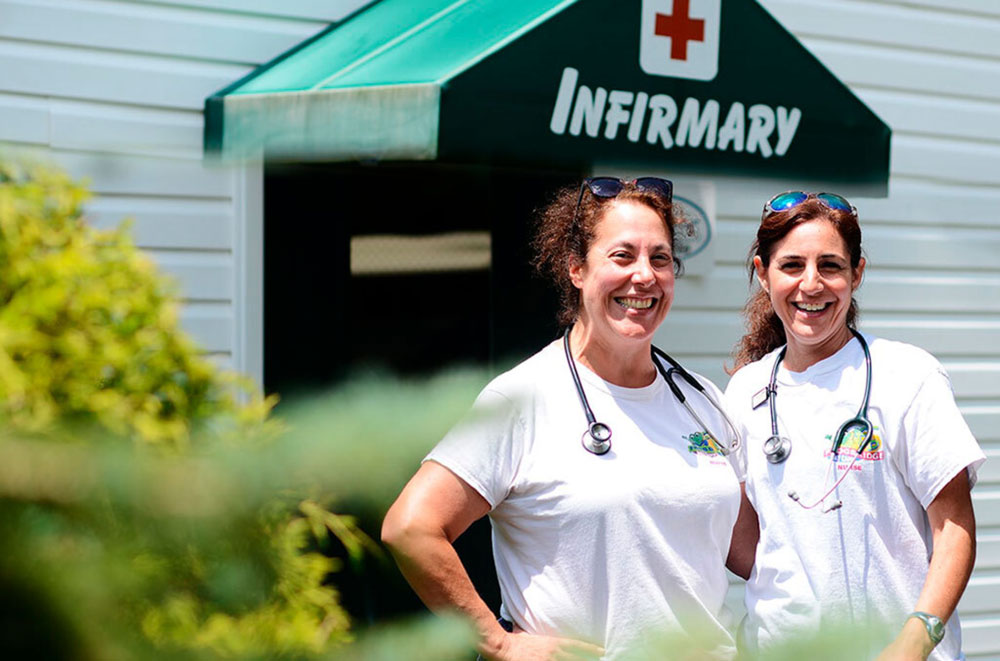
Summer camp offers RNs, LPNs, and nursing students a unique break from traditional healthcare settings—combining hands-on care, autonomy, and a slower pace with meaningful impact. With accommodation included and a strong work-life balance, accepting a summer camp nurse job is a refreshing and rewarding alternative to hospital shifts.
If you’re an RN, LPN, or nursing student looking for a change of pace, a summer camp job could be exactly what you need.
Whether you’re feeling burned out from hospital shifts, exploring a career transition, or simply looking for a more meaningful and enjoyable way to spend your summer, working as a camp nurse offers a completely different kind of experience.
From practicing hands-on care in a lower-pressure environment to building genuine relationships with campers and staff, camp nursing blends professional responsibility with lifestyle benefits you won’t find in traditional roles.
What Is a Camp Nurse?

A camp nurse is responsible for the overall health and wellbeing of campers and staff throughout the summer. While the clinical demands are typically less intense than in hospital settings, the role still requires strong medical knowledge, sound judgment, and the ability to respond quickly when needed.
As a registered nurse at camp, you’ll manage the health center, administer medications, assess and treat minor injuries and illnesses, and respond to emergencies. You may also oversee health protocols, maintain medical records, and support campers with chronic conditions such as asthma, diabetes, or severe allergies.
Communication is a key part of the role. You’ll regularly liaise with camp leadership, parents, and occasionally external healthcare providers to ensure consistent, high-quality care.
Why Summer Camp Is a Great Job for Nurses

1. A Break from Hospital Burnout
Camp nursing offers a welcome change from the fast-paced, high-pressure environment of hospitals and clinics. While you’ll still use your clinical skills, the overall pace is slower and more predictable.
Many nurses find this environment refreshing, allowing them to reconnect with why they chose healthcare in the first place—caring for people in a more personal, human-centered way.
2. Meaningful, Relationship-Based Care
At camp, you’re not just treating patients—you’re part of a community.
You’ll build relationships with campers and staff over weeks, not minutes, which allows for more meaningful interactions and continuity of care. This is especially rewarding when supporting children as they gain confidence, overcome challenges, and fully participate in camp life.
3. Autonomy and Leadership
As the lead medical professional on site, you’ll often have a high level of autonomy. You’ll make decisions independently, manage the health center, and guide staff on health-related matters.
This leadership experience can be incredibly valuable, particularly for nurses looking to step into more senior or independent roles in the future.
4. Work in a Unique Outdoor Setting
One of the biggest differences between camp nursing and traditional roles is the setting.
Instead of fluorescent lights and long corridors, you’ll be surrounded by lakes, forests, and open spaces. This change of environment can have a huge impact on your overall wellbeing, making work feel less like a routine and more like an experience.
5. Flexible Contracts That Fit Your Life
Most summer camps run for 4–8 weeks, making them ideal for nurses looking for short-term or seasonal work.
This flexibility makes camp nursing a great option if you’re between roles, taking a break from full-time work, or simply want to try something different without a long-term commitment.
6. All-Inclusive Living and Reduced Expenses
Camp roles typically include accommodation, meals, and utilities. This means your day-to-day expenses are minimal, allowing you to save more of your earnings.
For many nurses, this makes camp a financially practical option alongside its lifestyle benefits.
7. A Unique Addition to Your Nursing Career
Camp nursing stands out on a resume. It demonstrates adaptability, leadership, and the ability to work independently in a non-traditional healthcare setting.
It can also open doors to roles in community health, pediatrics, school nursing, and other areas where relationship-based care is key.
What Does a Typical Day Look Like?
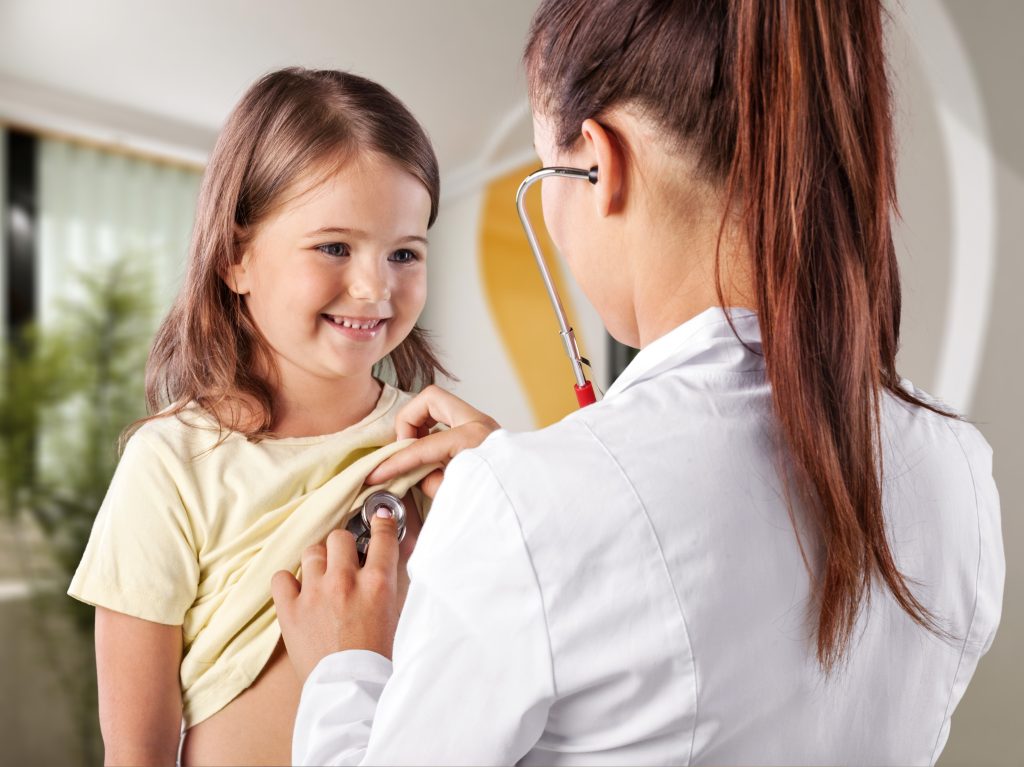
No two days at camp are exactly the same, but there is a general structure.
Mornings usually begin with medication administration and routine health checks. Throughout the day, you’ll handle minor injuries such as cuts, sprains, and insect bites, as well as occasional illnesses.
You’ll also be available for consultations, support staff with health-related concerns, and ensure that campers with medical needs are safely participating in activities.
Evenings may involve follow-up care and documentation. While health centers are often staffed around the clock, schedules typically include built-in time off so you can rest and enjoy the camp environment.
Skills You’ll Use and Strengthen
Camp nursing allows you to apply and refine a wide range of skills.
Clinically, you’ll use your knowledge of first aid, emergency response, patient assessment, and medication management. You’ll also rely heavily on your ability to make sound decisions independently.
Beyond clinical skills, you’ll strengthen communication, leadership, and problem-solving abilities. Working closely with both children and staff requires patience, clarity, and adaptability—skills that are valuable across all areas of nursing.
Is Camp Nursing Right for You?
Camp nursing is ideal for registered nurses who are looking for a change from traditional healthcare environments.
It suits those who enjoy working with children, value independence, and are comfortable taking on a broad, generalist role. It’s also a great fit if you’re looking for a temporary position that offers both professional fulfillment and a better work-life balance.
How to Get a Summer Camp Nursing Job
To get started, check out our online job board to see which camps are currently hiring.
Most camps require an active RN license, along with CPR and First Aid certification. Experience in pediatrics, emergency care, or community health can be helpful, but is not always required.
Because these roles are seasonal and in high demand, it’s best to apply early and remain flexible about location.
Want to take the next step in your nursing career? Apply to be a summer camp nurse today!
Frequently Asked Questions about Summer Camp Nurse Jobs
Most camps require at least one licensed RN on site, and many specifically hire registered nurses to lead their health centers. However, most camps will also consider LPNs and nursing student for support roles in camp clinics.
Experience in pediatrics, emergency care, or general practice is useful, but many nurses from different backgrounds transition successfully into camp roles.
Most cases involve minor injuries and common illnesses, with occasional emergencies requiring quick assessment and response.
Most positions run between 4–8 weeks, with some camps offering flexible or partial summer contracts.
In many ways, yes. While responsibility remains high, the pace and environment are typically less intense than hospital settings.
Usually no. Most larger camps have multiple nurses or additional healthcare staff.
Yes. It demonstrates leadership, adaptability, and experience in a unique care setting, all of which are valuable to employers.
