

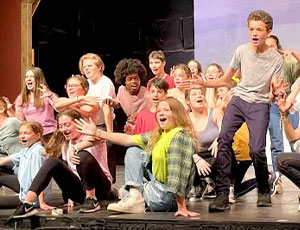
The best art summer camps for kids pair dedicated, medium-specific facilities (a real dance studio, black-box theater, or ceramics studio, not just a shared multipurpose room) with a low instructor-to-camper ratio and a culture that treats creative risk-taking as the point, not a distraction from “real” camp activities. Whether your child is drawn to painting, theater, music, or filmmaking, the right program will build real skill while keeping the process fun.
Art camps generally fall into a few categories, and matching your child’s interest to the right kind of program matters more than any single ranking.
Types of Art Camps
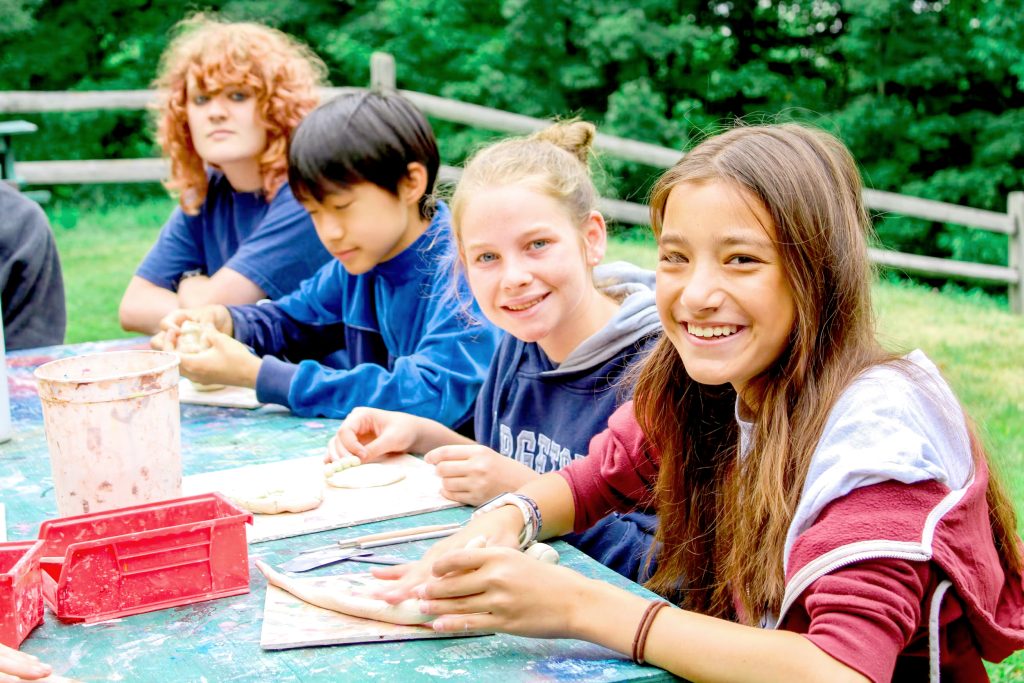
- Visual Arts: Painting, drawing, ceramics, sculpture, and mixed media. Look for camps with a real studio space and kiln access if ceramics is a priority.
- Performing Arts: Theater, dance, and musical theater. These camps typically build toward an end-of-session showcase or full production, which gives campers a concrete goal to work toward.
- Multi-Arts Camps: Programs that let campers sample several disciplines — visual art one period, dance the next — which is often the best fit for a child who isn’t sure yet what they love most.
What to Look for in a Quality Arts Program
- Dedicated facilities: A real stage, dance studio, art barn, or recording space signals the camp takes the discipline seriously, rather than treating it as a rainy-day activity.
- Low instructor-to-camper ratios: Creative feedback is personal. Ask how many campers are in a typical class or rehearsal.
- A showcase or exhibit: The best programs give campers a real audience for their work, whether that’s a gallery show, a recital, or a full theatrical production.
- Teachers with real credentials: Ask whether instructors are working artists, arts educators, or both — experience teaching kids specifically matters as much as artistic skill.
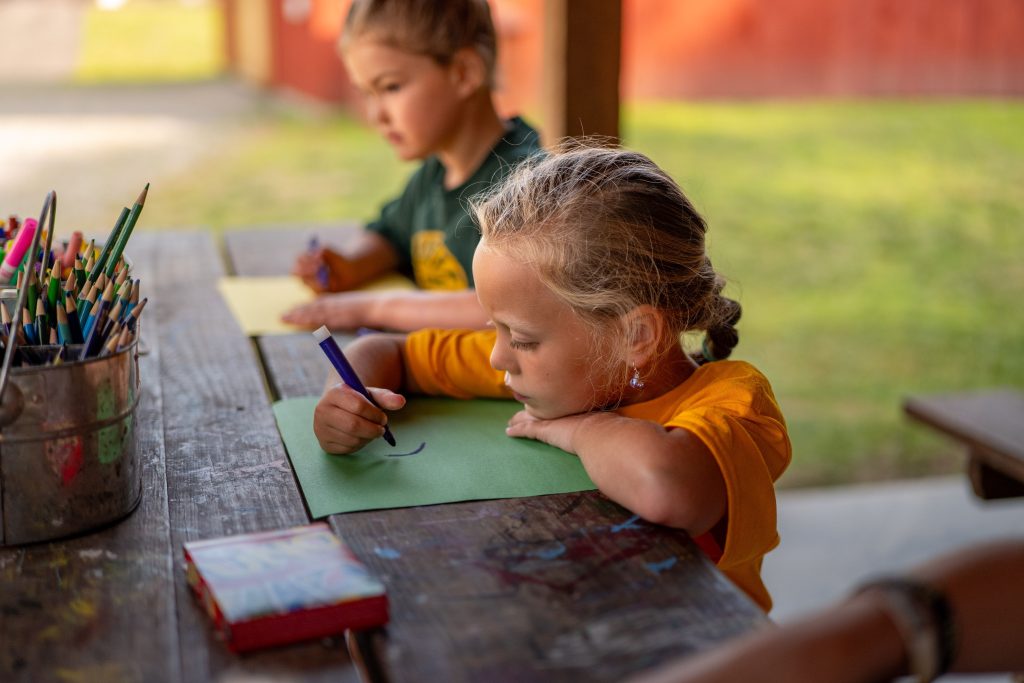
Featured ASC Arts Camp: Camp Eastwood
Camp Eastwood in Oakland, Maine, offers young campers an inspiring environment where creativity is woven into every day. Through hands-on experiences in painting, drawing, crafts, textiles, woodworking, theater, music, and other STEAM-based activities, children are encouraged to explore their imaginations, develop new artistic skills, and express themselves with confidence. Purpose-built creative spaces, including studios and an indoor theater, provide the perfect setting for artistic discovery, while a supportive, age-focused community helps campers build confidence, friendships, and independence. Surrounded by the natural beauty of Maine’s Belgrade Lakes region, Camp Eastwood combines creative expression with outdoor adventure, making it an exceptional summer camp for children who love the arts.
Balancing Arts With Other Camp Activities
Even at an arts-focused camp, most programs build in time for swimming, sports, and general camp life — the arts schedule is usually an elective track layered on top of a traditional day, not a replacement for it. If your child wants serious studio or rehearsal time without giving up the rest of the camp experience, ask how many periods per day are dedicated to their art versus general activities.
Frequently Asked Questions
Does my child need prior experience to attend an arts camp?
No. Most arts camps welcome complete beginners alongside more experienced campers and place kids into classes by skill level, not just age.
Can a child split their time between arts and traditional camp activities?
Yes, at most multi-activity camps with strong arts programs. Ask specifically how the daily schedule is structured before enrolling if a balance between the two matters to your family.
What should I ask about at the end of the summer?
Ask whether the camp holds a showcase, recital, or exhibit that families can attend, and whether campers keep or take home the work they create.
Find the Right Arts Camp for Your Child
Ready to compare arts-focused programs side by side? Use our camp comparison checklist to bring the right questions to your next call with a camp director.
