

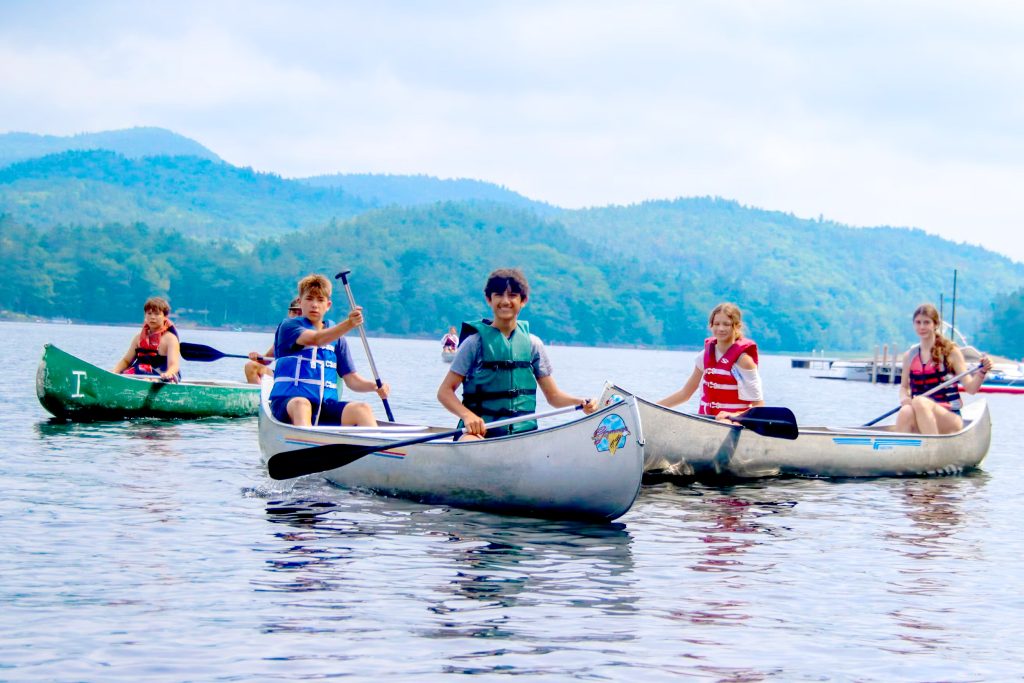
A camp comparison checklist should cover accreditation and safety, staff quality and supervision ratios, programming and daily schedule, cost and what’s included, communication policies, and reviews from other families — organized so you can compare your top choices side by side instead of relying on gut feeling or a single glossy brochure.
When you’re looking at three or four camps that all seem wonderful, it’s easy to lose track of what actually sets them apart. A structured checklist gives you a consistent set of questions to ask every camp, so you’re comparing apples to apples instead of being swayed by whichever website has the best photos. Below is a complete camp comparison checklist you can use for day camps, sleepaway camps, or specialty programs — along with guidance on how to actually use it.
Why Use a Camp Comparison Checklist
Most parents research camps the same way they research anything else online: a few searches, a handful of open tabs, and a growing sense of overwhelm. A checklist solves this by turning a vague “which camp feels right” decision into a concrete comparison of the factors that matter most — safety, staff, fit, and value. It also gives you a clear set of questions to bring to a call with a camp director, which tends to reveal a lot more than a website ever will.
1. Accreditation and Safety
- Is the camp accredited by the American Camp Association (ACA), and when was the last accreditation visit?
- What is the camper-to-staff ratio, both during activities and overnight?
- Are staff background-checked, including criminal history and sex offender registry screening?
- Is a qualified nurse or medical professional on-site at all times?
- What is the emergency and evacuation plan, and how are parents notified?
- If water activities are offered, are lifeguards certified and is a buddy system in place?
2. Staff Quality and Supervision
- What is the minimum age and experience level required for counselors?
- How are staff trained before the season starts, and what ongoing training happens during the summer?
- What percentage of staff are returning from previous summers?
- How does the camp handle discipline, conflict between campers, and bullying?
- Who supervises campers during transitions — meals, free time, and bedtime — not just structured activities?
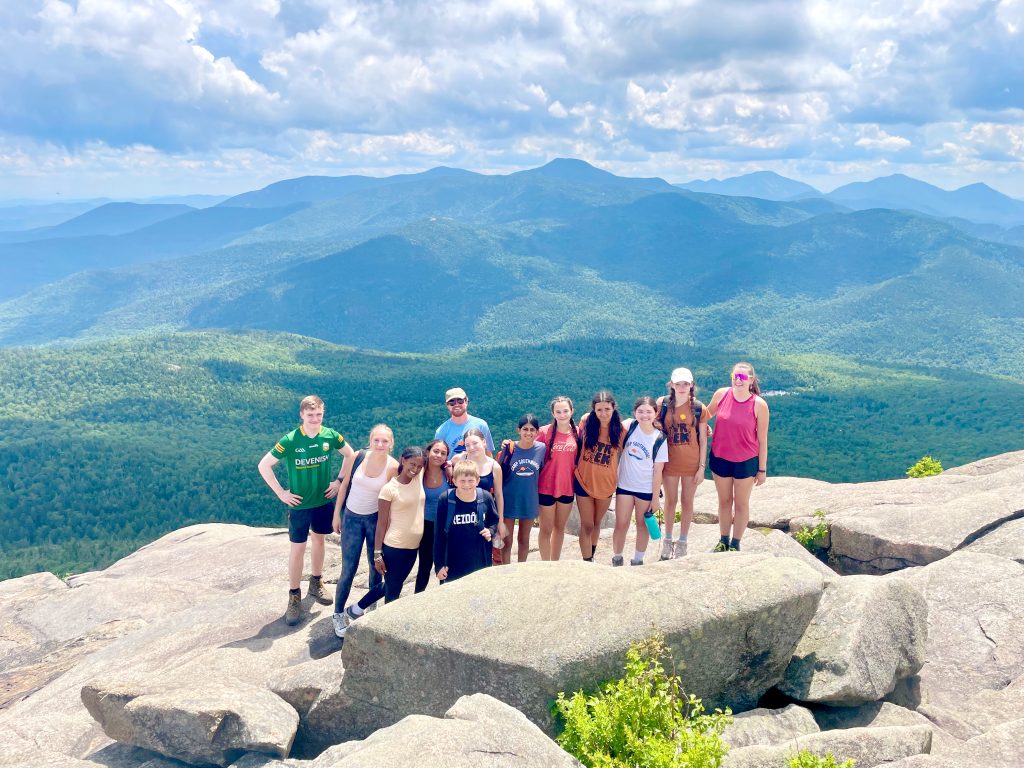
3. Programming and Daily Schedule
- Is this a traditional camp with a broad activity mix, or a specialty/focus camp (sports, arts, STEM, equestrian)?
- Can campers choose their own activities, or is the schedule fully structured?
- What does a typical day actually look like, hour by hour?
- How much choice or flexibility exists if a camper wants to try something new or step back from something that feels like too much?
- Are there rest periods or downtime built into the day, especially for younger or first-time campers?
4. Cost and What’s Included
- What is the full tuition, and what is bundled in versus billed separately (transportation, canteen/store money, trips, equipment, laundry)?
- Are there additional fees for specialty activities, private lessons, or off-site trips?
- Does the camp offer financial aid, sibling discounts, or payment plans?
- What is the cancellation and refund policy?
5. Communication and Family Support
- How does the camp communicate with families during the session — email updates, a camp app, photos, letters?
- Can campers call home, and if so, how often?
- How does the camp support homesickness or anxiety in the first few days?
- Who do you contact if you have a concern while your child is at camp, and how quickly do they typically respond?
6. Reviews and Reputation
- What do current or recent camp families say about their experience, beyond the testimonials on the camp’s own website?
- How long has the camp been operating, and under the same leadership/ownership?
- Would previous families send their child back? Why or why not?
7. Logistics and Location
- How far is the camp from home, and what are the transportation options?
- What session lengths are available, and do they fit your family’s summer schedule?
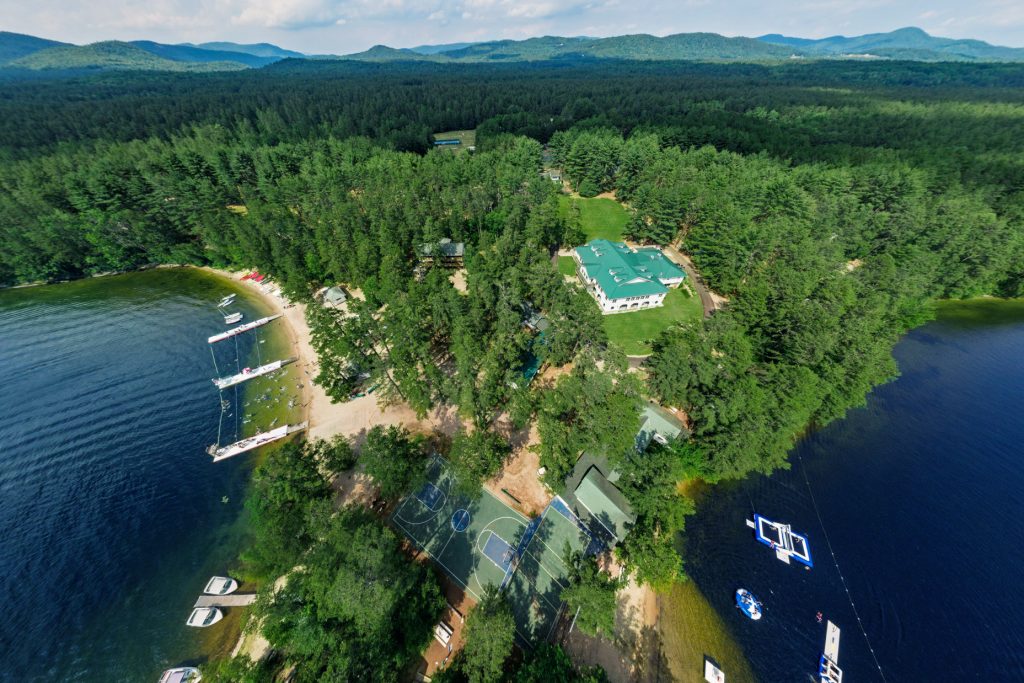
- What is the physical setting like — lakefront, mountains, a school campus — and does that match what your child would enjoy?
How to Use This Checklist
Copy this list into a simple spreadsheet or document with one column per camp you’re considering. Fill it out using each camp’s website first, then schedule a call with the camp director or admissions team to fill in the gaps — particularly around staff training, homesickness support, and day-to-day schedule, since these details are rarely covered in full online. Comparing your top two or three camps side by side this way usually makes the right choice much clearer than reading each camp’s website in isolation.
Frequently Asked Questions
What’s the most important thing to compare between camps?
Safety and staff quality should always come first — accreditation, staff-to-camper ratios, and how the camp handles homesickness and medical needs. Once you’ve confirmed a camp meets your safety bar, programming and fit become the deciding factors.
How many camps should I compare before deciding?
Two to four is usually manageable. Comparing more than that tends to create decision fatigue without meaningfully improving the outcome — narrow your list based on camp type, location, and budget first, then use this checklist on your finalists.
Should I call the camp director before deciding?
Yes, if possible. A short call often reveals more than a website — how responsive the staff is, how they talk about safety and homesickness, and whether their answers match what’s written online.
Is a more expensive camp always a better camp?
No. Price often reflects session length, location, and specialty programming more than overall quality or safety. Use this checklist to evaluate value — what’s actually included — rather than assuming cost alone signals quality.
Ready to Compare Camps?
Browse our partner summer camps to see accreditation status, programming details, and family reviews side by side, or read our full guide to choosing the best summer camp for a deeper look at matching your child’s personality to the right camp environment.
