


Signs your child is ready for summer camp include growing independence, emotional communication skills, and comfort spending time away from home—even if they’re not 100% confident yet. Summer camp helps build confidence, resilience, and social skills, so readiness isn’t about being perfect—it’s about being open to trying a new experience.
One of the most common questions parents ask is:
“How do I know if my child is ready for sleepaway camp?”
It’s a meaningful question—and an emotional one, too. Sending your child to camp is a big step, often filled with excitement, uncertainty, and a little bit of nerves (for both of you). The good news is that readiness doesn’t arrive all at once—it unfolds over time, often in ways that surprise both parents and children.
Readiness isn’t a single moment—it’s a process.
There’s no perfect checklist your child needs to complete before arriving at camp—and that’s part of what makes camp so special. It’s a place intentionally designed to build the skills children are still growing into—independence, confidence, resilience, and meaningful connection.
So instead of asking, “Is my child 100% ready?” a more helpful question might be: “Is my child ready to grow?”
Camp Is Designed for Growth (Not Perfection)
It’s easy to imagine that children should arrive at camp already confident, independent, and socially skilled. In reality, camp is where those qualities begin to take shape.
Camp is a safe, supportive environment where children practice independence in real time, guided by caring counselors who understand how to meet each child where they are.
At camp, children learn through experience—trying new things even when they feel unsure, navigating friendships, building routines, and discovering that they can handle more than they thought. Small daily wins—making a new friend, trying a new activity, settling into a routine—add up to meaningful confidence.
In other words, camp isn’t the reward for being “ready”—it’s the place where readiness is built.
A Little Nerves? That’s a Good Sign
If your child feels a bit nervous about going away, that’s completely normal—and often a positive sign. It means they understand this is something new, they care about the experience, and they’re stepping just outside their comfort zone.
That’s exactly where growth happens. With the support of attentive counselors and a strong camp community, those early nerves often transform into pride, confidence, and a genuine sense of belonging.
Questions to Help You Think About Readiness
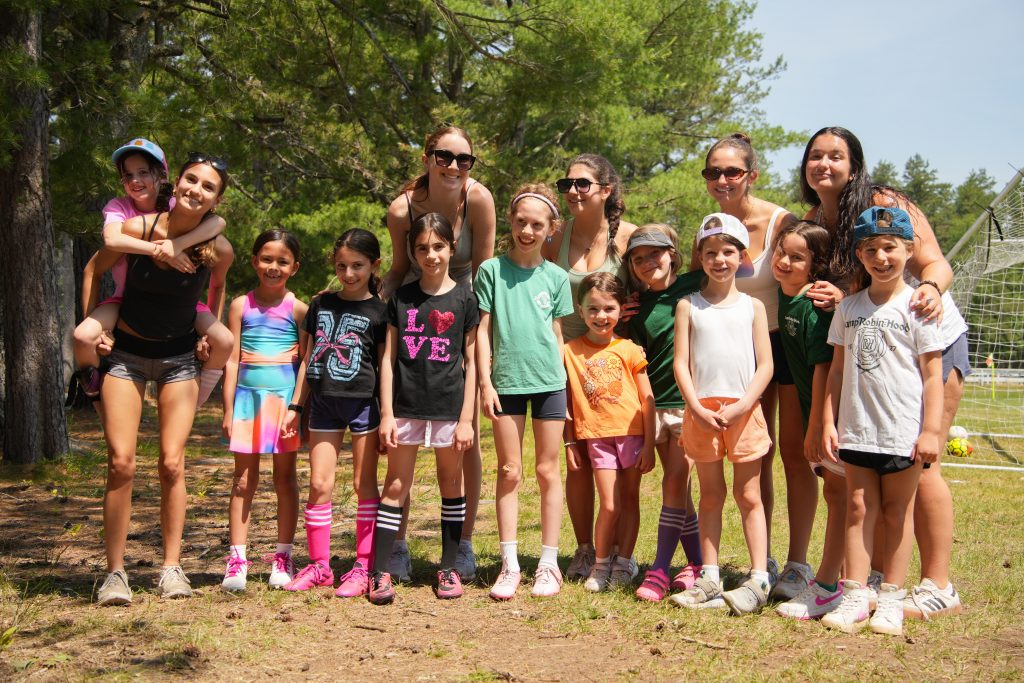
Rather than looking for a perfect “yes” across the board, use these questions as gentle reflection points. Think of them less as requirements and more as signs that your child is beginning to explore independence.
1. Is your child curious about the idea of camp?
Curiosity is often the first and most natural sign of readiness. Your child doesn’t need to be bursting with excitement, but you might notice small moments of interest—asking questions about what camp is like, talking about activities they might enjoy, or showing openness to trying something new. Even quiet curiosity is meaningful. It signals that your child is beginning to imagine themselves in the experience, which is often where readiness begins.
2. Is your child developing independence in everyday routines?
Camp doesn’t expect children to be fully independent, but it does support those who are beginning to take ownership of small daily tasks. This might look like getting dressed, brushing teeth, or keeping track of personal belongings with occasional reminders. These moments of independence don’t need to be consistent or perfect. What matters most is that your child is starting to engage in these routines with a sense of capability and willingness to learn.
3. Is your child open to meeting new people and building friendships?
Children with all kinds of personalities can thrive at camp. Some arrive eager to make friends, while others take a bit more time to warm up. What you’re looking for is a general openness—whether your child is willing to engage with peers, participate in shared activities, and gradually connect with others. Camp environments are designed to gently support these interactions, often helping children build friendships in ways that feel natural and comfortable.
4. Can your child engage with structure and shared expectations?
Camp days follow a rhythm, with routines that help children feel secure and supported. You might notice that your child is becoming more comfortable following instructions, transitioning between activities, or participating in group settings. These skills don’t need to be fully developed—camp is a place where they continue to grow—but some familiarity with structure can help your child settle in more smoothly.
5. Can your child express their feelings and accept support?
It’s completely normal for children to feel homesick, overwhelmed, or unsure at times during camp. What matters most is whether your child is beginning to express those feelings and is open to receiving support from trusted adults. If they can talk about their emotions—even in simple ways—and accept comfort or guidance, they are well-positioned to navigate those moments at camp with the help of caring counselors.
6. Is your child becoming more comfortable with separation and bedtime independence?
Being away from home, especially at night, can feel like a big step. If your child has some experience with separation—like sleepovers, staying with family, or settling into a bedtime routine on their own—it can make the transition to camp feel more manageable. Even if this is still a work in progress, a willingness to try and some familiarity with being away can go a long way.
7. Do you feel ready to support your child’s growth?
Readiness isn’t just about your child—it includes you as well. Sending your child to camp involves trust: trust in your child’s ability to grow, and trust in the adults who will support them. If you feel able to step back, allow space for independence, and view challenges as part of the experience rather than something to avoid, you’re helping create the conditions for your child to thrive.
You Don’t Need a Perfect “Yes”
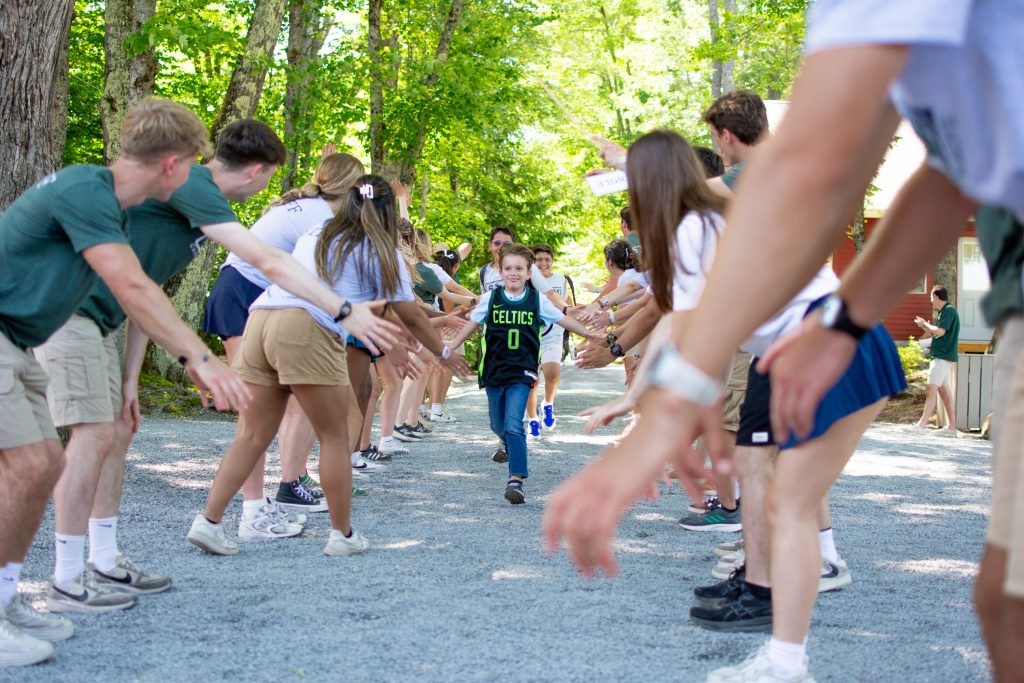
Here’s the most important takeaway: you don’t need to answer “yes” to every one of those questions. Very few children arrive at camp fully confident, fully independent, and fully prepared—and they don’t need to be.
Camp is a place where children practice independence, build confidence gradually, and learn through experience. What matters most is the journey toward greater independence—and the confidence your child builds along the way.
How Parents Can Support the Transition
If you’re leaning toward camp but still feeling unsure, there are simple, positive ways to help your child prepare.
Build independence at home
Encourage your child to take ownership of small daily tasks—packing their bag with guidance, following a bedtime routine, or getting ready for the day. These small moments build quiet confidence.
Talk openly about camp
Have open, reassuring conversations about what camp might look like. Normalize both excitement and nerves, and frame camp as an adventure filled with opportunities to grow.
Practice time away from home
Short separations—like sleepovers or overnight stays with family—can gently build comfort and familiarity with being away.
Reinforce confidence over perfection
Remind your child that they don’t need to be perfect—they just need to be willing to try. Let them know there will always be someone there to support them.
The Real Goal of Camp

When parents think about readiness, it’s often tied to comfort. But camp isn’t about staying comfortable—it’s about discovering what lies just beyond it.
Camp gives children the chance to try new things, build resilience, form meaningful friendships, and create lasting memories. It’s where confidence grows naturally, through experience.
Growth doesn’t begin with complete readiness—it begins with a willingness to try.
A Final Thought
If your child shows curiosity, a willingness to try, emerging independence, and openness to support, they are likely more ready than you think.
If you’re still feeling unsure, that’s completely natural—and you’re not alone. Just like your child, you’re growing into this experience too.
If you’re beginning to explore camp options, this can be a great time to learn more, ask questions, and find a program that feels like the right fit for your child. The right camp won’t expect perfection—it will meet your child where they are and help them grow from there.
👉 Explore our partner camps and find the right fit for your child.
There’s no single “right” age, and it often varies from child to child. While many children attend their first sleepaway camp between ages 7–10, emotional readiness, curiosity, and independence matter more than a specific number. Some children are eager earlier, while others benefit from waiting a year or two. The best indicator is whether your child shows a willingness to try and engage with the experience.
Shy children can thrive at camp, often in ways that surprise their parents. Camp environments are designed with structure and shared activities, which naturally help children connect without pressure. Supportive counselors gently encourage participation while respecting each child’s pace. Over time, many shy campers build confidence and form meaningful friendships.
Homesickness is a very common and expected part of the camp experience, especially in the first few days. Camp staff are trained to respond with empathy, routine, and reassurance, helping children feel safe and supported. They use strategies like staying engaged in activities, building connections, and normalizing feelings. In many cases, working through homesickness becomes a powerful confidence-building moment for children. For more support on how to help your child prepare emotionally for summer camp, read our article here.
Many first-time campers arrive without prior overnight experience and adjust more quickly than parents expect. Camps are well-equipped to support children through this transition with consistent routines and attentive staff. That said, practicing short separations—like sleepovers or overnight stays with family—can help build comfort ahead of time. Even small steps can make a big difference in easing the transition.
No—camp is designed to help children develop independence, not require it from the start. Children benefit most when they arrive with a basic foundation and a willingness to try. Counselors are there to guide them through daily routines, social situations, and new challenges. Growth happens gradually, and camp provides the structure and support to make that possible.
Open and reassuring conversations go a long way in helping your child feel prepared. Talk about what camp might look like, and normalize both excitement and nerves as part of the experience. Emphasize that it’s okay to feel unsure and that support will always be available. Framing camp as an opportunity for growth rather than a test helps build confidence going in.
Parental readiness is an important part of the journey. If you feel able to trust your child’s ability to grow and handle small challenges, you’re already on the right path. It also helps to feel comfortable with the idea that not every moment will be perfect—and that’s okay. When parents approach camp with confidence and trust, children often mirror that mindset.
