

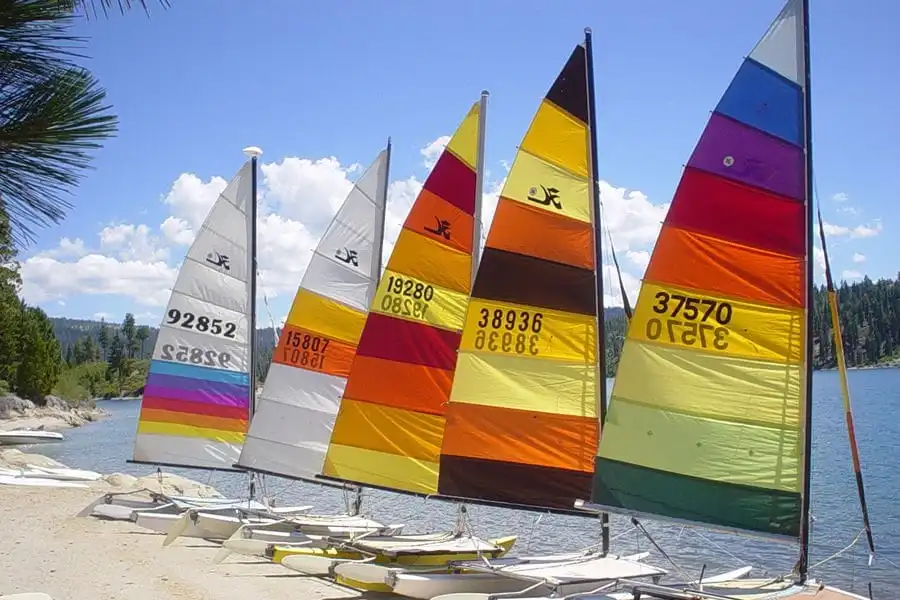
California summer camps include traditional overnight camps, day camps, and specialty programs focused on interests such as sports, arts, science, and outdoor adventure. Families can narrow their search by region, camp format, age requirements, session length, and budget.
From the lakes of the Sierra Nevada to the forests of Northern California and the Pacific coastline, summer camps in California offer children plenty of ways to spend their summer outdoors. Campers can learn to paddle, explore marine life, ride horses, or try a new sport, all while getting to know the people who will share their daily adventures.
California’s size and varied landscape give families a wide range of choices. A mountain sleepaway camp offers a different experience from a coastal science program or a neighborhood day camp. Understanding those differences can help you find a setting, schedule, and community that suit your child.
This guide explores California’s camp regions, the types of programs available, and the questions worth asking as you compare options.
What makes summer camps in California different?
The setting can play a large role in a California camp experience. In the mountains, a camp’s schedule might revolve around lake activities, hiking, and time in the forest. Along the coast, children may explore marine habitats or learn ocean skills. Farm and ranch programs offer another kind of outdoor experience, with opportunities to care for animals, garden, or ride horses.
That variety makes it worth looking beyond a camp’s activity list. If your child loves swimming, for example, ask whether that means a pool, a mountain lake, or the ocean. If they are interested in outdoor adventure, find out whether the program includes introductory activities on camp property or longer trips away from the main campus.
California’s climate also varies by location. Packing, sleeping arrangements, and daily schedules should reflect the camp’s actual setting. Follow the individual camp’s guidance rather than assuming every California summer calls for the same clothes and equipment.
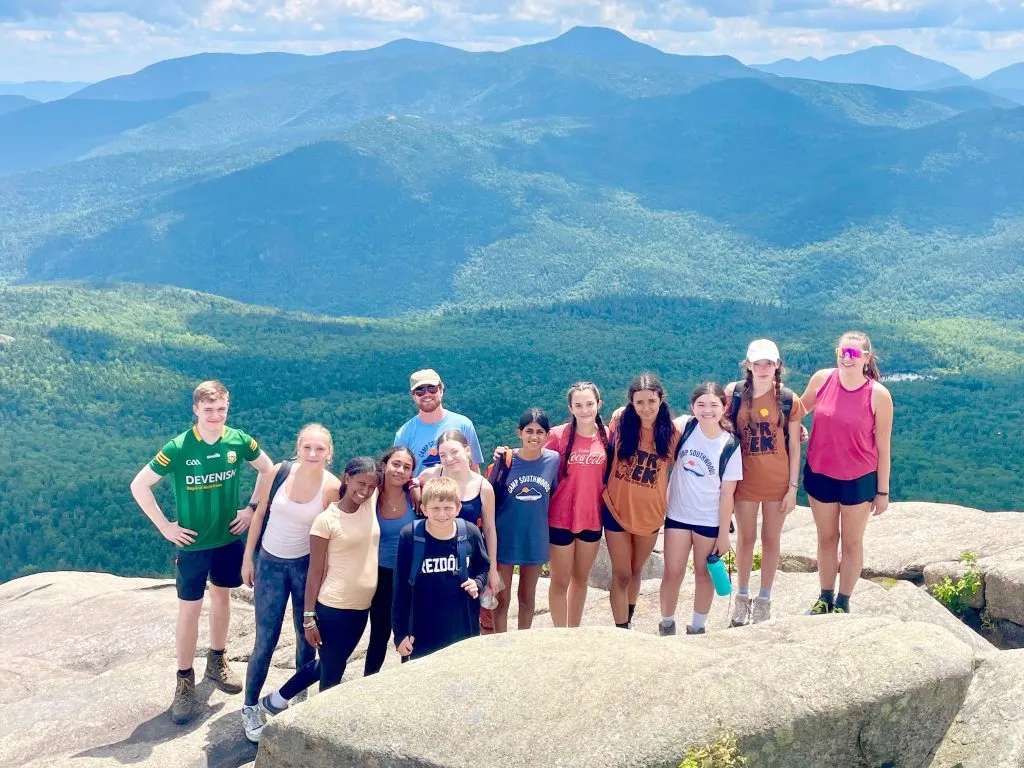
What types of summer camps are available in California?
Traditional overnight camps
California sleepaway camps combine shared living spaces with activities, meals, and evening programs. Children spend an extended period away from home, getting used to a new routine and taking part in a camp community.
A traditional program may include swimming, sports, crafts, climbing, and outdoor skills. Some camps organize most activities by cabin or age group, while others give campers more choice. Ask how the schedule works and how much time children spend in their preferred activities.
Day camps
Day camps give children a structured summer experience while allowing them to return home each evening. Families can explore options in and around Los Angeles, San Diego, the San Francisco Bay Area, Sacramento, and other communities throughout the state.
When comparing programs, consider the practical details alongside the activities. Drop-off times, transportation, extended care, and lunch arrangements can make a significant difference to your family’s routine.
(Not sure which option fits your child? Explore our guide to day camp vs. overnight camp to compare the experiences and find the right fit for your family.)
Specialty camps
Specialty programs let children spend more time on an existing interest or explore something new. Options include sports, performing and visual arts, coding, robotics, and marine science.
The amount of instruction can vary. A child hoping for intensive training may want something different from a camper who enjoys an activity but also wants a broad mix of summer fun. Ask about experience requirements, teaching methods, and the balance between focused instruction and other activities.
Outdoor adventure, farm, and ranch programs
These programs make the outdoor setting a central part of camp life. Depending on the camp, children might hike, paddle, practice wilderness skills, help care for animals, or take riding lessons.
Check the physical demands and level of independence expected, especially for programs that include trips away from camp. Beginners should have a clear picture of what they will learn and how staff will support them.
Faith-based camps
Families can also explore programs that incorporate religious teaching, worship, or spiritual reflection into the camp schedule. Ask how faith shapes daily life and whether campers need to share a particular religious background to participate.

Where are summer camps located in California?
Choosing a region is a helpful starting point, but the individual program matters just as much. Two camps in the same area can offer different schedules, activities, and approaches to camp life.
| Region or setting | Experiences families can explore | A useful question to ask |
| Sierra Nevada and foothills | Mountain settings, lake activities, hiking, and traditional overnight programs | How does the camp use its mountain or waterfront setting? |
| Northern California coast and forests | Forest exploration, farm experiences, and nature-focused activities | Which activities take place on the property, and which involve travel? |
| Southern California mountains | Overnight programs, outdoor recreation, and specialty activities | What transportation options are available from nearby cities? |
| Coastal and island locations | Marine science, sailing, snorkeling, and other ocean activities | What swimming abilities and travel arrangements are required? |
| Major metropolitan areas | Day camps, sports, arts, academic enrichment, and other specialty programs | Do the daily hours and commute work for our family? |
Sierra Nevada and foothills
For families picturing a summer of lake activities, wooded trails, and evenings with a cabin group, the Sierra Nevada and surrounding foothills are a natural place to explore.
Check the camp’s precise location when planning transportation. A familiar destination mentioned on a website may describe the broader region rather than the camp’s immediate surroundings.
Northern California coast and forests
Northern California offers settings that include redwood country, coastal foothills, and working farms. These environments can appeal to children who enjoy exploring outdoors, observing nature, or taking part in hands-on projects.
Look closely at how the setting shapes the program. A wooded property may host a broad traditional camp, while another program places nature education or farm work at the center of each day.
Southern California mountains
The mountains of Southern California offer another setting for overnight camp. Families researching options from Los Angeles, Orange County, or San Diego can look beyond their immediate neighborhoods while still considering programs within their part of the state.
Compare the full journey to camp, including any organized transportation, rather than relying on distance alone.
Coastal and island settings
Ocean-focused camps can give children opportunities to explore marine science and water activities in a coastal environment. Island programs also bring travel considerations that deserve attention early in the planning process.
Ask where campers meet staff, how transfers work, and which activities have age or swimming requirements.
What should parents look for in a California summer camp?
Start with what your child hopes to do and the kind of daily experience that will help them feel comfortable participating. Then work through the details that make a program a practical choice.
Activities and daily structure. Ask for a sample schedule. Find out how activities are assigned, how often favorites are offered, and where rest or free time fits into the day.
Session length and readiness. Consider previous experiences away from home, your child’s interest in attending, and the support available to new campers. Ask how counselors help children settle into cabin life and handle homesickness.
Tuition and additional expenses. Compare the total cost of attendance, including transportation, equipment, optional activities, and any other required charges. Review payment and cancellation terms before enrolling.
Staff preparation and supervision. Ask how staff are selected and trained, who supervises campers during different parts of the day, and how families can contact camp leadership.
Planning for the setting. Depending on the location, ask how the camp handles hot weather, poor air quality, changes to outdoor activities, and emergency communication. Waterfront programs should explain their swimming assessments and supervision practices.
Your child’s individual needs. Discuss dietary requirements, medications, accessibility, or other support needs directly with the camp. A detailed conversation will tell you more than a general statement on a website.
For help narrowing your priorities, read our guide to choosing the right summer camp for your child.
Should families choose a California camp or travel out of state?
A California camp may offer the activities and community your child wants within a manageable journey from home. Other families decide to travel farther for a particular program, session length, or camp tradition.
Compare the complete experience: the program itself, time away, travel arrangements, and overall cost. Ask your child what interests them, then speak with camp directors about how those interests would fit into daily life.
Families considering several locations can use American Summer Camps’ resources to explore different camp settings and approaches before making a decision.
Is ASC’s California Network Growing?
Families researching summer camps in California want to understand what makes each program worth considering. A camp’s location may bring them to the page, but its activities, community, and approach to caring for children help them decide what to explore next.
American Summer Camps is expanding its coverage of California and other regions as we connect families with information about summer camp. We welcome conversations with California camp owners and directors interested in introducing their programs to our audience. If you’re a California camp interested in reaching more prospective families and staff through ASC, reach out to our team to learn more. In the meantime, our search tool reflects our full current partner network, and we’ll continue expanding coverage in California and other underrepresented regions.
Frequently Asked Questions
California camps operate in mountain, forest, coastal, island, and urban settings. Families can explore the Sierra Nevada, Northern California’s coast and forests, Southern California’s mountains, and day programs in communities across the state. The right region depends on your preferred experience and travel plans.
Yes. California has traditional overnight camps and specialty sleepaway programs. Children stay at camp and participate in activities, meals, and evening programs together. Ages, accommodations, session lengths, and schedules vary, so check each camp’s current information.
Activities depend on the camp’s location and focus. Options may include swimming, paddling, hiking, horseback riding, sports, arts, marine science, or technology programs. Ask how frequently an activity is offered and whether it has age, experience, or additional-cost requirements.
Costs vary by program, session length, accommodations, and what tuition includes. Compare camps using the total cost for your child’s stay, including transportation and required extras. Ask directly about financial assistance, payment plans, and discounts.
Many overnight programs welcome children from outside California. Confirm enrollment eligibility and transportation arrangements with the camp. If your child will fly, ask about airport transfers, arrival windows, and how staff coordinate with families during travel.
California camp owners and directors can contact the American Summer Camps team to discuss listing and partnership opportunities. Share your camp’s location, programs, camper ages, and website so the team can learn about your camp and discuss the available options.
Explore Camp Options
Compare programs and find the right fit for your family. Search ASC’s camp directory or visit our Future Campers hub for more help choosing a camp.
