


A summer camp counselor job involves living and working at a residential or day camp for a full season (typically 7-10 weeks for overnight camps), supervising and mentoring campers, leading activities, and being a consistent, positive presence in kids’ lives during one of the most memorable summers of their childhood. It’s one of the most accessible seasonal jobs available to college students, teachers, and young professionals — most camps require no prior camp experience for entry-level roles — while also being one of the more demanding and rewarding, combining real responsibility with room, board, and a genuinely unique work environment.
This guide pulls together everything a prospective counselor needs to know in one place: what the job actually involves, what it pays, the different position types available, requirements, and exactly how to land an offer.
What Does a Camp Counselor Actually Do?
Day to day, a camp counselor’s core responsibilities include:
- Supervising a cabin or group of campers throughout the day and, at overnight camps, overnight as well
- Leading or co-leading activities (sports, arts, outdoor adventure, waterfront, depending on assignment and specialty)
- Managing group dynamics — conflict resolution, inclusion, and making sure every camper feels like part of the group
- Supporting campers through homesickness, frustration, or other emotional moments
- Participating in evening programming (campfires, talent shows, color war) and helping run camp-wide traditions
- Communicating with camp leadership about any camper concerns, and sometimes with parents directly
The specific mix depends heavily on role — a specialty instructor spends more time focused on their activity area, while a general/cabin counselor’s day is built more fully around group supervision and camp-wide programming.

Types of Camp Counselor and Staff Positions
General/cabin counselors handle day-to-day camper supervision and participate broadly across the daily activity schedule — the most common entry-level camp position.
Specialty instructors focus on a specific activity area (waterfront, athletics, arts, outdoor adventure, performing arts), often requiring relevant experience or certification.
Leadership roles (division heads, program directors, head counselors) oversee groups of counselors and broader program areas, typically requiring prior camp experience.
Support and operations staff cover everything from kitchen and dining to maintenance, administration, and photography/media roles — camp jobs beyond direct camper supervision.
Health center staff (nurses, in some cases physicians) provide medical care for the full camper and staff population.
What Positions Do Summer Camps Hire For? breaks down the full range of roles in more depth, and Summer Camp Activity Specialist Jobs covers specialty instructor positions specifically.
What Does the Job Pay?
Camp counselor compensation typically includes a cash wage plus free room and board for the season, which meaningfully changes the real value of the position beyond the base pay figure. Weekly pay commonly falls somewhere between $400 and $800+ depending on role, camp, and experience, with specialty and leadership roles trending higher. How Much Do Camp Counselors Get Paid? breaks this down in full detail, including what’s typically included beyond salary.
Who Camps Hire — Do You Need Experience?
Most camps do not require prior camp experience for general counselor roles — they’re looking primarily for maturity, reliability, and genuine enthusiasm for working with kids, and provide staff training before the season starts to cover camp-specific skills. That said, camps do look closely at:
- Any prior experience working with children (babysitting, coaching, tutoring, teaching)
- Relevant certifications for specialty roles (lifeguard certification, coaching background, wilderness first aid, etc.)
- References that speak to reliability and character
- A clean background check, which nearly all camps require as standard practice
Popular applicant pools include college students, teachers (who have a schedule that lines up naturally with camp season — see Are Summer Camp Jobs a Good Fit for Teachers?), and international applicants through visa-sponsored programs like the J-1 Camp Counselor Program (see Navigating the J1 Visa Process for International Camp Counselors).
How to Apply and Land an Offer
1. Decide what type of camp and role fits you. Consider camp type (day vs. overnight), region, and whether you’re drawn to a general counselor role or a specialty area matching a skill you already have.
2. Build an application that highlights relevant experience. Even informal experience with kids — babysitting, coaching a youth team, tutoring — is worth including. Camp Counselor Application Tips: How to Build a Strong Application covers exactly what to include.
3. Prepare for an interview that assesses fit as much as skill. Camps are evaluating judgment, energy, and how you’d handle real camper scenarios, not just your resume. How to Get Hired at Summer Camp: Application and Interview Tips walks through what to expect.
4. Follow a camp’s specific application process closely. Step-by-Step Guide to Applying for a Summer Camp Counselor Job covers the full process end to end, from initial application through offer.
5. Apply early. Camps often begin hiring for the following summer as early as fall and winter of the prior year — the strongest positions and specialty roles typically fill first.

Life at Camp: What to Expect Beyond the Job Description
Beyond the formal responsibilities, camp counselor life has a distinct rhythm worth understanding before you sign on:
Staff housing and time off. Most residential camps house staff in shared cabins or staff housing near (but usually separate from) camper cabins, and build in regular time off — commonly one evening and part or all of one day per week — for staff to rest, socialize, or head off-campus.
A built-in social community. Camp staff teams are typically young, social, and living in close quarters for the summer, which many former counselors cite as one of the best parts of the job — fast, genuine friendships built through a shared, intense summer experience.
Real physical and emotional demand. Camp counseling is active, often early-morning-to-late-night work, and emotionally demanding at times (supporting homesick campers, managing group conflict). Most staff describe it as tiring in a good way, but it’s worth going in with realistic expectations rather than picturing it as a relaxing summer.
Staff training before campers arrive. Nearly every camp runs a staff orientation/training period — typically several days to a week — before campers arrive, covering everything from camp-specific policies to activity-specific certifications.
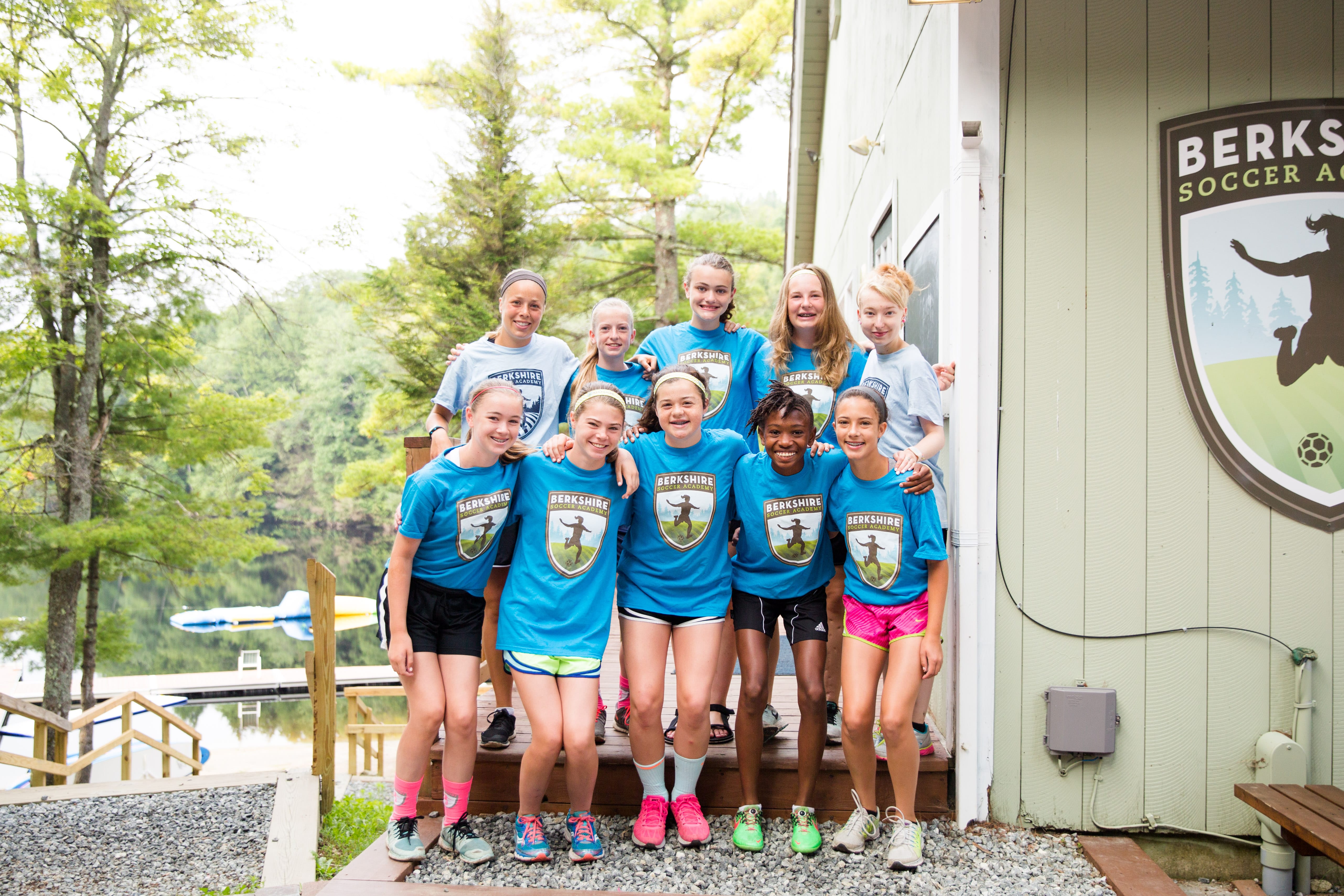
What Makes Camp Work Different From Other Seasonal Jobs
Camp counselor work stands apart from a typical summer job in a few concrete ways: it’s a live-in position (for overnight camps), it comes with a built-in community of other staff your age, and it hands entry-level workers real responsibility and leadership experience most seasonal jobs don’t offer. Many former counselors describe it as one of the most formative jobs of their early adulthood — and employers consistently value the skills it builds. Why Employers Should Hire Former Camp Counselors covers how camp experience translates into other career paths after the season ends.
Frequently Asked Questions
Do I need prior experience to become a camp counselor?
No — most general counselor roles require no prior camp experience specifically, though any experience working with kids strengthens an application. Camps provide staff training before the season to cover camp-specific skills.
How much does a camp counselor job pay?
Typically $400-$800+ per week depending on role and camp, plus free room and board for residential positions — see our full pay guide for more detail.
What’s the difference between a general counselor and a specialty instructor?
General counselors focus on day-to-day camper supervision across the full activity schedule, while specialty instructors focus on one specific activity area, often requiring relevant experience or certification.
When should I apply for a camp counselor job?
As early as possible — many camps begin hiring for the following summer in the fall and winter beforehand, and the strongest roles tend to fill first.
Can international applicants work as camp counselors in the US?
Yes, commonly through the J-1 Camp Counselor Program, a visa-sponsored cultural exchange program specifically designed for international camp staff.
What’s the difference between working at a day camp versus an overnight camp as a counselor?
Overnight camp counselor roles involve living on-site and supervising campers around the clock, including evenings, while day camp counselor roles end when campers go home each afternoon — a schedule closer to a typical daytime job with no live-in component.
Start Your Camp Counselor Job Search
Ready to find the right role? Search current camp job openings or visit our Work at Camp landing page to explore positions across ASC’s partner camps.
