


Every camp counselor remembers their first summer differently, but ask enough former staff what they wish they’d known going in, and the same handful of lessons come up again and again. If you’re gearing up for your first season, here’s the advice that actually would have helped.
You’ll Be More Tired Than You Expect — Even on Easy Days
Camp exhaustion isn’t just about long hours. It’s the mental energy of being “on” for a group of kids from wake-up to lights-out, plus overnight duty nights, plus the physical activity of the job itself. Former staff consistently say the tiredness caught them off guard even when the schedule looked manageable on paper. Pacing yourself — and actually sleeping when you get the chance — matters more than it seems like it will in week one.
Homesickness Isn’t Just a Camper Problem
It’s common for staff, especially first-summer counselors, to feel a version of homesickness too — missing routines, friends, or just familiar comforts. Camps that do this well normalize it openly during training instead of treating it as something only campers go through. Knowing it’s normal ahead of time makes it far easier to push through the first week or two.
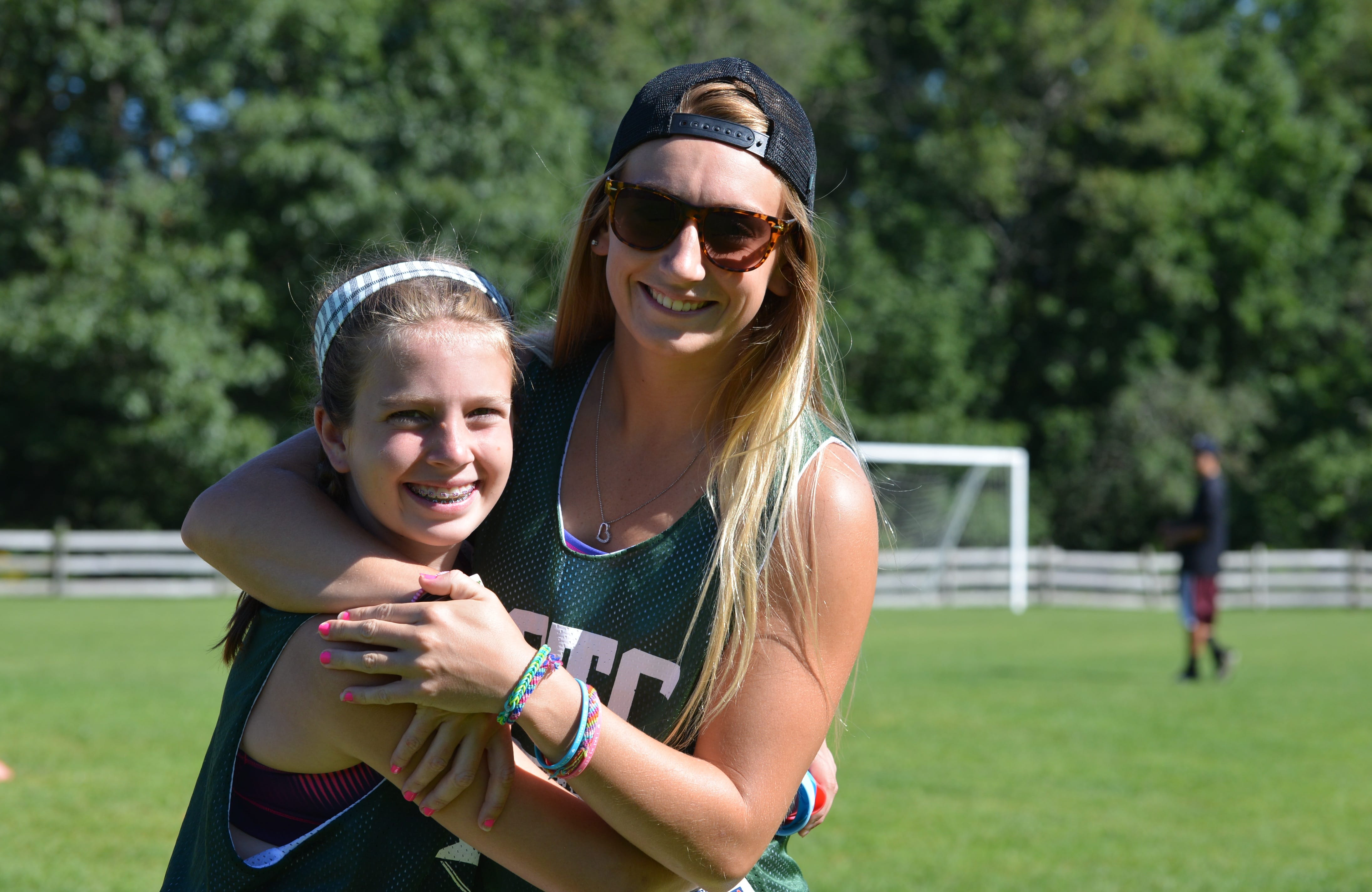
The Bonds You Build Move Fast — and Go Deep
Because everyone is living in close quarters and working intensely together, camp friendships and camper relationships form faster than almost any other environment. Former counselors frequently describe being unprepared for how attached they’d get to their cabin group, or how real the friendships with fellow staff would feel, by just week two or three.
Bring More Practical Gear Than You Think You Need
Past counselors consistently flag the same packing regrets: not enough weather-appropriate layers, no backup shoes for wet days, and underestimating how much a good headlamp, water bottle, and sunscreen supply actually get used. It’s worth over-preparing here rather than assuming you can buy what you’re missing once you arrive.
Your Patience Gets Tested — and That’s the Point
Managing a cabin full of kids with different needs, moods, and energy levels all day is genuinely hard, and most first-time counselors hit a moment where their patience runs out. Experienced staff say the difference between a rough summer and a great one often comes down to knowing that moment is normal, and having a plan (a quick break, a co-counselor check-in, asking a division head for help) rather than trying to push through alone.

Ask for Help Early — Nobody Expects You to Have It Figured Out
One of the most common regrets among former staff is waiting too long to ask a division head or head counselor for help with a hard situation — a homesick camper, a conflict between kids, a logistics problem. Camp leadership expects first-summer staff to need support, and asking early is almost always read as good judgment, not weakness.
The First Week Feels Chaotic — Then It Clicks
Nearly every former counselor describes the first several days of camp as overwhelming: new names, new routines, new expectations, all at once. Just as consistently, they describe a turning point — usually somewhere around the end of week one — where the schedule starts to feel automatic and the chaos settles into rhythm. Knowing that shift is coming makes the rough start easier to push through.

It’s Okay If Your First Summer Isn’t Perfect
The counselors who look back on their first season most fondly are rarely the ones who had a flawless summer — they’re the ones who kept showing up, learned from what went sideways, and leaned on their team when they needed to. A rocky first week or a mistake with a camper doesn’t define the summer, and it’s the kind of thing nearly every veteran counselor has a story about too.
Frequently Asked Questions
How should I prepare for my first summer as a camp counselor?
Beyond packing the right gear, the most useful preparation is mental: expect an intense adjustment period, plan to ask for help when you need it, and go in knowing that the first week is the hardest one.
Is it normal to feel overwhelmed during staff training?
Yes — staff training compresses a lot of information into a short window, and feeling overwhelmed at that stage is extremely common. Most of it clicks once the season is actually underway and you’re applying it day to day.
Thinking About Your First Season?
If you’re considering a counselor-in-training pathway before jumping straight into a staff role, see our guide to Counselor-in-Training (CIT) programs. Ready to apply? Explore open camp counselor jobs today.
