

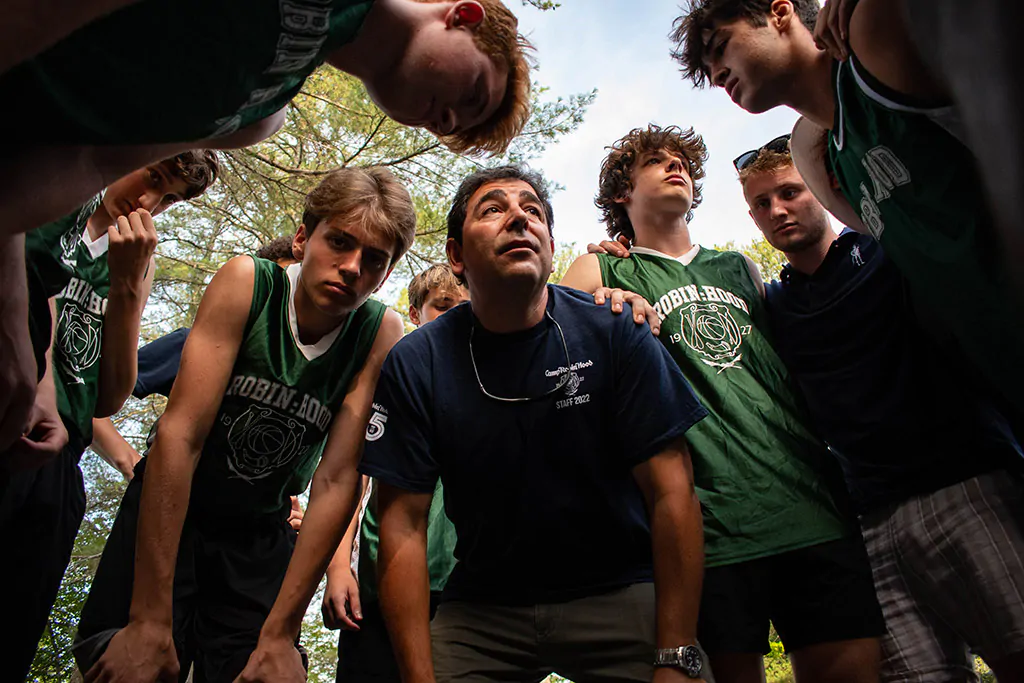
If you’re traveling from another country to work as a counselor at a U.S. summer camp, you will generally participate through the J-1 visa for camp counselors. The process involves working with a designated sponsor, receiving your DS-2019, completing a visa application, attending any required interview, and preparing for your summer in America.
Working at summer camp in the United States can be an unforgettable way to spend your summer. You’ll meet people from around the world, build practical skills, experience American culture, and become part of a close-knit camp community.
For international applicants, however, there is an important step between getting excited about camp and boarding a flight to the United States: getting the correct visa.
Many international counselors come to the U.S. through the J-1 Camp Counselor Program, part of the U.S. Department of State’s BridgeUSA cultural exchange program. While the process can seem complicated at first, it becomes much easier once you understand how the different steps fit together.
Here’s what international applicants should know about the J-1 visa process for summer camp.
What Is the J-1 Visa for Camp Counselors?
The J-1 is an exchange visitor visa used for several types of cultural and educational exchange programs in the United States. One of those categories is specifically designed for international camp counselors.
The BridgeUSA Camp Counselor Program allows eligible international participants to live and work at a U.S. camp while taking part in cultural exchange. In other words, the program is about much more than having a summer job.
International staff get the chance to share their own cultures, traditions, and experiences with American campers and coworkers. At the same time, they get an immersive introduction to life in the United States.
The U.S. Department of State allows eligible Camp Counselor participants to take part in the program for up to four months. Extensions under the Camp Counselor category are not permitted.
Do International Camp Counselors Need a J-1 Visa?
International applicants participating in the BridgeUSA Camp Counselor Program generally need the appropriate J-1 exchange visitor visa before traveling to the United States for camp.
A tourist visa or the Visa Waiver Program is not a replacement for the correct exchange visitor visa. The Department of State states that participants traveling to the United States for an exchange program must use the appropriate visa category.
Your exact requirements may depend on your nationality, position, program, and sponsor. Because of this, your designated sponsor should be one of your main sources of guidance throughout the process.
Who Is Eligible for the J-1 Camp Counselor Program?
The Camp Counselor Program has several specific eligibility requirements.
According to BridgeUSA, camp counselors must:
- Be at least 18 years old
- Have enough English proficiency to supervise and communicate with American campers
- Be a foreign post-secondary student, youth worker, teacher, or someone with relevant specialized skills
- Meet the screening and eligibility requirements of their designated program sponsor
You do not necessarily have to be a university student to qualify. Youth workers, teachers, and other appropriately qualified applicants may also be eligible.
Strong English skills are particularly important because counselors spend much of their summer communicating with campers, coworkers, and camp leadership.
How to Get a J-1 Visa for Summer Camp
The exact process varies depending on your sponsor and the U.S. Embassy or Consulate handling your application. However, most international counselors will follow a similar path.
1. Apply to Work at a Summer Camp
First, you need to pursue an eligible summer camp opportunity.
Your application may involve sharing your work experience, education, interests, certifications, and activity skills. Camps frequently look for candidates who enjoy working with children and can contribute to activities such as sports, waterfront programs, arts, outdoor adventure, media, and more.
If you’re still at this stage, learning more about summer camp jobs in America and the different roles available can help you determine which positions suit you best.
2. Work With a Designated J-1 Sponsor
One of the most important things to understand is that your camp is not automatically your J-1 visa sponsor.
J-1 participants must take part through an organization that has been designated by the U.S. Department of State to administer an exchange visitor program.
Your sponsor plays a major role throughout the process. Among other responsibilities, sponsors screen participants, maintain required program records, provide pre-arrival information, monitor participants during their stay, and help ensure program requirements are followed.
Your sponsor will also be an important point of contact if questions or problems arise during your summer.
3. Receive Your Form DS-2019
After you have been accepted into an eligible exchange program and your sponsor has processed the necessary information, you will receive a Form DS-2019, officially called the Certificate of Eligibility for Exchange Visitor Status.
This is one of the most important documents in the J-1 process.
Your DS-2019 contains information about you, your sponsor, and your approved exchange program. You will need it as you continue through the visa application process.
Keep this document safe and carefully review the information on it when you receive it.
4. Complete Form DS-160
Next, most applicants seeking a J visa must complete the DS-160 Online Nonimmigrant Visa Application.
The DS-160 asks for information about your identity, travel plans, background, and intended visit to the United States.
After submitting the form, save and print your confirmation page. The Department of State lists the DS-160 confirmation page among the required documents applicants should prepare for the visa process.
Take your time when completing the form. Your information should be accurate and consistent with your other documents.
5. Pay Any Required Visa Fees
Depending on your circumstances, you may need to pay fees related to your J-1 application or exchange program.
Fees and procedures can change, so avoid relying on an old blog post or social media video for an exact amount.
Instead, follow current instructions from your sponsor, the U.S. Department of State, and the embassy or consulate where you are applying.
Keep copies of any required payment receipts.
6. Schedule Your Visa Interview
Depending on current rules and your individual circumstances, you may need to attend an interview at a U.S. Embassy or Consulate.
Appointment procedures and availability vary by location. The Department of State instructs applicants to review the specific application instructions provided by the embassy or consulate where they plan to apply.
Summer is a popular travel season, so it is wise to begin the process as early as your program allows.
7. Attend Your J-1 Visa Interview
If an interview is required, a consular officer will review your application and determine whether you qualify for the visa.
The interview itself may be fairly straightforward. You should still arrive prepared and understand the basic details of your exchange program.
Be ready to explain things such as:
- Why you are traveling to the United States
- Which camp or program you will participate in
- What your role at camp will involve
- How long your program is expected to last
- What you plan to do after the program ends
Answer questions clearly and truthfully.
Approval is never automatic. Some applications may also require additional administrative processing after the interview.
8. Prepare for Your Summer at Camp
Once your visa process is complete and you are cleared to travel, the exciting part begins.
You can start focusing on your flights, packing, camp orientation, and what to expect once you arrive.
This is also a good time to learn about American camp culture. Summer camp has its own traditions, routines, terminology, and sense of community. Knowing a little about what awaits you can make your first few days much easier.
What Documents Do You Need for a J-1 Visa Interview?
The exact documents you need can vary, so always follow the instructions provided by your sponsor and the embassy or consulate handling your application.
Common required documents may include:
- A valid passport
- Your DS-160 confirmation page
- Your Form DS-2019
- Required fee payment receipts, when applicable
- A photograph that meets applicable visa requirements
- Any additional documents requested by the embassy or consulate
The Department of State notes that applicants may also be asked for evidence related to their purpose of travel, plans to leave the United States after the program, or ability to cover travel expenses.
Your sponsor may give you additional documentation or instructions specific to your program.
How Long Does the J-1 Visa Process Take?
There is no single timeline that applies to every international camp counselor.
Several parts of the process can affect how long it takes, including:
- Sponsor application and screening
- Camp placement or hiring
- Processing of your DS-2019
- Embassy or consulate appointment availability
- Visa application processing
- Additional administrative processing, if required
Because many camp programs begin around the same time each year, waiting until the last minute can create unnecessary stress.
Complete each stage promptly when your sponsor asks you to do something. If you are unsure about a deadline or document, ask your sponsor instead of guessing.
How Long Can You Work at Camp on a J-1 Visa?
Participants in the BridgeUSA Camp Counselor Program can participate for up to four months. The Department of State does not permit extensions within the Camp Counselor program.
That does not mean every participant automatically receives exactly four months.
Your authorized program dates will depend on your specific exchange program and the information listed on your DS-2019.
Make sure you understand those dates before arranging your travel.
What Happens After Your J-1 Visa Is Approved?
Once your visa is approved, you can turn your attention toward actually getting ready for camp.
There may still be several things to complete before departure. These could include travel arrangements, sponsor requirements, camp paperwork, medical forms, background checks, staff training materials, or other onboarding steps.
Your camp should give you information about when and where to arrive.
Then comes the more enjoyable preparation: figuring out what to pack, learning what your role will look like, and getting excited about the people you’re about to meet.
For many international staff members, the first few days of camp can feel like a whirlwind. You may be adjusting to a new country, a new workplace, and dozens of new names at once.
That feeling usually changes quickly. Staff training and orientation give you time to meet coworkers, learn camp routines, understand safety procedures, and settle into your new environment before campers arrive.
Can You Travel in the United States After Summer Camp?
Travel is one of the reasons many international applicants are attracted to a summer in America.
However, you should never assume how long you can legally remain in the United States after your camp program ends.
Your ability to travel after camp depends on your immigration status, program dates, and applicable J-1 rules. Always discuss your travel plans with your designated sponsor before booking trips or flights.
Your sponsor can explain the rules that apply to your specific program.
Why Work at a U.S. Summer Camp as an International Counselor?
The visa process may involve paperwork, appointments, and patience. For many international counselors, the experience waiting on the other side is well worth the effort.
Working at summer camp gives you a chance to spend a summer living and working alongside people from the United States and around the world.
You can also develop skills that transfer far beyond camp.
Counselors learn how to communicate with different personalities, lead groups, solve problems, adapt quickly, and take responsibility for other people. Activity specialists also get opportunities to teach skills they already enjoy, whether that’s soccer, waterskiing, photography, climbing, arts and crafts, or something completely different.
And because housing and meals are generally provided as part of the camp experience, you get to spend your summer fully immersed in the community around you.
You may arrive thinking of it as a seasonal job abroad. You could leave with lifelong friends, stronger leadership skills, and a second home on the other side of the world.
Frequently Asked Questions About the J-1 Visa for Camp Counselors
International participants entering the United States through the BridgeUSA Camp Counselor Program generally use a J-1 exchange visitor visa. Your designated sponsor can confirm which visa category applies to your specific position and circumstances.
You need to participate through an approved exchange visitor program administered by a Department of State-designated sponsor. Your sponsor plays a central role in determining eligibility and providing the documentation needed for the J-1 process.
Not necessarily. BridgeUSA allows foreign post-secondary students, youth workers, teachers, and individuals with relevant specialized skills to participate, provided they meet the other requirements.
Camp Counselor participants must be at least 18 years old. Individual camps or placement organizations may have additional age preferences or requirements.
Yes, international staff may work in certain eligible support positions, but those roles do not necessarily fall under the Camp Counselor category. Some participants may instead use the Summer Work Travel program, depending on their eligibility and job.
BridgeUSA allows participation in the Camp Counselor Program for up to four months. Your exact authorized program dates will be listed on your program documentation.
A visa is never guaranteed. If your application is refused or requires additional processing, follow the instructions given by the consular officer and contact your designated sponsor as soon as possible. Your sponsor can help you understand how the outcome affects your camp placement.
Start Your Summer Camp Journey
Getting your J-1 visa for camp counselors may feel like one of the more intimidating parts of preparing for a summer in America. Fortunately, you do not have to navigate the process completely on your own.
Your designated sponsor, placement organization, and summer camp can help guide you through different parts of your preparation.
Start early, pay close attention to your paperwork, and ask questions whenever something is unclear.
Once those details are handled, you can focus on what the experience is really about: spending a summer outside, meeting people from around the world, building valuable skills, and making an impact on the lives of campers.
Ready to explore summer camp jobs in America? American Summer Camps can help you discover opportunities at camps across the United States and take the next step toward an unforgettable summer.
Visa rules, procedures, fees, and eligibility requirements can change. Always confirm current requirements with your designated BridgeUSA sponsor, the U.S. Department of State, and the U.S. Embassy or Consulate handling your application.
