

A well-planned summer camp packing list helps your child feel confident, comfortable, and ready to thrive at camp. Focus on essentials, follow your camp’s guidelines, and avoid overpacking to set your camper up for success.
Sending your child to camp is exciting—but figuring out exactly what to pack can feel overwhelming. A thoughtful summer camp packing list takes the guesswork out of preparation and helps ensure your child has everything they need for a safe, comfortable, and fun experience.
For many parents, packing is tied to bigger questions: Will my child be okay? Will they feel comfortable? Will they be prepared? The good news is that with the right approach, packing becomes one of the easiest ways to set your child up for a smooth, successful summer.
Whether it’s their first summer away or they’re seasoned campers, packing properly can make a huge difference in how confident and independent they feel from day one.
Why Packing Properly for Summer Camp Matters
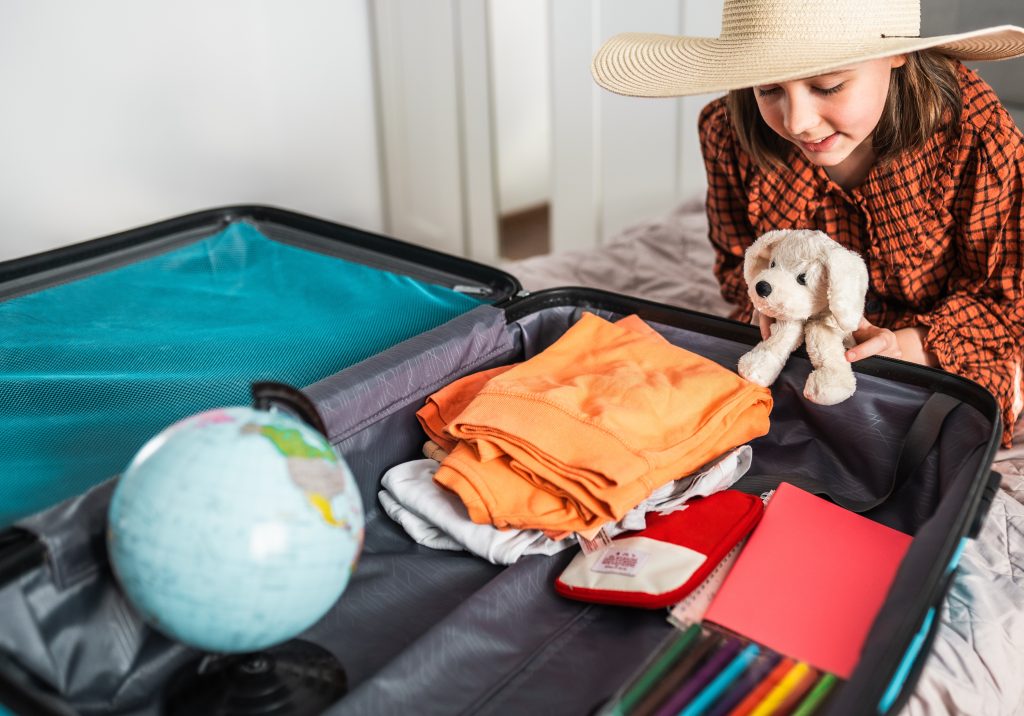
Packing isn’t just about bringing enough clothes—it’s about setting your child up for success.
A well-prepared camper is more likely to:
- Feel confident and independent
- Adjust quickly to camp life
- Avoid unnecessary stress or homesickness
- Stay comfortable during daily activities
It also helps reduce the number of “I wish I had packed…” moments that can distract from the camp experience.
When kids know they have what they need—and know where to find it—they can focus on what really matters: making friends, trying new activities, and building independence.
The Ultimate Summer Camp Packing List
Every camp is a little different, but this summer camp packing list covers the essentials most campers will need. Always double-check your camp’s specific guidelines, as some items may be required or restricted.
Clothing Essentials for Summer Camp
Clothing should be comfortable, durable, and easy to mix and match. Camp is active—and often messy—so prioritize practicality over style.
- T-shirts and tank tops (7–10)
- Shorts and athletic wear
- Underwear and socks (pack extras)
- Sweatshirt or light jacket (cool mornings/nights)
- Long pants or leggings
- Pajamas
- Swimsuits (2–3 recommended)
- Rain jacket or poncho
👉 Tip: Choose clothes you don’t mind getting dirty or lost.
Footwear
Campers are on their feet all day, so proper footwear is essential.
- Sneakers (at least one sturdy pair)
- Sandals or flip-flops
- Shower shoes (especially for shared bathrooms)
👉 Tip: Break in new shoes before camp to avoid blisters.
Toiletries & Personal Items
Personal care items help campers stay clean, comfortable, and confident.
- Toothbrush and toothpaste
- Shampoo and conditioner
- Body wash or soap
- Hairbrush or comb
- Sunscreen (SPF 30+ recommended)
- Bug spray
- Deodorant
- Lip balm
👉 Tip: Use a toiletry bag or hanging organizer for easy access.
Optional Extras
These items aren’t required, but they can help your child feel more at home.
- Books or magazines
- Card games or small group games
- Reusable water bottle
- Small backpack or day bag
- Photos from home or letters
- Stuffed animal or comfort item
👉 Tip: Keep extras minimal—too many items can overwhelm younger campers.
What NOT to Pack for Summer Camp
Knowing what to leave at home is just as important as knowing what to bring.
Avoid packing:
- Expensive electronics (phones, tablets, gaming devices)
- Valuable or irreplaceable items
- Jewelry
- Food or snacks (unless explicitly allowed)
- Clothing that requires special care
- Items that violate camp rules
Many camps intentionally limit electronics to help campers fully engage, build friendships, and disconnect from screens.
👉 When in doubt, leave it out. Simpler is better at camp.
Camp Packing Tips for Parents
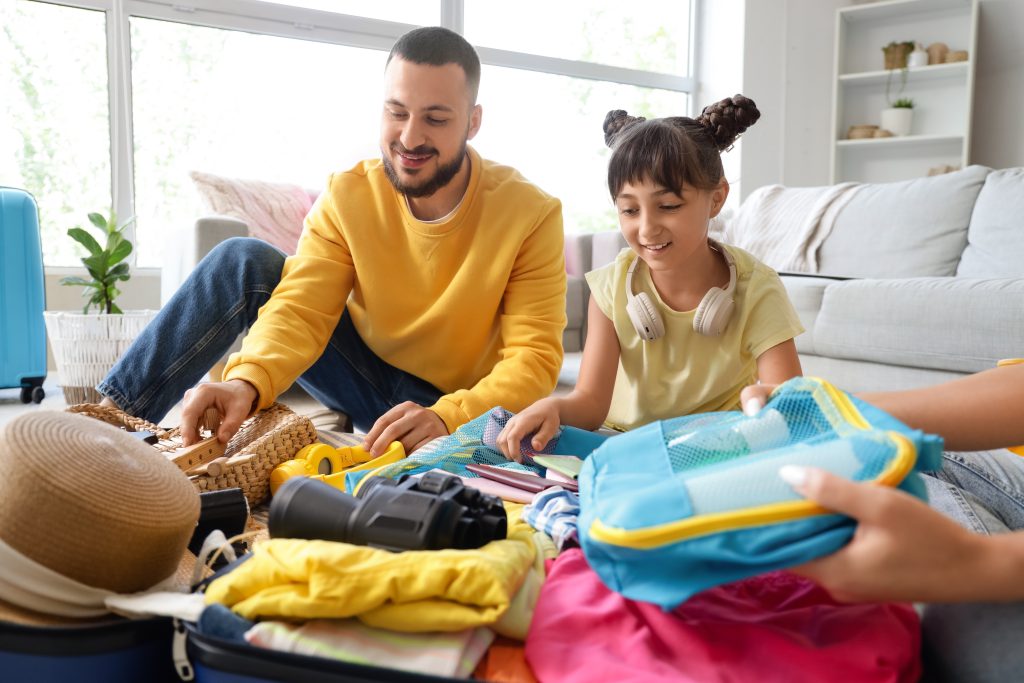
These simple tips can make packing smoother—and camp life much easier for your child.
- Label everything with your child’s name (clothing, shoes, towels, gear)
- Use iron-on labels, sticker labels, or a permanent marker
- Focus especially on commonly lost items like socks, sweatshirts, and water bottles
- This dramatically increases the chances lost items make their way back
- Pack with your child so they know where everything is
- Walk them through their bag and explain what each item is for
- Let them help choose outfits and organize their belongings
- This builds ownership and reduces the need to ask counselors for help
- Follow the camp’s packing list closely—don’t improvise too much
- Camps design their lists based on real daily needs and schedules
- Adding extra or unnecessary items can actually make things harder for your child
- When in doubt, trust the camp’s recommendations
- Don’t overpack—organization is more important than quantity
- Too many items can overwhelm campers, especially younger ones
- Limited space in cabins or bunks makes simplicity key
- Packing fewer, versatile items helps kids stay organized and independent
- Keep things easy to access
- Use packing cubes, zip bags, or labeled sections in a duffel
- Store frequently used items like pajamas or toiletries on top
- A simple system helps your child quickly find what they need
It’s also helpful to talk through the packing process together. Show your child where items are stored, how to repack their bag, and how to keep their space tidy. These small moments build confidence and independence—and help your child feel fully prepared before they even arrive at camp.
How to Pack for Sleepaway Camp (Step-by-Step)
Packing smart is just as important as packing the right items. A little organization upfront makes a big difference during the summer.
- Choose a duffel bag or trunk based on camp guidelines
- Organize clothing by outfits or categories
- Use packing cubes or labeled bags for easy access
- Keep frequently used items on top
- Store toiletries in a separate, waterproof bag
- Leave a little extra space for items coming home
👉 Tip: Roll clothes instead of folding to save space and reduce wrinkles.
Final Thoughts: Packing for a Stress-Free Camp Experience
Packing for camp doesn’t have to be stressful. With the right summer camp packing list, you can feel confident your child is fully prepared for their adventure.
Remember: camp isn’t about having the perfect gear—it’s about growth, independence, and unforgettable memories.
When your child arrives with the essentials (and the confidence to use them), they’re ready to jump into everything camp has to offer—from morning activities to campfires under the stars.
Frequently Asked Questions About Summer Camp Packing Lists
Kids should pack clothing, toiletries, bedding, and a few comfort items that help them feel at home. A well-rounded summer camp packing list ensures they are prepared for both daily activities and downtime.
Most camps recommend packing enough clothing for 7–10 days, with access to laundry facilities. Packing more than this can make it harder for campers to stay organized.
Avoid packing electronics, valuables, or anything irreplaceable. Camps are active environments, and items can easily be lost or damaged.
Some camps provide basic bedding, but many require campers to bring their own. Toiletries are almost always the camper’s responsibility.
Use permanent markers, iron-on labels, or sticker labels to clearly mark all belongings. Labeling helps ensure items make their way back if misplaced.
Pack together and walk through where everything is stored. This helps your child feel more confident and capable once they arrive at camp.
Break your list into categories like clothing, toiletries, and extras. Checking off items as you pack ensures nothing gets forgotten and keeps the process stress-free.
Ready for Camp?
If you’re still planning your child’s summer, now is the perfect time to explore trusted camps that offer safe, structured, and unforgettable experiences.
A great camp—and a thoughtful summer camp packing list—can make all the difference in helping your child have the best summer of their life.
