This guide breaks down the four main types of summer camps—traditional, choice-based, hybrid, and specialty—so parents can understand how each structure shapes a child’s daily experience. It helps families choose the right fit by aligning camp style with their child’s personality, interests, and goals to create a more positive, engaging summer.
Enter your Email Address for personalized recommendations and summer camp resources.
Choosing the right summer camp for your child can feel overwhelming—especially with so many options available today. From traditional camps rooted in decades-old traditions to modern, choice-based programs and highly specialized experiences, each type offers something unique.
This guide breaks down the four major types of summer camps—traditional, choice-based, hybrid, and specialty camps—so you can confidently decide which environment best fits your child’s personality, interests, and goals.
Why Understanding Camp Types Matters
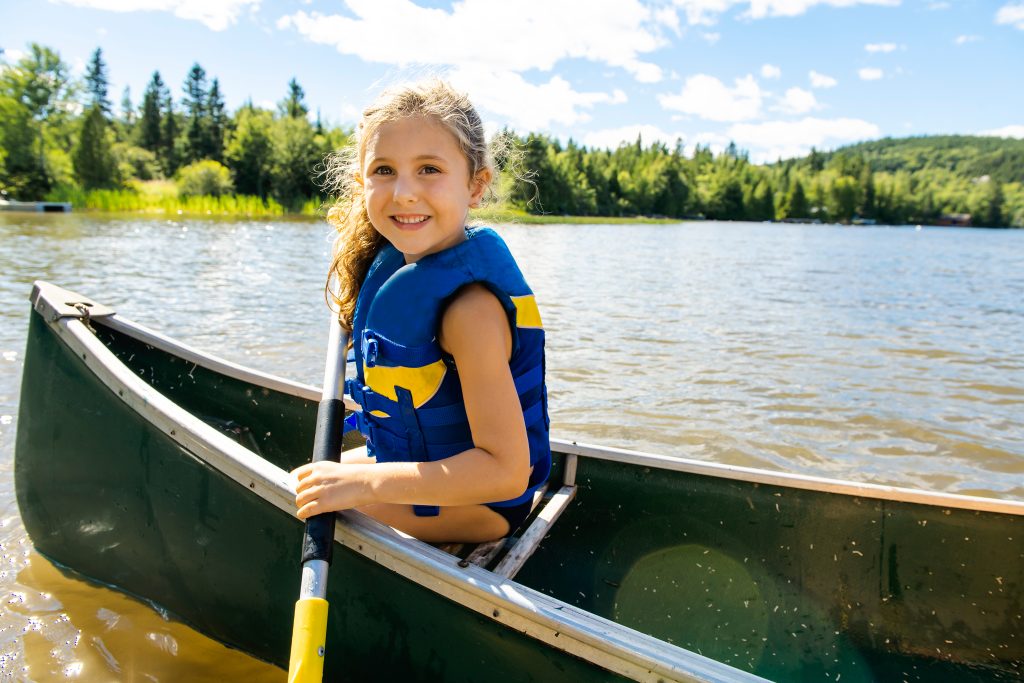
There are thousands of camps across the U.S., and the industry continues to evolve with more personalized programming, flexible structures, and camper-centered experiences. What used to be a fairly uniform model has now expanded into a wide range of formats designed to meet different developmental needs, personalities, and interests.
While all camps aim to promote independence, friendships, resilience, and personal growth, the daily structure and level of choice can vary dramatically—and that’s what makes understanding camp types so important. Two camps may look similar on the surface but offer completely different day-to-day experiences for your child.
For parents, understanding these differences helps you:
- Set realistic expectations for your child’s experience
- Choose an environment where your child will feel confident and supported
- Align camp with your goals (social growth, skill-building, independence, etc.)
For kids, the right fit can make all the difference. A well-matched camp environment leads to stronger friendships, more engagement, and a more positive overall experience.
1. Traditional Summer Camps
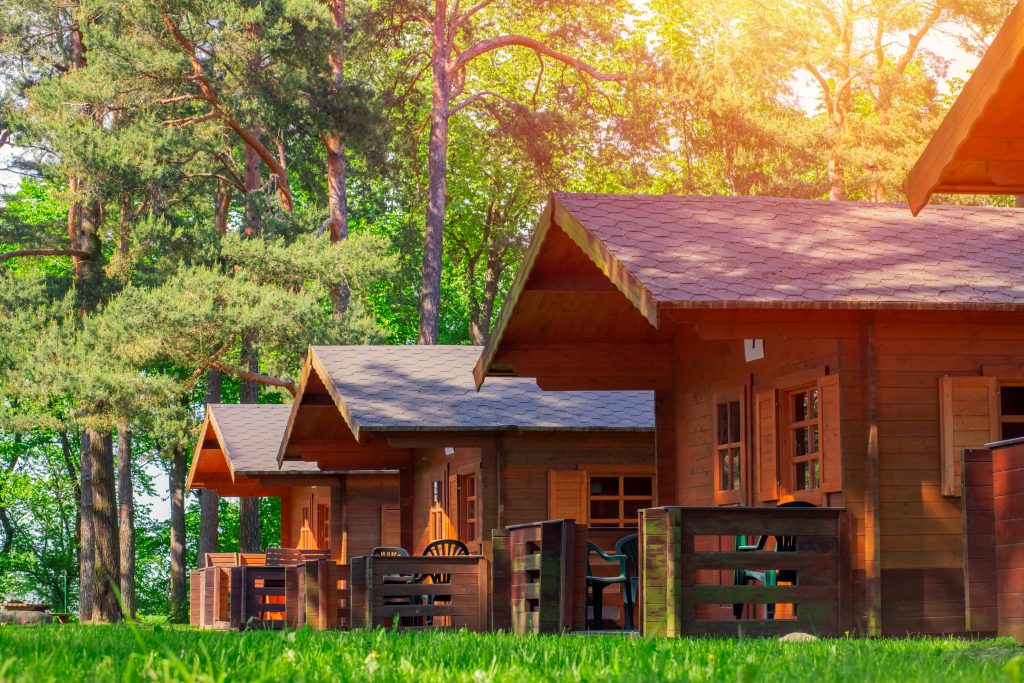
Traditional camps are what most people picture when they think of “summer camp.” They represent the classic, time-tested model that has defined camp culture for generations.
What Defines a Traditional Camp?
Traditional camps follow a preset daily schedule, where campers move through activities together as a bunk or cabin group. Each day is carefully planned by camp leadership to provide a balanced mix of activities, rest, meals, and social time.
This structure creates a strong sense of rhythm and predictability, which helps campers—especially younger or first-time campers—feel secure and settled into camp life quickly.
Key Characteristics:
- Pre-scheduled daily activities
- Campers stay with the same group (bunk cohort)
- Wide variety of activities (sports, arts, waterfront, outdoor adventure)
- Strong traditions (campfires, color war, songs)
Traditional camps are designed to give campers broad exposure to a wide range of activities. A child might try archery in the morning, swim in the afternoon, and perform in a talent show at night—all in the same day.
This variety is especially valuable for younger campers who are still discovering their interests. It allows them to experiment in a low-pressure environment and build confidence through trying new things.
Beyond activities, traditional camps are deeply rooted in community and belonging. Campers eat meals together, live in shared cabins, and participate in group traditions that build lasting bonds. Many lifelong friendships—and even family traditions—are formed in these environments.
Best For:
- First-time campers
- Kids who thrive with structure and routine
- Families seeking the “classic camp experience”
Traditional camps are often the foundation of a child’s camp journey, offering a supportive environment where they can grow socially, emotionally, and independently.
2. Choice-Based Camps
Choice-based camps represent one of the biggest shifts in modern camp programming, reflecting a broader trend toward personalization and autonomy in youth experiences.
What Is a Choice-Based Camp?
Instead of following a fixed schedule, campers select their own activities, often on a weekly or daily basis. Camps provide a menu of options—ranging from sports and arts to outdoor adventures—and campers build their own schedules based on their interests.
This model gives campers a sense of ownership over their experience. Rather than being assigned to activities, they actively choose how they spend their time.
Key Characteristics:
- Campers choose their activities (electives)
- Flexible schedules that evolve with interests
- Emphasis on independence and decision-making
- Greater ownership over the camp experience
Choice-based camps are intentionally designed to help campers develop independence, confidence, and self-direction. By making decisions about their schedule, campers learn to manage their time, explore their interests more deeply, and take responsibility for their experience.
These camps often include guidance systems—such as counselor support or structured sign-up processes—to help campers make thoughtful choices without feeling overwhelmed.
Why Families Love Choice-Based Camps
Choice-based camps are especially appealing to families because they align closely with how kids naturally learn and grow.
- Kids pursue what they genuinely enjoy, increasing engagement
- Campers build confidence by making their own decisions
- The experience feels more personalized and meaningful
For returning campers, this model can feel like a natural next step. After experiencing traditional structure, they’re ready for more freedom and responsibility.
Best For:
- Independent, curious kids
- Campers with strong or emerging interests
- Returning campers ready for more autonomy
Choice-based camps are particularly powerful for helping kids develop a sense of identity—giving them space to explore who they are and what they enjoy in a supportive environment.
For more information about how choice-based camps work, check out our Guide to Choice-based Camps.
3. Hybrid Camps

Hybrid camps blend the best of both traditional and choice-based models, creating a flexible structure that evolves as campers grow.
What Is a Hybrid Camp?
Hybrid camps typically begin with a structured, traditional format for younger campers, then gradually introduce more choice and electives as campers get older.
This progression mirrors natural child development. Younger campers benefit from routine and guidance, while older campers are ready for increased independence and decision-making.
Key Characteristics:
- Younger campers follow structured schedules
- Older campers choose electives or tracks
- Balanced mix of community and autonomy
- Often includes “majors,” “tracks,” or focus areas
In many hybrid camps, campers transition through different levels over the years. For example, a child might start in a fully structured bunk schedule, then move into partial choice, and eventually design much of their own schedule as a teen.
This approach allows camps to grow with the camper, offering continuity while still adapting to changing needs and interests.
Why Hybrid Camps Are So Effective
Hybrid models work well because they strike a balance between structure and freedom:
- They provide stability and support for younger campers
- They introduce independence gradually, reducing overwhelm
- They allow for deeper exploration of interests over time
Many families appreciate this model because it creates a long-term camp journey. Campers can return year after year and experience something new as they progress.
Best For:
- Families planning multi-year camp experiences
- Campers transitioning from structure to independence
- Kids who want both variety and the ability to specialize
Hybrid camps are often considered the most adaptable model, combining the strengths of both traditional and choice-based environments.
4. Specialty Camps
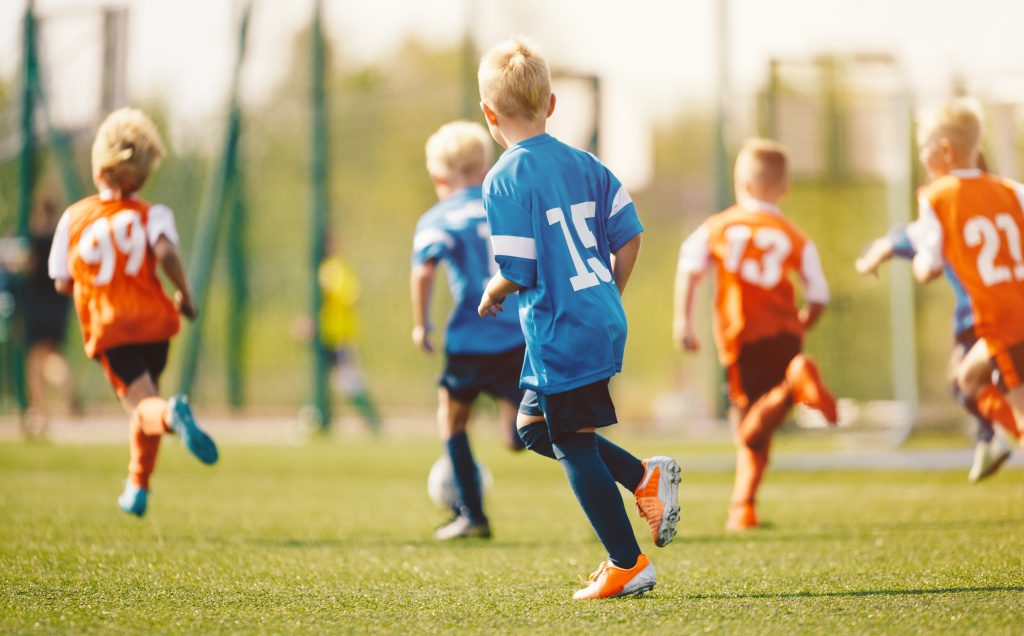
Specialty camps are designed for immersion in a specific interest or skill, offering a more focused and intensive experience.
What Is a Specialty Camp?
Unlike traditional camps that emphasize variety, specialty camps center around one primary discipline or theme. Campers spend the majority of their time developing skills in that area, often working with experienced instructors or coaches.
These camps are ideal for children who already have a strong interest—or who want to explore a specific passion more deeply.
Common Types of Specialty Camps:
- Sports camps (soccer, basketball, gymnastics)
- Arts camps (theater, music, dance, visual arts)
- STEM or tech camps (coding, robotics, engineering)
- Adventure camps (wilderness, travel, outdoor leadership)
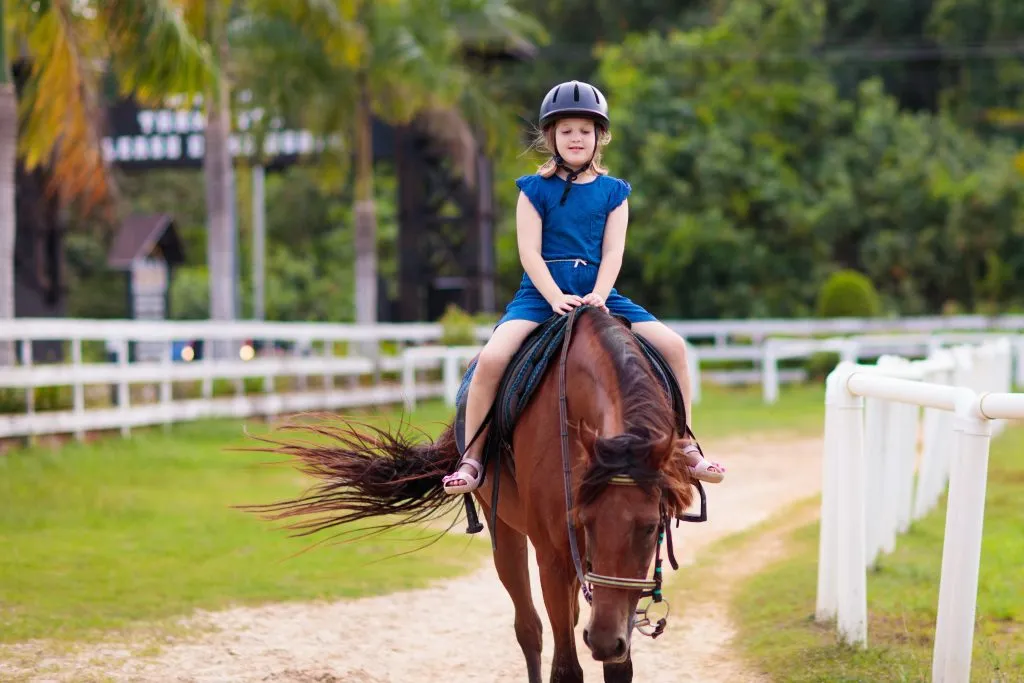
- Equestrian camps
Specialty camps often incorporate structured training, goal-setting, and skill progression. Campers may work toward performances, competitions, certifications, or personal milestones.
Key Characteristics:
- Intensive skill-building
- Like-minded peer groups with shared interests
- Goal-oriented programming
- Often shorter sessions (1–3 weeks), though some run longer
One of the biggest advantages of specialty camps is the depth of experience. Instead of trying many activities briefly, campers dive deeply into one area, which can significantly boost confidence and competence.
These camps also create strong peer connections, as campers are surrounded by others who share similar passions.
Best For:
- Kids with clear passions or interests
- Athletes, artists, performers, or creators
- Campers seeking skill advancement or focused growth
Specialty camps can be transformative for kids who want to take their interests to the next level while still enjoying the social and developmental benefits of camp.
How to Choose the Right Camp for Your Child
When deciding between camp types, it’s helpful to think beyond labels and focus on how your child will actually experience each environment day-to-day.
1. Personality
- Does your child prefer structure or freedom?
- Do they enjoy being guided, or do they like making their own decisions?
2. Interests
- Are they still exploring a wide range of activities?
- Or do they already have strong passions they want to pursue?
3. Experience Level
- First-time campers often benefit from structure and consistency
- Experienced campers may crave more independence and choice
4. Goals for the Summer
- Social growth → Traditional or hybrid
- Skill development → Specialty
- Independence and confidence → Choice-based
5. Long-Term Fit
- Are you looking for a one-time experience or a camp your child can grow with over multiple summers?
Ultimately, the best camp is the one that aligns with your child—not just what’s trending or popular. A great fit leads to stronger friendships, greater confidence, and a more meaningful summer experience.
FAQ: Types of Summer Camps
Signs of readiness include comfort with short separations from home, interest in new experiences, and the ability to manage basic daily routines independently. Children who show curiosity about camp, express excitement about making new friends, or have successfully handled sleepovers or time away from family are often good candidates.
Focus on program structure, staff experience, safety protocols, camper-to-staff ratio, and how well the camp aligns with your child’s personality and interests. It’s also helpful to consider the camp’s culture, communication style with families, and how they support campers socially and emotionally. Looking at reviews, speaking with camp staff, and asking about a typical day can give you a clearer picture of what your child’s experience will actually feel like.
No. Many specialty camps welcome beginners and offer instruction at multiple skill levels, making them accessible to a wide range of campers. In fact, many programs are designed to help kids explore a new interest for the first time in a supportive, low-pressure environment. Whether your child is just starting out or already experienced, most camps will tailor instruction so they can learn, grow, and build confidence.
Yes. While campers have more control over their schedules, there is still a structured framework that ensures balance, supervision, and support. Camps typically offer guided sign-ups, counselor support, and set time blocks to help campers make thoughtful choices. This structure allows kids to enjoy independence while still feeling supported and part of a cohesive camp community.
The best indicator is alignment. When a camp’s structure, activities, and environment match your child’s personality and interests, they are far more likely to thrive. You can also look for signs like excitement about trying new things, curiosity about camp life, or positive past experiences in group settings, all of which suggest they’re ready to enjoy the experience.
Final Thoughts: Finding the Right Camp Fit

There’s no “one-size-fits-all” answer when it comes to summer camp—and that’s a good thing.
The diversity of camp models today means there’s truly something for every child. Some kids thrive in the tradition and structure of a classic camp, while others flourish with freedom, choice, or deep specialization.
The key is understanding what each type offers and choosing a program that supports your child’s growth, confidence, and happiness.
Ready to Find the Right Camp?
At American Summer Camps, we help families navigate the camp search with clarity and confidence.
👉 Explore programs, compare camp styles, and find the perfect fit for your child’s summer:
Start your search at AmericanSummerCamps.com
If you’re unsure where to begin, we’re here to help you narrow it down—based on your child’s personality, goals, and interests.