


A choice-based summer camp lets kids choose their own activities from a structured set of options, giving them more ownership over their daily experience while still being guided and supervised. This model boosts independence, confidence, and engagement by allowing children to explore interests, make decisions, and adjust their schedule as they go.
Introduction
When most parents think of summer camp, they picture a set schedule: arts and crafts at 10, swimming at 11, lunch at noon, and so on. For decades, that structured, rotation-based model has defined the traditional camp experience.
But not all camps operate this way anymore.
A growing number of programs are embracing a more flexible, child-centered approach known as choice-based summer camp. Instead of assigning activities, these camps give children the opportunity to choose how they spend their time—within a thoughtfully designed framework.
For many families, this shift raises important questions. Will kids try new things? Is there still structure? And most importantly, is this type of camp a good fit for your child?
This guide will walk you through what choice-based summer camps are, how they differ from traditional models, and why they’re becoming an increasingly popular option for modern families.
What Is a Choice-based Summer Camp?

A choice-based summer camp is a program where campers have a significant say in selecting their daily or weekly activities.
Rather than following a fixed schedule assigned by counselors, children choose from a range of options—often called “activity blocks” or “electives.” These might include outdoor adventure, creative arts, STEM projects, team games, or water-based activities.
Importantly, this doesn’t mean a lack of structure.
Choice-based camps intentionally design each day so that:
- Staff plan and supervise all activities
- Time blocks remain consistent and organized
- Counselors guide and support decision-making
The difference lies in who makes the decision.
In traditional camps, adults set the schedule. In choice-based camps, the child has agency within a safe, guided system.
This model is rooted in a simple idea: when kids feel ownership over their experience, they become more engaged, confident, and motivated.
How Traditional Summer Camps Work
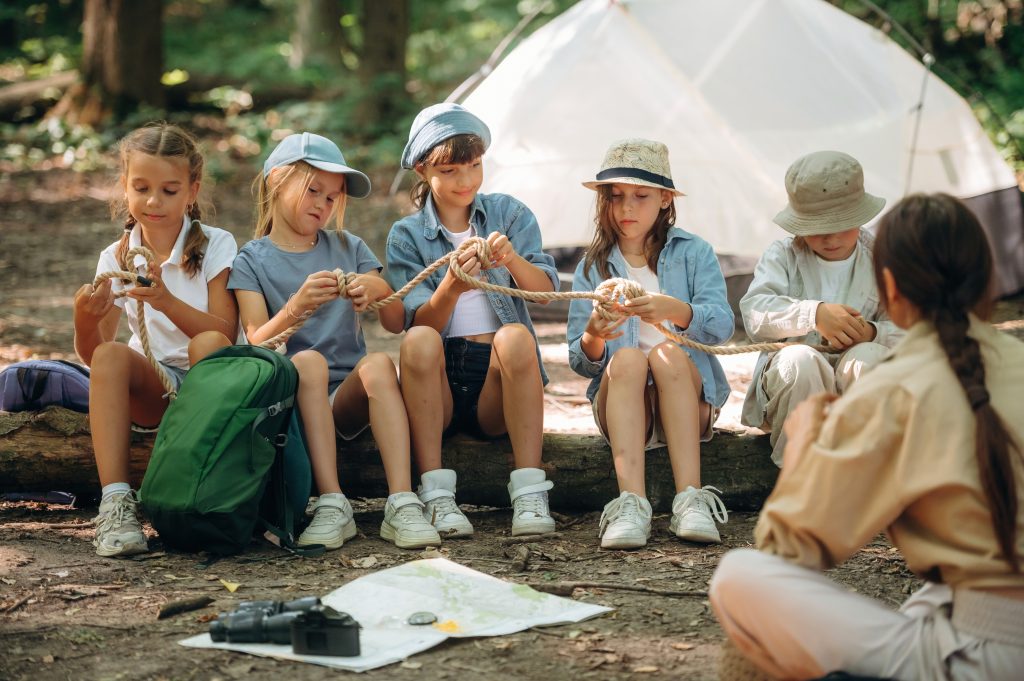
To better understand the difference, let’s first look at how traditional camps typically operate.
In most cases, camps assign children to age-based groups. That group follows a pre-determined daily schedule, rotating through activities together.
A typical day might look like:
- Morning assembly
- Group activity rotation (sports, arts, swimming, etc.)
- Lunch
- Afternoon rotations
This structure has several clear benefits.
Predictability and Routine
Children know what to expect each day, which can be especially comforting for younger campers or those new to camp.
Exposure to a Variety of Activities
Additionally, rotating schedules introduce campers to activities they might not choose on their own. As a result, kids often discover new interests.
Strong Group Bonding
Spending the entire day with the same group can help build close friendships over time.
However, there are also limitations.
- Some campers lose interest in activities they didn’t choose
- Limited flexibility for kids with strong preferences
- Less opportunity for independence and decision-making
This structure suits some children well, but for others, it can feel restrictive.
What Makes Choice-based Camps Different
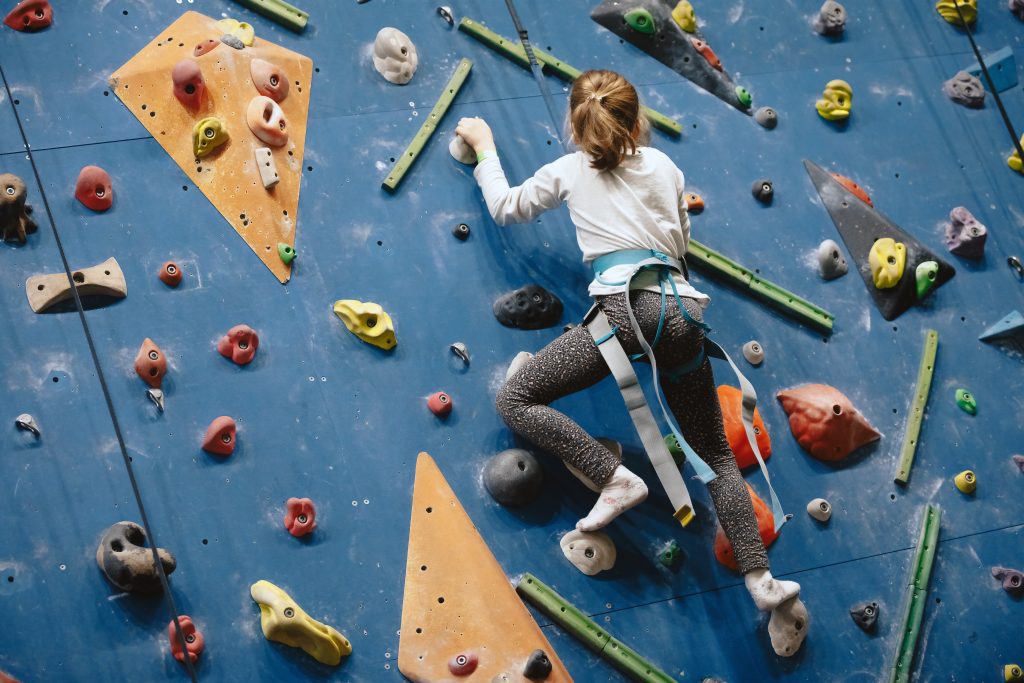
Choice-based camps reimagine the camp day by placing the camper at the center of the experience.
Here are the key ways they stand apart.
1. Camper-Led Schedules
At the heart of a choice-based camp is the ability for children to select their activities—but more importantly, to take ownership of how their day unfolds.
Depending on the program, campers may choose their activities:
- Daily (e.g., selecting morning and afternoon activities)
- Weekly (choosing a set of electives for the week)
This structure gives campers a sense of control that is rarely present in traditional models. Instead of moving passively from one activity to the next, children begin to think intentionally about what they want to do, what they enjoy, and what they might want to try next.
Over time, this builds real-life skills:
- Weighing options and making decisions
- Managing time and commitments
- Reflecting on what they enjoyed (and what they didn’t)
It also allows children to follow their natural curiosity. One day might be spent building a fort or coding a simple game, while the next could be focused on swimming or creating art. That flexibility keeps the experience fresh and aligned with how kids actually learn and engage.
2. Freedom Within Structure
One common misconception is that choice-based camps are unstructured or chaotic.
In reality, camps carefully design each day to balance flexibility with consistency.
Behind the scenes, camps carefully plan each day to ensure that choice doesn’t come at the expense of safety, supervision, or quality.
Camps typically:
- Offer a curated list of activities that are age-appropriate and well-staffed
- Limit group sizes for each option to maintain quality and attention
- Maintain consistent time blocks, transitions, and routines throughout the day
- Use sign-up systems or guidance from counselors to help distribute campers across activities
This means children are not choosing from an unlimited or unstructured set of options. Instead, they are selecting from a thoughtfully designed menu that ensures a balanced and positive experience.
For parents, this is an important distinction. Choice-based does not mean “anything goes.” It means children have meaningful input within a system that is still predictable, supervised, and intentionally designed.
Children are free to choose—but within a framework designed for balance, safety, and variety.
3. Higher Engagement and Participation
When children choose an activity, they are naturally more invested in it. That sense of ownership changes how they show up—mentally, emotionally, and socially.
Instead of passively following a schedule, campers are making an active decision about how they want to spend their time. This simple shift often leads to noticeable differences in how they engage throughout the day.
- Increased participation: Kids are more likely to fully join in, try harder, and stay involved when they’ve chosen the activity themselves.
- Greater focus: Because the activity aligns with their interests, campers tend to stay more attentive and present, with fewer distractions.
- More positive behavior: When children feel a sense of control and alignment with what they’re doing, resistance and frustration often decrease.
In other words, children opt in—and that shift makes a meaningful difference.
4. Opportunity to Explore and Pivot
Choice-based models allow kids to try something new without long-term commitment—and that flexibility is one of their biggest strengths.
In traditional settings, children may feel stuck in an activity they don’t enjoy for an entire session or week. In contrast, choice-based camps allow them to adjust quickly.
If a camper discovers they don’t enjoy an activity, they can often choose something different the next day or week. That ability to “pivot” helps children learn an important lesson: it’s okay to try something, not love it, and move on.
This creates a low-pressure environment for exploration where:
- Trying new things feels safe, not risky
- Mistakes or mismatches don’t feel like failures
- Exploration is part of the process
Over time, this builds confidence in a child’s ability to explore their interests independently. They’re not just discovering what they like—they’re learning how to discover.
5. Flexible Social Experiences
Rather than staying with the same group all day, campers interact with different peers across activities—and this can significantly shape their social development.
In a choice-based model, children naturally move between groups based on shared interests. One activity might bring together campers who love sports, while another connects kids who enjoy art or building projects.
This can help children:
- Build a wider circle of friends: Instead of being limited to one group, campers form connections across multiple activities.
- Develop social confidence: Repeatedly entering new group settings helps kids become more comfortable introducing themselves and engaging with others.
- Practice navigating new group dynamics: Children learn how to adapt, collaborate, and communicate with different personalities.
For many children—especially those who may not immediately “click” with a single group—this flexibility can be incredibly valuable.
It creates more opportunities to find their people, build meaningful connections, and feel a sense of belonging in different spaces throughout the day.
Benefits of Choice-based Camps for Child Development

The structure of a choice-based camp supports more than just fun—it aligns closely with key areas of child development.
Independence and Decision-Making
Making choices about how to spend their time helps children practice decision-making in a safe environment.
Over time, this builds confidence in their ability to make and follow through on decisions.
Intrinsic Motivation
When kids participate in activities they’ve chosen, their motivation comes from within—not from external pressure.
This fosters a deeper level of engagement and enjoyment.
Confidence Building
Successfully choosing, participating in, and sometimes even leading their own experiences can significantly boost self-confidence.
Creativity and Curiosity
With access to a wide range of options, children are encouraged to explore new interests and think creatively.
Ownership of Experience
Perhaps most importantly, children feel a sense of ownership over their camp experience.
Instead of feeling like camp is something happening to them, it becomes something they are actively shaping.
Are Choice-based Camps Right for Every Child?

While choice-based camps offer many benefits, they’re not a one-size-fits-all solution.
A Great Fit For:
- Children who enjoy independence
- Kids with a wide range of interests
- Campers who like trying new things
- Older children who are ready for more autonomy
May Require Extra Support For:
- Younger children who feel overwhelmed by too many options
- Kids who prefer clear, fixed routines
- First-time campers who may need guidance adjusting to camp life
The good news is that many choice-based camps are experienced in supporting all types of campers. Counselors often help guide decisions, suggest activities, and ensure every child feels included and comfortable.
How to Choose the Right Camp for Your Child

When evaluating whether a choice-based camp is the right fit, consider the following questions:
1. How Does My Child Handle Choice?
Do they enjoy making decisions, or do they prefer being guided?
2. What Are Their Interests?
Are they highly focused on one activity, or do they enjoy variety?
3. What Level of Structure Do They Need?
Some children thrive with flexibility, while others feel more secure with routine.
4. How Does the Camp Support Decision-Making?
Ask camps how they help children choose activities and ensure balanced participation.
5. What Is the Counselor-to-Camper Ratio?
Strong supervision and guidance are key to making a choice-based model successful.
By asking these questions, you can better understand how a camp’s structure aligns with your child’s personality and needs.
Conclusion
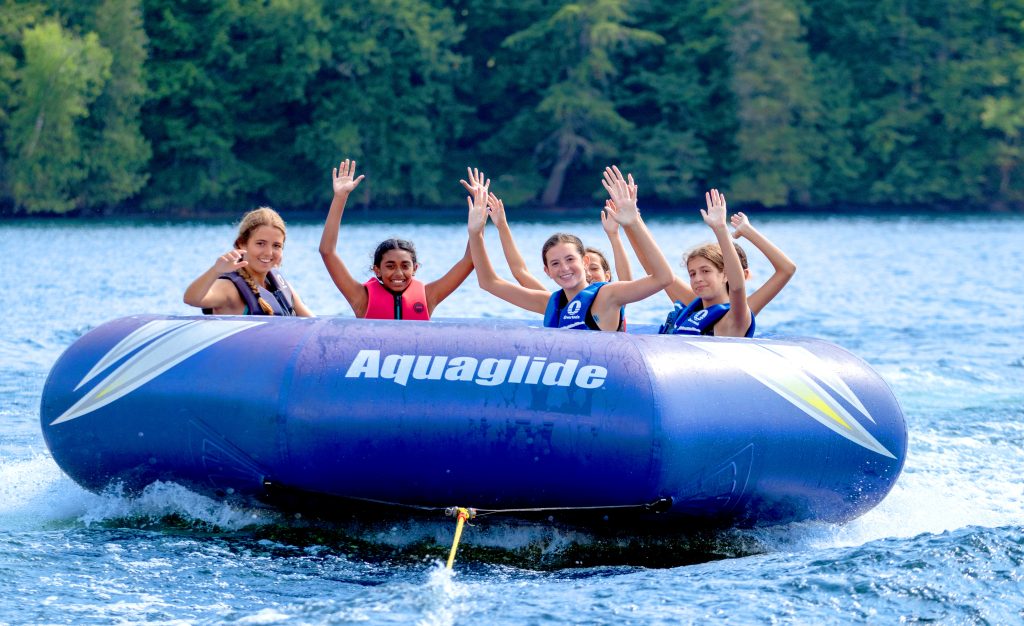
Choice-based summer camps represent a shift toward a more personalized, child-centered camp experience.
By giving children a voice in how they spend their time, these programs foster independence, engagement, and confidence—all within a supportive and structured environment.
While traditional camps continue to offer valuable experiences, choice-based camps provide an alternative that aligns with how many children learn and grow best today.
Ultimately, the right camp is the one where your child feels comfortable, excited, and empowered to be themselves.
And for many families, that’s exactly what choice-based camps are designed to offer.
Ready to find the right fit for your child? Explore our traditional summer camps and choice-based summer camp programs to see which experience aligns best with your child’s personality, interests, and goals. Whether your child thrives on structure or loves the freedom to choose, there’s a camp designed to help them grow, connect, and have an unforgettable summer.
Frequently Asked Questions About Choice-based Summer Camps
In a choice-based summer camp, kids may start with favorites, but most programs encourage variety. Camps rotate camp activities, set gentle limits, and use counselor guidance to nudge exploration. This keeps the experience balanced while still honoring camper choice. Most children naturally branch out once they feel comfortable.
Yes—flexible summer camps still follow a clear daily structure with set activity blocks and transitions. Staff supervise all areas, manage movement, and maintain consistent camp safety protocols. The day feels flexible to kids, but it’s carefully organized behind the scenes. This balance is a core part of choice-based camp structure.
Choice-based camps support kids through child-led learning with guidance, not pressure. Counselors help narrow options, explain activities, and suggest good fits. Over time, children build confidence in decision-making. This is a key developmental benefit of a choice-based summer camp.
Yes—flexible summer camps often expand social opportunities. Kids meet peers across different camp activities, forming friendships based on shared interests. This builds social confidence and adaptability. Many campers end up with a wider, more diverse friend group.
Most choice-based summer camps work well for elementary through teen campers. Younger children may need more guidance, which camps typically provide through counselor support. Older kids often thrive with the independence and flexibility. The model can be adapted to suit different age levels.
Yes—choice-based summer camps can be especially helpful for shy children. They allow kids to enter social settings through shared interests rather than assigned groups. This can make interactions feel more natural and less intimidating. Many introverted campers build confidence over time in this environment.
