


Want to work at a summer camp in the USA but not sure where to start? This guide walks you through exactly how to get hired — from what camps look for to how the process works, even if you have no experience.
Summer Camp Job Guide Table of Contents:
- Introduction
- Why Work at a Summer Camp?
- How to Use This Guide
- Types of Summer Camp Jobs
- Camp Counselor
- Activity Specialist
- Support Staff
- Eligibility Criteria
- Age Requirements
- Skills and Qualifications
- Background Checks
- Preparing Your Application
- Resume Building
- Crafting a Cover Letter
- Selecting the Right Camp
- The Visa Process
- J1 Visa for International Students
- Eligibility
- Required Documents
- Application Steps
- Work Authorization for Domestic Students
- J1 Visa for International Students
- Finding Opportunities
- Using AmericanSummerCamps.com
- Alternative Job Search Methods
- Application Tips
- Tailoring Your Application
- The Interview Process
- Reference Letters
- Preparing for Camp Life
- Packing Essentials
- Health and Safety Considerations
- Cultural Sensitivity
- Arriving in the USA
- Travel Arrangements
- Camp Orientation
- Setting Up Bank Accounts
- Working at Camp
- Daily Routine
- Building Relationships
- Handling Challenges
- Making the Most of Your Experience
- Personal Growth
- Resume Enhancement
- Networking Opportunities
- Conclusion
- The Impact of Summer Camp
- Your Next Adventure
Spending your summer working at a camp in the USA is one of those experiences people talk about for years after. It’s part adventure, part personal growth, and part “I can’t believe I actually did that.”
For a lot of people, it starts as a simple idea — travel, try something new, maybe earn some money — and ends up becoming one of the most memorable summers of their life.
But if you’re here, you’re probably wondering something much more practical:
How do you actually get a summer camp job?
This guide is designed to provide comprehensive information on every aspect of applying for and working at a summer camp. You can navigate through the sections using the table of contents above. Feel free to jump to the sections that interest you the most.
Why Work at a Summer Camp?
Before getting into the logistics, it’s worth taking a step back and asking a bigger question: why do people choose to work at a summer camp in the first place?
For most people, it’s not just about having a job for the summer. It’s about doing something different — something that feels more meaningful, more memorable, and a little outside your comfort zone.
Here are some of the main reasons people decide to work at camp.
1. You get to spend your summer outdoors
Camp life is a complete change from being indoors, on screens, or stuck in routine.
Your days are spent outside — playing sports, running activities, sitting around campfires, and being part of a much more active lifestyle.
For a lot of people, that alone is a huge part of the appeal.
2. You build real confidence
Working at camp pushes you in ways that typical jobs don’t.
You’re responsible for others, making decisions, leading activities, and stepping up when things don’t go to plan.
At first, it can feel like a lot — but that’s exactly where the growth happens.
By the end of the summer, most people leave feeling more confident, capable, and sure of themselves than when they arrived.
3. You meet people from around the world
Summer camps bring together staff from different countries, backgrounds, and experiences.
You’ll live and work closely with people you might never have met otherwise — and those connections tend to form quickly.
It’s not uncommon for camp friendships to last long after the summer ends.
4. You gain experience that actually matters
Even if it doesn’t look like a traditional job, working at camp builds skills that are genuinely valuable.
Things like:
- Communication
- Leadership
- Problem-solving
- Teamwork
These are the kinds of skills that carry over into future jobs, studies, and life in general.
5. You do something different
A summer camp job stands out — both on your résumé and in your own experience.
It shows that you’re willing to try something new, take on responsibility, and step into a different environment.
For many people, that’s exactly what they’re looking for.
Requirements to Work at a Summer Camp

One of the biggest misconceptions about summer camp jobs is that you need loads of experience or a perfect résumé.
In reality, most camps are hiring based on who you are as a person — not just what’s on paper.
Basic requirements:
- Usually 18+ years old
- Comfortable working with children
- A good level of English (for international applicants)
- Willingness to live outdoors and be part of a community
Helpful (but not required):
- Childcare or coaching experience
- Leadership roles (school, sports teams, volunteering)
- Outdoor leadership credentials
- CPR/First Aid
- Specialized skills such as archery, ropes courses, or arts teaching
- Water safety training and instruction
- Lifeguard certification
What camps are really looking for is simple: people who are positive, reliable, and willing to get involved.
👉 For more information on the qualification and requirements for camp staff, check out our article.
Step-by-Step: How to Get a Summer Camp Job

The process is actually quite straightforward once you break it down.
1. Apply through a camp placement program
Most people — especially international applicants — go through a program that connects them with camps.
This is where you’ll create your profile, share your background, and start the process.
You’ll typically:
- Fill out an application
- Share your experience and interests
- Upload references
If you don’t have a camp placement program you’re working with, you can also contact a camp directly. Most camps have an application form on their website for prospective staff.
2. Build a simple, relevant CV
You don’t need a formal or corporate-style résumé.
Instead, focus on showing who you are and what you’ve done that relates to camp life.
Include:
- Any experience working with kids
- Leadership or teamwork roles
- Hobbies or skills (sports, arts, outdoor activities)
Camp directors want to hear about what makes you tick, about your passions and how you plan to share those with kids at camp. Oftentimes, what makes an applicant stand out is not necessarily their experience with children, but rather their enthusiasm for teaching.
3. Interview
Most applicants will have a short interview as part of the process. This isn’t about being perfect or having all the right answers.
It’s about showing:
- Enthusiasm
- Communication skills
- A genuine interest in working with kids
If you can come across as friendly, engaged, and open, you’re doing it right.
4. Get matched with a camp
Once you’re approved, camps will start reviewing your profile.
They’re looking for people who fit their environment — not just based on skills, but personality too.
This is why being yourself throughout the process matters so much.
5. Prepare for your summer
After you’re placed, things start to feel real.
You’ll need to:
- Sort your visa (if applicable)
- Arrange travel
- Prepare for camp life
This stage is all about getting ready — both practically and mentally — for a completely different kind of summer.
Costs to Consider

Depending on your situation, there may be some upfront costs involved.
These can include:
- Program fees
- Visa fees (for international staff)
- Flights
It’s worth researching what’s included in your specific program, as some offer support or partial reimbursements.
Looking at the full picture — costs, earnings, and experience — will help you decide if it’s the right fit for you.
What Camp Directors Look for in Staff
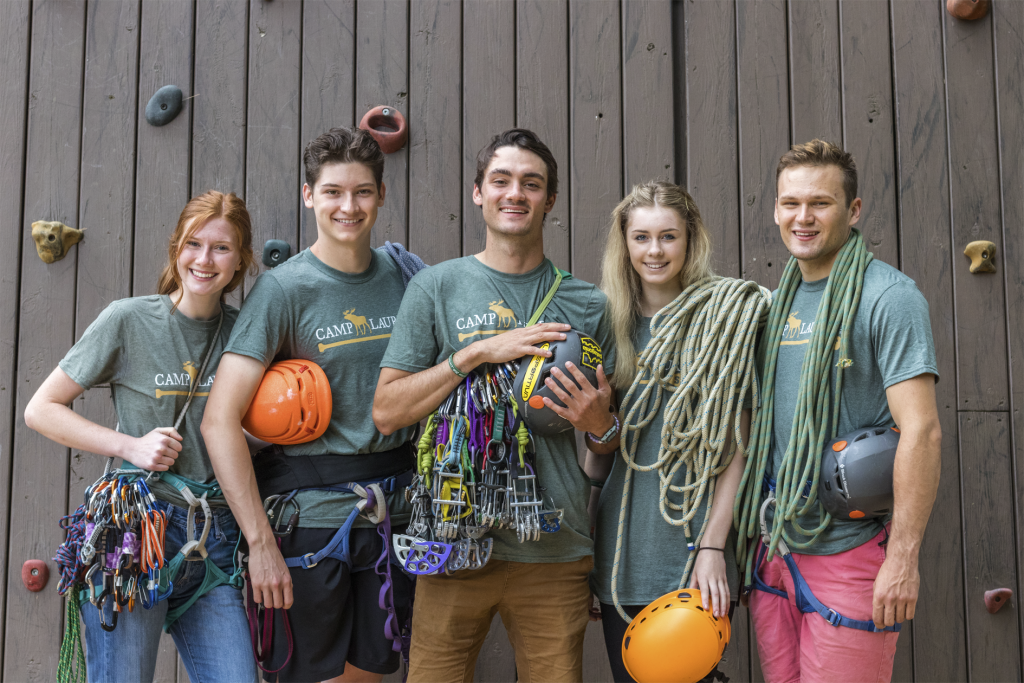
If you’re wondering how decisions are actually made, this section matters.
Camp directors aren’t just scanning for the most qualified person on paper. They’re thinking about who they would trust to be responsible for a group of campers every single day.
Here’s what they consistently look for:
1. Positive attitude
Energy matters. Camps want people who show up ready to get involved, even when things are busy or unpredictable. A positive attitude is often more important than experience.
2. Reliability
Camps run on teamwork. Directors need to know they can count on you to show up, follow through, and support others. Even small examples of responsibility can make a big difference here.
3. Ability to work with kids
You don’t need years of childcare experience, but you do need to show that you’re comfortable around kids and understand how to engage with them. Patience, communication, and awareness all come into play.
4. Team mindset
You won’t be working alone. Camp is a shared experience, and staff rely on each other constantly. Being easy to work with, supportive, and adaptable is key.
5. Flexibility & Agility
Camp isn’t a 9–5 job where you only do one thing. Directors look for people who are happy to help wherever needed — whether that’s running activities, supporting colleagues, or stepping up when plans change.
Tips to Stand Out (and Get Hired Faster)
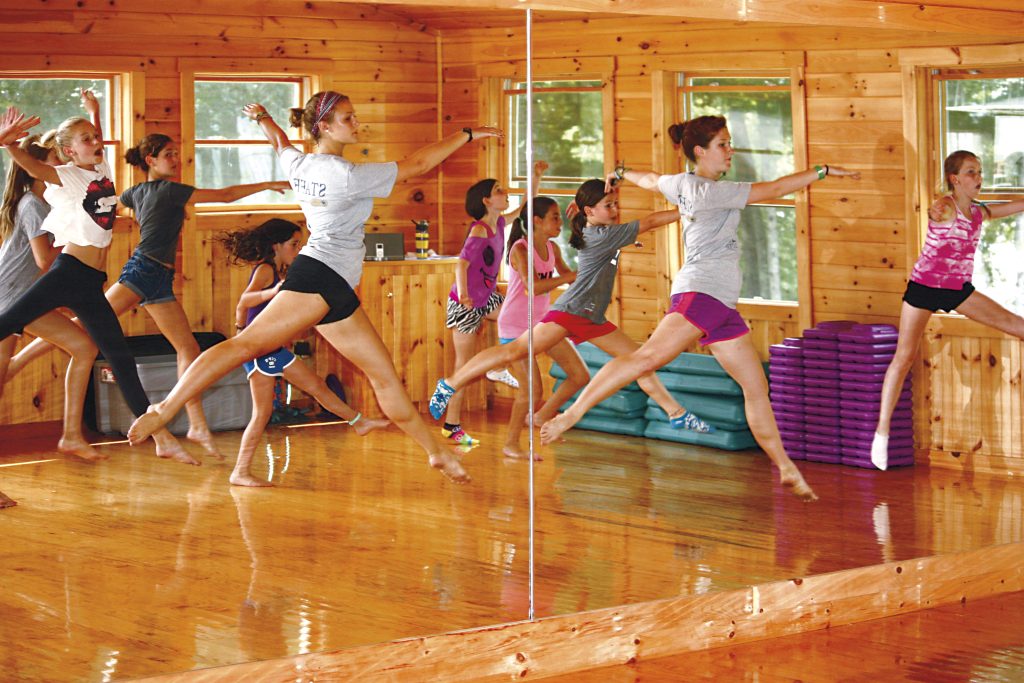
With thousands of applicants each year, small things can make a big difference.
1. Show your personality
Camps aren’t looking for perfect candidates — they’re looking for people they’d want around their campers.
Being friendly, open, and positive goes a long way.
2. Highlight real experiences
You don’t need formal work experience.
Think about everyday situations where you’ve shown responsibility or leadership, such as:
- Coaching or helping with sports
- Volunteering
- Self-management in school or work
3. Be flexible
Being open to different roles or types of camps can help you get placed faster. Flexibility shows that you’re adaptable — something camps value highly.
4. Be honest
If you don’t have much experience, that’s okay. Being honest and showing a willingness to learn is far more valuable than trying to sound perfect.
Frequently Asked Questions About Working at Summer Camp
Most camps run for 8–10 weeks during the summer, depending on the program.
Yes. Many camps actively hire international staff each year, and programs are designed to support that process.
No. Most roles don’t require a degree—especially entry-level positions like camp counselor.
No. Every year, many first-time applicants get hired without formal experience. What matters more is your attitude, your ability to connect with people, and your willingness to get involved.
If you’re looking for something different, challenging, and genuinely memorable, working at camp is absolutely worth it.
Ready to Take the Next Step?
Getting a summer camp job in the USA isn’t about having the perfect background or the most experience.
It’s about being the kind of person camps want around their campers — someone who is supportive, energetic, and willing to get involved.
If that sounds like you, you’re already closer than you think.
And if you’re ready to take the next step, exploring available roles and understanding the process is a great place to start.
