

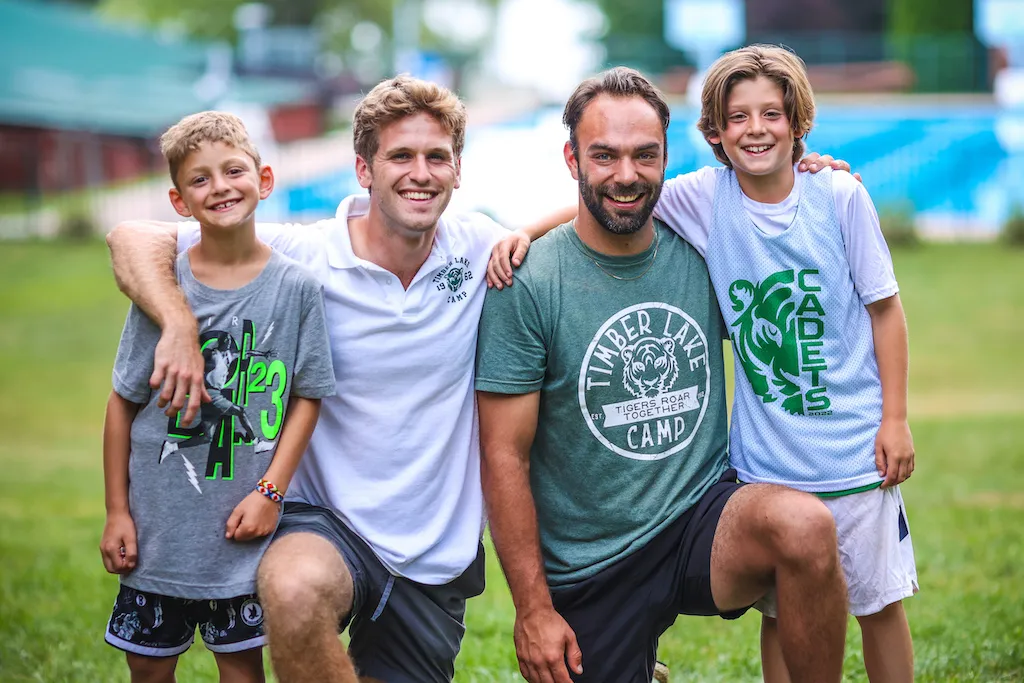
The camp counselor experience is more than a summer job. It helps staff build leadership skills, form lifelong friendships, make a difference for campers, and carry meaningful memories long after the season ends.
Working at camp is hard to explain until you have lived it.
On paper, it may look like a summer job. You supervise campers, lead activities, help with cabin routines, and spend your days outside. But once you arrive, you quickly realize that the camp counselor experience is much more meaningful than a line on your resume.
It is early mornings and late-night cabin chats. It is helping a nervous camper make their first friend. And it is cheering someone on as they try the climbing wall, jump into the lake, or perform in front of the whole camp.
Most of all, it is a summer that stays with you.
Whether you are applying for your first camp job or reflecting on a season that changed you, working as a camp counselor can shape the way you lead, connect, and see yourself.
Why the Camp Counselor Experience Matters
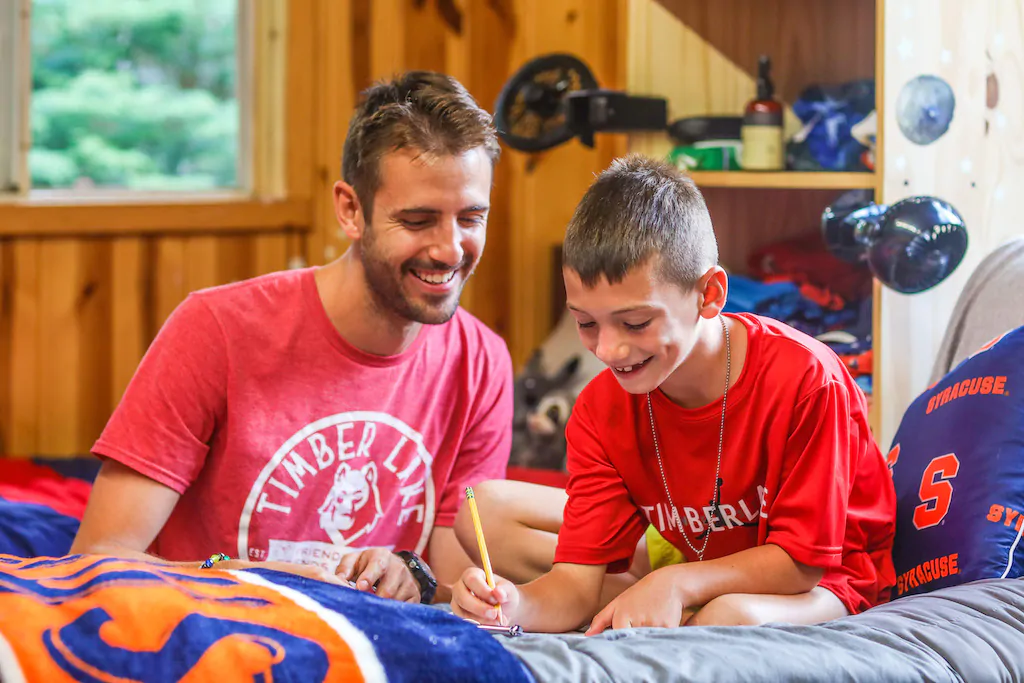
The camp counselor experience matters because it combines responsibility, adventure, friendship, and purpose in a way few summer jobs can.
At camp, you are not just clocking in and out. You are part of a community. Campers look to you for guidance, encouragement, safety, and fun. Fellow staff rely on you to communicate, support the group, and show up with a positive attitude.
That level of responsibility can feel big at first. However, it is also what makes the experience so powerful.
Camp gives young adults the chance to grow in real time. You learn by doing. You figure out how to solve problems, manage emotions, lead a group, and stay calm when plans change. And you also learn how rewarding it feels to make a child’s day better.
For many staff members, camp becomes the place where they discover their confidence.
Personal Growth: What You Learn as a Camp Counselor
One of the biggest benefits of working at camp is personal growth. Every day asks something different from you.
You may start the morning helping campers get ready for breakfast. Later, you might lead an activity, comfort a homesick child, join an all-camp event, or help your cabin settle down after a busy day. Each moment gives you a chance to practice patience, creativity, and leadership.
Over the course of a summer, camp counselors often build skills like:
- Leadership: You learn how to guide campers, set expectations, and model positive behavior.
- Communication: You practice speaking clearly with campers, coworkers, supervisors, and sometimes parents.
- Problem-solving: You adjust when weather changes, schedules shift, or group dynamics need attention.
- Confidence: You learn that you can handle more than you thought.
- Teamwork: You become part of a staff community that depends on trust and cooperation.
- Resilience: You keep showing up, even when the days are long.
- Adaptability: You learn to stay flexible when camp life does not go exactly as planned.
These skills do not disappear when summer ends. They carry into school, future jobs, interviews, internships, and everyday life.
Many staff members leave camp realizing that the camp counselor experience helped them grow faster than almost any other summer job could.
How Camp Counselors Make a Lasting Impact on Campers
Campers may come to camp for activities, traditions, and time outdoors. But they often remember the people most.
A great camp counselor can help a child feel seen, included, and brave. That impact may happen in small ways. You might notice when a camper is quiet at lunch or invite someone into a game. You might celebrate a camper who finally tries something new.
Those moments can mean more than you realize.
Helping Campers Build Confidence
Confidence grows at camp because campers are surrounded by encouragement. As a counselor, you play a major role in that.
You may be the person who tells a camper, “You’ve got this.” You may help them get back up after missing the target in archery or falling during a sports game or remind them that trying matters more than being perfect.
For a child, that kind of support can be powerful. It teaches them that they are capable. It also helps them feel safe enough to stretch beyond their comfort zone.
Creating a Safe and Supportive Cabin Culture
Cabin life is one of the most important parts of the camp counselor experience. It is where campers learn how to live with others, share space, solve small conflicts, and become part of a group.
As a counselor, you help set the tone.
You encourage kindness and notice when someone feels left out. You make routines feel fun and manageable. And you help campers understand that everyone belongs.
A strong cabin culture can turn a group of nervous campers into a close-knit community.
Becoming Someone a Camper Remembers
Many adults still remember a counselor who made them feel special at camp.
They may not remember every activity or meal. But they remember the person who listened. They remember the counselor who cheered the loudest, helped them through homesickness, or made them laugh when they needed it.
That is the legacy of being a camp counselor.
You may only spend a few weeks with a camper, but your encouragement can stay with them for years.
Friendships and Community: The People You Meet at Camp
Camp is also about the people you work beside.
Staff come together from different places, backgrounds, and experiences. Some may be local. Others may travel across the country or from around the world. At first, you may be strangers. Then, after a few days of training, shared meals, cabin clean-up, staff meetings, and campfire songs, the bond starts to build.
There is something special about friendships formed at camp.
You work hard together. You laugh together, solve problems together. And you support each other through long days and celebrate the little wins. Because camp life is so full and immersive, friendships often grow quickly.
For many staff, these friendships become one of the most lasting parts of the summer.
The camp counselor experience can give you a community that feels like home, even if you are far from where you started.
How the Camp Counselor Experience Builds Your Resume
Working at camp is meaningful, but it is also practical. The skills you build can strengthen your resume and help you stand out in future opportunities.
Employers often value camp experience because it shows that you can handle responsibility. It also shows that you can communicate, lead, adapt, and work with people.
Depending on your role, camp counselor experience may show skills in:
- Youth development
- Childcare
- Leadership
- Teamwork
- Conflict resolution
- Activity instruction
- Time management
- Public speaking
- Creative problem-solving
- Safety awareness
- Communication
- Mentorship
These skills are useful in many fields. Education, healthcare, recreation, psychology, social work, business, hospitality, sports, and nonprofit work all value people who can lead with care and communicate well.
If you are applying for future jobs, you can describe camp as more than “supervised children.” Instead, focus on the responsibility and leadership behind the role.
For example, you might say that you led groups of campers through daily activities, supported emotional well-being, resolved conflicts, collaborated with staff, and helped create a safe, inclusive environment.
That kind of experience matters.
What You Take With You After Camp Ends
When the summer ends, you may leave camp with a duffel bag full of laundry, friendship bracelets, photos, and handwritten notes. But you also leave with something deeper: proof that you can do hard things.
You know what it feels like to be responsible for others. You know what it feels like to lead a group, solve problems, and stay present when someone needs you. And you know how powerful encouragement can be.
You may also leave with memories that are hard to recreate anywhere else.
Campfires. Color war. Lake days. Talent shows. Cabin traditions. Inside jokes. Quiet conversations under the stars. The final goodbye when everyone is tired, emotional, and already thinking about next summer.
These moments become part of your story.
That is why the camp counselor experience often feels bigger than one season. It becomes a chapter of your life that shapes how you see yourself and the impact you can have on others.
Staying Connected to the Camp Community
For many staff members, camp does not end when the summer does.
Some counselors return the next year. Others come back in leadership roles, activity specialist positions, or senior staff jobs. Some stay connected with camp friends for years. Others use their experience as a stepping stone into careers with children, education, outdoor recreation, or youth development.
There are many ways to keep the camp community close after the season ends.
You can stay in touch with fellow staff, follow camp updates, apply to return, or use your experience to mentor others. You can also bring the lessons of camp into your everyday life.
Maybe you become more patient. Maybe you lead with more confidence. Or maybe you remember to celebrate small wins. Maybe you keep choosing adventure, even when life feels routine.
Camp has a way of staying with you.
Is Being a Camp Counselor Worth It?
Yes, being a camp counselor is worth it for people who want a summer job with purpose, energy, and personal growth.
It is not always easy. The days can be long. Campers need attention, patience, and care. You may be tired at times. You may have moments when you are stretched outside your comfort zone.
But that is also why the experience is so rewarding.
You are not just earning money for the summer. You are building skills, gaining confidence, meeting incredible people, and helping children create memories they may carry for life.
If you want a job that feels meaningful, working at camp is one of the best ways to spend a summer.
Ready to Start Your Own Camp Counselor Experience?
A summer at camp can change the way you see yourself, your future, and the impact you can have on others.
You will work hard. You will learn quickly. And you will meet people who become part of your story. Most importantly, you will have the chance to make a real difference in the lives of campers who are looking for encouragement, fun, and someone to believe in them.
If you are ready for a meaningful summer job filled with adventure, friendship, and personal growth, explore summer camp jobs with American Summer Camps and start your application today.
FAQ: Camp Counselor Experience
Yes. Being a camp counselor is a valuable experience because it combines leadership, teamwork, childcare, outdoor living, and personal growth in one summer job. It is especially meaningful for people who enjoy working with kids and being part of a close community.
Camp counselors learn communication, problem-solving, patience, responsibility, creativity, and leadership. They also learn how to support children, work with a team, and adapt when plans change.
Yes. Camp counselor experience looks strong on a resume because it shows responsibility, leadership, teamwork, and communication skills. It can be useful for many future careers, especially roles involving people, education, management, or youth development.
Camp counselors help campers feel safe, included, and confident. They encourage campers to try new things, build friendships, and believe in themselves.
Many people return to work at summer camp because of the friendships, traditions, meaningful work, and strong sense of community. Camp often becomes a place where staff feel connected, valued, and excited to grow.
Working at summer camp can be challenging because the days are active and full. However, many counselors find that the hard moments are what make the experience so rewarding and memorable.
The camp counselor experience is different because it combines work, community, leadership, adventure, and purpose. Instead of doing the same task every day, counselors help create a safe and fun environment where campers can grow.
Summer Camp Job Guide Table of Contents:
- Introduction
- Why Work at a Summer Camp?
- How to Use This Guide
- Types of Summer Camp Jobs
- Camp Counselor
- Activity Specialist
- Support Staff
- Eligibility Criteria
- Age Requirements
- Skills and Qualifications
- Background Checks
- Preparing Your Application
- Resume Building
- Crafting a Cover Letter
- Selecting the Right Camp
- The Visa Process
- J1 Visa for International Students
- Eligibility
- Required Documents
- Application Steps
- Work Authorization for Domestic Students
- J1 Visa for International Students
- Finding Opportunities
- Using AmericanSummerCamps.com
- Alternative Job Search Methods
- Application Tips
- Tailoring Your Application
- The Interview Process
- Reference Letters
- Preparing for Camp Life
- Packing Essentials
- Health and Safety Considerations
- Cultural Sensitivity
- Arriving in the USA
- Travel Arrangements
- Camp Orientation
- Setting Up Bank Accounts
- Working at Camp
- Daily Routine
- Building Relationships
- Handling Challenges
- Making the Most of Your Experience
- Personal Growth
- Resume Enhancement
- Networking Opportunities
- Conclusion
- The Impact of Summer Camp
- Your Next Adventure
