

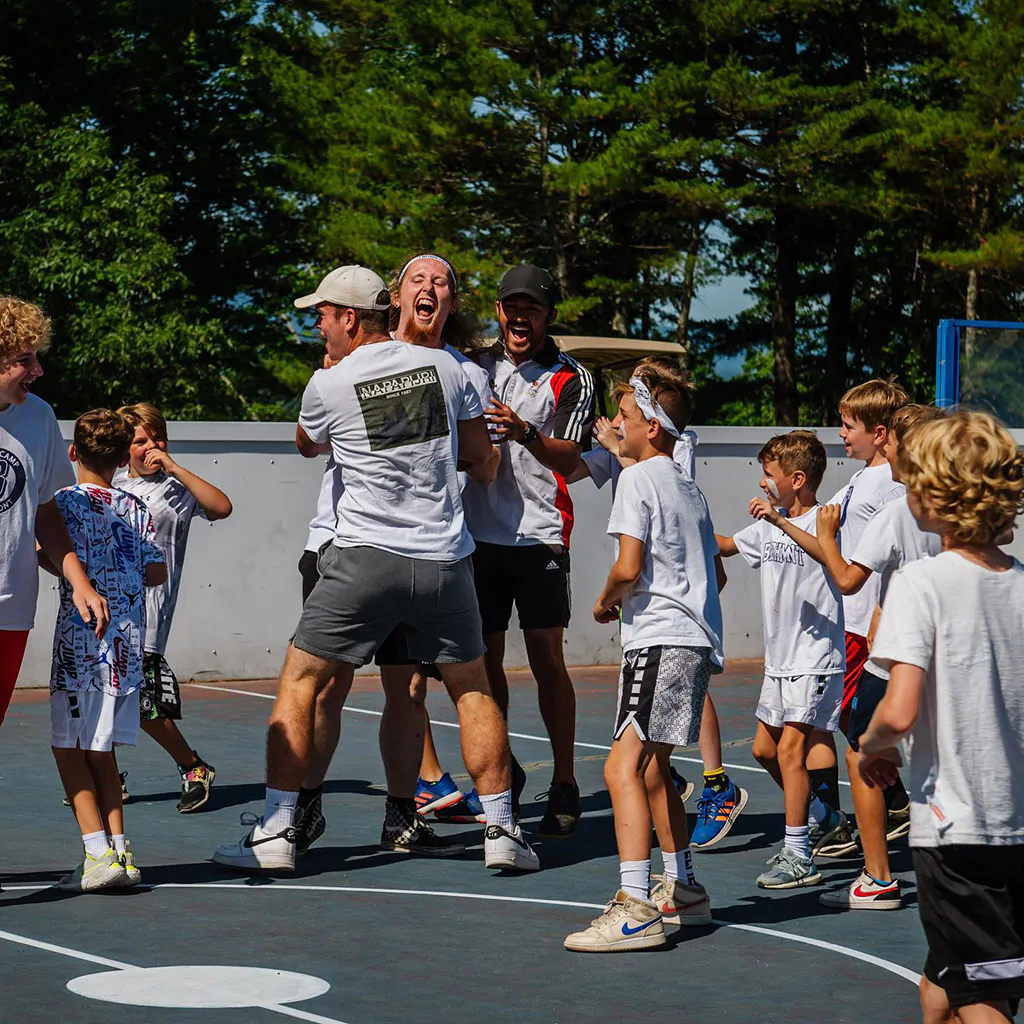
Summer camp jobs come in many forms. Camps hire counselors, activity specialists, lifeguards, nurses, media staff, kitchen teams, maintenance workers, and leadership staff. The best role for you depends on your skills, experience, interests, and how closely you want to work with campers.
Whether you want to spend your summer coaching sports, working on the waterfront, creating photos and videos, or supporting camp behind the scenes, there is likely a role that fits.
What Types of Summer Camp Jobs Are Available?
A summer camp is more than a collection of cabins and activities. It operates like a small seasonal community, which means it takes a large and varied staff to keep everything running.
Some staff members spend nearly every part of the day with campers. Others teach specific activities, oversee safety, prepare meals, care for camp facilities, or handle administrative work.
Common types of summer camp jobs include:
- Camp counselors
- Activity specialists and instructors
- Lifeguards and waterfront staff
- Camp nurses and healthcare staff
- Photographers, videographers, and media staff
- Kitchen, maintenance, and support staff
- Leadership and administrative staff
Each position contributes to the camp experience in a different way.
1. Camp Counselor Jobs
Camp counselors are often at the center of daily life at camp. They supervise campers, help create a positive cabin environment, participate in activities, and support children throughout the day.
Depending on the camp, counselors may live in cabins with campers or work with the same group during daily programming. They help campers follow routines, solve problems, try new activities, and feel included in the camp community.
Counselors also serve as important role models. A great counselor knows how to balance fun with responsibility while helping campers feel safe, supported, and confident.
Is a Camp Counselor Job Right for You?
Counseling may be a good fit if you enjoy working with children and want a highly social summer job.
Strong counselors are usually patient, flexible, energetic, and willing to take responsibility. Previous camp experience can help, but many camps also hire first-time staff who show maturity and enthusiasm.
If you want to build leadership skills while making a direct impact on campers, counseling can be one of the most rewarding summer camp positions.
2. Activity Specialist and Instructor Jobs
If you have a particular talent or hobby, an activity specialist role may be a strong fit.
Activity specialists spend much of their time teaching campers specific skills. Depending on the camp, positions may include:
- Tennis instructors
- Soccer coaches
- Basketball coaches
- Arts and crafts instructors
- Music staff
- Theater instructors
- Horseback riding staff
- Archery instructors
- Ropes course staff
- Outdoor adventure instructors
Some specialists also serve as counselors, while others focus almost entirely on their activity area.
These jobs can be especially appealing if you enjoy teaching and want to share something you already love with campers.
Do You Need Experience to Be an Activity Specialist?
Requirements vary depending on the activity and the camp.
For some roles, camps mainly look for strong personal experience and the ability to teach beginners. More technical or safety-focused activities may require certifications or previous instructional experience.
Even when formal qualifications are not required, being comfortable demonstrating skills and encouraging campers can make you a stronger candidate.
3. Waterfront and Lifeguard Jobs
For strong swimmers and water lovers, waterfront jobs can offer an active way to spend the summer.
Depending on the camp’s location and facilities, waterfront positions may include:
- Lifeguards
- Swim instructors
- Canoeing staff
- Kayaking instructors
- Sailing staff
- Paddleboarding instructors
- Waterskiing staff
- Wakeboarding staff
Waterfront staff help campers learn new skills while maintaining a safe environment around pools, lakes, and other swimming areas.
Some waterfront positions require current certifications, while others may provide training before camp begins. Requirements vary by camp and role.
These jobs can be a great match for applicants who are comfortable in the water, attentive to safety, and confident working with children.
4. Camp Nurse and Healthcare Jobs
Summer camps also need qualified healthcare professionals to support campers and staff throughout the season.
Camp nurses often work from an onsite health center or infirmary. Their responsibilities can include administering medication, treating minor illnesses or injuries, monitoring camper wellness, maintaining health records, and coordinating additional care when necessary.
Healthcare staff also play an important role in helping campers feel comfortable when they are sick, injured, or away from home.
Because these positions involve medical care, camps typically have specific licensing and qualification requirements. Those requirements can vary depending on the camp and location.
For nurses who enjoy working with children and want a change from a traditional clinical setting, camp can offer a very different kind of summer experience.
5. Photography, Videography, and Media Jobs
Many modern camps rely on media staff to document the summer and keep families connected to camp life.
Photographers may spend their days moving between activities, capturing candid moments, special events, cabin life, and camp traditions.
Videographers often focus on filming and editing content that tells the story of the summer. They may create highlight videos, promotional footage, or short-form content.
Media specialists can have broader responsibilities. Depending on the camp, they may help manage photo galleries, newsletters, social media, written updates, or other communications.
These positions are ideal for applicants who enjoy creative work and want to experience camp without spending the entire day in a traditional counselor role.
6. Kitchen, Maintenance, and Support Staff Jobs
Not every summer camp job involves directly supervising campers.
Large camps rely on extensive support teams to keep daily operations running smoothly. These positions may include:
- Kitchen and dining staff
- Maintenance workers
- Grounds staff
- Housekeeping staff
- Laundry staff
- Drivers
- Office assistants
- Operations staff
Kitchen teams may help prepare hundreds of meals each day, while maintenance crews keep cabins, activity areas, utilities, and shared spaces functioning properly.
Administrative and operations staff may help with transportation, supplies, scheduling, communication, or other logistical needs.
Support staff are essential to camp life. These roles can also be a good fit for people who like the idea of spending a summer at camp but prefer less direct responsibility for campers.
7. Camp Leadership and Administrative Jobs
Experienced camp professionals may be suited to leadership positions.
These roles vary widely between camps, but they can include:
- Head counselors
- Division leaders
- Program directors
- Activity directors
- Waterfront directors
- Operations managers
- Office staff
- Senior camp leadership
Leadership staff often oversee other employees, manage schedules, support campers, solve problems, and help maintain the overall quality of the camp program.
Many senior positions are filled by returning staff who have already gained experience as counselors or specialists. However, camps may also hire candidates who bring strong professional experience from education, recreation, management, healthcare, or other relevant fields.
How Do I Choose the Right Summer Camp Job?
With so many types of summer camp jobs available, choosing a role can feel overwhelming. Start by thinking about what you actually want from your summer.
Do You Want to Work Directly With Campers?
If your main goal is to build relationships with children and become part of their everyday camp experience, consider a counselor position.
Activity specialists also work closely with campers, although their interactions are usually centered around teaching a particular skill.
Do You Have a Specific Skill?
Think about the activities you already enjoy.
If you play a sport, make art, perform music, ride horses, work with cameras, or spend time outdoors, your existing experience may translate naturally into a camp role.
You do not necessarily need to be a professional. Camps often need staff who are knowledgeable, enthusiastic, and comfortable teaching campers at different skill levels.
Do You Have Professional Qualifications?
Certain positions require more specialized credentials.
Nurses and other healthcare staff need appropriate professional qualifications. Lifeguards and some waterfront positions may require certifications. Technical adventure activities can also have additional requirements.
If you already have relevant credentials, summer camp can provide an interesting way to use them in a completely different environment.
Would You Rather Work Behind the Scenes?
You can still be an important part of the camp community without working directly with campers all day.
Kitchen, maintenance, administrative, media, and operations roles give staff the opportunity to experience camp life while contributing in different ways.
For some applicants, that balance is a much better fit.
Do You Need Experience to Work at Summer Camp?
You do not need years of camp experience to qualify for every summer camp job.
Many entry-level positions are designed for college students, young adults, and first-time camp staff. Camps often value qualities such as responsibility, adaptability, teamwork, communication, and a willingness to get involved.
Working well with others is especially important. Camp is a highly communal environment, and staff members often live and work closely together for much of the summer.
Specialized positions may have additional requirements. A nursing position requires professional healthcare credentials, for example, while certain waterfront or adventure roles may require certifications.
If you are unsure whether you qualify for a specific job, review the position requirements before applying.
What Skills Do Summer Camps Look For?
Although every role is different, many camps look for similar qualities across their staff.
Being dependable matters. Campers and coworkers need to know they can count on you.
Flexibility is also important because camp schedules can change quickly. Weather, camper needs, special events, and other factors often require staff to adjust their plans.
Communication skills help staff work effectively with campers, parents, supervisors, and coworkers. Meanwhile, patience and a positive attitude can go a long way during busy days.
Most importantly, camps want staff members who are willing to contribute to the community.
Why Work at Summer Camp?
A summer camp job offers much more than a seasonal paycheck.
Staff have the opportunity to develop leadership, communication, teamwork, and problem-solving skills. These experiences can translate well to future jobs, internships, and careers.
Camp can also be an opportunity to spend more time outdoors, meet people from around the world, and become part of a close-knit community.
At many residential camps, housing and meals are included during the summer. That can make camp especially appealing to college students and young adults looking for an immersive seasonal job.
Perhaps most importantly, camp gives staff the chance to make a meaningful difference in children’s lives. The encouragement, patience, and energy you bring to camp can shape a camper’s entire summer.
Find a Summer Camp Job That Fits You
There is no single best summer camp job.
The right position depends on what you enjoy, what you are good at, and what kind of experience you want to have.
Maybe you want to lead a cabin of campers, coach your favorite sport, spend the summer on the waterfront, work behind a camera, or help keep an entire camp running behind the scenes.
Whatever your strengths are, there may be a place for them at camp.
American Summer Camps connects applicants with camps across the United States hiring counselors, activity specialists, lifeguards, nurses, media staff, support teams, and more.
Explore available summer camp jobs and find a role that matches your skills, interests, and goals for the summer.
Frequently Asked Questions About Summer Camp Jobs
Camp counselors are among the most common staff positions. Camps also regularly hire activity specialists, lifeguards, waterfront staff, nurses, media staff, kitchen teams, maintenance workers, administrators, and leadership staff.
The best role depends on your interests and skills. If you want to work closely with campers, counseling may be a strong fit, while applicants with specialized skills may prefer activity, waterfront, media, healthcare, or support positions.
Yes. Many camps hire first-time staff for entry-level positions, particularly when applicants demonstrate responsibility, maturity, enthusiasm, and strong communication skills. Specialized positions may require previous experience or certifications.
No. Camps also employ kitchen staff, maintenance workers, office teams, media staff, housekeeping employees, drivers, and other support staff. These positions contribute to the camp community without necessarily involving constant camper supervision.
Camps commonly value teamwork, responsibility, adaptability, communication, patience, enthusiasm, and a willingness to help others. Specific roles may also require technical skills, certifications, or professional qualifications.
Yes. Summer camp jobs are especially popular with college students because most positions take place during summer break. They can also provide valuable leadership, teaching, teamwork, and communication experience for future careers.
Start by identifying the types of positions that match your skills and interests. From there, search available camp jobs, review each position’s requirements, and apply to camps that are currently hiring. The best place to start is our easy application.
