

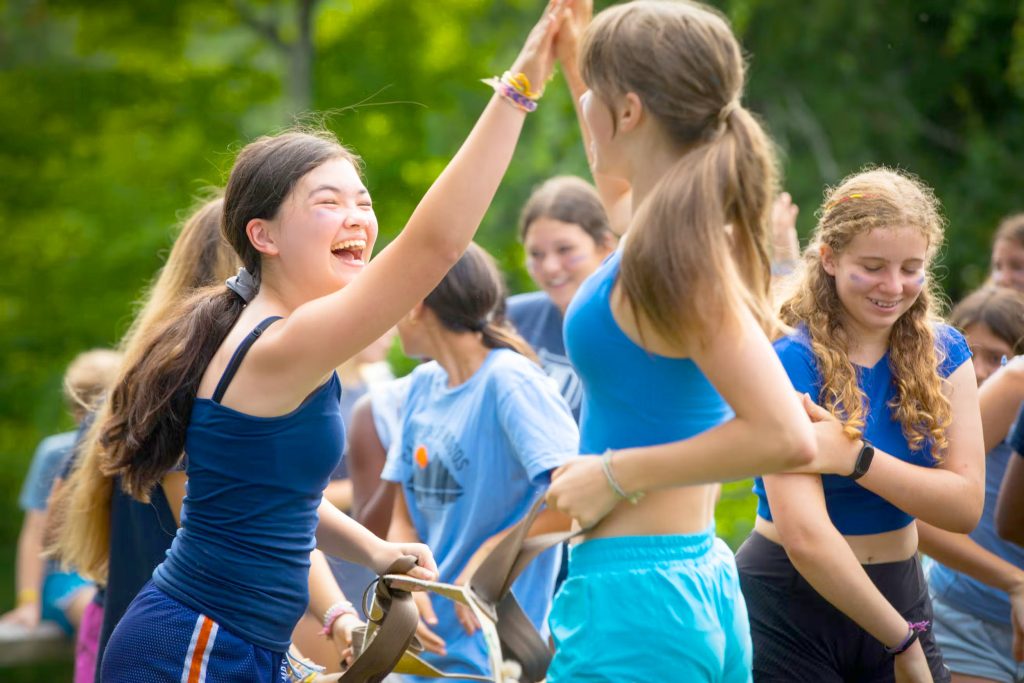
The best team-building activities for summer camp combine simple rules, physical or creative challenge, and a shared goal that campers can only reach by working together. Games like the Human Knot, sponge relays, and group scavenger hunts are camp staples because they build communication and trust fast, work for almost any age group, and are just as fun to watch as they are to play.
Enter your Email Address for personalized recommendations and summer camp resources.
Classic Team-Building Games
These are tried-and-true activities that counselors reach for again and again because they require almost no equipment and work well with groups of any size.
- Human Knot: Campers form a circle, grab hands at random, and have to untangle themselves into a clean circle without ever letting go. It’s a fast way to force communication and patience.
- Sponge Relay: Teams race to fill a bucket by passing a soaked sponge down the line using only a designated body part. Great for hot afternoons.
- Egg Drop: Small groups design a protective shield for a raw egg out of limited materials, then test it. A favorite for problem-solving and creative engineering.
- Balloon Tower: Teams compete to build the tallest free-standing tower using only balloons and masking tape, against the clock.
Group Challenges and Icebreakers
Once a group knows each other a little, camps layer in activities that push cooperation and creativity further.
- Scavenger Hunts: A camp-wide classic that gets everyone exploring the property together and dividing up tasks as a team.
- Group Juggle: Campers throw soft objects to each other in a memorized order, adding more objects as the group gets better, which builds focus and coordination.
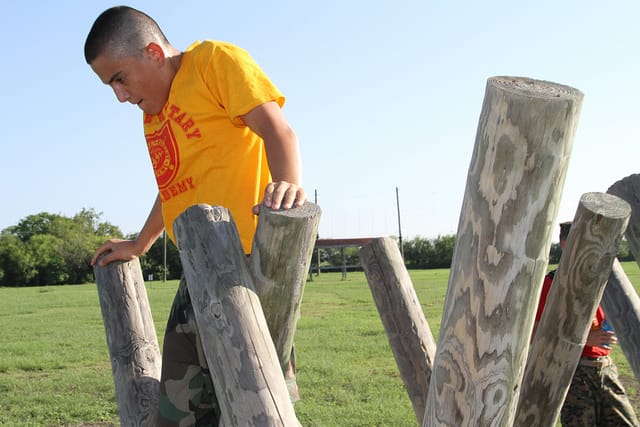
- Obstacle Courses: Timed courses that require teams to help each other through each station, often used to close out a themed camp day.
- Airband Competition: Teams put together a lip-sync or “fake band” performance, which is less about music and more about planning and encouraging each other on stage.
Why Team Building Matters at Camp
Team-building activities aren’t just a way to pass the time between swim and lunch. For a lot of kids, camp is the first place they’re asked to solve a problem with a group of near-strangers, and these games give them low-stakes practice at listening, compromising, and encouraging teammates instead of competing with them. Counselors also use these activities to spot who’s a natural leader, who’s hanging back, and who might need a little extra encouragement to jump in — information that shapes how they run the rest of the session.
How Camps Build Teamwork Into the Daily Schedule
Strong programs don’t treat team building as a one-off activity block. It shows up throughout the day: cabin groups take on chores together, sports and arts programs pair campers into small working teams, and evening programs often close with a group challenge or competition between cabins. If you’re comparing camps, ask how they structure group activities and how staff are trained to run them — it’s a good signal of how intentional the program is about building a real camp community, not just filling a schedule.
Frequently Asked Questions
What age group are these activities best for?
Most of these games can be scaled up or down. Younger campers do well with simpler versions like sponge relays and scavenger hunts, while older campers can handle more complex challenges like the Egg Drop or a full obstacle course.
Do team-building games need special equipment?
Most camp staples use materials already on hand — balloons, tape, sponges, buckets — which is part of why they’ve stuck around. Camps with dedicated ropes courses or challenge courses can also run higher-adventure versions of the same skills.
How often do camps run team-building activities?
It varies by program, but most camps weave in some form of group challenge daily, with bigger, structured team-building events happening weekly or at the start of each session to help new bunkmates gel quickly.
Find a Camp That Builds Real Teamwork
The strongest camp programs use team building to create a genuine sense of belonging, not just to fill time. Browse ASC partner camps to compare programs, or check out our camp comparison checklist for more on what to look for in a well-run program.
