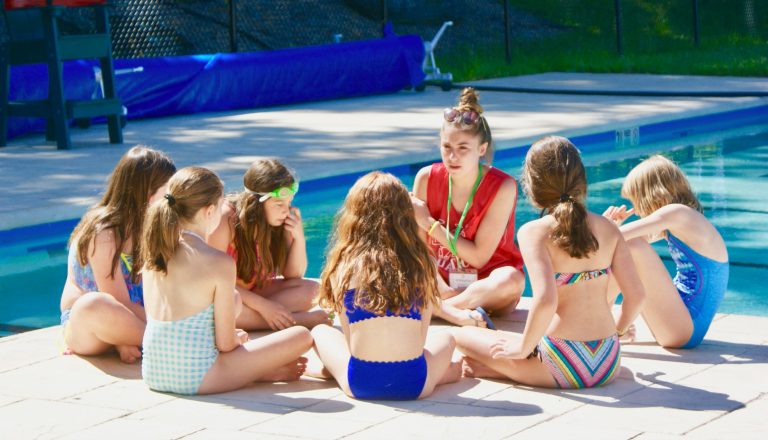
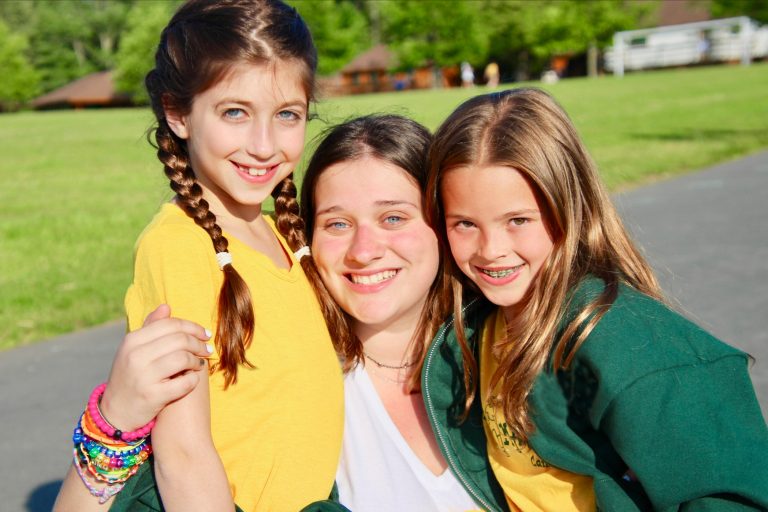
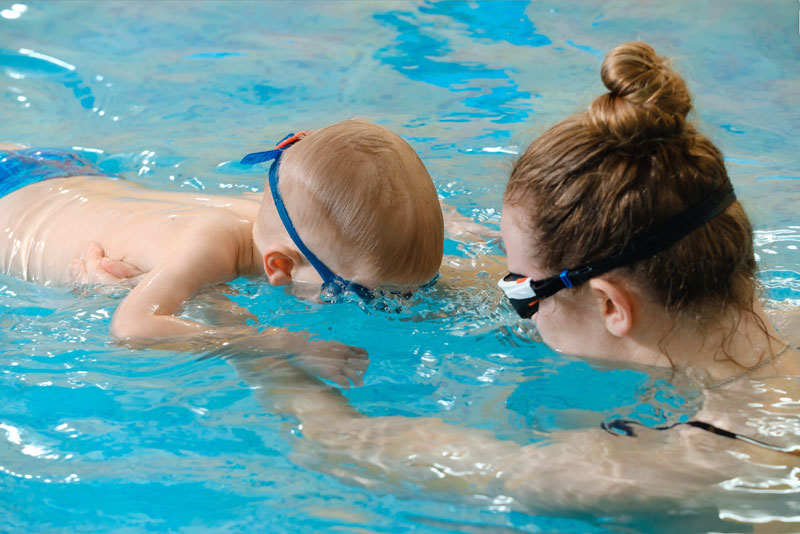
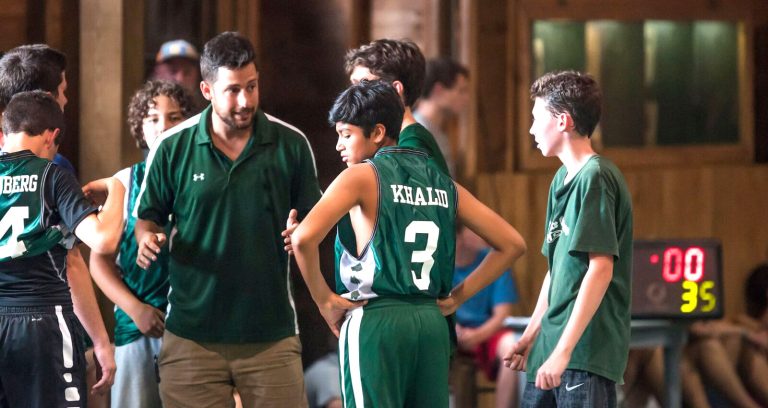
Summer employment at a sleepaway camp is enjoyable, engaging, and rewarding. You have the option to share a bunk with other campers on our lovely campus in the Pennsylvania Endless Mountains. Throughout our six activity periods, you will work with campers. However, you will spend a lot more time with the kids than that. You’ll be with them from the time they get up until they go to bed. Mealtimes. Rest Period. Shower Time Activity Intervals You get the opportunity to speak with our incredible campers throughout the day. And just as fortunate as they are to have you as a part of our outstanding staff, you are privileged to be with them.
Even if you spend a lot of time with your campers, all it takes is one moment to make a child’s life completely different. Each of us may recall a single interaction with an adult from our formative years that continues to have an impact on us today. What is the weirdest thing about this “moment”? The youngster and you won’t be aware that it’s happening. You might say something that doesn’t seem important to either of you. Then, days later, you’ve long since forgotten about it while the child is still reflecting on it. Years from now, based on a single chat, you’ve altered that child’s course, and as they desperately look for your phone number to say “Thank You,” you might not even remember that camper.
We just ask that you arrive at sleepaway camp as you – fun, engaging, athletic, eccentric, nerdy, reserved, extroverted, or any combination thereof. We have experienced everything and value it equally. We don’t anticipate that as a staff member, your summer will be full with unforgettable experiences. In actuality, seeking for these opportunities would be fruitless. You may develop trusting relationships with your campers by just being yourself. Therefore, stop looking for this “moment.” Celebrate your uniqueness and savor the time you have with these wonderful kids this summer because they will affect you just as much as you can expect them to.
Working at a summer camp is one of the most memorable and rewarding ways to spend your summer. You get to live outdoors, meet people from all over the world, build real leadership skills, and make a meaningful difference in campers’ lives.
But while camp is full of fun, friendship, and adventure, getting hired still takes preparation. Camps are looking for staff members who are responsible, positive, flexible, and genuinely excited to work with children.
Whether you are applying for your first camp job or hoping to return for another summer, these tips can help you stand out and improve your chances of getting hired at a summer camp.
Before you start applying, take time to think about the kind of camp experience that would suit you best.
Some camps are traditional sleepaway camps with a wide mix of activities. Others focus on sports, outdoor adventure, arts, performing arts, horseback riding, waterfront programs, special needs support, or faith-based communities. Each camp has its own personality, schedule, values, and staff culture.
When you apply to camps that match your interests and strengths, your application will feel more natural and convincing. You will also be able to explain why that specific camp feels like the right fit for you.
Ask yourself:
Do I want to work at an overnight camp or a day camp?
What activities or skills could I teach?
Do I prefer sports, arts, outdoor adventure, waterfront, or general counselor roles?
What age group would I enjoy working with?
What kind of camp community would bring out my best?
The more clearly you understand what you are looking for, the easier it will be to find a camp where you can thrive.
2. Apply Early
Many summer camps begin hiring months before the summer starts. Some roles, especially specialist positions, waterfront jobs, leadership roles, and popular counselor positions, can fill quickly.
Applying early gives you more choices and more time to complete the hiring process. You may need to submit references, complete interviews, provide paperwork, or arrange travel. Some roles may also require certifications, such as lifeguarding, first aid, CPR, or activity-specific qualifications.
Even if you are not completely sure which role is right for you yet, it is worth starting your search early. The sooner you apply, the more opportunities you are likely to have.
3. Tailor Your Application to Each Camp
A generic application is easy to spot. Camp directors want to know that you have taken the time to understand their camp and that you are genuinely interested in joining their community.
Before you apply, read through the camp’s website, job descriptions, activity areas, and mission. Look for details you can mention in your application or interview. Maybe the camp has a strong waterfront program, a focus on outdoor living, a leadership development culture, or a creative arts department that matches your background.
Instead of saying, “I want to work at camp because it seems fun,” try to be specific.
For example:
“I’m excited about your outdoor adventure program because I’ve always loved hiking and team-building activities, and I’d enjoy helping campers build confidence outdoors.”
Or:
“Your performing arts program stood out to me because I have experience in theater and would love to help campers feel confident on stage.”
A tailored application shows effort, enthusiasm, and attention to detail.
4. Highlight Experience Working With Children
You do not always need previous camp experience to get hired, but experience working with children can make your application much stronger.
Think broadly about your background. You may have more relevant experience than you realize. Camps value babysitting, tutoring, coaching, volunteering, mentoring, lifeguarding, teaching lessons, helping younger siblings, working in schools, leading clubs, or assisting with youth programs.
Be specific about what you did and what you learned. Instead of simply writing, “I’m good with kids,” explain how you have supported children in real situations.
For example:
“I coached a youth soccer team and helped younger players build confidence.”
“I babysat for two children after school and helped with homework, meals, and routines.”
“I volunteered at a local youth program and helped lead games and activities.”
“I tutored younger students and learned how to explain things patiently.”
Camp hiring teams want to see that you are responsible, patient, and comfortable being a role model.
5. Show That You Are Responsible and Dependable
Camp is fun, but it is also a big responsibility. Parents trust camps to care for their children, and camps trust staff to create a safe, supportive, and positive environment.
That means responsibility matters.
In your application and interview, show that you can be counted on. Camps want staff members who arrive on time, follow through on commitments, communicate clearly, and stay calm when things get busy.
You can demonstrate responsibility by talking about school, work, volunteering, sports teams, leadership roles, part-time jobs, or family responsibilities. Any example that shows maturity, reliability, and good judgment can help.
Strong camp staff members do not need to be perfect. They do need to be dependable, teachable, and ready to put campers first.
6. Be Ready to Talk About Teamwork
Camp staff live and work closely together. You may share cabins, lead activities with other counselors, support campers as a team, and help with daily routines from morning until night.
Because of this, teamwork is one of the most important qualities camps look for when hiring staff.
Be ready to talk about times when you worked well with others. This could include school projects, sports teams, theater productions, volunteer work, previous jobs, clubs, or group activities.
Good examples show that you can communicate, compromise, listen, encourage others, and stay positive when things do not go exactly as planned.
Camp life is full of shared moments. The best staff members are people who can support their team, jump in where needed, and help create a welcoming community.
7. Prepare for Common Camp Interview Questions
A summer camp interview is usually friendly and conversational, but you should still prepare.
Camp directors are not just looking for the “right” answers. They are trying to understand who you are, how you think, and how you might respond in real camp situations.
Practice answering questions like:
Why do you want to work at summer camp?
What experience do you have working with children?
What activities or skills could you bring to camp?
How would you help a homesick camper?
What would you do if campers were not listening?
How do you handle long days and busy schedules?
What does being a role model mean to you?
How would your friends or teachers describe you?
Why do you think this camp is a good fit for you?
Use real examples whenever possible. Stories are more memorable than general statements.
For example, instead of saying, “I’m a good leader,” you could say, “Last year, I helped organize a school fundraiser. I had to communicate with volunteers, solve last-minute problems, and keep everyone motivated.”
That kind of answer gives the interviewer a clearer picture of how you would act at camp.
8. Let Your Personality Come Through
Camp hiring teams are looking for responsible staff, but they are also looking for people who bring warmth, energy, creativity, and joy to the camper experience.
Do not be afraid to let your personality show.
If you are the person who helps shy people feel included, talk about that. If you are creative, outdoorsy, sporty, musical, silly, patient, organized, or adventurous, let those qualities come through in your application and interview.
Campers remember staff who make them feel seen, encouraged, and excited to try new things. Your personality is part of what you bring to camp.
The goal is not to pretend to be someone else. The goal is to show the camp who you are and how you could contribute to their community.
9. Ask Thoughtful Questions
At the end of your interview, you will usually have a chance to ask questions. This is a great opportunity to show that you are serious about the role and thinking carefully about the camp experience.
You could ask:
What qualities make someone successful on your staff?
What does staff training include?
What does a typical day look like?
How do counselors support homesick campers?
What are the biggest challenges new staff should prepare for?
What types of roles are you still hiring for?
How would you describe the staff community?
Thoughtful questions show maturity and genuine interest. They also help you decide whether the camp is the right fit for you.
Remember, the hiring process goes both ways. Camps are choosing staff, but you are also choosing where you want to spend your summer.
10. Follow Up After Your Interview
After your interview, send a short thank-you email. It does not need to be long or formal. A simple, thoughtful message can leave a strong impression.
You might write something like:
“Thank you for taking the time to speak with me today. I really enjoyed learning more about your camp and the counselor role. I’m excited about the possibility of joining your staff this summer and contributing to such a positive camp community.”
Following up shows professionalism, gratitude, and enthusiasm. It also keeps you fresh in the hiring team’s mind.
Bonus Tip: Be Open to Different Roles
You may start the process with one specific role in mind, but staying open can help you find the right opportunity.
For example, you might apply to be a general counselor but discover that your background makes you a strong fit for sports, arts, outdoor adventure, office support, waterfront, or activity staff. Camps often look for people who are flexible and willing to help where they are needed most.
Being open does not mean accepting a role that is wrong for you. It simply means being willing to explore different ways you could contribute.
Why Working at Summer Camp Is Worth It
Getting hired at a summer camp is about more than finding a seasonal job. It is a chance to grow as a leader, build your resume, gain experience working with children, and become part of a community that can stay with you for life.
Camp staff often leave the summer with stronger communication skills, more confidence, lifelong friendships, and memories they will never forget.
Most importantly, you get to make a real difference for campers. You might be the person who helps a child try something new, feel included, overcome homesickness, or remember their summer as one of the best experiences of their life.
Ready to Get Hired at a Summer Camp?
If you are excited to spend your summer outdoors, meet new people, build leadership skills, and make a meaningful impact, now is a great time to explore summer camp jobs.
American Summer Camps helps connect applicants with camps across the United States. Whether you are interested in being a counselor, activity specialist, sports coach, waterfront staff member, or support staff, there may be a camp looking for someone just like you.
Browse open summer camp jobs and apply online today.
Looking for summer camp jobs in New England? Camps across Maine, New Hampshire, Vermont, Massachusetts, Connecticut, and Rhode Island hire counselors, activity instructors, waterfront staff, nurses, and support staff for meaningful summer roles that often include housing, meals, friendship, travel, and resume-building experience.
Working at a summer camp in New England is one of the most memorable ways to spend a summer. From lakefront cabins in Maine to mountain views in New Hampshire and classic overnight camps across Vermont, Massachusetts, Connecticut, and Rhode Island, the region is full of meaningful seasonal opportunities.
Whether you want to be a camp counselor, activity instructor, waterfront staff member, or part of the support team, summer camp jobs in New England offer more than a paycheck. They offer adventure, friendship, leadership experience, and the chance to make a real impact on kids.
For college students, teachers, international applicants, athletes, artists, outdoor enthusiasts, and anyone looking for a summer with purpose, New England is a special place to start.
New England has a long, beloved tradition of summer camp. The region is known for its lakes, forests, mountains, trails, and small-town charm. It is also home to many classic sleepaway camps where campers return year after year to build friendships, learn new skills, and enjoy time outdoors.
For staff, that setting creates a truly unique work environment. Instead of spending the summer indoors or behind a desk, you can spend your days leading activities, mentoring campers, working as part of a close-knit team, and enjoying the natural beauty of the region.
Many New England camps are built around lakefront activities, outdoor adventure, arts, athletics, and community living. That means staff often get to work in an environment that feels active, wholesome, and deeply connected. It is challenging work, but it is also incredibly rewarding.
A summer camp job can help you:
Build leadership and communication skills
Gain experience working with children
Strengthen your resume
Meet friends from across the country and around the world
Spend the summer outdoors
Travel to a beautiful part of the United States
Make a lasting difference in campers’ lives
For many staff members, camp becomes more than a seasonal job. It becomes a place where they grow in confidence, independence, and purpose.
What Types of Summer Camp Jobs Are Available in New England?
There are many different types of summer camp jobs in New England. Some roles involve working directly with campers all day, while others support the camp community behind the scenes. The right role depends on your experience, interests, certifications, and personality.
Camp Counselor Jobs
Camp counselors are at the heart of the summer camp experience. Counselors live with or closely support a group of campers, helping guide them through daily routines, activities, meals, cabin life, and special events.
A camp counselor might help campers get ready in the morning, encourage them during activities, lead cabin games, support homesick campers, and create a positive group environment. Counselors are role models, mentors, problem-solvers, and cheerleaders all at once.
You do not always need previous camp experience to become a counselor. Many camps look for applicants who are responsible, patient, energetic, and excited to work with children. Experience in babysitting, tutoring, coaching, volunteering, teaching, or leadership can all help you stand out.
Camp counselor jobs are a great fit for people who enjoy teamwork, community living, and making kids feel seen, supported, and encouraged.
Activity Instructor and Specialist Roles
Many New England summer camps hire activity instructors to lead specific programs. These roles are ideal if you have experience in a sport, creative skill, outdoor activity, or specialty area.
Common activity instructor roles include:
Swimming
Lifeguarding
Sailing
Canoeing and kayaking
Tennis
Soccer
Basketball
Baseball or softball
Dance
Theater
Music
Arts and crafts
Ceramics
Photography
Videography
Outdoor adventure
Nature
Ropes course
Archery
Fitness
Gymnastics
Specialist roles can be especially rewarding because you get to share something you love with campers. You may help a first-time swimmer feel confident in the water, teach a camper how to serve a tennis ball, or guide a cabin group through a creative project they are proud to bring home.
Some activity roles require certifications, especially waterfront, lifeguarding, ropes course, and healthcare positions. Others simply require strong experience, enthusiasm, and the ability to teach beginners.
Waterfront Staff Jobs
Because many New England camps are located on lakes, waterfront staff are especially important. Waterfront roles may include lifeguards, swim instructors, sailing instructors, canoeing staff, kayaking staff, paddleboarding instructors, or boating specialists.
These positions often require strong swimming skills and current certifications. Camps may also provide training before the season begins, depending on the role and location.
Waterfront staff help keep campers safe while creating some of the most joyful moments of the summer. For many campers, lake time is one of the highlights of camp. If you love being on the water, this can be an incredible way to spend the season.
Support Staff Jobs
Not every camp job involves leading a cabin or teaching an activity. Support staff help keep camp running smoothly each day. These roles are essential to the overall camp experience.
Support staff positions may include kitchen staff, maintenance staff, housekeeping, office support, drivers, laundry staff, groundskeeping, and operations roles.
These jobs can be a great fit for applicants who want to be part of the camp community but may not want a full-time childcare role. Support staff often still enjoy the social side of camp, including staff friendships, days off, and the beautiful New England setting.
Camp Nurse Roles
Camp nurses and healthcare staff play a vital role in camper safety and well-being. They help manage medications, respond to injuries or illnesses, support health records, communicate with families when needed, and work closely with camp leadership.
Healthcare roles are often a strong fit for nurses, nursing students, EMTs, school nurses, and other qualified medical professionals. These positions may offer a unique blend of clinical experience, community connection, and seasonal adventure.
Camp nursing can be especially meaningful for healthcare professionals who enjoy working with children in a warm, active, and supportive environment.
Who Should Apply for Summer Camp Jobs in New England?
Summer camp jobs attract many different types of applicants. You do not need to fit one perfect mold. Camps need people with a wide range of skills, interests, backgrounds, and personalities.
You may be a great fit if you are a:
College student looking for meaningful summer work
Education major hoping to gain experience with children
Teacher with summers available
Athlete or coach who enjoys mentoring kids
Artist, musician, performer, or creative instructor
Outdoor enthusiast who loves hiking, camping, or lake activities
International applicant excited to experience the United States
Healthcare professional interested in seasonal camp nursing
Gap year student looking for adventure and responsibility
Hard worker who wants to be part of a close community
Most importantly, camps look for people who are dependable, kind, flexible, and willing to work as part of a team. Camp days can be long, and the work requires energy. However, the rewards can be hard to match.
If you enjoy helping kids grow, cheering others on, and being part of something bigger than yourself, a summer camp job may be a wonderful fit.
Benefits of Working at a Summer Camp in New England
Summer camp jobs in New England offer many practical and personal benefits. For many staff members, the experience becomes one of the most important summers of their lives.
Housing and Meals Are Often Included
Many sleepaway camps provide housing and meals for staff during the camp season. This can make camp work a practical choice for college students, seasonal workers, and international applicants.
Instead of commuting to work each day, staff usually live on-site or nearby. This helps create a strong community atmosphere. You are not just showing up for shifts, but rather, you are becoming part of the camp’s daily rhythm.
You Build Real Career Skills
Camp work builds skills that translate into many future careers. Staff members learn how to communicate clearly, manage groups, solve problems, work under pressure, adapt quickly, and lead with confidence.
These skills are valuable in education, healthcare, business, social work, athletics, hospitality, outdoor recreation, and many other fields. Employers often value former camp staff because they know how to take responsibility, work with people, and stay calm in busy environments.
You Make Lifelong Friends
Camp friendships are one of the biggest reasons staff return year after year. Living and working together creates strong bonds quickly. Staff members often come from different states, countries, colleges, and backgrounds, which makes the community even more meaningful.
By the end of the summer, coworkers often feel like family. You share long days, funny moments, challenging situations, camp traditions, and memories that are hard to explain to anyone who was not there.
You Get to Spend the Summer Outdoors
New England is a beautiful region for summer camp. Depending on the camp, your days may include lake swims, mountain views, wooded trails, campfires, outdoor meals, field games, or quiet mornings by the water.
For anyone who loves nature, this is a major benefit. Camp gives staff a chance to step away from screens, slow down, and enjoy a more active outdoor lifestyle.
You Make a Difference for Kids
The most meaningful part of camp work is the impact you can have on campers. A counselor’s encouragement can help a child try something new. An instructor’s patience can help a camper build confidence. A staff member’s kindness can help a homesick camper feel safe and included.
Campers remember the staff who believed in them. That is what makes this work so special.
Popular New England States for Summer Camp Jobs
New England includes six states: Maine, New Hampshire, Vermont, Massachusetts, Connecticut, and Rhode Island. Each one offers its own camp culture, landscape, and seasonal opportunities.
Summer Camp Jobs in Maine
Maine is one of the most iconic summer camp states in the country. Known for its pine forests, clean lakes, rocky coastlines, and peaceful outdoor settings, Maine offers a classic sleepaway camp experience.
Many Maine camps focus on waterfront activities, outdoor adventure, athletics, arts, and traditional cabin life. Staff who work in Maine often enjoy a strong sense of camp tradition, beautiful natural surroundings, and a true escape from everyday life.
If you are looking for a scenic and memorable place to work, summer camp jobs in Maine are a great option.
Summer Camp Jobs in New Hampshire
New Hampshire is known for mountains, lakes, hiking, and outdoor recreation. Camps in New Hampshire often offer a strong adventure feel, especially for staff who enjoy nature and active programming.
Depending on the camp, staff may work near large lakes, wooded trails, or mountain communities. This makes New Hampshire a strong choice for counselors, outdoor educators, waterfront staff, and activity instructors.
A summer camp job in New Hampshire can feel both peaceful and adventurous.
Summer Camp Jobs in Vermont
Vermont offers a warm, nature-centered camp setting with rolling hills, forests, lakes, and small-town charm. Camps in Vermont may focus on outdoor exploration, arts, community living, and personal growth.
For staff, Vermont can be a wonderful place to slow down, connect with campers, and enjoy a beautiful summer environment. It is especially appealing for people who value creativity, nature, and close community.
Summer Camp Jobs in Massachusetts
Massachusetts offers a mix of traditional camp experiences, coastal settings, wooded retreats, and convenient access to historic towns and cities. Camps in Massachusetts may serve a wide range of campers and offer many different types of programs.
This state can be a great fit for staff who want the New England camp experience while staying closer to larger communities, airports, or urban areas.
Summer Camp Jobs in Connecticut and Rhode Island
Connecticut and Rhode Island may be smaller states, but they still offer meaningful summer camp opportunities. Camps in these areas often have strong community traditions and accessible locations.
These states can be great options for applicants who want a New England camp job without traveling as far north. Staff may find counselor roles, activity positions, support jobs, and leadership opportunities in both states.
How to Get Hired for a Summer Camp Job in New England
Getting hired at camp starts with showing that you are responsible, enthusiastic, and ready to contribute to a community. Camps want staff who care about kids and understand that camp work is both fun and serious.
Choose the Right Type of Role
Before applying, think about the kind of role that best fits your skills. Do you want to live with campers and guide them through each day? A counselor role may be right for you. Do you have a strong skill in sports, arts, swimming, or outdoor adventure? A specialist role may be a better match.
If you prefer operations, food service, maintenance, or office work, support staff roles may be a great fit.
Highlight Relevant Experience
Your application should show why you would be a strong camp staff member. Include experience with children, leadership, coaching, tutoring, babysitting, volunteering, customer service, team sports, teaching, or activity instruction.
Even if you have never worked at camp before, you may already have useful experience. Camps often value attitude, maturity, and reliability as much as formal credentials.
Be Clear About Your Availability
Summer camps usually need staff for the full season, including training. Be honest about your availability from the beginning. If you can work the entire summer, say so clearly.
Full-season availability can make your application stronger, especially for counselor and specialist roles.
Show That You Understand Camp Life
Working at camp is different from many other summer jobs. Staff often live on-site, work long days, and spend a lot of time in community with campers and coworkers.
In your application or interview, show that you are excited about that environment. Camps want to know that you are flexible, positive, and ready to be part of a team.
Apply Early
Many camps begin hiring months before summer starts. Applying in winter or early spring can give you more options, especially if you are interested in popular roles like waterfront, athletics, arts, or outdoor adventure.
Some camps continue hiring into late spring, but the best fit may be easier to find if you start early.
What to Expect When Working at Camp
A summer camp job is fun, but it is also real work. Staff are responsible for camper safety, emotional well-being, schedules, activities, and community expectations.
Most days are full. You may wake up early, help campers get ready, lead activities, eat meals with your cabin or group, support evening programs, and help with bedtime routines. Staff training before camp begins helps prepare you for these responsibilities.
You should expect:
Active days
Shared staff housing or cabin life
Time outdoors
Team meetings
Camper supervision
Staff training
Days off or breaks
Evening activities
A strong community atmosphere
The schedule can be demanding, but many staff say the experience is worth it. Camp gives you a chance to grow, lead, and connect in ways that are hard to find in other summer jobs.
Why New England Is a Great Place to Start Your Camp Journey
New England offers everything many people imagine when they picture summer camp: cabins, lakes, campfires, tall trees, traditions, outdoor games, and close friendships. It is a region where camp culture feels deeply rooted.
For staff, that means the chance to be part of something meaningful. You can spend your summer in a beautiful place, help campers grow, and build skills that stay with you long after the season ends.
Whether you are looking for adventure, career experience, friendship, travel, or a summer that feels different from anything you have done before, New England is a wonderful place to work at camp.
Apply for Summer Camp Jobs in New England
If you are ready for a summer filled with adventure, friendship, and meaningful work, New England is a wonderful place to begin. American Summer Camps can help match you with camp counselor jobs, activity instructor roles, waterfront positions, healthcare roles, and support staff opportunities at trusted camps across the region.
From Maine’s lakefront camps to New Hampshire’s mountain settings and classic camp communities throughout Vermont, Massachusetts, Connecticut, and Rhode Island, there are many ways to find a role that fits your skills and goals.
Apply online with American Summer Camps to find your perfect summer camp job in New England.
What are the most common summer camp jobs in New England?
The most common summer camp jobs in New England include camp counselors, activity instructors, waterfront staff, sports coaches, arts instructors, support staff, and camp nurses. Many camps also hire office staff, kitchen staff, maintenance workers, photographers, videographers, and outdoor adventure specialists.
Do I need experience to work at a summer camp?
You do not always need previous camp experience to work at a summer camp. Many camps look for responsible, enthusiastic applicants who enjoy working with children and being part of a team. Experience in babysitting, coaching, teaching, tutoring, volunteering, or leadership can help strengthen your application.
Are housing and meals included with New England summer camp jobs?
Many overnight summer camps include housing and meals for staff during the season. This can make camp jobs a practical option for college students, international applicants, gap year students, and seasonal workers who want to live and work in a new place for the summer.
What states have summer camp jobs in New England?
New England includes Maine, New Hampshire, Vermont, Massachusetts, Connecticut, and Rhode Island. All six states offer summer camp opportunities, though Maine, New Hampshire, and Vermont are especially well known for traditional sleepaway camps in scenic outdoor settings.
When should I apply for summer camp jobs in New England?
It is best to apply for summer camp jobs in winter or early spring. Some camps continue hiring later in the season, but applying early gives you more choices and can help you find the best match for your skills, availability, and preferred location.
Can international applicants work at summer camps in New England?
Yes, many summer camps in New England welcome international staff through approved cultural exchange and camp staffing programs. International staff often bring wonderful energy, perspective, and cultural exchange to the camp community.
Summer camp jobs in New York give you the chance to spend your summer outdoors, gain leadership experience, meet lifelong friends, and make a real impact on kids. From counselor and waterfront roles to activity specialist, nurse, and support staff positions, New York camps offer meaningful seasonal jobs with adventure, community, and purpose built in.
New York is one of the best places in the country to work at summer camp. Between the Adirondacks, Catskills, Hudson Valley, Finger Lakes, and beautiful lakefront camp properties, the state offers the perfect setting for a summer filled with fresh air, friendship, and meaningful work.
If you are looking for summer camp jobs in New York, you will find a wide range of opportunities. Camps hire counselors, activity specialists, lifeguards, nurses, outdoor adventure staff, media staff, kitchen teams, office staff, and more. Some roles require specific certifications or experience, while others are a great fit for people who are simply responsible, enthusiastic, and ready to work with kids.
Working at camp is more than a summer job. It is a chance to build confidence, develop real-world skills, and become part of a close-knit community. Whether you are a college student, teacher, coach, creative, healthcare worker, international applicant, or someone looking for a meaningful seasonal job, New York summer camp jobs can offer an unforgettable summer experience.
New York has a long tradition of summer camp culture. While many people think of New York City first, much of the state is filled with mountains, forests, lakes, rivers, and small towns that make it ideal for sleepaway camp life.
Many New York camps are located in scenic areas outside the city, giving staff and campers space to unplug, explore, and enjoy the outdoors. A summer at camp might include canoeing on a quiet lake, hiking wooded trails, coaching sports on open fields, leading arts and crafts, helping campers through homesickness, or spending evenings around a campfire.
For staff, that setting creates something special. You are not just clocking in and out of a job. You are living and working in a community where every day has energy, structure, and purpose.
New York is also a great location because it is accessible. Many camps are within driving distance of New York City, Long Island, Westchester, New Jersey, Connecticut, Pennsylvania, and other parts of the Northeast. That makes it a strong option for applicants who want a summer job away from home without feeling completely disconnected.
What Are Summer Camp Jobs in New York Like?
Summer camp jobs in New York vary by camp, but most share a few common qualities. Staff work together to create a safe, fun, and supportive environment for campers. Days are active, schedules are full, and the work is highly people-focused.
At a sleepaway camp, many staff members live on-site for the summer. Housing and meals are often included, which can make camp an appealing option for seasonal workers. Staff usually arrive before campers for orientation and training. During this time, they learn camp policies, safety procedures, daily routines, behavior expectations, and the values that guide the camp community.
Once campers arrive, staff help run the daily program. That may include leading activities, supervising cabins, supporting meals, helping with evening events, managing transitions, and encouraging campers throughout the day.
Camp work can be demanding, but it is also deeply rewarding. You are helping children grow, try new things, make friends, and feel at home in a new environment. For many staff members, that impact is what makes the long days worthwhile.
Types of Summer Camp Jobs in New York
One of the best things about working at camp is the variety of roles available. You do not always need years of experience to apply. Many camps look for people who are dependable, positive, flexible, and excited to work with kids.
Here are some of the most common New York summer camp jobs.
Camp Counselor Jobs in New York
Camp counselors are at the heart of the camp experience. They spend the most time with campers and help shape the tone of each day.
As a camp counselor, you may live in a cabin or bunk with campers, help them follow routines, support them through challenges, and encourage them to participate in activities. Counselors are role models, mentors, problem-solvers, and cheerleaders all at once.
This role is a great fit for people who are patient, energetic, responsible, and genuinely interested in working with children. You do not always need formal teaching or childcare experience, although it can help. Experience as a babysitter, coach, tutor, mentor, older sibling, volunteer, or student leader can all be valuable.
Camp counselor jobs in New York are especially popular with college students and young adults who want a summer job that feels meaningful. Instead of spending the summer indoors, counselors get to work in a lively outdoor environment while building leadership, communication, and teamwork skills.
Activity Specialist Jobs
Activity specialists lead specific programs at camp. These roles are ideal for applicants who have a skill, hobby, sport, or creative interest they want to teach.
New York camps may hire activity specialists for areas such as:
Swimming
Waterskiing
Sailing
Canoeing or kayaking
Tennis
Soccer
Basketball
Baseball or softball
Gymnastics
Fitness
Ropes course or climbing
Outdoor adventure
Hiking
Nature education
Arts and crafts
Ceramics
Woodworking
Theater
Dance
Music
Photography
Videography
Media
Horseback riding
Some activity roles require certifications or advanced experience. For example, waterfront, ropes course, and lifeguard positions often require specific safety training. Other roles may only require strong personal experience and the ability to teach beginners.
Activity specialist jobs are a great way to share something you love. You get to help campers build confidence, try new skills, and discover new interests.
Lifeguard and Waterfront Jobs
Many summer camps in New York are built around lakes, pools, and waterfront activities. Because of that, lifeguards and waterfront staff are always important.
Waterfront jobs may include lifeguarding, swim instruction, boating, paddleboarding, sailing, canoeing, kayaking, or waterskiing. These roles are active, responsibility-heavy, and essential to camper safety.
Most lifeguard positions require current certifications. Camps may also look for staff who are calm under pressure, attentive, mature, and comfortable enforcing safety rules.
If you love the water and want a summer job that keeps you outside, a waterfront role can be a great fit. It is also a strong resume-builder for anyone interested in education, recreation, coaching, emergency response, or youth development.
Camp Nurse and Health Center Jobs
Camp nurses play a key role in keeping the camp community healthy and supported. Many New York sleepaway camps hire nurses, health center staff, and other medical professionals for the summer season.
Camp nurse responsibilities may include caring for minor injuries, managing medications, supporting campers who feel sick, communicating with parents, and working closely with camp leadership. The health center is often one of the most important support systems at camp.
This role can be a meaningful option for nurses who enjoy working with children in a community-based environment. It may also appeal to school nurses, pediatric nurses, retired nurses, or healthcare professionals looking for seasonal work.
Camp nursing is different from a hospital or clinic setting. It is relational, steady, and connected to the rhythm of camp life. Nurses often become trusted figures for campers and staff alike.
Support Staff Jobs
Not every summer camp job involves working directly in a cabin or leading activities. Camps also need strong support teams to keep everything running smoothly.
Support staff roles may include kitchen work, maintenance, housekeeping, office administration, laundry, groundskeeping, transportation, and general operations. These positions are essential to the camp experience.
A camp cannot function without clean spaces, organized schedules, safe facilities, good meals, and reliable behind-the-scenes support. Support staff help create the environment where campers and counselors can thrive.
These roles may be a good fit for applicants who want a seasonal job in a camp setting but prefer operations, hospitality, logistics, or hands-on work.
Media, Photography, and Videography Jobs
Many camps hire staff to capture the summer through photos, videos, newsletters, social media, and parent updates. These roles are different from general counselor jobs because they focus on storytelling and communication.
A photographer or videographer may spend the day moving between activities, capturing candid moments, editing images, creating highlight videos, and helping families see what camp life looks like. A media specialist may also support blog posts, email updates, social content, and digital organization.
These jobs are a strong fit for creative applicants who enjoy visual storytelling. They can also help build a portfolio for future work in marketing, media, communications, design, or production.
Who Should Apply for Summer Camp Jobs in New York?
Summer camp jobs in New York attract a wide range of applicants. You do not have to fit one specific mold. Camps need different personalities, backgrounds, and skill sets.
College students often apply because camp offers a full summer experience, not just a paycheck. It is a chance to gain leadership skills, build a resume, and live somewhere new for the season.
Teachers and education majors may enjoy camp because it provides hands-on experience with children in a less formal setting. It can strengthen classroom management, communication, creativity, and confidence.
Coaches and athletes can find strong opportunities in sports, fitness, waterfront, and team-based roles. Camp is a great setting for teaching skills while encouraging sportsmanship and growth.
Creative applicants may thrive in art, theater, music, dance, photography, video, or media roles. Camps give creative staff the chance to help kids express themselves and try new things.
International applicants are also a major part of many camp communities. Working at camp can offer cultural exchange, travel, friendship, and a memorable way to experience the United States.
Nurses, lifeguards, outdoor educators, and adventure staff are also in demand. If you have specialized training, certifications, or experience, there may be a role that fits your background.
Benefits of Working at a Summer Camp in New York
A summer camp job can be fun, but the benefits go much deeper than that. Staff often leave camp with new skills, stronger confidence, and friendships that last long after the summer ends.
One of the biggest benefits is leadership experience. Camp staff make decisions, manage groups, communicate clearly, and solve problems every day. These are valuable skills for almost any future career.
Camp also builds emotional intelligence. You learn how to support campers, listen well, handle conflict, and stay calm when plans change. Those lessons matter in teaching, healthcare, business, social work, coaching, hospitality, and many other fields.
Many sleepaway camps include housing and meals for staff. That can make the experience more affordable and convenient, especially for college students or seasonal workers.
You also get to spend the summer outdoors. Instead of sitting at a desk, you may be walking between cabins, leading games, swimming, hiking, performing skits, or cheering on campers as they try something new.
Most importantly, you get to make a difference. For campers, a great staff member can become the person who helps them feel brave, included, and capable. That kind of impact is hard to find in many other summer jobs.
What to Expect When You Live and Work at Camp
Living at camp is a unique experience. It can feel exciting, busy, funny, tiring, and meaningful all at once.
Before campers arrive, staff usually participate in orientation. This training period helps everyone understand the camp’s rules, values, safety standards, and daily systems. It also gives staff time to meet each other and begin forming a team.
Once camp begins, days tend to be full. Staff may wake up early, help campers get ready, attend meals, lead or support activities, supervise rest periods, join evening programs, and help with bedtime routines.
The work requires energy and flexibility. Weather changes, campers need support, schedules shift, and no two days are exactly the same. However, that variety is part of what makes camp memorable.
Living at camp also means being part of a close community. Staff eat together, work together, laugh together, and support each other through the season. Many people leave camp with friendships that feel more like family.
Do You Need Experience to Work at a Summer Camp in New York?
Some summer camp jobs require experience or certifications, but many entry-level roles do not.
For general counselor positions, camps often look for personality, maturity, responsibility, and a willingness to learn. If you enjoy working with children and can be a positive role model, you may be a strong candidate.
Experience with kids can help. That might include babysitting, coaching, tutoring, volunteering, mentoring, camp attendance, teaching, or helping younger siblings. Still, many camps provide training before the season begins.
Specialized roles may have more requirements. Lifeguards usually need certifications. Nurses need appropriate licensure. Ropes course, adventure, boating, or waterfront roles may require specific training or prior experience.
If you are not sure which role fits you best, think about your strengths. Are you great with kids? Do you love sports? Are you artistic? Are you organized? Do you enjoy outdoor adventure? There is likely a camp role that matches your skills.
How to Find Summer Camp Jobs in New York
The best way to find summer camp jobs in New York is to search by location, role type, and camp environment. Some applicants want to be near New York City. Others prefer a more remote sleepaway camp in the mountains or near a lake.
Start by thinking about the kind of summer you want. Do you want to work directly with campers every day? Do you want to teach a specific activity? Are you hoping for a waterfront role? Would you prefer a support staff position? Your answers can help narrow your search.
You can also consider the camp’s size, age range, schedule, setting, and mission. Some camps are traditional sleepaway camps with sports, arts, waterfront, and evening programs. Others may focus on outdoor adventure, special interests, or specific communities.
American Summer Camps can help you explore summer camp jobs in New York and beyond. Whether you are interested in counselor, activity specialist, lifeguard, nurse, media, or support staff roles, you can search for opportunities that match your experience and goals.
Applying for a camp job is usually straightforward, but a strong application can help you stand out.
Start by choosing the type of role that fits your interests. If you love working closely with kids, a counselor role may be right for you. If you have a specific skill, consider an activity specialist position. If you have certifications, look at waterfront, health center, or adventure roles.
Next, prepare to explain your experience clearly. Camps want to know why you want to work with children, what strengths you bring, and how you handle responsibility. Be honest, specific, and enthusiastic.
It also helps to highlight examples. Instead of simply saying you are a leader, mention a time you coached a team, led a club, taught a lesson, helped a child, or worked through a challenge.
Before applying, check your availability. Many camps need staff for the full summer season, including training. Being clear about your dates can make the hiring process smoother.
Finally, bring a positive attitude to the interview. Camp directors are often looking for staff who are mature, kind, flexible, and ready to be part of a team.
Why New York Camp Jobs Build Great Career Skills
Even if you do not plan to work in education or childcare long term, a camp job can help you build skills that employers value.
Camp staff learn how to communicate with different age groups, manage time, solve problems, adapt quickly, and work as part of a team. They also practice leadership every day.
You may learn how to lead a group of campers through a busy schedule, comfort a child who misses home, explain an activity clearly, manage conflict, or collaborate with other staff during a high-energy event.
These experiences translate well to many careers. Camp staff often develop confidence, independence, resilience, and a stronger sense of responsibility. Those qualities matter in future jobs, internships, graduate programs, and leadership roles.
A summer at camp also gives you meaningful stories to share in interviews. You can talk about teamwork, communication, problem-solving, creativity, and mentorship in a way that feels real and memorable.
FAQs About Summer Camp Jobs in New York
What types of summer camp jobs are available in New York?
New York summer camps hire for many seasonal roles, including camp counselors, activity specialists, lifeguards, waterfront staff, nurses, media staff, kitchen staff, maintenance staff, office staff, and other support positions. The right role depends on your experience, interests, certifications, and comfort working with children.
Do I need experience to work at a summer camp in New York?
You do not always need formal experience to work at a summer camp in New York. Many general counselor roles are open to applicants who are responsible, energetic, and excited to work with kids. Specialized roles, such as lifeguard, nurse, or ropes course instructor, may require certifications or previous experience.
Are housing and meals included for sleepaway camp staff?
Many sleepaway camps include housing and meals for seasonal staff. This can make working at camp a practical summer job, especially for students or applicants traveling from another area. Details vary by camp, so it is important to review each position carefully.
How old do you have to be to work at a summer camp in New York?
Age requirements vary by camp and role. Many counselor positions require staff to be at least 18, while some camps prefer applicants who are 21 or older for certain roles because of maturity, driving needs, or leadership responsibilities. Junior staff or counselor-in-training positions may be available for younger applicants at some camps.
Can international applicants work at New York summer camps?
Yes, many New York summer camps welcome international staff. International applicants often work as counselors, activity specialists, support staff, or cultural exchange participants. Visa requirements and hiring processes vary, so applicants should work through the appropriate program or employer guidance.
Find Summer Camp Jobs in New York This Summer
If you are ready for a summer filled with purpose, friendship, outdoor adventure, and personal growth, a camp job in New York could be the perfect fit.
You can spend your summer helping kids grow, building skills you will use for years, and becoming part of a community that feels unlike any other workplace. Whether you want to be a counselor, coach, lifeguard, nurse, artist, photographer, media specialist, or support staff member, there are many ways to make an impact at camp.
American Summer Camps can help you explore summer camp jobs in New York and find opportunities that match your strengths, interests, and goals.
Summer camp jobs in Pennsylvania are a great way to spend the summer outdoors, build leadership skills, work with kids, and join a close-knit camp community as a counselor, activity instructor, nurse, or support staff member.
Looking for a summer job that feels meaningful, active, and different from a typical seasonal role? Summer camp jobs in Pennsylvania offer the chance to spend your summer outdoors, make lifelong friends, and help create unforgettable experiences for children.
Pennsylvania is home to many classic camp settings, from wooded sleepaway camps in the Poconos to day camps near Philadelphia, Pittsburgh, and surrounding communities. Whether you want to coach sports, teach arts and crafts, lead outdoor adventures, support daily camp operations, or work directly with campers as a counselor, there are many ways to get involved.
For college students, teachers, athletes, creatives, healthcare workers, and anyone who enjoys working with kids, a Pennsylvania summer camp job can be both fun and valuable. You gain hands-on experience, develop leadership skills, and become part of a community built around teamwork, growth, and joy.
Pennsylvania is a wonderful place to spend the summer. The state has beautiful forests, lakes, mountains, small towns, and easy access to major cities across the Northeast. That mix makes it a natural home for summer camps.
Many Pennsylvania camps offer the traditional camp experience people imagine when they think of summer: cabins, campfires, lake activities, sports fields, arts programs, evening events, and close-knit cabin groups. Staff members often spend their days outside, moving between activities, leading campers, and becoming part of a supportive team.
Working at camp in Pennsylvania can also feel like a refreshing break from everyday life. Instead of spending the summer behind a desk or doing repetitive work, you get to be active, creative, and involved in something that matters. Camp staff help kids build confidence, try new things, make friends, and enjoy time away from screens.
For many staff members, that is what makes the job so memorable. You are not just filling a summer position. You are helping create the kind of summer kids remember for years.
What Are Summer Camps Like in Pennsylvania?
Pennsylvania has a wide range of summer camps, so the staff experience can vary depending on the camp. Some camps are traditional sleepaway camps where campers live on-site for several weeks. Others are day camps where children attend during the day and return home each afternoon.
There are also camps built around specific interests, such as sports, outdoor adventure, the arts, horseback riding, waterfront activities, leadership development, or special needs programming. Some camps are private, while others are connected to schools, nonprofits, religious organizations, or community programs.
This variety means there are many different types of Pennsylvania summer camp jobs available. Some roles are highly active and camper-facing. Others focus on operations, healthcare, food service, maintenance, or administration.
No matter the camp style, most summer camps share the same goal: creating a safe, welcoming, and exciting environment where kids can grow. Staff members are a huge part of that mission.
What Summer Camp Jobs Are Available in Pennsylvania?
One of the best parts of working at camp is that there are roles for many different personalities, strengths, and experience levels. You do not need to be an expert in every camp activity to apply. Camps need caring, responsible, and enthusiastic staff members who are ready to support campers and work as part of a team.
Here are some of the most common summer camp jobs in Pennsylvania.
Camp Counselor Jobs
Camp counselors are at the heart of the camp experience. They spend the most time with campers and help guide them through daily life at camp.
At a sleepaway camp, counselors may live in a cabin or bunk with campers. They help campers wake up, get ready for activities, navigate meals, participate in evening programs, and settle in at night. At a day camp, counselors may lead a group of campers through the daily schedule and help them feel included, safe, and excited.
Camp counselor jobs are a great fit for people who enjoy working with kids and being part of a community. You need patience, energy, communication skills, and a positive attitude. You also need to be flexible, since no two camp days are exactly the same.
For many applicants, a counselor role is the best entry point into summer camp work. It builds leadership, childcare, teamwork, and problem-solving skills in a hands-on way.
Activity Instructor Jobs
Activity instructors lead specific program areas at camp. These roles are ideal for people with experience in a sport, hobby, creative field, or outdoor skill.
Pennsylvania camps may hire activity instructors for areas like:
Swimming
Tennis
Soccer
Basketball
Baseball or softball
Lacrosse
Climbing or ropes course
Outdoor adventure
Arts and crafts
Ceramics
Theater
Dance
Music
Horseback riding
Canoeing or kayaking
Waterskiing
Photography
Videography
Media and content creation
Some activity instructor roles require certifications or previous teaching experience. For example, waterfront positions often require lifeguard training or water safety qualifications. Other roles may only require strong experience, a willingness to teach, and the ability to work well with children.
Activity instructors often get the best of both worlds. They spend time teaching something they love while still being part of the larger camp community.
Support Staff Jobs
Support staff members help keep camp running smoothly behind the scenes. These roles may include kitchen staff, maintenance workers, housekeeping staff, office assistants, laundry staff, drivers, and general operations support.
Support staff roles are essential. Camp cannot function without clean spaces, prepared meals, organized supplies, safe facilities, and reliable daily systems. While these jobs may involve less direct camper supervision, support staff still play an important role in creating a positive camp environment.
These positions can be a good fit for applicants who want to work at camp but may prefer a more operational role. They can also be a great option for people who enjoy practical, hands-on work.
Camp Nurse and Healthcare Jobs
Many camps hire nurses, health center staff, and other healthcare professionals to support camper and staff wellbeing. Camp nurses may help manage medications, respond to minor injuries, communicate with parents, and support health and safety procedures.
These roles are especially important at sleepaway camps, where staff members help care for campers around the clock. Healthcare positions usually require specific qualifications, licenses, or professional experience.
For nurses and healthcare workers, camp can be a rewarding change of pace. It offers a community-based setting where you can support children in a warm, active, and memorable environment.
Leadership and Administrative Roles
Some Pennsylvania camps also hire leadership staff, office staff, program directors, division heads, and assistant directors. These positions often require previous camp experience or strong professional experience in education, childcare, recreation, hospitality, or management.
Leadership roles involve mentoring staff, organizing schedules, communicating with families, managing programs, and helping solve day-to-day challenges. They are a strong fit for people who enjoy responsibility and want to help shape the overall camp experience.
Who Should Apply for Pennsylvania Summer Camp Jobs?
A wide range of people can be great fits for camp counselor jobs in Pennsylvania and other camp roles. Camps often look for applicants who are dependable, kind, patient, energetic, and ready to work as part of a team.
You might be a strong candidate if you are a:
College student looking for meaningful summer work
Teacher or education major
Athlete or coach
Artist, musician, dancer, or performer
Outdoor enthusiast
Nursing student or healthcare professional
Gap year student
Recent graduate
International applicant hoping to experience summer in the United States
Person who enjoys working with kids and being active
Many entry-level camp jobs do not require years of experience. Instead, camps often value maturity, enthusiasm, responsibility, and a genuine interest in helping children have a positive summer.
That said, some specialized roles may require certifications, training, or previous experience. Waterfront staff, ropes course instructors, nurses, drivers, and leadership staff may need additional qualifications.
Why Pennsylvania Is a Great State for Summer Camp Work
Pennsylvania offers a classic summer camp setting with plenty of variety. Camps can be found in the Poconos, central Pennsylvania, western Pennsylvania, the Laurel Highlands, and areas near major cities.
That makes the state appealing for both local applicants and out-of-state staff. Pennsylvania is easy to reach from New York, New Jersey, Maryland, Washington, D.C., and other parts of the Northeast. For staff members traveling from farther away, that accessibility can make the summer feel more manageable.
The landscape is another big draw. Many Pennsylvania camps are surrounded by trees, trails, lakes, rivers, and open fields. Staff may spend their days leading activities by the water, coaching on sports fields, hiking through wooded areas, or gathering around a campfire at night.
Pennsylvania also offers a strong sense of camp tradition. Many camps in the state have long histories, loyal alumni communities, and summer rituals that return year after year. As a staff member, you become part of that story.
What Skills Do You Gain from Working at Summer Camp?
A summer camp job can be fun, but it is also valuable work experience. Camp staff members develop skills that can help in future careers, school applications, interviews, and leadership opportunities.
Working at camp can help you build:
Leadership skills: You learn how to guide campers, support your peers, and take responsibility for a group.
Communication skills: Camp requires clear communication with children, coworkers, supervisors, and sometimes parents.
Problem-solving skills: Every day brings new questions, changes, and challenges. Staff learn to think on their feet.
Teamwork: Camp is deeply collaborative. You work with other staff members to keep campers safe, engaged, and supported.
Confidence: Leading activities, managing groups, and trying new things can help you grow quickly.
Patience and empathy: Working with children teaches you how to listen, encourage, and respond with care.
Teaching and coaching experience: Whether you are leading a cabin group or teaching an activity, you learn how to help others grow.
These skills can apply to many career paths, including education, healthcare, psychology, social work, sports management, recreation, hospitality, business, and nonprofit leadership.
Are Housing and Meals Included?
Many sleepaway camp jobs include housing and meals during the camp season. This can make camp work especially appealing for students or seasonal workers who want a summer job without arranging separate housing.
Day camp jobs may not include housing, since staff usually live locally and commute to camp. Each camp is different, so it is important to review the job details before applying.
For residential camp staff, living at camp is often one of the most memorable parts of the experience. You share meals, participate in evening events, bond with coworkers, and become fully immersed in camp life.
When Should You Apply for Summer Camp Jobs in Pennsylvania?
It is best to apply early. Many camps begin hiring for summer roles during the winter and early spring. Some positions may fill quickly, especially specialized roles like waterfront staff, nurses, leadership positions, and activity instructors.
However, camps may continue hiring into late spring or even early summer if they still have open positions. If you are interested, it is always worth checking current opportunities.
Starting early gives you more options. It also gives you time to interview, complete paperwork, gather references, and handle any required training or certifications.
How to Find Summer Camp Jobs in Pennsylvania
The easiest way to find a great camp job is to look for roles that match your interests, skills, and personality. A strong fit matters. Someone who loves sports may thrive as an athletic instructor, while someone who enjoys mentoring kids may be perfect as a cabin counselor.
Before applying, think about what kind of summer experience you want. Are you looking to live at camp or commute? Do you want to work directly with campers all day? Do you have a specific activity you would love to teach? Are you looking for a role that helps build your resume for a future career?
American Summer Camps can help you explore summer camp jobs in Pennsylvania and connect with camps looking for staff. Whether you are applying for your first camp job or returning for another season, there are many opportunities to find a role that feels exciting, rewarding, and meaningful.
Tips for Getting Hired at a Pennsylvania Summer Camp
A strong camp application should show who you are, not just what you have done. Camps want to understand your personality, your experience with kids, and your ability to be responsible in a busy community environment.
When applying, be sure to:
Highlight experience working with children
Mention sports, arts, outdoor, or leadership experience
Share any certifications or relevant training
Explain why you want to work at camp
Be honest about your availability
Show enthusiasm without exaggerating your experience
Choose references who can speak to your maturity and reliability
During the interview, be ready to talk about teamwork, problem-solving, and how you would support campers who are nervous, homesick, or trying something new. Camps want staff members who can bring energy while also staying calm, kind, and dependable.
FAQs About Summer Camp Jobs in Pennsylvania
What summer camp jobs are available in Pennsylvania?
Pennsylvania summer camps hire counselors, activity instructors, support staff, nurses, healthcare staff, office staff, maintenance staff, kitchen staff, and leadership team members. Available roles depend on the camp’s size, location, and program offerings.
Do I need experience to work at a Pennsylvania summer camp?
Not always. Many entry-level counselor and support staff roles do not require previous camp experience. However, experience working with children, coaching, teaching, babysitting, or leading activities can help your application stand out.
Are housing and meals included with Pennsylvania summer camp jobs?
Many sleepaway camps include housing and meals for residential staff. Day camps usually do not include housing because staff typically commute. Always check the specific details for each position.
How old do you need to be to work at a summer camp in Pennsylvania?
Many camps require staff to be at least 18 years old, especially for residential counselor roles. Some camps may prefer applicants who are 21 or older for certain positions because of maturity, driving responsibilities, or the age gap from older campers.
Can college students apply for summer camp jobs in Pennsylvania?
Yes. Summer camp jobs are a great fit for college students because the season often lines up well with summer break. Camp work can also help students build leadership, communication, and professional skills.
When should I apply for summer camp jobs?
It is best to apply during winter or early spring for the widest range of opportunities. Some camps may still hire closer to summer if positions remain open.
What makes Pennsylvania a good place to work at camp?
Pennsylvania offers beautiful camp settings, strong camp traditions, and easy access from many major Northeast cities. Staff can enjoy a classic summer camp environment while gaining valuable work and life experience.
Start Your Summer Camp Job Search in Pennsylvania
A summer camp job can be much more than a way to earn money. It can be a season of friendship, growth, adventure, and purpose.
If you are ready to spend your summer outdoors, work with kids, and become part of a supportive camp community, Pennsylvania is a great place to start. Explore available roles, think about the kind of camp experience you want, and take the next step toward a summer you will never forget.
American Summer Camps can help you find summer camp jobs in Pennsylvania that match your interests, experience, and goals. Whether you want to be a counselor, activity instructor, nurse, or support staff member, there may be a camp looking for someone just like you.
Summer camp jobs in California give you the chance to work outdoors, build real leadership skills, and spend your summer making a meaningful difference for kids. From camp counselor roles to lifeguard, activity specialist, media, healthcare, and support staff positions, California camps offer a wide range of seasonal jobs for students, teachers, international applicants, and anyone looking for a summer with purpose.
California is one of the most exciting places to spend a summer, especially if you love the outdoors, working with kids, and being part of a close-knit community. From mountain lakes and forest trails to sunny day camps and overnight programs, summer camp jobs in California can offer far more than a typical seasonal job.
Working at camp gives you the chance to grow as a leader, meet people from around the world, and build skills that last long after summer ends. You might lead a cabin group, teach swimming, coach soccer, help campers try something new, or support the behind-the-scenes work that keeps camp running smoothly.
Whether you are a college student, teacher, recent graduate, international applicant, or someone looking for a meaningful summer job, California summer camps hire for a wide variety of roles each year. Here’s what to know before you apply.
Why Work at a Summer Camp in California?
California is known for its natural beauty, and that makes it a special place to work at camp. Many camps are surrounded by mountains, lakes, forests, or coastal scenery. Others are located near major cities and serve local families through day camp programs.
That variety gives applicants plenty of options. You can look for an overnight camp tucked into the mountains, a day camp near Los Angeles or the Bay Area, or a specialty camp focused on sports, arts, adventure, or outdoor education.
For many staff members, the location is only part of the appeal. Camp is also a place where you can step away from a routine summer job and do work that feels personal. You are not just clocking in and out. You are helping kids grow more confident, more independent, and more willing to try new things.
Summer camp jobs in California can also help you build your resume. Camp staff practice communication, problem-solving, teamwork, conflict resolution, and leadership every day. Those skills are valuable in education, healthcare, recreation, business, social work, hospitality, and many other fields.
What Types of Summer Camp Jobs Are Available in California?
California camps hire for many different positions. Some roles involve direct camper supervision, while others focus on teaching activities, healthcare, operations, food service, or media.
The right job depends on your experience, interests, age, certifications, and comfort level working with children. Many camps provide training before campers arrive, so you do not always need years of experience to be a strong applicant.
Camp Counselor Jobs
Camp counselor jobs are among the most common summer camp jobs in California. Counselors spend the most time with campers and help shape the everyday camp experience.
At an overnight camp, counselors often live in cabins with campers and guide them through daily routines. That can include waking up, meals, activities, rest time, evening programs, and bedtime. Counselors help campers feel safe, included, and supported throughout the session.
At a day camp, counselors usually lead groups during the day and help campers move between activities. They may supervise games, crafts, swimming, field trips, or special events.
Camp counselor jobs are a great fit for people who are patient, responsible, energetic, and kind. You do not need to be perfect. You do need to care about kids and be ready to show up for them every day.
Activity Specialist Jobs
Activity specialists teach or lead specific program areas. These roles are ideal for applicants with a skill they want to share.
California camps may hire activity specialists for:
Swimming
Lifeguarding
Boating
Paddleboarding
Ropes course
Climbing
Hiking
Archery
Horseback riding
Arts and crafts
Ceramics
Theater
Dance
Music
Soccer
Basketball
Tennis
Baseball or softball
Outdoor adventure
Nature education
STEM activities
Some activity roles require certifications, especially waterfront, ropes course, horseback riding, or wilderness-related positions. Others simply require strong experience, enthusiasm, and the ability to teach children in a safe, encouraging way.
Activity specialist roles are often a strong fit for athletes, artists, outdoor recreation students, coaches, teachers, and anyone who enjoys helping kids develop new skills.
Waterfront and Lifeguard Jobs
Waterfront jobs are especially important at camps with pools, lakes, rivers, or boating programs. These roles may include lifeguards, swim instructors, boating instructors, paddle sports staff, or waterfront directors.
Because safety is the top priority, waterfront staff usually need current certifications. Requirements vary by camp, but lifeguard certification, CPR, and first aid training are often needed.
These positions can be rewarding because water activities are often a highlight of summer camp. For many campers, the waterfront is where they build courage, practice persistence, and celebrate small victories.
If you are a strong swimmer and enjoy teaching, a lifeguard or waterfront role may be one of the best summer camp jobs in California for you.
Camp Nurse and Healthcare Jobs
Many overnight camps hire healthcare staff to support camper and staff wellness. These positions may include camp nurses, nursing students, EMTs, health center assistants, or other medical support roles.
Healthcare staff help with medications, minor injuries, illness, documentation, parent communication, and general wellness needs. At larger camps, the health center may be a busy and important part of daily operations.
Camp nursing can be a meaningful option for nurses who enjoy pediatrics, community health, or seasonal work. It can also appeal to healthcare students who want hands-on experience in a supervised environment.
Requirements vary by position, so applicants should carefully review each camp’s qualifications before applying.
Support Staff Jobs
Support staff keep camp running. These roles may not always be as visible as counselor positions, but they are essential to a successful summer.
Support staff roles may include:
Kitchen staff
Dining hall staff
Maintenance staff
Housekeeping
Office assistants
Laundry staff
Grounds crew
Drivers
Operations assistants
These jobs can be a good fit for people who want to be part of the camp community without taking on full-time camper supervision. At overnight camps, support staff may still join staff events, meet people from different places, and enjoy the larger camp atmosphere.
Photographer, Videographer, and Media Specialist Jobs
Many camps hire creative staff to capture the summer through photos, videos, social media, newsletters, or parent updates. These roles are different from general activity positions because they focus on storytelling and communication.
A camp photographer may spend the day moving between activities, taking photos of campers, editing images, and uploading galleries. A videographer may create highlight videos, short clips, or end-of-session recaps. A media specialist may help with both photo and video content.
These roles are a great fit for students or applicants interested in photography, film, marketing, communications, journalism, or social media. They can also help build a strong creative portfolio.
Who Can Apply for California Summer Camp Jobs?
Summer camp jobs in California attract many different types of applicants. Camps often look for people who are responsible, upbeat, flexible, and excited to work with children.
Common applicants include:
College students
Recent graduates
Teachers
Education majors
International staff
Gap year students
Coaches
Athletes
Lifeguards
Nursing students
Outdoor recreation students
Artists and musicians
Photographers and videographers
People with babysitting or childcare experience
Many camps require staff to be at least 18 years old. Some positions may prefer applicants who are 21 or older, especially roles that involve driving, leadership, healthcare, or higher levels of responsibility. Camps may also prefer older staff because there is a larger age gap between staff members and the oldest campers.
That said, every camp is different. If you are unsure whether you qualify, it is still worth reviewing open roles and asking questions before you count yourself out.
What Skills Help You Get Hired at a California Summer Camp?
You do not need to have every skill before applying. Camps often train staff before the season begins. However, certain qualities can help your application stand out.
Strong camp staff members are usually:
Reliable. Camps need staff who show up on time, follow through, and take their responsibilities seriously.
Patient. Working with kids requires calm energy, especially when campers are tired, homesick, nervous, or overwhelmed.
Positive. A good attitude can change the tone of a cabin, activity group, or entire day.
Flexible. Camp schedules can change because of weather, staffing needs, or camper energy levels. Being adaptable matters.
Communicative. Staff need to speak clearly with campers, coworkers, supervisors, and sometimes parents.
Team-oriented. Camp is not a solo job. The best staff members support each other.
Creative. Whether you are leading a rainy-day activity or helping a camper feel included, creativity is useful every day.
Certifications can also help, especially for lifeguarding, CPR, first aid, ropes course, boating, wilderness first aid, or specialized activity areas.
Day Camp vs. Sleepaway Camp Jobs in California
When searching for summer camp jobs in California, it helps to understand the difference between day camp and sleepaway camp roles.
Day camps usually run during daytime hours. Campers arrive in the morning and go home in the afternoon. These jobs may work well for local applicants who live nearby and want a summer job with evenings free.
Sleepaway camps, also called overnight camps or residential camps, provide a more immersive experience. Campers and staff live at camp for part or all of the summer. These roles often include housing and meals, which can be helpful for applicants coming from out of state or outside the country.
Both types of camps can be rewarding. Day camps may offer a more familiar schedule, while sleepaway camps often create a deeper sense of community. The best choice depends on your goals, availability, and comfort level.
How to Apply for Summer Camp Jobs in California
Applying for camp jobs is usually straightforward, but a little preparation can help you stand out.
Start by thinking about the type of role you want. Do you want to live in a cabin and work closely with campers? Do you want to teach a specific activity? Are you more interested in healthcare, media, food service, or operations?
Once you know what kind of position fits you, prepare a resume. Highlight any experience with children, leadership, sports, teaching, customer service, outdoor activities, healthcare, or creative work. Babysitting, tutoring, coaching, volunteering, and school leadership roles can all be relevant.
Your application should show that you are responsible, enthusiastic, and ready to be part of a team. Camps are not only hiring for skills. They are also hiring people who will contribute to a safe, supportive, and welcoming environment.
During the interview, be ready to talk about why you want to work at camp. You may also be asked how you would handle homesickness, conflict between campers, safety concerns, or a busy schedule. Answer honestly and show that you are willing to learn.
It is smart to apply early, especially for popular positions like waterfront staff, activity specialists, and healthcare roles. Still, many camps continue hiring into spring and early summer, depending on their staffing needs.
Why California Is a Great Place to Spend the Summer
Working at camp in California can give you access to some of the most beautiful landscapes in the country. Depending on where your camp is located, you might spend your summer near forests, lakes, mountains, beaches, or wide-open outdoor spaces.
California also offers plenty to explore before or after camp. Staff may choose to visit national parks, spend time on the coast, explore cities, or take a road trip with new friends once the season ends.
For international staff or out-of-state applicants, this can make a California camp job feel like both a professional opportunity and a travel experience. You get to work hard, grow your skills, and experience a memorable part of the United States.
What Makes Camp Work Different From Other Summer Jobs?
A summer camp job is different because the work is personal. You are not just helping customers or completing tasks. You are helping kids have one of the most memorable experiences of their lives.
Some days will be tiring. Camp can be busy, active, and emotionally demanding. But it can also be deeply rewarding. You might help a camper make their first friend, jump into the lake for the first time, perform on stage, reach the top of a climbing wall, or get through a tough moment away from home.
Those small moments add up. By the end of the summer, many staff members leave with stronger confidence, better leadership skills, lifelong friendships, and a clearer sense of what they are capable of doing.
Start Your Search for Summer Camp Jobs in California
If you are looking for a summer that feels meaningful, active, and memorable, camp may be the right fit. Summer camp jobs in California offer the chance to work outdoors, meet new people, build your resume, and make a real difference for kids.
Whether you want to be a camp counselor, lifeguard, activity specialist, nurse, photographer, videographer, or support staff member, there are many ways to be part of the camp experience.
Explore available California summer camp jobs with American Summer Camps and take the first step toward a summer full of growth, friendship, adventure, and purpose.
Are there summer camp jobs in California for college students?
Yes. Many California camps hire college students for counselor, activity specialist, lifeguard, media, and support staff roles. Camp can be a strong summer job for students who want leadership experience, childcare experience, and a meaningful seasonal position.
Do California summer camps hire international staff?
Many U.S. summer camps welcome international staff for counselor, activity, and support roles. International applicants should review visa requirements and apply through the proper hiring or placement process.
Do I need experience to work at a summer camp in California?
Not always. Many camps provide staff training before campers arrive. However, experience with children, coaching, teaching, lifeguarding, outdoor activities, or customer service can help your application stand out.
What are the best summer camp jobs in California?
The best role depends on your skills and interests. Popular options include camp counselor, lifeguard, waterfront instructor, activity specialist, camp nurse, photographer, videographer, and support staff positions.
Do summer camp jobs in California include housing?
Many sleepaway camp jobs include housing and meals. Day camp jobs usually do not include housing because staff typically live nearby and commute to camp.
When should I apply for California summer camp jobs?
It is best to apply in winter or early spring. Some camps continue hiring later in the season, but applying early gives you more options.
Can I work at a California summer camp if I am not from California?
Yes. Many overnight camps hire staff from across the United States and around the world. If housing is included, working at camp can be a great option for applicants traveling from outside California.
If you want to work at summer camp in America, you can spend your summer building new skills, making friends from around the world, experiencing life in the U.S., and making a real difference for campers.
Thinking about spending your summer working in the United States? For thousands of international staff members, summer camp offers a unique way to experience American culture while doing meaningful work.
When you work at summer camp in America, you become part of a close-knit community. You may live alongside staff from several countries, work directly with campers, teach activities, and take part in traditions that make American camp culture so memorable.
It is also much more than a travel experience. Working at camp can help you build leadership, communication, teamwork, and problem-solving skills that stay with you long after summer ends.
Whether you want to be a counselor, teach a sport, work on the waterfront, join the media team, or support camp operations behind the scenes, there are many ways to get involved.
Why Work at Summer Camp in America?
There are plenty of ways to spend a summer abroad. Working at camp is different because it combines travel, employment, cultural exchange, personal growth, and community in one experience.
For many international staff members, camp becomes one of the most memorable parts of their time in the United States.
Experience American Culture
Summer camp is a long-standing part of American culture.
Camp traditions can include campfires, team competitions, theme days, waterfront activities, sports tournaments, talent shows, evening programs, and celebrations that bring the whole camp together.
As a staff member, you do not simply observe those traditions. You become part of them.
You also spend your summer working alongside Americans and other international staff, giving you the chance to experience everyday life and culture from a much more personal perspective than a typical vacation.
Make Friends From Around the World
One of the biggest reasons people return to camp is the community.
Staff often live, eat, work, and spend their free time together throughout the summer. That means friendships can form quickly.
Your coworkers might come from the United States, the United Kingdom, Australia, New Zealand, Europe, South America, or many other parts of the world.
By the end of the season, you may have friends scattered across several countries.
Build Valuable Career Skills
Camp can be fun, but it is also real work.
You may be responsible for supervising children, teaching activities, managing schedules, solving problems, communicating with coworkers, and adapting when plans change.
Those responsibilities help you develop transferable skills such as:
Leadership
Communication
Teamwork
Problem-solving
Organization
Adaptability
Conflict resolution
Time management
These skills can strengthen your resume and help you stand out when applying for future jobs.
Make a Difference for Campers
Camp staff have a major influence on a child’s summer.
You may help a camper feel comfortable away from home for the first time. You might teach someone how to swim, encourage them to perform on stage, or help them build the confidence to try a new activity.
Sometimes the moments that feel small to you can become important memories for campers.
That sense of purpose is one of the reasons camp work can feel so rewarding.
What Summer Camp Jobs Are Available?
American summer camps hire staff for much more than traditional camp counselor positions. Depending on your experience and interests, you could work as a camp counselor, activity specialist, waterfront instructor, photographer, videographer, media specialist, nurse, or support staff member. Camps also hire people with skills in sports, arts, outdoor adventure, music, theater, horseback riding, and many other activities.
You do not necessarily need previous camp experience to find the right role. Some positions focus more on your ability to work with children, while others prioritize specific skills, qualifications, or professional experience. If you are not sure which position suits you, explore our guide to summer camp jobs and positions to learn more about the different ways you can work at camp in America.
Who Can Work at Summer Camp in America?
International summer camp staff come from many different backgrounds.
College and university students are common, but camps may also hire recent graduates, teachers, coaches, healthcare professionals, outdoor instructors, creatives, and people with experience in specific activities.
Requirements vary depending on the camp, role, visa program, and sponsor.
In general, camps look for applicants who are responsible, adaptable, positive, and comfortable working as part of a team.
For camper-facing positions, experience working with children is often helpful.
For specialist jobs, camps may place more emphasis on your technical skills, qualifications, or coaching experience.
Do You Need Camp Experience?
No. Many international staff members arrive in America having never worked at a summer camp before.
Previous camp experience can help, but camps also value transferable experience.
For example, you may already have relevant skills if you have:
Coached a youth sports team
Babysat children
Worked at a school
Tutored students
Volunteered with young people
Led a club or society
Worked in hospitality
Taught music, art, or dance
Worked as a lifeguard
Led outdoor activities
The most important thing is to show how your experience would help you contribute to camp.
You should also demonstrate that you are responsible, enthusiastic, flexible, and prepared for a busy summer.
What Is Included When You Work at Camp?
One major benefit of working at a sleepaway camp is that many of your basic living expenses may be covered while you are there.
Exact packages vary by camp and program, but staff positions often include accommodation and meals during the camp season.
You will also receive pay and, depending on the camp or program, other benefits such as training or travel support.
Because compensation and program inclusions differ, always review the details of your placement carefully before accepting a role.
Accommodation
Most sleepaway camp staff live on site.
Counselors may live in cabins with campers, while some specialists and support staff live in dedicated staff housing.
Camp accommodation is usually fairly simple, which is part of the experience. You should expect communal living rather than a hotel-style setup.
Meals
Meals are commonly provided throughout the camp season.
Staff often eat alongside campers and coworkers in a central dining hall, making mealtimes another important part of camp community life.
Staff Training
Before campers arrive, many camps hold a staff orientation or training period.
This can cover topics such as:
Camp policies
Camper safety
Child supervision
Emergency procedures
Activity training
Daily schedules
Communication
Camp culture and traditions
Training also gives you time to meet the rest of the staff before the summer gets fully underway.
What Is It Like Living at an American Summer Camp?
Camp life can be exciting, social, and incredibly rewarding. It can also be intense.
Days are often busy from morning until evening.
You may wake up early, eat breakfast with campers, move through several activities, help with meals, participate in evening programs, and prepare for the following day.
There is not always much downtime during the busiest parts of the season.
That is why it is important to arrive with realistic expectations.
Expect a Close-Knit Community
You will spend a lot of time with your coworkers.
That can create a strong sense of community very quickly.
Staff members support one another through busy days, challenging moments, and the many highs of the summer.
By the end of camp, people who were strangers a few weeks earlier can feel like close friends.
Expect Responsibility
Working at camp is not the same as going to camp as a camper.
Staff are there to help create a safe, positive, and enjoyable environment for children.
That means you may need to put campers’ needs before your own, remain patient when you are tired, and handle situations calmly when plans change.
It can be challenging, but that responsibility is also part of what makes the experience valuable.
Expect to Get Involved
Camp is most enjoyable when you participate fully.
That might mean cheering at a sports competition, dressing up for a theme day, singing camp songs, joining a campfire, helping with a performance, or getting involved in a tradition you have never experienced before.
You do not need to arrive knowing exactly how American summer camp works.
A willingness to join in goes a long way.
Working at Camp as an International Applicant
International staff are an important part of many American summer camp communities.
Camps often value the different experiences, skills, cultures, and perspectives that international staff bring.
However, working legally in the United States requires the appropriate immigration authorization.
International camp staff commonly participate through approved cultural exchange arrangements and visa sponsors. The exact process depends on your nationality, role, program, and individual circumstances.
Because U.S. immigration requirements can change, always follow current official guidance and work with an approved or reputable sponsor when necessary.
Do not rely on outdated information about visa requirements or eligibility.
Your camp, placement organization, or sponsor should be able to explain the steps involved in your specific application.
What Happens After Camp?
For many international staff members, the camp season is only one part of their American experience.
Depending on your visa terms and travel dates, you may have the opportunity to explore the United States after your camp contract ends.
Some staff travel with friends they met during the summer. Others visit major cities, national parks, beaches, or destinations they have always wanted to see.
This can make camp especially appealing for people who want more than a traditional holiday.
You get to spend weeks becoming part of a local community before potentially exploring more of the country.
Always make sure any post-camp travel plans comply with the terms of your visa and program.
Where Can You Work at Summer Camp in America?
Summer camps operate across the United States.
Some regions are especially well known for traditional sleepaway camps.
The Northeast has a particularly strong camp culture, with many camps located in states including:
Maine
New York
Pennsylvania
Massachusetts
Vermont
New Hampshire
Connecticut
There are also camps throughout the Midwest, South, West Coast, and other regions.
Each area offers a slightly different experience.
You might spend your summer beside a lake in Maine, surrounded by mountains in another part of New England, or at a sports-focused camp in Pennsylvania or New York.
Location is worth considering, but it should not be the only factor when choosing a camp.
Think about the role, camp culture, age group, facilities, activities, staff community, and responsibilities too.
How to Apply to Work at Summer Camp in America
If spending your summer at camp sounds like the right fit, the next step is finding a role that matches your skills.
1. Identify Your Strongest Skills
Start by thinking about what you could bring to camp.
Are you great with children? A counselor role may suit you.
Are you an experienced swimmer, tennis player, musician, photographer, artist, or coach? A specialist position could be a stronger fit.
The clearer you are about your strengths, the easier it becomes to find the right opportunity.
2. Highlight Relevant Experience
Your application should focus on experiences that demonstrate responsibility and useful camp skills.
Include any experience involving:
Children
Sports
Coaching
Teaching
Leadership
Outdoor activities
Creative skills
Healthcare
Hospitality
Teamwork
Be specific about what you actually did.
Instead of simply saying you “worked with children,” explain whether you coached, supervised, taught, mentored, or organized activities.
3. Prepare for Your Camp Interview
Camp interviews are often designed to understand your personality as well as your experience.
You may be asked why you want to work at camp, what age groups you enjoy working with, how you would handle a difficult situation, or what skills you could contribute.
Be enthusiastic, but also be realistic.
Camps want staff members who understand that the job comes with responsibility.
4. Research Potential Camps
Not every camp will be the right fit.
Before accepting a position, learn about the camp’s program, location, campers, daily routine, staff expectations, and overall philosophy.
The right camp should match both your skills and the type of summer you want to have.
5. Complete the Required Visa and Travel Process
International applicants will also need to complete the appropriate work authorization, visa, sponsorship, and travel requirements.
Follow the instructions provided by your program or sponsor carefully.
It is also worth preparing documents early so you are not trying to organize everything close to departure.
Is Working at Summer Camp in America Worth It?
For many international staff members, yes.
Camp offers an unusual combination of work experience, travel, friendships, cultural exchange, and personal growth.
It is not always easy. The hours can be long, the environment can be busy, and living in a shared camp community requires flexibility.
However, those challenges are part of what makes the experience so rewarding.
You may return home more independent, more confident, and with stronger leadership and communication skills.
You will also have stories, friendships, and memories that would be difficult to gain from an ordinary summer job.
Frequently Asked Questions About Working at Summer Camp in America
Can international applicants work at summer camps in America?
Yes. American summer camps regularly hire international staff for counselor, specialist, healthcare, media, and support roles. Applicants must have the appropriate authorization to work in the United States and should follow current visa and sponsor requirements.
Do I need previous camp experience?
Usually not. Many camps hire first-time staff members. Experience with children, sports, teaching, coaching, outdoor activities, leadership, or other relevant skills can still make your application stronger.
What types of summer camp jobs are available?
Jobs can include camp counselor, activity instructor, lifeguard, waterfront specialist, photographer, videographer, media specialist, nurse, kitchen staff, maintenance, administration, and other support positions.
Do summer camp jobs include accommodation and food?
Many sleepaway camps provide on-site accommodation and meals to staff during the camp season. Exact benefits vary, so always check the terms of your individual position.
Do you get paid to work at summer camp in America?
Summer camp staff generally receive compensation for their work. The amount and structure can vary depending on the camp, position, experience, program, and whether you are applying internationally.
How long do you work at summer camp?
Most camp jobs last for a large portion of the American summer. Staff may arrive before campers for orientation and remain through the end of the camp season. Exact dates depend on the camp.
Can I travel around America after camp?
Depending on the terms of your visa and program, you may be able to travel in the United States after your camp contract ends. Always check your specific immigration and program requirements before making travel plans.
Is working at summer camp good for your resume?
Yes. Camp work can demonstrate leadership, communication, teamwork, problem-solving, responsibility, teaching ability, and adaptability.
Start Your Summer Camp Adventure in America
Working at an American summer camp is much more than a way to spend a few months abroad.
It is a chance to become part of a new community, challenge yourself, build valuable skills, make friends from around the world, and have a meaningful impact on children.
You might spend your summer teaching a sport you love, helping campers gain confidence, working on a beautiful waterfront, creating camp videos, or supporting the daily operations that keep camp running.
Whatever role you choose, you will experience America in a way that most visitors never do.
Ready to work at summer camp in America? Explore available opportunities and find an American summer camp that matches your skills, interests, and goals.
East Coast summer camp jobs give you the chance to work outdoors, build leadership skills, meet people from around the world, and experience some of America’s most iconic camp destinations.
Looking for a summer job that feels a little different from your typical seasonal work? Working at a summer camp on the East Coast gives you the chance to spend your summer outdoors, make lifelong friends, build valuable skills, and experience a unique part of American culture.
The East Coast is home to many of the country’s most established sleepaway camps. From lakeside camps in Maine to mountain retreats in New York and Pennsylvania, there are opportunities for counselors, activity specialists, waterfront staff, support staff, and more.
For international staff, East Coast summer camp jobs can also be an exciting way to spend a summer in the USA. You’ll live and work alongside people from different countries while becoming part of a close-knit camp community.
Why Work at a Summer Camp on the East Coast?
The East Coast has a long history of traditional summer camp culture. Many camps are set on large wooded properties with lakes, cabins, sports fields, ropes courses, and other outdoor facilities.
That setting creates a summer that feels completely different from everyday life.
Instead of spending your days indoors, you could be teaching waterskiing on a lake, coaching soccer, leading arts and crafts, hiking through the woods, or helping campers gain confidence in a new activity.
There are also plenty of practical benefits to working at camp.
Depending on the camp and position, your summer may include:
Housing during your employment
Meals while working at camp
Access to camp activities and facilities
Opportunities to develop leadership skills
Experience working with children and teenagers
Friendships with staff from around the world
Time to explore the USA before or after camp
Camp work can also strengthen your résumé or CV. Employers often value skills such as communication, teamwork, adaptability, problem-solving, and leadership. At camp, you practice many of these skills every day.
Where Can You Find East Coast Summer Camp Jobs?
One of the biggest advantages of looking for camp work on the East Coast is the variety of locations available.
Some areas are known for mountain scenery and large lakes. Others offer easy access to major cities once camp ends.
Summer Camp Jobs in New York
New York is one of the best-known states for traditional summer camps.
Many camps are located outside New York City in areas such as the Catskills, Hudson Valley, and Adirondack Mountains. These regions offer forests, lakes, hiking trails, and plenty of space for large camp programs.
Working at camp in New York can give you the best of both worlds. You can spend the summer surrounded by nature while still having the opportunity to visit New York City or explore other parts of the Northeast after camp.
New England includes Maine, New Hampshire, Vermont, Massachusetts, Connecticut, and Rhode Island.
The region is famous for mountains, forests, lakes, and classic American summer destinations. It is also home to many long-running sleepaway camps.
Maine is especially well known for traditional camps along its lakes. New Hampshire and Vermont also offer beautiful outdoor settings, while Massachusetts and Connecticut provide camp opportunities closer to major population centers.
Maine has one of the strongest summer camp traditions in the country.
Many camps sit beside large lakes and offer waterfront activities such as swimming, sailing, kayaking, canoeing, and waterskiing. Others focus heavily on sports, outdoor adventure, arts, and traditional camp programs.
If your ideal summer involves cabins, campfires, lakes, and plenty of time outdoors, Maine is worth considering.
Pennsylvania is another major destination for East Coast summer camps.
The Pocono Mountains are particularly well known for sleepaway camps. The area’s forests, lakes, and rolling mountains create an ideal setting for outdoor activities.
Pennsylvania camps hire staff for everything from general counseling and sports instruction to waterfront activities, arts, adventure programs, and support roles.
What Types of East Coast Summer Camp Jobs Are Available?
Summer camps hire people with a wide variety of interests and backgrounds.
One of the most common roles is camp counselor. Counselors live and work closely with campers, help supervise daily routines, participate in activities, and support campers throughout the summer.
Camps also hire activity specialists to teach specific skills. These roles can include sports, swimming, sailing, waterskiing, climbing, horseback riding, arts and crafts, theater, music, media, outdoor adventure, and many other activities.
There are also important support staff positions. Depending on the camp, these may include kitchen staff, maintenance teams, housekeeping staff, drivers, administrative staff, healthcare professionals, and other behind-the-scenes roles.
Why East Coast Camps Are Popular With International Staff
Every summer, camps across the United States bring together staff members from different countries and backgrounds.
For international applicants, working at camp is more than just seasonal employment. It can be an opportunity to live in the USA, experience American culture, and become part of an international community.
Your coworkers might come from the United Kingdom, Australia, New Zealand, Ireland, Europe, South America, or other parts of the world.
That mix of cultures is a major part of the camp experience.
Because you live and work together, friendships often develop quickly. Staff spend their days teaching activities and supporting campers, then share meals, evenings, days off, and camp traditions together.
International staff can also use the experience to build confidence and independence. Moving to another country for the summer requires adaptability, communication, and a willingness to try new things.
After camp, many international staff members also choose to travel and see more of the United States.
How to Find an East Coast Summer Camp Job
Finding the right camp starts with understanding what kind of experience you want.
First, think about your skills and interests. If you love sports, you might look for coaching or activity specialist roles. Strong swimmers could explore waterfront positions, while creative applicants might enjoy arts, theater, music, or media roles.
Next, consider where you want to spend your summer.
Would you rather live beside a lake in Maine? Work in the mountains of Pennsylvania? Spend the summer in New York with the possibility of visiting New York City afterward?
Once you know what you are looking for, you can begin applying to camps that match your interests and experience.
When completing your application, be specific about what you can offer. Camps want to understand your personality, your skills, and how you could contribute to their community.
When Should You Apply for East Coast Summer Camp Jobs?
It is usually best to start looking for summer camp work well before the summer begins.
Camps recruit for a wide range of positions throughout the hiring season. Some specialized roles may fill earlier, while other openings remain available closer to the start of camp.
Applying earlier can give you more time to explore different opportunities, complete interviews, and prepare for the summer.
International applicants may also need additional time for travel documents, visa requirements, and other arrangements.
Apply for East Coast Summer Camp Jobs
Ready to spend your summer working, traveling, and meeting people from around the world?
American Summer Camps can help connect you with summer camps looking for counselors, activity specialists, waterfront staff, support staff, and other seasonal team members.
Whether you picture yourself coaching sports in Pennsylvania, teaching waterskiing in Maine, leading activities in New York, or spending the summer at a traditional New England camp, there are opportunities across the East Coast.
Explore summer camp jobs and apply to find a camp that matches your skills, interests, and summer goals.
Frequently Asked Questions About East Coast Summer Camp Jobs
What states have the most summer camp jobs on the East Coast?
New York, Pennsylvania, and several New England states have especially strong summer camp traditions. Maine, New Hampshire, Massachusetts, Connecticut, and Vermont are also home to many established camps.
What are the best East Coast states for summer camp jobs?
The best state depends on the experience you want. New York offers a mix of mountains, lakes, and access to major cities, while Maine is known for traditional lakeside camps. Pennsylvania and the rest of New England also offer plenty of sleepaway camp opportunities.
Can international applicants work at East Coast summer camps?
Yes. Many American summer camps hire international staff each year. Applicants may work as counselors, activity specialists, waterfront staff, or in other eligible positions depending on their experience and program requirements.
Do East Coast summer camp jobs include housing and meals?
Many residential summer camp positions include accommodation and meals while staff are working at camp. Exact benefits vary between camps, so applicants should always review the details of each position.
How old do you have to be to work at an East Coast summer camp?
Many camps hire staff beginning around age 18, although requirements vary by camp and position. Some camps prefer older applicants for certain roles because of additional responsibility or maturity requirements.
When should I apply for East Coast summer camp jobs?
It is generally a good idea to apply several months before the summer season. Applying earlier gives you more time to explore camps, complete interviews, and handle any travel or paperwork requirements.
What types of jobs are available at East Coast summer camps?
Common positions include camp counselors, sports instructors, waterfront staff, arts specialists, adventure staff, media staff, kitchen teams, maintenance staff, administrative staff, and healthcare professionals.
The benefits of working at summer camp include leadership experience, transferable career skills, stronger confidence, meaningful friendships, personal growth, and the opportunity to make a lasting difference in campers’ lives.
Working at summer camp can be one of the most memorable ways to spend a summer. You get to live somewhere new, meet people from around the world, spend more time outdoors, and become part of a close-knit community.
However, the benefits of working at summer camp can go far beyond having a fun summer.
Camp staff take on real responsibility, build professional skills, develop confidence, and often learn more about the type of work they want to pursue in the future. Research from the American Camp Association has also explored how working at camp can influence young adults’ views of meaningful work, relationships, and career values.
In other words, camp can be more than a seasonal job. It can become an experience that continues to shape you long after the summer ends.
Is Working at Summer Camp Worth It?
For many young adults, working at summer camp offers something that can be difficult to find in a typical seasonal job.
You are not simply clocking in, completing a shift, and heading home. Instead, you become part of a community where your work directly affects the experiences of the people around you.
Camp staff lead activities, support campers, solve unexpected problems, work closely with teammates, and take on responsibilities that require maturity and adaptability.
That combination can make camp especially valuable for college students, young adults, and international staff who want more from their summer than a traditional job.
Camp can also provide a clearer sense of what makes work feel meaningful. You may discover that you enjoy mentoring others, working as part of a team, spending your days outdoors, or taking on leadership responsibilities.
Those lessons can influence the jobs, internships, and careers you pursue later.
7 Benefits of Working at Summer Camp
1. You Develop Real Leadership Skills
Leadership is part of everyday life at camp.
Camp counselors are responsible for helping campers feel safe, supported, included, and engaged. Activity specialists may lead groups through sports, waterfront activities, arts programs, outdoor adventures, or other experiences.
Even first-year staff members quickly learn how to communicate clearly, make decisions, and respond when plans change.
You might need to encourage a nervous camper, resolve a disagreement between cabinmates, adjust an activity because of weather, or help your group stay organized throughout a busy day.
Those moments build practical leadership experience.
You learn how to guide others without dominating them, communicate expectations, stay calm under pressure, and make decisions with other people’s needs in mind.
Those skills can be useful in almost any future workplace.
2. You Build Skills That Transfer to Future Careers
One of the biggest benefits of working at summer camp is how many professional skills you develop without sitting behind a desk.
Camp staff regularly practice:
Communication
Teamwork
Problem-solving
Time management
Organization
Conflict resolution
Adaptability
Public speaking
Creativity
Responsibility
You may not think of these skills while you’re leading a campfire, organizing a soccer game, or helping campers get ready for the day. However, those experiences can translate directly into future jobs.
A counselor who manages a cabin of campers is practicing leadership and organization. An activity specialist who teaches several groups each day is developing communication and instructional skills.
Meanwhile, staff members who work through unexpected challenges are building adaptability and problem-solving abilities.
These are skills employers value across industries.
3. You Experience What Meaningful Work Feels Like
Not every summer job gives you the chance to see the impact of your work so clearly.
At camp, that impact can happen every day.
You might help a camper make their first friend, overcome homesickness, try a new activity, or gain the confidence to do something they were nervous about.
Small moments can become important milestones for campers.
That sense of purpose is one reason working at camp can feel different from other seasonal jobs.
Those experiences may also change the way you think about future jobs.
After spending a summer doing work that feels important, you may begin looking for careers where you can see the effect of what you do.
4. You Learn What You Want From a Future Career
You do not need to know exactly what you want to do after college before working at camp.
In fact, camp may help you figure it out.
Working in a fast-paced community can show you which parts of a job matter most to you.
Maybe you discover that you enjoy leading a team. Perhaps you love teaching, coaching, working outdoors, or helping children develop confidence.
You might also realize that workplace culture matters to you more than you expected.
Living and working closely with other staff can show you how much you value collaboration, supportive leadership, strong relationships, or a shared sense of purpose.
Even discovering what you do not enjoy can be useful.
Those insights can help you make more informed choices when applying for internships, graduate programs, and future jobs.
5. You Build Confidence and Independence
Camp often puts staff members in situations they have never experienced before.
You might live away from home for an entire summer, work with people from different countries, lead an activity for the first time, or take responsibility for a group of campers.
At first, some of those experiences can feel unfamiliar.
Over time, however, they can become sources of confidence.
You learn that you can solve problems, adapt to change, communicate with new people, and handle responsibilities that once seemed intimidating.
For international staff, that independence can be especially significant. Working at a summer camp in the United States often means navigating a new country, culture, workplace, and community at the same time.
By the end of the summer, many staff members leave camp with a much stronger sense of what they are capable of doing.
6. You Form Strong Friendships and a Sense of Belonging
Ask former camp staff what they remember most about their summers, and many will talk about the people.
Camp brings together individuals from different states, countries, universities, backgrounds, and cultures. Because staff live and work alongside one another, friendships can form quickly.
You spend long days solving problems together, celebrating wins, laughing over inside jokes, and creating experiences for campers.
That shared experience can build unusually strong connections.
Research into staff retention at summer camps has also found that feelings of engagement and belonging are closely connected with whether staff choose to return.
That makes sense.
When you feel like you are part of something meaningful, camp starts to feel like more than a workplace. It becomes a community.
For many staff members, those friendships continue long after everyone leaves at the end of the summer.
7. You Make a Difference in Campers’ Lives
Perhaps the most meaningful benefit of working at summer camp is the opportunity to become an important person in a child’s summer.
Campers look up to their counselors, instructors, coaches, and activity leaders.
That means your attitude matters.
The encouragement you give a camper before they try the climbing wall, perform on stage, jump into the lake, or join a new group can help build their confidence.
You may also be the person who helps a homesick camper feel comfortable or makes sure someone who feels left out gets included.
You might not realize how important those moments are at the time.
For a camper, though, a great counselor can become someone they remember for years.
That responsibility is one of the things that makes working at camp so meaningful.
How Working at Summer Camp Can Help Your Resume
Working at camp can also become valuable professional experience when you know how to describe it.
Instead of listing only “camp counselor” on your resume, think about the actual responsibilities you handled.
You may have supervised groups of children, led activities, managed schedules, resolved conflicts, communicated with coworkers, adapted to changing situations, or helped create a safe environment.
Those responsibilities demonstrate real workplace skills.
For example, you could highlight your experience leading groups, collaborating with an international staff team, teaching specialized activities, or managing several responsibilities at once.
The exact wording will depend on your role.
The key is to explain what you actually did and what skills were required to do it well.
Camp experience can be particularly useful when applying for careers involving education, recreation, healthcare, psychology, sports, hospitality, management, communications, or working with children.
However, the skills you build at camp can transfer into almost any industry.
Why Do So Many Staff Return to Camp?
Many camp staff arrive thinking they will work for one summer.
Then they come back.
There are plenty of reasons why.
Returning staff already know the traditions, routines, and people that make their camp special. They may also have opportunities to take on more responsibility as senior counselors, activity heads, unit leaders, or other leadership roles.
However, the strongest reason is often much simpler.
They miss the community.
Camp creates an environment where people work toward a shared goal. Staff members support one another while creating memorable experiences for campers.
That sense of belonging can be difficult to replicate elsewhere.
Returning for another summer also gives staff the chance to keep developing their skills and taking on new challenges.
Each summer can feel familiar while still offering something new.
Is a Summer Camp Job Right for You?
Working at camp can be a great fit if you want a summer filled with responsibility, friendship, adventure, and personal growth.
You do not need years of camp experience to apply.
Camps hire staff with a wide variety of backgrounds and interests, including counselors, sports instructors, waterfront staff, photographers, videographers, nurses, kitchen staff, maintenance teams, and many other positions.
What matters most is being willing to contribute to the camp community and help create a great summer for campers.
You also do not need to have your entire career planned before you arrive.
One of the biggest benefits of working at summer camp may be discovering more about yourself along the way.
You could leave with stronger skills, new friendships, greater confidence, and a clearer idea of the type of work you want to pursue next.
And you might just have an unforgettable summer in the process.
Frequently Asked Questions About Working at Summer Camp
What are the main benefits of working at summer camp?
Working at summer camp can help you develop leadership, communication, teamwork, independence, and problem-solving skills. Staff also have opportunities to build meaningful friendships, gain professional experience, and make a positive impact on campers.
Does working at summer camp look good on a resume?
Yes. Camp jobs involve significant responsibility and can demonstrate transferable skills such as leadership, teamwork, communication, conflict resolution, adaptability, and organization. The key is describing your responsibilities clearly on your resume.
What skills do you learn working at summer camp?
Camp staff commonly develop skills in leadership, communication, teamwork, teaching, problem-solving, time management, organization, and conflict resolution. Staff also learn how to adapt quickly when plans change.
Is being a camp counselor good career experience?
Being a camp counselor can provide valuable experience for many careers, especially those involving leadership, education, recreation, healthcare, management, or working with children. However, the communication and teamwork skills gained at camp can be useful in almost any profession.
Why do people return to work at summer camp?
Many staff return because of the friendships, community, traditions, and sense of purpose they experience at camp. Returning staff may also have opportunities to take on greater leadership responsibilities and continue building professional skills.
Make Your Summer Mean More
A summer camp job can give you much more than something to do between semesters.
It can challenge you, introduce you to people from around the world, strengthen your resume, and help you discover what matters to you in a future career.
Most importantly, it gives you the chance to make someone’s summer unforgettable.
If you’re ready for a summer filled with adventure, friendship, responsibility, and meaningful work, explore summer camp jobs with American Summer Camps and find a camp where you can make an impact.
There are advantages and disadvantages to working as a camp nurse. What are these advantages and disadvantages? On the one hand, you get to watch children having the fun of their life, but there are also lots of potential pitfalls. Without having to set up a tent yourself, working as a camp nurse will allow you to enjoy all the benefits of camping. Here are some things to take into account regarding working as a camp nurse before you pack your first aid bag and set out into the wilderness. To help you determine if this is a profession you may see yourself entering, here are the top 10 advantages and disadvantages of becoming a camp nurse.
What Does a Summer Camp Nurse Do?
You are in charge of the campers’ overall health and safety as the camp nurse. This entails doing anything from looking for infections to treating wounds and making sure a first-aid kit is available and that you know how to use it. The administration of medication to any campers who might need it is another one of a camp nurse’s responsibilities. Additionally, they assist in maintaining a record of each camper’s and staff member’s medical history so that the camp staff can respond appropriately in the event of illness or injury.
In addition to all of the above, camp nurses frequently provide courses on health and wellbeing for both campers and staff. This might involve educating them on healthy eating, physical activity, and stress management. You might offer talks as a camp nurse about certain health issues like avoiding injuries or abusing drugs and alcohol.
Where Does a Camp Nurse Work?
Camp nurses operate in a number of places, but summer camps and school break camps are where you’ll most often find them. Church camps, dancing camps, and sports camps are a few more camps where camp nurses may be employed. A camp nurse will be working with children attending their first sleep-away camp who are far from home.
A camp nurse may work at camps for children with special needs and camps for certain age groups. Camps for people with certain conditions, such as diabetes or HIV, will also have a camp nurse on staff.
The environment of the camps where camp nurses operate might vary greatly. Some may live in urban areas, while others may reside in rural areas. These campgrounds may be found in the highlands or on the seashore. In any terrain, you can pretty much locate camps and camp nurses. No matter where the camp is located, a camp nurse will be on duty.
What Are The Typical Shift Hours of a Summer Camp Nurse?
Your regular work schedule as a camp nurse depends vary on the sort of camp you work at. The typical workday for a camp nurse is 8 to 10 hours, while some camps require nurses to work 12-hour shifts. The time of year will also affect your schedule, with the summer being the busiest season for camp nurses. You may anticipate working weekends and occasionally even on holidays during the summer. If they work many sessions, camp nurses often take a one-week rest in between camps.
What Are The Required Skills To Work As A Camp Nurse?
For the health and safety of campers and employees, camp nurses are crucial. In addition to treating sick or hurt children, camp nurses try to keep everyone healthy and safe. You require critical thinking talents, evaluation skills, decision-making abilities, problem-solving abilities, and leadership qualities to work as a camp nurse. Additionally, you should feel at ease dealing with kids and be capable of handling emergencies.
You’ll need to be able to speak well with both kids and adults if you want to work as a camp nurse. Additionally, you must feel at ease working in a group setting. When necessary, camp nurses must also be able to work autonomously. Last but not least, it’s critical to be well-versed in CPR and first aid.