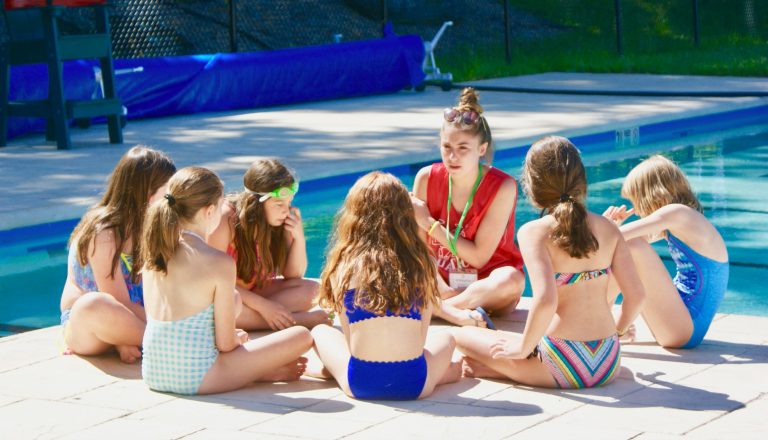
The benefits of working at summer camp include leadership experience, transferable career skills, stronger confidence, meaningful friendships, personal growth, and the opportunity to make a lasting difference in campers’ lives.
Working at summer camp can be one of the most memorable ways to spend a summer. You get to live somewhere new, meet people from around the world, spend more time outdoors, and become part of a close-knit community.
However, the benefits of working at summer camp can go far beyond having a fun summer.
Camp staff take on real responsibility, build professional skills, develop confidence, and often learn more about the type of work they want to pursue in the future. Research from the American Camp Association has also explored how working at camp can influence young adults’ views of meaningful work, relationships, and career values.
In other words, camp can be more than a seasonal job. It can become an experience that continues to shape you long after the summer ends.
Is Working at Summer Camp Worth It?
For many young adults, working at summer camp offers something that can be difficult to find in a typical seasonal job.
You are not simply clocking in, completing a shift, and heading home. Instead, you become part of a community where your work directly affects the experiences of the people around you.
Camp staff lead activities, support campers, solve unexpected problems, work closely with teammates, and take on responsibilities that require maturity and adaptability.
That combination can make camp especially valuable for college students, young adults, and international staff who want more from their summer than a traditional job.
Camp can also provide a clearer sense of what makes work feel meaningful. You may discover that you enjoy mentoring others, working as part of a team, spending your days outdoors, or taking on leadership responsibilities.
Those lessons can influence the jobs, internships, and careers you pursue later.
7 Benefits of Working at Summer Camp
1. You Develop Real Leadership Skills
Leadership is part of everyday life at camp.
Camp counselors are responsible for helping campers feel safe, supported, included, and engaged. Activity specialists may lead groups through sports, waterfront activities, arts programs, outdoor adventures, or other experiences.
Even first-year staff members quickly learn how to communicate clearly, make decisions, and respond when plans change.
You might need to encourage a nervous camper, resolve a disagreement between cabinmates, adjust an activity because of weather, or help your group stay organized throughout a busy day.
Those moments build practical leadership experience.
You learn how to guide others without dominating them, communicate expectations, stay calm under pressure, and make decisions with other people’s needs in mind.
Those skills can be useful in almost any future workplace.
2. You Build Skills That Transfer to Future Careers
One of the biggest benefits of working at summer camp is how many professional skills you develop without sitting behind a desk.
Camp staff regularly practice:
- Communication
- Teamwork
- Problem-solving
- Time management
- Organization
- Conflict resolution
- Adaptability
- Public speaking
- Creativity
- Responsibility
You may not think of these skills while you’re leading a campfire, organizing a soccer game, or helping campers get ready for the day. However, those experiences can translate directly into future jobs.
A counselor who manages a cabin of campers is practicing leadership and organization. An activity specialist who teaches several groups each day is developing communication and instructional skills.
Meanwhile, staff members who work through unexpected challenges are building adaptability and problem-solving abilities.
These are skills employers value across industries.
3. You Experience What Meaningful Work Feels Like
Not every summer job gives you the chance to see the impact of your work so clearly.
At camp, that impact can happen every day.
You might help a camper make their first friend, overcome homesickness, try a new activity, or gain the confidence to do something they were nervous about.
Small moments can become important milestones for campers.
That sense of purpose is one reason working at camp can feel different from other seasonal jobs.
Research examining the camp staff experience has found that young adults often connect camp with meaningful work, strong relationships, and personal development.
Those experiences may also change the way you think about future jobs.
After spending a summer doing work that feels important, you may begin looking for careers where you can see the effect of what you do.
4. You Learn What You Want From a Future Career
You do not need to know exactly what you want to do after college before working at camp.
In fact, camp may help you figure it out.
Working in a fast-paced community can show you which parts of a job matter most to you.
Maybe you discover that you enjoy leading a team. Perhaps you love teaching, coaching, working outdoors, or helping children develop confidence.
You might also realize that workplace culture matters to you more than you expected.
Living and working closely with other staff can show you how much you value collaboration, supportive leadership, strong relationships, or a shared sense of purpose.
Even discovering what you do not enjoy can be useful.
Those insights can help you make more informed choices when applying for internships, graduate programs, and future jobs.
5. You Build Confidence and Independence
Camp often puts staff members in situations they have never experienced before.
You might live away from home for an entire summer, work with people from different countries, lead an activity for the first time, or take responsibility for a group of campers.
At first, some of those experiences can feel unfamiliar.
Over time, however, they can become sources of confidence.
You learn that you can solve problems, adapt to change, communicate with new people, and handle responsibilities that once seemed intimidating.
For international staff, that independence can be especially significant. Working at a summer camp in the United States often means navigating a new country, culture, workplace, and community at the same time.
By the end of the summer, many staff members leave camp with a much stronger sense of what they are capable of doing.
6. You Form Strong Friendships and a Sense of Belonging
Ask former camp staff what they remember most about their summers, and many will talk about the people.
Camp brings together individuals from different states, countries, universities, backgrounds, and cultures. Because staff live and work alongside one another, friendships can form quickly.
You spend long days solving problems together, celebrating wins, laughing over inside jokes, and creating experiences for campers.
That shared experience can build unusually strong connections.
Research into staff retention at summer camps has also found that feelings of engagement and belonging are closely connected with whether staff choose to return.
That makes sense.
When you feel like you are part of something meaningful, camp starts to feel like more than a workplace. It becomes a community.
For many staff members, those friendships continue long after everyone leaves at the end of the summer.
7. You Make a Difference in Campers’ Lives
Perhaps the most meaningful benefit of working at summer camp is the opportunity to become an important person in a child’s summer.
Campers look up to their counselors, instructors, coaches, and activity leaders.
That means your attitude matters.
The encouragement you give a camper before they try the climbing wall, perform on stage, jump into the lake, or join a new group can help build their confidence.
You may also be the person who helps a homesick camper feel comfortable or makes sure someone who feels left out gets included.
You might not realize how important those moments are at the time.
For a camper, though, a great counselor can become someone they remember for years.
That responsibility is one of the things that makes working at camp so meaningful.
How Working at Summer Camp Can Help Your Resume
Working at camp can also become valuable professional experience when you know how to describe it.
Instead of listing only “camp counselor” on your resume, think about the actual responsibilities you handled.
You may have supervised groups of children, led activities, managed schedules, resolved conflicts, communicated with coworkers, adapted to changing situations, or helped create a safe environment.
Those responsibilities demonstrate real workplace skills.
For example, you could highlight your experience leading groups, collaborating with an international staff team, teaching specialized activities, or managing several responsibilities at once.
The exact wording will depend on your role.
The key is to explain what you actually did and what skills were required to do it well.
Camp experience can be particularly useful when applying for careers involving education, recreation, healthcare, psychology, sports, hospitality, management, communications, or working with children.
However, the skills you build at camp can transfer into almost any industry.
Why Do So Many Staff Return to Camp?
Many camp staff arrive thinking they will work for one summer.
Then they come back.
There are plenty of reasons why.
Returning staff already know the traditions, routines, and people that make their camp special. They may also have opportunities to take on more responsibility as senior counselors, activity heads, unit leaders, or other leadership roles.
However, the strongest reason is often much simpler.
They miss the community.
Camp creates an environment where people work toward a shared goal. Staff members support one another while creating memorable experiences for campers.
That sense of belonging can be difficult to replicate elsewhere.
Returning for another summer also gives staff the chance to keep developing their skills and taking on new challenges.
Each summer can feel familiar while still offering something new.
Is a Summer Camp Job Right for You?
Working at camp can be a great fit if you want a summer filled with responsibility, friendship, adventure, and personal growth.
You do not need years of camp experience to apply.
Camps hire staff with a wide variety of backgrounds and interests, including counselors, sports instructors, waterfront staff, photographers, videographers, nurses, kitchen staff, maintenance teams, and many other positions.
What matters most is being willing to contribute to the camp community and help create a great summer for campers.
You also do not need to have your entire career planned before you arrive.
One of the biggest benefits of working at summer camp may be discovering more about yourself along the way.
You could leave with stronger skills, new friendships, greater confidence, and a clearer idea of the type of work you want to pursue next.
And you might just have an unforgettable summer in the process.
Frequently Asked Questions About Working at Summer Camp
What are the main benefits of working at summer camp?Working at summer camp can help you develop leadership, communication, teamwork, independence, and problem-solving skills. Staff also have opportunities to build meaningful friendships, gain professional experience, and make a positive impact on campers.
Does working at summer camp look good on a resume?Yes. Camp jobs involve significant responsibility and can demonstrate transferable skills such as leadership, teamwork, communication, conflict resolution, adaptability, and organization. The key is describing your responsibilities clearly on your resume.
What skills do you learn working at summer camp?Camp staff commonly develop skills in leadership, communication, teamwork, teaching, problem-solving, time management, organization, and conflict resolution. Staff also learn how to adapt quickly when plans change.
Is being a camp counselor good career experience?Being a camp counselor can provide valuable experience for many careers, especially those involving leadership, education, recreation, healthcare, management, or working with children. However, the communication and teamwork skills gained at camp can be useful in almost any profession.
Why do people return to work at summer camp?Many staff return because of the friendships, community, traditions, and sense of purpose they experience at camp. Returning staff may also have opportunities to take on greater leadership responsibilities and continue building professional skills.
Make Your Summer Mean More
A summer camp job can give you much more than something to do between semesters.
It can challenge you, introduce you to people from around the world, strengthen your resume, and help you discover what matters to you in a future career.
Most importantly, it gives you the chance to make someone’s summer unforgettable.
If you’re ready for a summer filled with adventure, friendship, responsibility, and meaningful work, explore summer camp jobs with American Summer Camps and find a camp where you can make an impact.