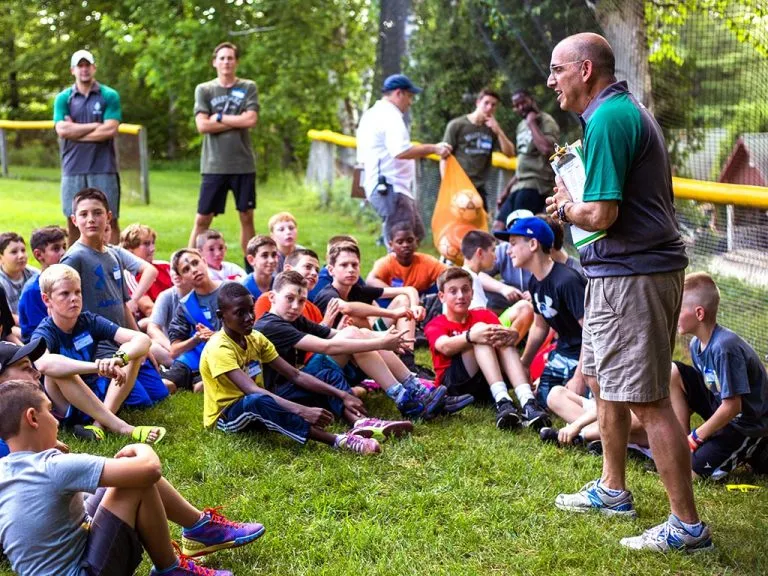
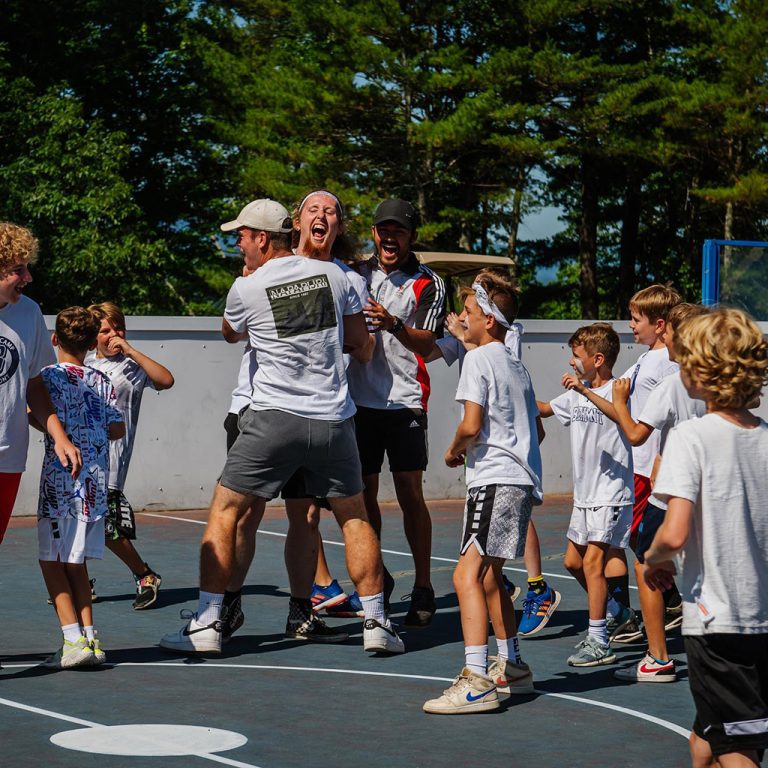
Summer camp is a beloved tradition for many families, and an exciting opportunity for young adults to gain valuable life skills and make lasting memories. But have you ever considered working at a summer camp as a way to spend your summer break? Not only is it a fun and rewarding experience, but it’s also a great way to gain relevant work experience, earn money, and make connections in your field of interest.
Counselor – This is the most popular and iconic summer camp job. Counselors are responsible for leading and overseeing a group of campers, ensuring their safety and well-being while they take part in camp activities. They also help to plan and lead activities, provide emotional support, and serve as positive role models. Apply to be a summer camp counselor.
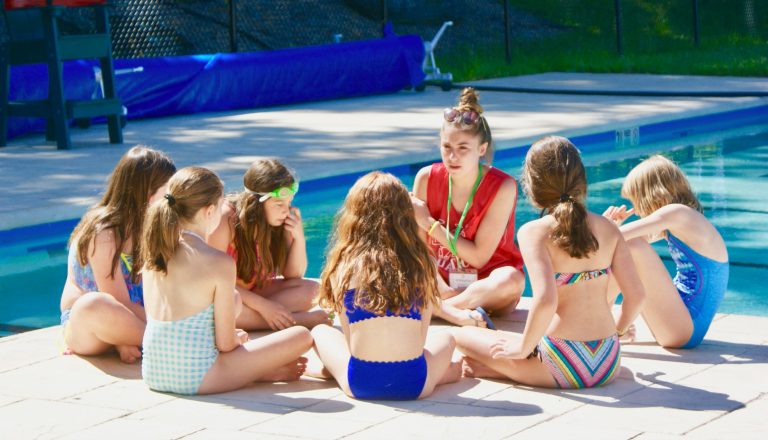
Lifeguard – If you are a certified lifeguard, this is a great summer job opportunity. Lifeguards are responsible for supervising the swimming areas and ensuring that campers are safe while they’re in the water. Apply to be a lifeguard at summer camp.
Activity Specialist – If you have a special talent or interest, such as music, art, or sports, you may be able to work as an activity specialist at a summer camp. These professionals lead and teach campers in their area of expertise, helping them to develop new skills and interests. Apply to be a summer camp activity specialist.
Kitchen Staff – Camps require skilled workers to feed their campers and staff. As a kitchen staff member, you will be responsible for preparing and serving meals, as well as cleaning the kitchen and dining area. Apply for kitchen and support staff positions.
Nurse – Summer camps often hire nurses to help take care of minor injuries and illnesses that may occur while the campers are at camp. They are also responsible for providing medication to campers as prescribed. Apply for summer camp nurse jobs.
Maintenance and Grounds – Summer camps have to maintain their facilities, equipment and take care of their landscapes. These jobs include tasks like painting, cleaning, repairing, and other general maintenance work. Apply for maintenance and support staff positions.
Administrative – Summer camps require staff members for handling their registration, billing and other administrative tasks. They also need staff to manage their website, social media and other digital platforms. Apply for year-round camp positions.
These are just a few examples of the many job positions available at summer camps. Whatever your skills and interests, there’s sure to be a job that’s a perfect fit for you.
Working at a summer camp is an exciting, challenging, and rewarding experience. You’ll get to spend your summer in the great outdoors, make new friends, and have fun while you’re working. So if you’re looking for a fun and meaningful way to spend your summer, consider applying for a job at a summer camp!
Keep in mind that while I’ve given you a general idea of the jobs, each camp could vary on the specific position they are hiring and the duties involve. And make sure to check the specific requirements and qualifications before applying.
To get hired at summer camp, research the right camps, apply early, highlight your leadership and childcare experience, prepare for your interview, and show that you are ready to put campers first.
Working at summer camp can be one of the most rewarding jobs you will ever have. You get to spend your summer outdoors, build lifelong friendships, gain real-world leadership experience, and make a meaningful impact on children’s lives.
But before you pack your bags for camp, you have to get hired.
The good news? You do not need to have a perfect resume to land a great summer camp job. Many camps hire first-time staff every year. What matters most is showing that you are responsible, energetic, teachable, and genuinely excited to help campers have a safe and memorable summer.
If you are wondering how to get hired at summer camp, this guide will walk you through the process. From researching camps to preparing for your interview, these tips will help you stand out for the right reasons.
Why Summer Camps Are Looking for Great Staff
Summer camps depend on great staff. Counselors, activity instructors, lifeguards, nurses, media team members, kitchen staff, and support staff all help create the camp experience families trust and campers remember.
Camp is fun, but it is also a real job. Staff members help supervise campers, lead activities, build confidence, support homesick kids, model kindness, and keep the day moving. Because of that, camp directors look for people who can bring both energy and maturity to the role.
A strong camp staff member does not need to know everything on day one. However, they do need to be willing to learn, work hard, communicate well, and put campers first.
That is what your application and interview should show.
What Camps Look for in Summer Camp Staff
Before you apply, it helps to understand what camps are really looking for. While every camp is different, most directors want staff who are dependable, positive, and ready to be part of a close community.
Camps often look for candidates who show:
Responsibility: Campers need staff they can trust.
Maturity: Camp staff often live on-site and handle long, active days.
Flexibility: Camp schedules can change quickly because of weather, camper needs, or special events.
Energy: Staff help create the fun, welcoming spirit that makes camp feel special.
Patience: Working with children requires empathy and calm problem-solving.
Teamwork: Camp staff live and work closely together.
Leadership: Counselors and instructors guide campers through new experiences.
Good communication: Staff need to communicate clearly with campers, coworkers, and supervisors.
You do not have to be perfect in every area. Still, your application should show that you understand what the job involves and that you are ready to contribute.
Research Camps Before You Apply
One of the best ways to improve your chances of getting hired is to apply to camps that are a good fit for you. A generic application may get overlooked, but a thoughtful one shows that you understand the camp and its community.
Start by looking at the camp’s website, job descriptions, activities, location, and mission. Pay attention to the type of campers they serve and the roles they are hiring for.
Some camps are traditional sleepaway camps with sports, arts, waterfront activities, and outdoor adventure. Others may focus on special interests, specific age groups, teen leadership, or campers with additional support needs.
As you research, ask yourself:
Do I want to work at a sleepaway camp or day camp?
What age group would I enjoy working with?
What activities could I help lead?
Am I comfortable living at camp for the summer?
Do the camp’s values match what I am looking for?
What dates am I available?
Does the role include housing and meals?
Are there certifications I need, such as lifeguarding or first aid?
The better you understand the camp, the easier it will be to write a strong application and answer interview questions with confidence.
Apply Early and Follow the Instructions Carefully
If you want to know how to get hired at summer camp, one of the simplest answers is this: apply early.
Many camps start hiring staff months before summer begins. Some roles, especially specialty positions like waterfront, ropes course, nursing, media, or activity leadership, may fill quickly. Applying early gives you more options and more time to find the right match.
When you fill out your summer camp application, slow down and follow the instructions carefully. This may sound basic, but it matters. Camp directors notice when applicants are thorough, professional, and easy to communicate with.
Make sure you:
Complete every required field.
Use accurate availability dates.
Proofread your answers.
Attach a resume if requested.
Be honest about your experience and certifications.
Respond quickly to emails or interview requests.
Use a professional tone in written communication.
Your application is often the first impression a camp has of you. Treat it like the beginning of the job, not just a form to rush through.
Highlight Experience That Shows You Can Work With Kids
You do not always need previous camp experience to get hired. However, you should highlight anything that shows you can be responsible, patient, and positive around children or teens.
Relevant experience might include:
Babysitting
Coaching
Tutoring
Volunteering
Lifeguarding
Teaching assistant work
Youth group leadership
Sports team leadership
Student government
Customer service jobs
Outdoor education
Music, art, dance, theater, or sports instruction
Even if your experience does not seem directly related to camp, it may still be valuable. For example, a restaurant job can show that you work well under pressure. A team captain role can show leadership. A volunteer position can show that you care about serving others.
When describing your experience, be specific. Instead of saying, “I am good with kids,” explain how you have worked with children before. Did you coach younger athletes? Help a homesick child while babysitting? Tutor a student through a difficult subject? Lead a group project?
Specific examples help camp directors picture you in the role.
Show That You Understand the Job Is About Campers
A summer camp job can be exciting. You may get to travel, live outdoors, meet friends from around the world, and build your resume. Those are all great reasons to apply.
However, the strongest applicants understand that camp is ultimately about the campers.
When writing your application or answering interview questions, focus on how you want to contribute to the camp community. Talk about helping campers feel included, encouraging them to try new things, and creating a safe, positive environment.
That does not mean you cannot mention your own goals. It is perfectly fine to say that you want to grow as a leader or gain experience working with children. Just make sure your answer also shows that you care about the camper experience.
A strong answer might sound like this:
“I want to work at camp because I love being part of a positive community where kids can grow, make friends, and try new things. I also think it would help me build leadership and communication skills, but what excites me most is the chance to make a real impact on campers.”
That kind of response shows maturity, warmth, and purpose.
Let Your Personality Come Through
Camps are not only looking for qualifications. They are also looking for people who bring joy, creativity, and enthusiasm to the community.
Your personality matters.
If you are applying to be a camp counselor, activity specialist, or support staff member, camp directors want to know what it would be like to have you around campers and coworkers all summer. Are you upbeat? Kind? Flexible? Creative? Willing to jump into songs, games, theme days, and silly moments?
Do not be afraid to let your personality come through in your application and interview. Share why camp excites you. Talk about the activities you love. Mention the unique skills or interests you could bring to the community.
Maybe you play guitar, coach soccer, love hiking, enjoy photography, teach swim lessons, or have a talent for organizing group games. These details can help you stand out.
At the same time, keep your tone professional. Camp is fun, but hiring is still a professional process. You want to show that you can be energetic and responsible.
Be Professional in Every Interaction
Professionalism can make a big difference in the summer camp hiring process. Camp directors are looking for staff members they can trust with campers, schedules, responsibilities, and communication.
That trust starts before you are hired.
Use a clear, polite tone in emails. Show up on time for interviews. Dress appropriately for video calls. Make sure your phone or laptop is charged. Choose a quiet place where you can focus. If you need to reschedule, communicate as early as possible.
It is also a good idea to check your social media presence. Many employers, including camps, may look at public profiles. Make sure anything public reflects the kind of role model you want to be for campers.
Professionalism does not mean being stiff or overly formal. It simply means showing that you are reliable, respectful, and ready to take the opportunity seriously.
Prepare for Common Camp Interview Questions
Once your application gets noticed, the next step is usually an interview. This may happen by phone, video call, or in person.
Preparing ahead of time can help you feel more confident. You do not need to memorize answers, but you should think through examples from your experience.
Common camp interview questions include:
Why do you want to work at summer camp?
What experience do you have working with children?
What age group do you prefer to work with?
What activities could you help lead?
How would you handle a homesick camper?
How would you manage conflict with another staff member?
What would you do if a camper refused to participate?
How do you respond to stressful situations?
What does being a role model mean to you?
What are your strengths and areas for growth?
The best answers are honest and specific. Use examples when you can.
Camp directors are not expecting you to know everything. They want to see how you think, how you communicate, and whether you are willing to ask for help when needed.
Ask Smart Questions During the Interview
A good interview is not just about answering questions. It is also your chance to learn more about the camp.
Asking thoughtful questions shows that you are serious about the role. It also helps you decide whether the camp is the right fit for you.
Good questions to ask include:
What does staff training look like?
What does a typical day at camp look like?
What age group would I most likely work with?
How do you support first-year staff?
What qualities make someone successful at your camp?
What are the biggest challenges staff should be prepared for?
How are staff supervised and supported during the summer?
Are there opportunities to return in future summers?
These questions show that you are thinking beyond getting hired. You are thinking about how to do the job well.
Follow Up After the Interview
After your interview, send a short thank-you email. This is a simple step, but it can leave a strong impression.
Your message does not need to be long. Thank the interviewer for their time, mention something you enjoyed learning about the camp, and restate your interest.
Here is a simple example:
“Thank you again for taking the time to speak with me. I enjoyed learning more about your camp community and the role. I’m excited about the opportunity to contribute to a positive, safe, and memorable summer for campers.”
A thoughtful follow-up shows professionalism and reinforces your interest in the position.
Common Mistakes That Can Hurt Your Summer Camp Application
Even strong candidates can weaken their chances by making avoidable mistakes. Before you apply, watch out for these common issues.
One mistake is submitting a generic application. If your answers could apply to any camp, they may not feel memorable. Try to reference the specific role, camp environment, or type of work that interests you.
Another mistake is focusing only on what the job will do for you. Travel, friendship, and resume-building are all real benefits. Still, camps want to know what you will bring to their campers and community.
Applicants may also hurt their chances by responding slowly, using overly casual language, or showing up unprepared for interviews. Camp directors need staff who are dependable, so communication matters.
Finally, avoid exaggerating your skills. If you are not certified as a lifeguard, do not imply that you are. If you have limited experience with children, be honest and focus on your willingness to learn. Camps can train for many things, but they need to trust your honesty.
How to Stand Out as a Summer Camp Job Candidate
If you want to stand out, focus on being clear, genuine, and camper-centered.
You do not need to be the loudest or most experienced applicant. You need to show that you are ready to work hard, support others, and bring a positive attitude to camp life.
Stand out by:
Sharing specific examples from your experience.
Explaining why you want to work with campers.
Highlighting special skills or activity areas.
Showing that you researched the camp.
Communicating quickly and professionally.
Being honest about your strengths and growth areas.
Asking thoughtful interview questions.
Most of all, be yourself. Camps are looking for real people who can connect with campers and contribute to a caring community.
Ready to Find a Summer Camp Job That Fits You?
Getting hired at summer camp starts with finding the right opportunity. Whether you want to be a camp counselor, lifeguard, activity instructor, nurse, media specialist, or support staff member, there are camps looking for people who are ready to make a difference.
Working at camp is more than a summer job. It is a chance to build leadership skills, spend your summer outdoors, make lifelong friendships, and become part of a community that campers will remember for years.
If you are ready to apply, American Summer Camps can help you explore summer camp jobs and connect with camps looking for staff like you.
To get hired at summer camp, research camps that match your interests, submit a thoughtful application, highlight experience working with children, prepare for your interview, and show that you are responsible, flexible, and excited to support campers.
Do I need experience to work at summer camp?
Not always. Many camps hire first-time staff, especially for general counselor roles. However, experience with children, leadership, coaching, tutoring, volunteering, or outdoor activities can make your application stronger.
When should I apply for summer camp jobs?
It is best to apply as early as possible, often in winter or early spring. Many camps continue hiring into spring and early summer, but applying early gives you more options.
What should I put on a summer camp job application?
Include experience that shows responsibility, leadership, teamwork, communication, and comfort working with kids. Babysitting, coaching, tutoring, volunteering, lifeguarding, customer service, and student leadership can all be relevant.
What do summer camps look for in staff?
Summer camps look for staff who are mature, energetic, dependable, patient, and willing to put campers first. Camps also value applicants who communicate well and can work as part of a close team.
How can I stand out in a camp counselor interview?
Research the camp before your interview, give specific examples from your experience, ask thoughtful questions, and explain how you can help create a safe, fun, and supportive experience for campers.
Is working at summer camp good for your resume?
Yes. Working at summer camp can help build leadership, communication, teamwork, problem-solving, organization, and conflict-resolution skills. These skills are useful in many careers, especially education, healthcare, business, social work, recreation, and leadership roles.
Photo courtesy of Molly Green for The Johns Hopkins News-Letter. Green recounts her experiences as a summer camp counselor and the joy of mentoring young campers.
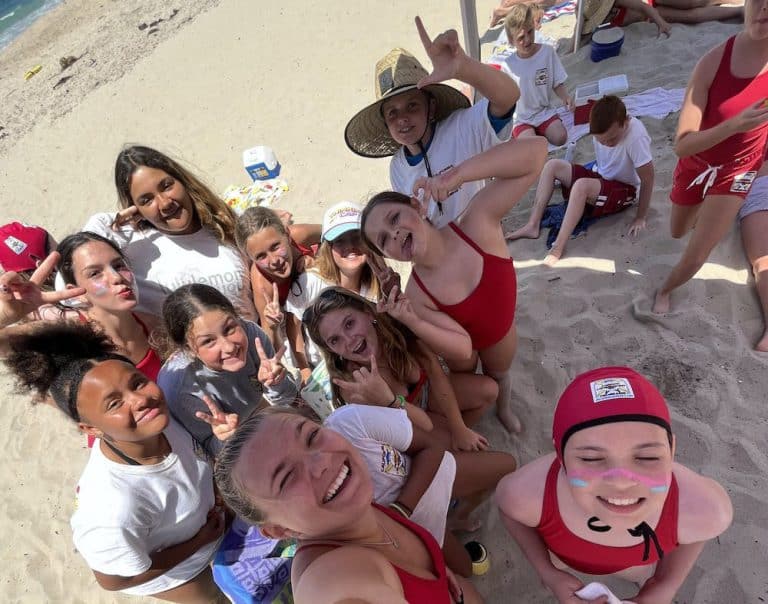
June 6 was the day my summer truly began. At 6:30 I woke up, put on my bathing suit and sweats and drove to my favorite place: work. My coworkers and I greeted each other in the parking lot, blinking away the mist of the early morning as we started our trek down the hill to the beach.
Coming down the hill, we could see the bin, a big metal box that sits on the sand for the entire summer, filled with camp supplies. When the bin appears, everyone knows that it’s summertime.
To explain: I have the best summer job in the world. The last two summers, I’ve had the privilege of working at California Junior Lifeguards, a summer camp that most kids from Southern California attend at some point during their childhood. The camp helps kids feel comfortable in the water, teaching them ocean safety and the importance of an active, outdoor lifestyle.
That first day of summer, my coworkers and I set up camp for the first time — raising tarps, hammering boundary flags into the sand, stacking surfboards and sand toys — and 30 minutes later, we had built a magical place that would soon be flooded with hundreds of children.
Each morning we would schedule the perfect day as we anxiously awaited the arrival of our campers. Our activities often included runs, games, buoy swims and surf clinics. Sometimes we would take our campers on special excursions to play kickball at a nearby park or to Shell Beach, a marine-protected cove where we could go snorkeling and explore the wildlife.
Although I loved playing games like Nation Ball or Tanks, my favorite parts of being a counselor were the opportunities that I had to connect with my kids — whether that be eating lunch with them and talking about their hobbies, helping to resolve conflict between campers or watching them succeed at something that they previously had been scared to do.
This last thing is something that I got to experience a lot this summer, and it will always be my favorite part of working with kids. While many kids were excited to go in the ocean, each week there was at least one camper who was scared to do the buoy swim.
I’ll admit, the swim is a daunting one — the buoy is placed far past the impact zone where the waves crash, and for someone who has never swum that far before, it can be very scary. We never force the kids to participate, but we always encourage them to do so. I had so many kids face their fears and complete the swim this summer, and it’s always so inspirational to see this happen.
Often the kids ask me to swim to the buoy with them, and some hold onto my arm the entire way there. When we get to the buoy, though, I always make them let go to touch the buoy on their own because even if they swim next to me the whole time, I want them to remember that they accomplished this — nobody else did it for them.
Each day this summer, I woke up excited to go to work for that very reason. Each day I had the opportunity to help my campers achieve their goals, whether those goals be large or small. I helped them gain confidence in themselves and their abilities, I comforted them when they were scared and I congratulated them when they succeeded. There’s no other way I’d rather spend my days.
As we cleaned up camp for the last time, my coworkers and I said goodbye to each other — some of us for the last time. One of my coworkers said she might get a different job next summer, then shook her head.
“I’ve spent the last 13 summers here — as a camper, as an intern and now as a counselor,“ she said. “There’s nowhere else I can even picture spending my summer.”
When she said that, I realized for the first time how much of an impact I was making on my campers. Many of them would attend Junior Lifeguards every year of their childhood, and some, like my coworkers and me, would work here through high school and college.
As she was leaving, one of my two-week campers ran to hug me.
“I have a present for you,” she said and handed me two bracelets that she had made me. “Thank you for being the best counselor ever! These were the best two weeks of my whole summer.”
I almost cried then and there, overwhelmed with gratitude for the opportunity I had to impact my campers’ lives. With my second summer at camp coming to a close, I realized just how lucky I was to be there.
Molly Green is a sophomore from Orange County, Calif. studying Writing Seminars.
Summer employment at a sleepaway camp is enjoyable, engaging, and rewarding. You have the option to share a bunk with other campers on our lovely campus in the Pennsylvania Endless Mountains. Throughout our six activity periods, you will work with campers. However, you will spend a lot more time with the kids than that. You’ll be with them from the time they get up until they go to bed. Mealtimes. Rest Period. Shower Time Activity Intervals You get the opportunity to speak with our incredible campers throughout the day. And just as fortunate as they are to have you as a part of our outstanding staff, you are privileged to be with them.
Even if you spend a lot of time with your campers, all it takes is one moment to make a child’s life completely different. Each of us may recall a single interaction with an adult from our formative years that continues to have an impact on us today. What is the weirdest thing about this “moment”? The youngster and you won’t be aware that it’s happening. You might say something that doesn’t seem important to either of you. Then, days later, you’ve long since forgotten about it while the child is still reflecting on it. Years from now, based on a single chat, you’ve altered that child’s course, and as they desperately look for your phone number to say “Thank You,” you might not even remember that camper.
We just ask that you arrive at sleepaway camp as you – fun, engaging, athletic, eccentric, nerdy, reserved, extroverted, or any combination thereof. We have experienced everything and value it equally. We don’t anticipate that as a staff member, your summer will be full with unforgettable experiences. In actuality, seeking for these opportunities would be fruitless. You may develop trusting relationships with your campers by just being yourself. Therefore, stop looking for this “moment.” Celebrate your uniqueness and savor the time you have with these wonderful kids this summer because they will affect you just as much as you can expect them to.
In this blog, we briefly summarize some of our recent findings related to the seasonal camp staff experience and our work as part of ACA’s National Impact Study.
Working at camp can be a blast and a great opportunity to make lifelong friends while learning skills useful to life beyond camp. Although a great deal of camp research has focused on understanding the benefits of attending camp for youth participants, we know less about what this experience is like for the staff who make the programs happen. Do not fear! Research about seasonal summer camp staff experiences does exist (see Warner et al., 2021 for a review) and more is on the way!
What We’re Learning
Camp can be a complementary setting for young people’s development. In a recent study (Povilaitis et al., 2021), we looked at how the things first-year staff learned at camp compared to what they learned in school and non-camp work. We found that camp employment can be a great setting for young adults to learn relationship skills, leadership, and appreciation for being present in the moment compared to other settings throughout their lives. Our findings suggest that camp employment can be a fertile setting for development that complements learning in school and non-camp work.
Working at camp is meaningful work. In a recent study (for abstract, see Warner et al., 2020, p. 124, full article in press), we wanted to know if camp staff viewed their work at camp as meaningful work, and if so, what about the work experience made it meaningful. Across two groups of staff (first-year and returning staff), we found that young adults think of camp employment as meaningful and that it was meaningful because they could see the impact they were having on youth, their meaningful relationships with coworkers, and opportunities for personal development. We also found that working at camp was more meaningful than non-camp summer work. Finding meaningful work is important to young adults’ career development and our findings suggest that camp can be a great place for young adults to experience it!
Camp employment can contribute to young adults’ career development. In a recent study (Warner & Povilaitis, 2021, p. 63), we wanted to know how working at camp shaped young adults’ work values — or what they desired in their future work. Through interviews with 76 participants who had worked at a summer camp for at least one summer, we found that camp employment was influential in shaping young adults’ work values. We found that the unique characteristics of camp employment (i.e., social setting, impactful work, live-where-you-work, variety) helped young adults’ understand their desires for doing work that makes a difference, that has a supportive work environment and offers opportunities for meaningful relationships with coworkers, work-life balance, personal development, and variety. Our findings suggest that camp employment can be a setting that nurtures young adults’ career development.
First-year staff return to camp because it’s engaging and they feel like they belong. In a recent study (Warner & Sibthorp, 2021, p. 67), we wanted to know what about staff’s experiences working at camp their first summer were related to their return to the same camp for a second summer of work. We found that staff that were highly engaged and felt like they belonged were nearly three times and two times more likely to have returned, respectively. We also found that staff who did not return to camp for a second summer did not return due to pay, different work, and educational opportunities. By looking at staff’s experiences their first summer and their actual return to camp, our findings suggest that creating engaging experiences for first-year staff and helping them feel like they belong can be critical to getting them to come back for a second summer.
What It Means for Camps
It’s clear that there’s a bunch of existing and upcoming research out there about working at camp. This is great, but what does this mean for people who are working directly with camp staff? What can you do to help support staff and make sure they understand the value of their experience? Here are our takeaway points for camp directors:
Help staff recognize they are learning skills. If you have regular staff meetings, ask staff members to identify what they learned that week and share their responses with others. Don’t be afraid to ask for clarification and to prompt staff to think more deeply about their responses. For example, if a staff member comments that they learned how to instruct campers in a new version of GaGa, help them identify the skill they learned in this activity (e.g., public speaking, leadership, creativity). When staff hear what skills their peers are learning, they might be more likely to be able to identify what they personally are learning as well.
Learning and development at camp applies to life beyond camp. Taking this concept of learning skills one step further, ask staff how their newly learned skills will impact them in life outside of camp. For example, in an exit survey or journal reflection, encourage staff to think about how they will use these skills in other areas of their lives. You can also prompt them to reflect on certain contexts (e.g., college, other work, personal relationships) or certain groups of skills, such as social emotional learning skills (e.g., communication, respect, empathy) or career-related skills (e.g., organization, time management, problem-solving). Similarly, you could help staff think about what parts of the camp job they liked and would want in future jobs and careers. For example, if a staff member enjoyed the variety of work and active aspect of their camp job, a desk job might be difficult for them in the future. Alternatively, if they enjoyed how they were able to see the meaningfulness of their work and the direct impact they had on campers, this staff member might want to seek out jobs where they can see their impact.
Encourage staff to return. Camp directors recognize that sometimes staff need to move on to different summer experiences like internships or study abroad programs. Other staff might benefit from another summer working at camp. To help encourage staff to return to work at camp, think of ways to increase staff member’s feelings of engagement and sense of belonging. Engagement occurs when staff are immersed in and enjoy the work they are doing. This often occurs with a role change (e.g., arts and crafts counselor becoming a theatre counselor) or added responsibilities (e.g., overseeing other junior staff members). In addition, always think of how you can increase feelings of belonging among staff, whether that be through group bonding events, one-on-one check-ins, or creating a multicultural work environment that recognizes and celebrates the unique backgrounds of staff. Given that the summer camp industry at-large is working to become more inclusive and equitable, culturally responsive and sustaining methods may be a useful way to support staff from a diversity of backgrounds and life experiences so they feel recognized and valued. Helping staff feel connected and valued can go a long way in motivating them to return.
The National Staff Impact Study continues through 2021, so stay tuned for more staff-based research to come!
This blog was written on behalf of Project Real Job’s efforts to help camps recruit, hire, and retain staff.
Photo courtesy of Oak Hill School Summer Programs in Eugene, Oregon
References
Povilaitis, V., Sibthorp, J., & Richmond, D. (2021). Camp employment as a developmental setting for emerging adults: A national mixed-methods study. Journal of Outdoor, Recreation, Education, and Leadership, 13(1), 64-81. https://js.sagamorepub.com/index.php/jorel/article/view/10545
Warner, R. P., Godwin, M., & Hodge, C. J. (2021). Seasonal summer camp staff experiences: A scoping review. Journal of Outdoor, Recreation, Education, and Leadership, 13(1), 40-63.
Robert P. Warner, University of Utah: Robert is a PhD candidate at the University of Utah. He works as a research assistant on projects related to positive youth development through out-of-school time settings, like summer camp and outdoor adventure education. Through his scholarship he seeks to better understand the role of youth recreation experiences and seasonal employment experiences in broader developmental outcomes, as well as increase equitable developmental opportunities for people from a diversity of backgrounds.
Victoria Povilaitis, American Camp Association: Victoria recently completed her PhD at the University of Utah and now works at ACA as a Research Associate. She is a long-time summer camp program director and staffing director. Through her academic work she aims to bridge research and practice and hopes to develop tools and strategies that camp professionals can use when working with campers and staff to facilitate positive experiences for everyone who engages with camp.
Working at a summer camp can be a rewarding and fun experience for many people. Some of the best things about working at a summer camp include:
Being surrounded by nature: Many summer camps are located in beautiful natural settings, surrounded by forests, lakes, and mountains. This can be a great opportunity to spend time outdoors and enjoy the beauty of nature.
Building relationships: Summer camp is a place where people from all walks of life come together to work and play. You will have the opportunity to make new friends and build strong relationships with coworkers and campers.
Personal and professional growth: Working at a summer camp can be a challenging and rewarding experience that allows you to develop new skills and grow as a person. You may have the opportunity to take on new responsibilities, lead activities, and work with children.
Making a difference: As a summer camp counselor or staff member, you will have the opportunity to make a positive impact on the lives of campers. You may be able to help campers build self-confidence, learn new skills, and have fun in a safe and supportive environment.
Businesses should hire former camp counselors because they bring real-world communication, leadership, teamwork, adaptability, and problem-solving skills from a high-responsibility summer camp environment into the workplace.
Former camp counselors bring more to the workplace than many employers realize. A summer at camp requires communication, leadership, patience, creativity, teamwork, and the ability to solve problems in real time. When a candidate has been trusted with the safety, growth, and daily care of children, that experience deserves serious attention on a resume.
Camp counseling is not just a seasonal job. It is a hands-on leadership role that asks young adults to show up every day with energy, responsibility, emotional awareness, and a strong work ethic. Counselors lead activities, support campers, communicate with peers, follow safety procedures, and adapt quickly when plans change.
That combination of skills can be hard to teach in a traditional workplace. It is one of the many reasons businesses should hire former camp counselors.
Camp Counselor Experience Is Real Workplace Experience
At first glance, camp counseling may look like a fun summer job filled with games, lake days, campfires, and outdoor activities. And while camp is certainly full of fun, the counselor role comes with real responsibility.
Former camp counselors often spend their summers managing schedules, leading groups, resolving conflict, comforting homesick campers, and keeping children safe. They work with supervisors, parents, fellow staff members, and campers of different ages and personalities. They also learn how to stay calm, flexible, and positive in a fast-moving environment.
Those are not just “camp skills.” They are workplace skills.
Whether someone is entering education, healthcare, customer service, sales, hospitality, management, operations, marketing, or nonprofit work, camp counselor experience can translate beautifully into a professional setting.
What Skills Do Former Camp Counselors Bring to the Workplace?
Former camp counselors often bring a rare mix of communication, leadership, adaptability, emotional intelligence, organization, and follow-through. These qualities are valuable in almost every industry, especially in roles that require teamwork, customer service, problem-solving, or people management.
A strong former camp counselor may already know how to:
Communicate clearly with different audiences
Lead a group with confidence and patience
Stay calm during unexpected challenges
Work as part of a team
Take feedback and improve quickly
Manage time and routines
Support others through stressful moments
Think creatively when resources are limited
Build trust with people from different backgrounds
Stay positive during long, active days
For employers, that kind of experience matters. It shows that a candidate has already practiced many of the soft skills companies value most.
10 Reasons to Hire Former Camp Counselors
1. They Know How to Communicate Clearly
Communication is one of the most important skills a camp counselor develops. Counselors need to explain rules, give instructions, check in with campers, talk with supervisors, and sometimes communicate with parents.
They also learn that different people need different communication styles. A nervous first-time camper may need warmth and reassurance. A large group may need clear, confident direction. A supervisor may need a quick, accurate update.
That kind of communication experience is incredibly useful in the workplace. Former camp counselors often know how to listen well, speak with purpose, and adjust their tone based on the situation.
2. They Are Comfortable Taking Responsibility
Camp counselors are trusted with a great deal of responsibility. They help care for children, follow safety procedures, manage routines, and make sure campers feel included and supported.
This role requires maturity. Counselors cannot simply “check out” when the day gets busy. They need to stay aware, dependable, and ready to help.
For businesses, that sense of responsibility can be a major asset. Former camp counselors understand what it means to be accountable to a team, a supervisor, and the people depending on them.
3. They Can Solve Problems Under Pressure
At camp, plans change all the time. A thunderstorm may cancel an outdoor activity. A camper may feel homesick before dinner. A group may need a last-minute schedule adjustment. An activity may not go as planned.
Counselors learn how to think on their feet. They make quick decisions, ask for help when needed, and keep the group moving forward.
That problem-solving ability is valuable in any workplace. Businesses need employees who can stay calm, look for solutions, and adapt when things do not go exactly as expected.
4. They Bring Real Leadership Experience
Many entry-level candidates say they have leadership skills. Former camp counselors can usually show it.
They have led cabin groups, activity periods, team games, evening programs, and daily routines. They have modeled positive behavior, set expectations, encouraged participation, and helped campers grow in confidence.
Leadership at camp is not about having a title. It is about earning trust. Counselors learn how to guide others with patience, consistency, and care.
That kind of leadership experience can prepare former counselors for future roles in management, education, customer service, training, sales, and team-based work.
5. They Work Well on a Team
Camp runs on teamwork. Counselors work closely with co-counselors, activity specialists, leadership staff, nurses, kitchen teams, maintenance crews, and administrators. Everyone has a role to play.
Because of that, former camp counselors often understand how to collaborate. They know how to share responsibilities, support coworkers, communicate concerns, and contribute to a larger goal.
In a business setting, this matters. Strong teams need people who are willing to help, listen, pitch in, and keep the bigger picture in mind.
6. They Are Resilient and Adaptable
Camp days can be long, active, and unpredictable. Counselors may be outside in the heat, helping campers through emotional moments, leading back-to-back activities, or adjusting to sudden changes in the schedule.
That environment builds resilience. Former camp counselors often learn how to stay steady, even when they are tired or the day gets challenging.
They also learn how to adapt. If one approach does not work, they try another. If a camper needs extra support, they adjust. And if plans change, they keep going.
Employers benefit from team members who can handle pressure without losing their professionalism.
7. They Are Creative Thinkers
Creativity is part of everyday life at camp. Counselors may need to turn a rainy afternoon into a memorable indoor activity. They may need to make a simple game exciting, help shy campers feel included, or find a new way to explain instructions.
This creativity is practical, not just artistic. Former camp counselors learn how to work with limited time, limited materials, and different personalities.
In the workplace, that kind of creative thinking can help with customer service, marketing, training, operations, team building, and problem-solving.
8. They Pay Attention to Details
When working with children, small details matter. A counselor needs to know who has sunscreen, who is feeling left out, who needs extra encouragement, and who may be struggling quietly.
They also need to follow schedules, safety rules, activity plans, and communication procedures.
This attention to detail can carry over into professional life. Former camp counselors often understand that the small things can affect the bigger outcome.
Whether they are managing a project, helping a customer, preparing a presentation, or supporting a team, they know that details matter.
9. They Have a Strong Work Ethic
Camp counseling is rewarding, but it is not always easy. Counselors often work long, active days in a role that requires energy, patience, responsibility, and consistency.
They need to show up ready to lead, even when they are tired. They need to stay positive for campers, support their team, and follow through on their responsibilities.
That work ethic is valuable in any business. Former camp counselors often understand the importance of dependability, effort, and a positive attitude.
10. They Are Lifelong Learners
The best camp counselors are constantly learning. They learn from supervisors, co-counselors, campers, training sessions, and daily experience. They also learn through feedback.
A counselor might learn how to lead a better activity, communicate more clearly, manage a group more effectively, or support a camper with more patience.
That willingness to grow is a powerful workplace trait. Businesses need employees who are coachable, reflective, and open to improvement.
Former camp counselors are often used to learning in real time, adjusting quickly, and trying again.
How Camp Counselor Skills Match What Employers Want
Many of the skills employers look for in early-career candidates are built every day at camp. Counselors communicate with parents and supervisors, lead groups, respond to unexpected problems, collaborate with peers, and model professionalism for campers who are watching everything they do.
These experiences help build career-ready employees. Former camp counselors often bring strong people skills, but they also bring practical judgment. They have worked in an environment where attitude, preparation, and responsibility matter every day.
That is especially important for businesses hiring recent graduates or early-career professionals. A former camp counselor may already have experience managing real responsibilities, solving interpersonal challenges, and staying composed during busy days.
What Employers Should Look for on a Former Camp Counselor’s Resume
Employers may not always understand the depth of camp counselor experience at first glance. That is why it helps to look closely at how the role is described.
A former camp counselor’s resume may show experience like:
Led a cabin group through daily routines, activities, and conflict resolution
Communicated with supervisors, parents, and peers to support camper safety and well-being
Adapted daily plans due to weather, camper needs, and schedule changes
Managed group behavior in a positive and age-appropriate way
Created engaging activities that encouraged participation and teamwork
Supported campers through homesickness, friendship challenges, and personal growth
Collaborated with staff members to deliver a safe and meaningful camp experience
These are valuable professional experiences. They show leadership, communication, organization, emotional intelligence, and problem-solving.
If a candidate can explain what they learned at camp and how those lessons apply to the workplace, employers should pay attention.
Former Camp Counselors Can Thrive in Many Industries
Camp counselor experience is especially valuable in people-focused fields. However, the skills gained at camp can apply almost anywhere.
Former camp counselors can thrive in roles related to:
Education and teaching
Healthcare support
Customer service
Hospitality and tourism
Sales and account management
Human resources
Marketing and communications
Operations and logistics
Nonprofit work
Youth development
Training and leadership programs
The common thread is people. Former camp counselors know how to connect with others, build trust, communicate clearly, and stay flexible in active environments.
Those qualities are useful in nearly every workplace.
Why Camp Experience Builds Confidence
One of the most powerful parts of working at camp is the confidence it builds. Counselors learn that they can handle more than they expected. They learn how to lead, make decisions, and support others.
They also see the impact of their work. A counselor may help a camper try something new, make a friend, overcome homesickness, or feel proud of themselves.
That kind of experience can be deeply motivating. Former camp counselors often carry that confidence into their next job, internship, interview, or leadership opportunity.
They know they can step into a challenge and figure it out.
Why Businesses Should Not Overlook Camp Counselor Experience
Some employers may see camp counseling as a fun summer job and move on. That can be a missed opportunity.
Camp counselor experience often reveals qualities that are difficult to measure on a resume. It can show patience, maturity, accountability, creativity, leadership, and the ability to work well with others.
It can also show that a candidate is willing to work hard in a role that requires emotional energy, physical stamina, and a genuine commitment to others.
Those traits matter. In many workplaces, they are the difference between an employee who simply completes tasks and an employee who strengthens the whole team.
Final Thoughts: Hire Former Camp Counselors
If you are an employer, do not underestimate the value of camp experience. Former camp counselors have often spent their summers leading groups, solving problems, communicating clearly, and caring for others in a high-responsibility environment.
They know how to work hard. They know how to adapt. And they know how to support a team. Most importantly, they know how to lead with patience, energy, and purpose.
That is why businesses should hire former camp counselors. Their experience may come from cabins, trails, fields, lakes, and campfires, but the skills they bring are ready for the workplace.
Looking to Build These Skills Yourself?
Working at camp is one of the best ways to grow as a leader, gain hands-on experience, and make a meaningful impact. A summer camp job can help you build communication, teamwork, problem-solving, and leadership skills that last well beyond the summer.
Explore summer camp jobs with American Summer Camps and find a role where your next adventure can also help shape your future career.
Yes. Former camp counselors often bring communication, leadership, patience, problem-solving, teamwork, and adaptability to the workplace. Their experience shows they can handle responsibility and work well with others.
What skills do camp counselors develop?
Camp counselors develop transferable skills such as leadership, conflict resolution, public speaking, time management, creativity, resilience, and emotional intelligence. They also learn how to stay calm and flexible in a busy environment.
Should I hire former camp counselors for my business?
Employers should value camp counselor experience because it shows that a candidate can lead, communicate, solve problems, and take responsibility. These are useful skills in almost every professional setting.
Is camp counselor experience good for a resume?
Yes. Camp counselor experience can strengthen a resume because it shows real-world leadership, communication, teamwork, and accountability. It is especially useful for students, recent graduates, and early-career professionals.
What jobs are former camp counselors good at?
Former camp counselors can succeed in education, customer service, healthcare support, sales, hospitality, management, operations, nonprofits, and other people-focused roles. Their skills are especially valuable in jobs that require communication and adaptability.
How can former camp counselors describe their experience in an interview?
A former camp counselor should describe specific examples of leadership, problem-solving, teamwork, and communication. They can talk about leading groups, supporting campers, handling schedule changes, or resolving conflicts.
Why do camp counselors make strong leaders?
Camp counselors make strong leaders because they learn how to guide others with patience, confidence, and care. They also gain experience making decisions, managing groups, and setting a positive example.