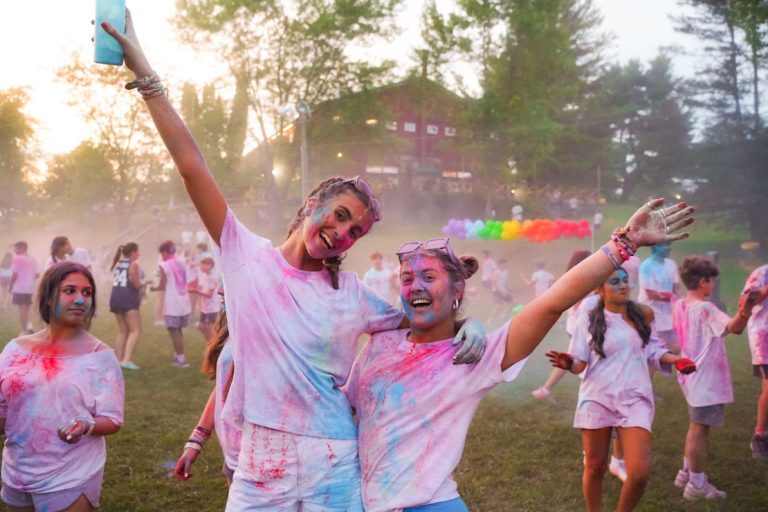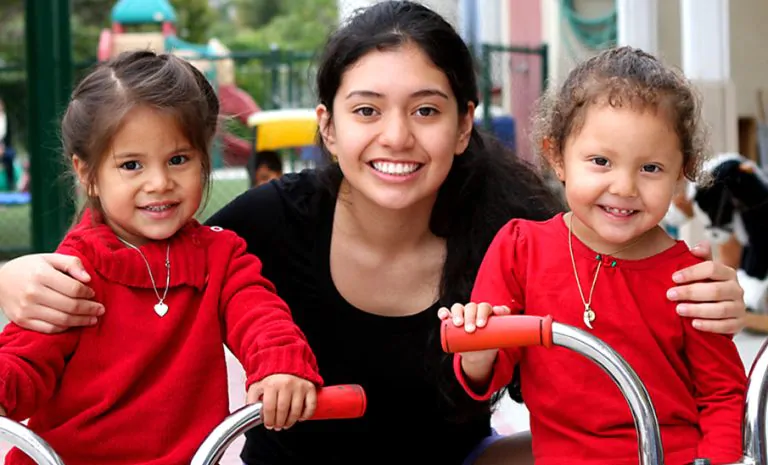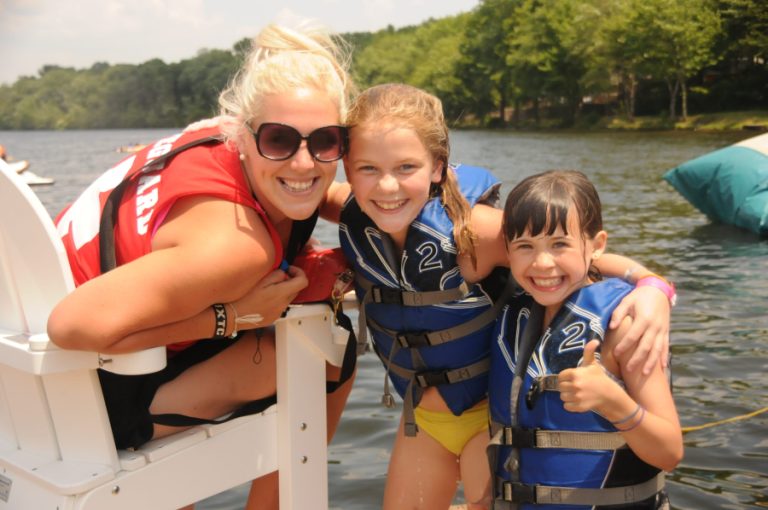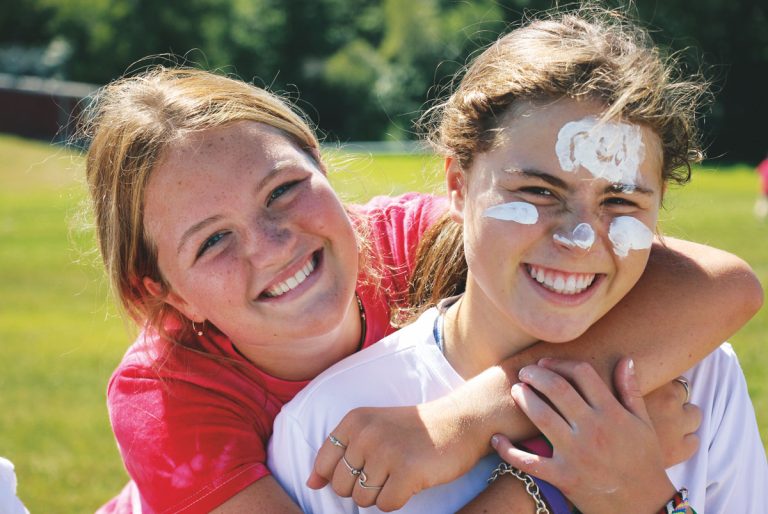

Being a great camp counselor means creating a safe, fun, and supportive environment where campers feel seen, encouraged, and included. These camp counselor tips will help you understand your responsibilities, handle common challenges, and make the most of working at summer camp.
Working as a camp counselor is one of the most memorable summer jobs you can have. It is active, meaningful, challenging, and full of moments that stay with you long after the season ends. One day, you might be leading a group activity. The next, you might be helping a homesick camper feel brave enough to join the cabin for breakfast.
Camp counselors are more than activity leaders. They are role models, mentors, problem-solvers, teammates, and trusted adults in a camper’s daily life. That can feel like a big responsibility, especially if you are a first-time camp counselor. However, with the right mindset and support, it can also become one of the most rewarding experiences of your life.
These camp counselor tips will help you understand your role, prepare for common challenges, and build the kind of summer camp experience campers remember for all the right reasons.
What Does a Camp Counselor Do?
A camp counselor helps create the day-to-day experience that makes summer camp feel safe, exciting, and welcoming. While every camp is different, most counselors are responsible for supervising campers, leading or supporting activities, helping with cabin routines, encouraging positive behavior, and building strong relationships with campers.
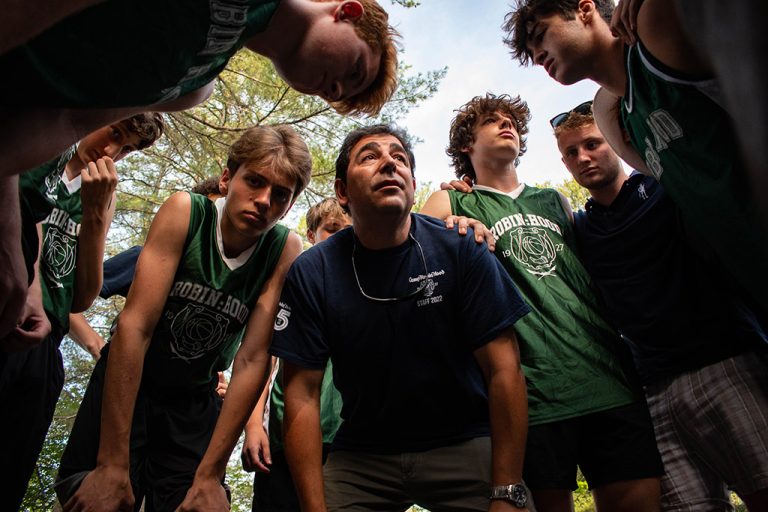
In many ways, counselors are the heart of camp. You are often the first person campers see in the morning and one of the last people they talk to before bed. You help set the tone for the cabin, the activity group, and the overall camp community.
Typical camp counselor responsibilities may include:
- Supervising campers during activities, meals, transitions, and free time
- Helping campers follow the daily schedule
- Supporting cabin routines, including wake-up, cleanup, rest time, and bedtime
- Encouraging campers to try new activities
- Helping resolve small conflicts between campers
- Watching for safety concerns or emotional struggles
- Communicating with co-counselors and leadership staff
- Modeling kindness, patience, responsibility, and enthusiasm
At its best, working as a camp counselor is about helping kids feel confident, included, and ready to grow. Campers may not remember every activity they tried, but they will remember how you made them feel.
A Typical Day as a Camp Counselor
A day at summer camp can be busy from start to finish. While schedules vary by camp, most days follow a rhythm of cabin routines, meals, activities, rest periods, evening programs, and bedtime.
Morning routines and cabin responsibilities
The day often begins early. Counselors may help campers wake up, get dressed, clean their bunk area, apply sunscreen, and prepare for breakfast. This part of the day sets the tone, so a calm and upbeat attitude can make a big difference.
Morning routines can also be a great time to check in with campers. Some kids wake up excited and ready to go. Others may feel tired, nervous, or homesick. A simple “How are you feeling today?” can help a camper feel noticed before the day gets busy.
Activities, meals, and transitions
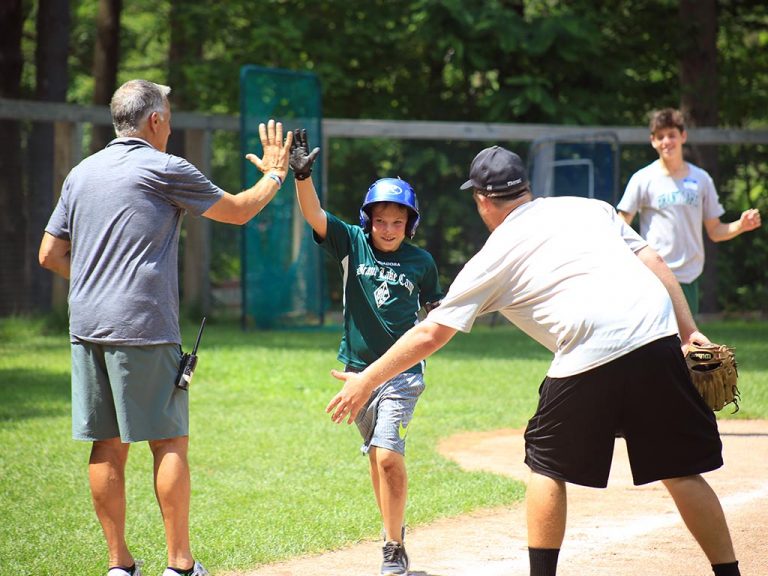
Throughout the day, counselors help campers move from one activity to another. You may lead games, assist activity specialists, cheer campers on, or help kids manage nerves when trying something new.
Meals are also an important part of the camp day. Counselors often sit with campers, encourage conversation, make sure everyone is eating enough, and help keep the group settled. Even simple moments at the table can become chances to build trust and community.
Transitions can be one of the trickier parts of camp life. Campers may need reminders to grab water bottles, change shoes, find a buddy, or get to the next activity on time. Staying organized helps the whole group feel more confident.
Evening programs and bedtime
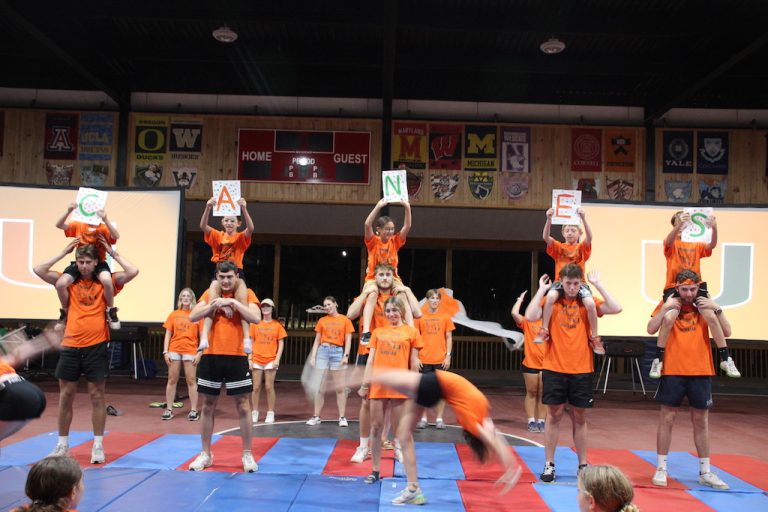
Evening activities are often some of the most memorable parts of camp. Campfires, talent shows, capture the flag, cabin competitions, and theme nights can bring everyone together.
After evening program, counselors help campers wind down. Bedtime can be emotional for some campers, especially younger campers or those away from home for the first time. A steady, reassuring presence can help them feel safe and settled.
How to Be a Good Camp Counselor
The best camp counselors are not perfect. They are present, reliable, kind, and willing to learn. You do not need to be the loudest person at camp or know every answer on day one. You do need to show up with energy, patience, and a genuine interest in helping campers have a great summer.
One of the most important camp counselor tips is to stay consistent. Campers feel safer when they know what to expect from you. That means following through, being fair, and keeping your expectations clear.
A good counselor also leads by example. If you want campers to be kind, inclusive, and respectful, they need to see those traits in you. If you want them to try new things, it helps when you show enthusiasm and courage too.
Strong counselors also know when to ask for help. You are part of a larger camp team. If a camper is struggling, a conflict feels too big, or you are unsure what to do, talk to a supervisor or leadership staff member. Asking for support shows maturity, not weakness.
Building Trust with Campers
Campers are more likely to listen, participate, and grow when they trust you. That trust is built through small, consistent moments.
Learn campers’ names quickly. Notice what they enjoy. Ask about their favorite activities. Celebrate their progress. Include quieter campers in group conversations. These actions may seem simple, but they can mean a lot to a child who is still finding their place at camp.
Trust also comes from being fair. Campers notice when rules change from one person to another. They also notice when one camper gets all the attention. Try to spread your energy across the group, while still giving extra support to campers who need it.
Most importantly, listen. Sometimes campers need advice, but often they just need to feel heard. When a camper shares a worry, frustration, or proud moment, give them your attention. You may be one of the most important adults in their summer.
Common Camp Counselor Challenges
Camp counseling is meaningful, but it is not always easy. Long days, group dynamics, homesickness, weather changes, and constant supervision can all be challenging. Being prepared for those moments can help you respond with more confidence.
Helping campers with homesickness
Homesickness is common at sleepaway camp, especially during the first few days. A homesick camper may seem quiet, tearful, clingy, irritable, or uninterested in activities.
The goal is not to dismiss their feelings. Instead, acknowledge them and help the camper stay connected to the camp day. You might say, “It makes sense to miss home. A lot of campers feel that way at first. Let’s go to the activity together and see how it feels.”
Avoid promising that a camper can go home or call home unless that follows your camp’s policy. Instead, follow your training and let leadership know if homesickness continues or becomes intense.
Managing conflict between campers
Conflict happens when kids live, play, and share space together. Campers may argue over bunk space, friendships, games, teasing, or feeling left out.
When conflict comes up, stay calm. Give campers a chance to explain what happened, but avoid turning the moment into a public drama. Help them name the problem, listen to each other, and find a way forward.
Some issues can be solved with a short conversation. Others need leadership support. If a pattern of exclusion, bullying, or emotional distress appears, bring it to a supervisor right away.
Staying patient when you are tired
Camp days can be long. You may be hot, tired, muddy, or running on less sleep than usual. Even so, campers still need you to be steady.
This does not mean pretending everything is easy. It means learning how to pause before reacting. Take a breath. Ask a co-counselor for support. Use your time off wisely. Drink water. Eat full meals. Small acts of self-care can help you stay patient when the day gets demanding.
Balancing fun with safety
Camp should feel joyful and adventurous, but safety always comes first. Counselors help create an environment where campers can try new things while still being supervised and supported.
That means following camp rules, counting campers during transitions, paying attention near water or activity areas, and reporting concerns quickly. It also means being emotionally aware. A camper who feels embarrassed, excluded, or overwhelmed may need support just as much as a camper with a scraped knee.
Camp Counselor Tips for First-Time Counselors
If this is your first time working at summer camp, it is normal to feel excited and nervous. You may wonder whether campers will listen to you, whether you will make friends with other staff, or whether you are ready for the responsibility.
The good news is that camp is built around teamwork. You will have training, co-counselors, leadership staff, and returning counselors around you. You are not expected to know everything immediately.
Here are a few first-time camp counselor tips to keep in mind:
- Ask questions early instead of guessing.
- Learn the daily schedule as quickly as you can.
- Build relationships with your co-counselors.
- Stay flexible when plans change.
- Be enthusiastic, even during simple routines.
- Take feedback seriously.
- Remember that confidence grows with practice.
The first few days may feel overwhelming. That is normal. Once you learn the rhythm of camp, your cabin, and your role, things will start to feel more natural.
Skills You Build as a Camp Counselor
Working as a camp counselor is fun, but it is also a powerful resume-building experience. Few summer jobs give you so many chances to lead, communicate, problem-solve, and support others in real time.
Camp counselors build skills such as:
- Leadership: You guide campers through routines, activities, and group experiences.
- Communication: You learn how to speak clearly with campers, staff, and supervisors.
- Teamwork: You work closely with co-counselors and leadership staff every day.
- Problem-solving: You adjust quickly when plans, weather, or group dynamics change.
- Conflict resolution: You help campers work through disagreements in healthy ways.
- Responsibility: You supervise children and help keep them safe.
- Adaptability: You learn to stay positive and flexible in a fast-paced environment.
- Confidence: You grow by doing hard things and seeing the impact you can have.
These skills matter far beyond camp. Whether you go into education, healthcare, business, social work, recreation, or another field, camp counseling gives you real examples of leadership and responsibility.
Self-Care for Camp Counselors
Because camp counseling is so focused on caring for campers, it can be easy to forget to care for yourself. However, you will be a better counselor when you are rested, hydrated, and supported.
Use your breaks intentionally. Sometimes that may mean calling home or catching up with friends. Other times, it may mean sitting quietly, taking a shower, or getting extra sleep. You do not have to spend every free moment being social.
Pay attention to your own stress level too. If you feel overwhelmed, talk to a trusted staff member or supervisor. Camp leaders want counselors to succeed, and they would usually rather know about a concern early than after burnout sets in.
Taking care of yourself is not separate from doing a good job. It is part of doing a good job.
How to Make the Most of Your Camp Counselor Experience
Your summer at camp will go by quickly. The more present you are, the more meaningful it will feel.
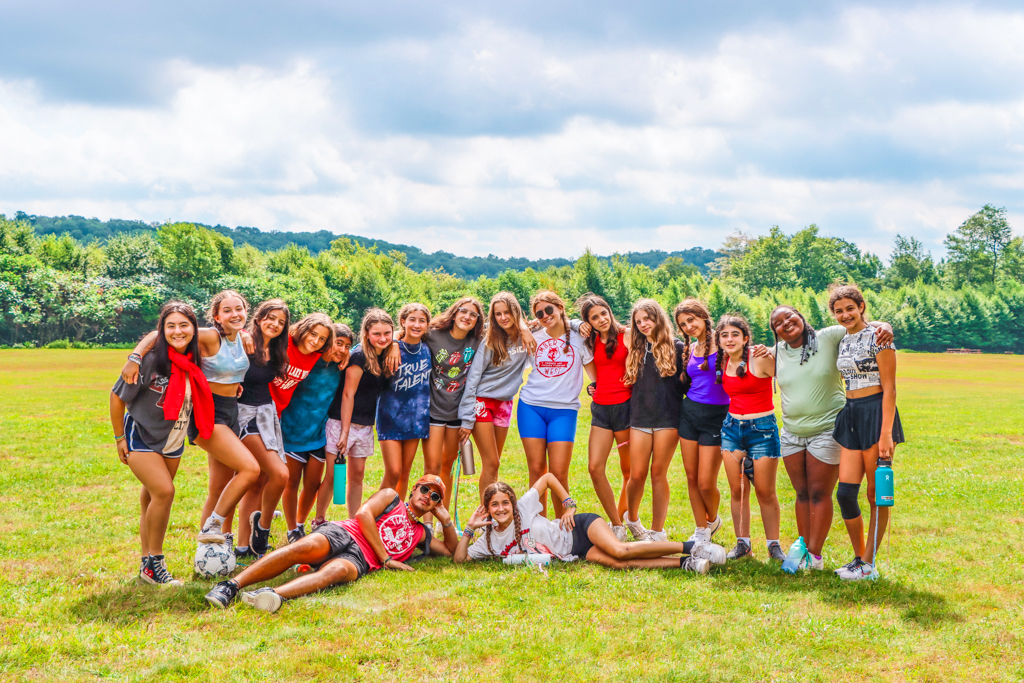
Say yes to the traditions. Cheer during camp songs. Dress up for theme days. Try the activity that makes you a little nervous. Get to know staff from other cabins. Write down funny camper quotes. Take time to notice the small moments.
Some of the best parts of camp are not the big events. They are the quiet wins. A camper finally jumps into the lake. A shy child sings with the cabin. Two campers who argued earlier become friends again. A parent later says their child came home more confident.
As a counselor, you get to be part of those moments. That is what makes the role so special.
Find a Camp Counselor Job That Fits You
Working as a camp counselor is challenging, rewarding, and full of opportunities to grow. You will build leadership skills, make new friends, support campers, and become part of a close-knit summer camp community.
If you are ready for a summer job with purpose, American Summer Camps can help you explore camp counselor opportunities across the United States. Whether you want to lead activities, live in a cabin, coach sports, teach creative skills, or simply spend your summer making a difference, there is a camp role that may be right for you.
Start your summer camp job search and find a camp where you can learn, lead, and make this summer unforgettable.
FAQs About Being a Camp Counselor
A camp counselor supervises campers, supports daily routines, helps lead activities, encourages positive behavior, and creates a safe, welcoming environment. Counselors also work closely with other staff to support camper well-being throughout the summer.
A good camp counselor is patient, responsible, kind, flexible, and enthusiastic. The best counselors are also strong listeners who make campers feel included and supported.
Being a camp counselor can be hard because the days are long and the role carries real responsibility. However, it is also rewarding, active, and full of meaningful moments with campers and staff.
Camp counselors help homesick campers by listening, validating their feelings, keeping them involved in activities, and following the camp’s homesickness policies. If homesickness becomes intense or ongoing, counselors should ask leadership staff for support.
Camp counselors build leadership, communication, teamwork, problem-solving, conflict resolution, adaptability, and childcare skills. These skills can be valuable for future jobs, internships, and college applications.
Yes. Camp counseling shows that you can lead, communicate, handle responsibility, and work with children in a structured environment. It also gives you specific examples to discuss in future interviews.
First-time camp counselors should know that it is normal to feel nervous at first. Ask questions, stay flexible, build relationships with your co-counselors, and remember that you are part of a larger support team.
Summer Camp Job Guide Table of Contents:
- Introduction
- Why Work at a Summer Camp?
- How to Use This Guide
- Types of Summer Camp Jobs
- Camp Counselor
- Activity Specialist
- Support Staff
- Eligibility Criteria
- Age Requirements
- Skills and Qualifications
- Background Checks
- Preparing Your Application
- Resume Building
- Crafting a Cover Letter
- Selecting the Right Camp
- The Visa Process
- J1 Visa for International Students
- Eligibility
- Required Documents
- Application Steps
- Work Authorization for Domestic Students
- J1 Visa for International Students
- Finding Opportunities
- Using AmericanSummerCamps.com
- Alternative Job Search Methods
- Application Tips
- Tailoring Your Application
- The Interview Process
- Reference Letters
- Preparing for Camp Life
- Packing Essentials
- Health and Safety Considerations
- Cultural Sensitivity
- Arriving in the USA
- Travel Arrangements
- Camp Orientation
- Setting Up Bank Accounts
- Working at Camp
- Daily Routine
- Building Relationships
- Handling Challenges
- Making the Most of Your Experience
- Personal Growth
- Resume Enhancement
- Networking Opportunities
- Conclusion
- The Impact of Summer Camp
- Your Next Adventure