

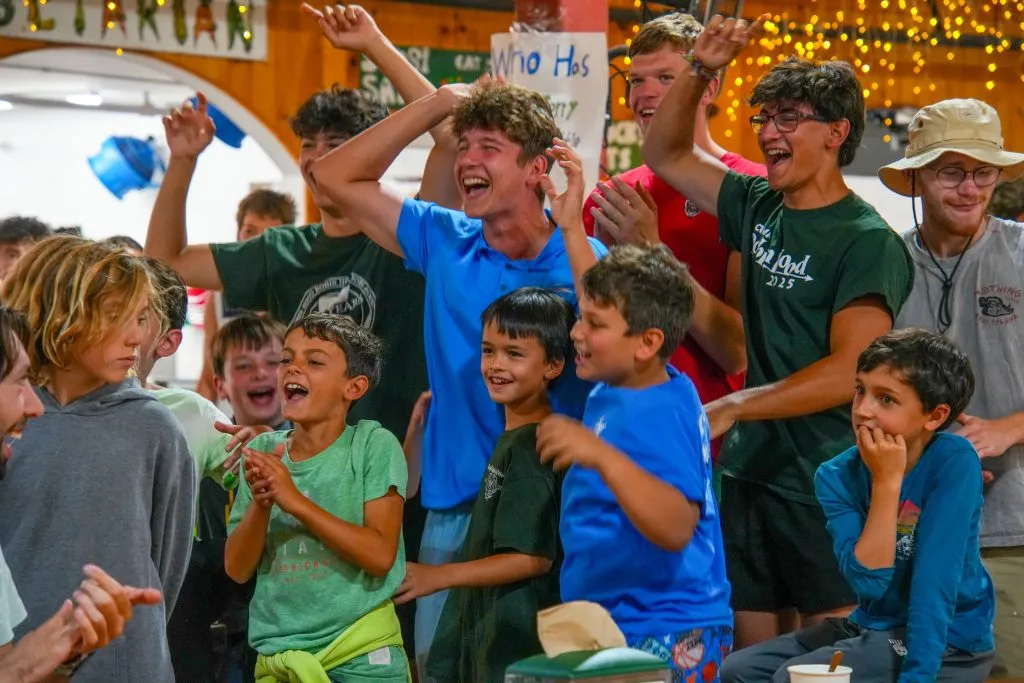
If you’re a guy in college looking for a summer job that isn’t a desk internship or another shift at the same restaurant you worked in high school, camp is worth a real look. Camps across the country hire for coaching and sports, waterfront and lifeguarding, outdoor adventure, and arts and media roles, and they’re short on strong male applicants in every one of those areas. This guide walks through what each role actually involves and links out to a full breakdown for each.
Why camps are actively looking for you
Camps run on ratios: one staff member for every handful of kids, all day, every day. That takes a lot of people, and certain roles are chronically short on applicants. Waterfront and lifeguard positions skew female nationally. Arts and media roles skew female too. Coaching and outdoor adventure get more male applicants, but demand still runs ahead of supply every single season. If you’ve got a background in any of these areas, camps want to hear from you, and you’ll likely hear back faster than you expect.
The Four Role Clusters
Coaching and athletics
If you played a sport in high school or college, or you’re studying kinesiology, PE, or sports management, camps want you running drills, coaching age groups, or leading a specific sport program. Most roles don’t require a coaching certification, just real playing experience and the ability to run a practice for a group of kids.
Waterfront and lifeguarding
This is the fastest route to a job offer if you’re already certified, or willing to get certified before summer. Camps need lifeguards, swim instructors, and waterfront staff every season, and a current lifeguard or WSI certification puts your application near the top of the pile.
Outdoor adventure
Ropes courses, backpacking trips, climbing, mountain biking. If you’ve spent time outside, whether through Scouts, a college outdoor program, or just your own hiking and climbing, this is one of the fastest-growing areas at camp and one of the more balanced in terms of who applies.
Arts and media
Not every camp job is about being outside. Theater tech, photography and video, music, and hands-on making roles are real, paid positions at most camps, and camps specifically want more guys applying here. If you’re a film, media, theater, or music student, this may be the role you didn’t know existed. Full
Is a camp job actually a good summer for guys?
Yes, for the right person. You’re not sitting behind a desk. You’re coaching, teaching, or leading something you already care about, living alongside a team of other counselors, and building the kind of hands-on leadership experience that’s hard to get anywhere else at 19 or 20. Camp puts you in charge of a group of kids’ entire day: their schedule, their safety, their morale. Employers in coaching, education, outdoor recreation, and youth-facing fields recognize that experience immediately.
It’s also just a different kind of summer. You’re outside, active, and part of a staff community that eats, works, and lives together for weeks at a time. Change lives, including your own, and you’ll leave with stories your friends behind a desk won’t have.
Who this is and isn’t for
Camp work is a fit if you want to be outside and active, you like working with kids, and you’re comfortable with a full, structured schedule rather than a lot of downtime. It’s less of a fit if you need your evenings and weekends free, or you’re looking for a role where you can mostly keep to yourself. Camps run on community, and the staff who thrive are the ones who lean into that.
When camps are actually hiring
College recruiting is heaviest from December through January, when camps visit campuses and post roles ahead of their busiest hiring window. The main domestic hiring push runs February through March, with camps still filling specialty roles like coaching, lifeguarding, and outdoor adventure into April. If you’re reading this in the fall, you have time to research roles and line up any certifications you’ll need. If it’s already spring, don’t wait: specialty roles with real qualifications behind them (a certification, playing experience, a portfolio) tend to fill first.
Frequently Asked Questions
No. Camps hire plenty of first-year staff with no prior camp experience, especially in coaching and specialty roles where your outside skill (a sport, a certification, a creative background) is what matters. See Qualifications and Requirements for Landing a Summer Camp Job for the full breakdown of what camps actually screen for.
Yes, especially compared to a generic summer retail or food-service job. You’re managing a group, running a schedule, handling real responsibility, and often teaching a specific skill, all things that show up well on a resume for coaching, education, outdoor recreation, or any people-facing career.
An internship usually has you observing or doing narrow tasks under supervision. A camp job puts you in charge of real outcomes (a group of kids, a program, a skill they’re learning) from day one. If you’re weighing the two, camp work tends to build more concrete leadership experience faster, even though it looks different on paper than a corporate internship line.
A general counselor lives in a cabin, supervises campers day-to-day, and helps run the daily schedule. A specialty role (coach, lifeguard, outdoor instructor, arts counselor) also teaches or leads a specific activity area, on top of general counselor duties at most camps.
Start with ASC’s job search to see current openings by camp, then apply directly. See Step-by-Step Guide to Applying for a Summer Camp Counselor Job for what the application and interview process looks like.
Not really. Instead of browsing listings cold, tell ASC what you’re looking for (role, region, session length) and the team matches you with camps that actually fit, rather than leaving you to sort through every listing on your own.
Adventure awaits, and it starts with picking the role that actually fits what you’re already good at. Start with the breakdown above that matches your background, then go apply!
