
Summer camp is an exciting time for children to explore new activities, make new friends, and create lifelong memories. However, it’s not just campers who can benefit from this experience – working as a summer camp photographer can be a great way to boost your resume and gain valuable skills that can be applied to a variety of careers. In this article, we’ll explore how working as a summer camp photographer can help you stand out from the crowd and advance your career goals.
Develops photography skills
As a summer camp photographer, you’ll have the opportunity to hone your photography skills in a dynamic and fast-paced environment. You’ll learn how to take action shots, capture candid moments, and edit photos to create stunning visuals that tell a story. These skills are not only useful in the world of photography, but they can also be applied to a variety of other industries, including advertising, marketing, and social media.
Builds a strong portfolio
Working as a summer camp photographer can help you build a strong portfolio that showcases your skills and experience. You’ll have the opportunity to capture a wide range of photos, from candid shots of campers participating in activities to staged portraits of campers and staff members. These photos can be used to demonstrate your ability to capture moments, tell a story, and create compelling visuals that grab the viewer’s attention.
Enhances communication skills
As a summer camp photographer, you’ll be interacting with campers, staff members, and parents on a daily basis. This requires strong communication skills, including the ability to give directions, explain your vision, and collaborate with others to achieve a common goal. These skills are essential in any profession, and working as a summer camp photographer provides a unique opportunity to develop them in a fun and supportive environment.
Demonstrates adaptability and flexibility
Working as a summer camp photographer requires a high degree of adaptability and flexibility. You’ll be working in a fast-paced environment where things can change quickly, and you’ll need to be able to adjust your plans and approach to accommodate unexpected situations. This demonstrates to potential employers that you can work well under pressure and can adapt to changing circumstances – skills that are highly valued in any profession.
Provides networking opportunities
Working as a summer camp photographer provides a unique opportunity to network with other professionals in your field. You’ll have the chance to connect with other photographers, marketing professionals, and creative directors who may be able to offer advice, mentorship, or even job opportunities down the line. By building relationships with other professionals in your field, you can increase your chances of success and open up new career opportunities.
In conclusion, working as a summer camp photographer can be an excellent way to boost your resume and advance your career goals. By developing photography skills, building a strong portfolio, enhancing communication skills, demonstrating adaptability and flexibility, and providing networking opportunities, you’ll be well-positioned to stand out from the crowd and achieve your professional goals. So why not consider working as a summer camp photographer this summer? It could be the first step towards a successful and rewarding career.
Summer camp is one of the most magical places on earth. It’s a place where kids and teens can escape the distractions of technology, spend time in nature, and make lasting memories with new friends. But for those of us who work at summer camp, the experience is just as special.
For starters, working at summer camp allows you to spend an entire summer surrounded by nature. Instead of sitting in an office all day, you get to be outside, breathing in fresh air and soaking up the sunshine. Whether you’re canoeing on the lake, hiking through the woods, or playing capture the flag, you’ll be surrounded by natural beauty that will leave you feeling refreshed and rejuvenated.
But the true beauty of working at summer camp is the people you’ll meet. As a counselor or staff member, you’ll be responsible for creating a safe and welcoming environment for campers of all ages. You’ll help them build self-confidence, learn new skills, and make friends that will last a lifetime. You’ll also make friendships with your fellow counselors and staff members, many of which will last long after the summer is over.
Working at summer camp is also incredibly rewarding. You’ll be responsible for helping kids and teens have the best summer of their lives. Seeing the kids you work with smile, laugh, and grow is an indescribable feeling that’s unlike anything else. And when campers come back year after year, it’s a testament to the impact you’ve made on their lives.
But perhaps the best part of working at summer camp is the sense of community it fosters. Summer camp is a place where everyone belongs. It doesn’t matter who you are or where you come from. Everyone is welcome and everyone is accepted. This sense of belonging is something that stays with you long after the summer is over and something that you can take with you for the rest of your life.
In short, working at summer camp is an experience that will change your life for the better. Whether you’re a returning staff member or new to the world of summer camp, you’ll be surrounded by nature, make unforgettable friendships and memories, and have the opportunity to make a positive impact on the lives of young people. And for that, we say it is the best experience of your life.
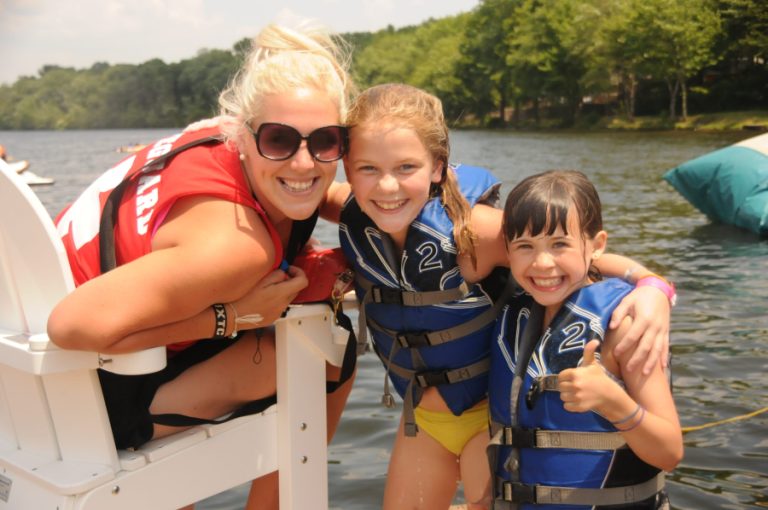
Summer camps are a staple of childhood for many kids, providing a fun and enriching environment for them to make new friends, learn new skills, and enjoy the great outdoors. One of the most popular activities at summer camps is water sports, which often includes activities such as waterskiing, wakeboarding, and tubing. As such, camps are always on the lookout for skilled and experienced waterski instructors and boat drivers to ensure the safety and enjoyment of campers while they are on the water.
Waterski instructors and boat drivers at summer camps are responsible for teaching campers the basics of waterskiing and wakeboarding, as well as providing more advanced instruction for those who are already skilled in these activities. They also play a key role in ensuring the safety of campers while they are on the water, including enforcing safety guidelines and monitoring for any signs of distress.
In addition to their instructional and safety responsibilities, waterski instructors and boat drivers at summer camps also play a key role in the overall enjoyment of campers. They should be able to create a fun and engaging atmosphere, as well as provide encouragement and support to campers as they learn and improve their skills.
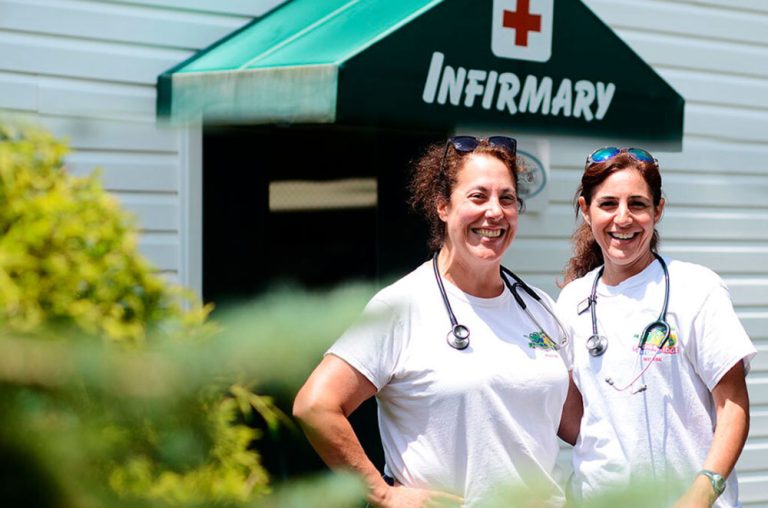
Summer camps have been a staple of childhood for many kids, providing a fun and enriching environment for them to make new friends, learn new skills, and enjoy the great outdoors. But in recent years, the role of nurses at summer camps has become increasingly important as the COVID-19 pandemic has forced camps to adapt and implement new health and safety measures.
With the advent of COVID-19, summer camps have had to make significant changes to their operations in order to keep campers and staff safe. This includes implementing social distancing measures, requiring masks, increasing hand hygiene, and conducting daily health screenings. All of these measures require a high level of organization and attention to detail, which is where nurses come in.
Nurses at summer camps are responsible for monitoring the health and wellbeing of campers and staff, as well as managing and administering any necessary medical treatments. They also play a key role in implementing and enforcing health and safety protocols, such as conducting daily health screenings and monitoring for symptoms of COVID-19.
In addition to their traditional responsibilities, nurses at summer camps are now also responsible for helping campers and staff understand and adhere to new health and safety guidelines, such as wearing masks and practicing social distancing. This requires strong communication and education skills, as well as a compassionate and understanding approach.
Overall, the role of nurses at summer camps has become even more important in the wake of the COVID-19 pandemic. From monitoring the health and wellbeing of campers and staff to enforcing health and safety protocols, nurses are essential to the smooth and safe operation of summer camps. As such, camps are in desperate need of skilled and experienced nurses, nursing students, and certified/licensed practitioners to ensure the health and safety of all campers and staff.
Working at a summer camp is a great way to get a taste of American culture. Get a job at a camp as an activity leader, counselor, or support staff member before embarking on your cross-country adventure!
What is Summer Camp in the USA?
Children between the ages of six and sixteen can learn new skills in a fun, safe environment away from the confines of a school setting at an American summer camp. Adventure sports and a variety of arts are included in the activities, which are held during the summer.
CNN reports that 26 million kids are anticipated to attend summer camps across the USA this year. Additionally, it discovered that 14,000 day camps and residential camps had been established overall, many of which had a strong emphasis on athletic, cultural, or educational advancement. Nearly half provided specialized programs for people with disabilities.
What types of Summer Camps are there?
While there are many different kinds, the following camps frequently accept international students for the summer:
Day camps
Private sleep-away camps
Religious camps
Not-for-profit camps
Girl scout and boy scout camps
Special needs camps
Sports camps
Specialty camps, such as dance, horseback riding and cooking
What types of summer camp jobs are available?
The support staff, which includes cooks, maintenance workers, and nurses, is necessary to ensure the safe and smooth operation of a camp. Roles for teachers, college students and international students on their gap year typically fall into three categories:
Activity instructor / activity specialist – You’ll get to coach the kids and plan group activities if you are skilled and experienced in a particular sport or hobby, like swimming, tennis, or rock climbing.
Camp counselor / cabin or bunk counselor – Your responsibility will be to make sure that campers enjoy their time at camp by being available, fun and supportive from dawn until dusk.
Support staff – behind the scenes, support staff are those that help make the time enjoyable and seamless for the kids and year-round staff. Cooks, nurses, maintenance staff and security staff are typical support staff roles.
Why should you work at a summer camp?
Accepting such an immersive experience, where you’ll get to live and work at the camp and be given charge of groups of kidsm, typically ranging in age from six to sixteen, has many advantages. This would be perfect if you wanted to become a teacher!
Whatever your motivations are, working abroad at summer camp will help you meet people from all over the world, grow more independent, and pick up new skills that you can use to boost your CV while maximizing your summer vacation.
There are advantages and disadvantages to working as a camp nurse. What are these advantages and disadvantages? On the one hand, you get to watch children having the fun of their life, but there are also lots of potential pitfalls. Without having to set up a tent yourself, working as a camp nurse will allow you to enjoy all the benefits of camping. Here are some things to take into account regarding working as a camp nurse before you pack your first aid bag and set out into the wilderness. To help you determine if this is a profession you may see yourself entering, here are the top 10 advantages and disadvantages of becoming a camp nurse.
What Does a Summer Camp Nurse Do?
You are in charge of the campers’ overall health and safety as the camp nurse. This entails doing anything from looking for infections to treating wounds and making sure a first-aid kit is available and that you know how to use it. The administration of medication to any campers who might need it is another one of a camp nurse’s responsibilities. Additionally, they assist in maintaining a record of each camper’s and staff member’s medical history so that the camp staff can respond appropriately in the event of illness or injury.
In addition to all of the above, camp nurses frequently provide courses on health and wellbeing for both campers and staff. This might involve educating them on healthy eating, physical activity, and stress management. You might offer talks as a camp nurse about certain health issues like avoiding injuries or abusing drugs and alcohol.
Where Does a Camp Nurse Work?
Camp nurses operate in a number of places, but summer camps and school break camps are where you’ll most often find them. Church camps, dancing camps, and sports camps are a few more camps where camp nurses may be employed. A camp nurse will be working with children attending their first sleep-away camp who are far from home.
A camp nurse may work at camps for children with special needs and camps for certain age groups. Camps for people with certain conditions, such as diabetes or HIV, will also have a camp nurse on staff.
The environment of the camps where camp nurses operate might vary greatly. Some may live in urban areas, while others may reside in rural areas. These campgrounds may be found in the highlands or on the seashore. In any terrain, you can pretty much locate camps and camp nurses. No matter where the camp is located, a camp nurse will be on duty.
What Are The Typical Shift Hours of a Summer Camp Nurse?
Your regular work schedule as a camp nurse depends vary on the sort of camp you work at. The typical workday for a camp nurse is 8 to 10 hours, while some camps require nurses to work 12-hour shifts. The time of year will also affect your schedule, with the summer being the busiest season for camp nurses. You may anticipate working weekends and occasionally even on holidays during the summer. If they work many sessions, camp nurses often take a one-week rest in between camps.
What Are The Required Skills To Work As A Camp Nurse?
For the health and safety of campers and employees, camp nurses are crucial. In addition to treating sick or hurt children, camp nurses try to keep everyone healthy and safe. You require critical thinking talents, evaluation skills, decision-making abilities, problem-solving abilities, and leadership qualities to work as a camp nurse. Additionally, you should feel at ease dealing with kids and be capable of handling emergencies.
You’ll need to be able to speak well with both kids and adults if you want to work as a camp nurse. Additionally, you must feel at ease working in a group setting. When necessary, camp nurses must also be able to work autonomously. Last but not least, it’s critical to be well-versed in CPR and first aid.
Businesses should hire former camp counselors because they bring real-world communication, leadership, teamwork, adaptability, and problem-solving skills from a high-responsibility summer camp environment into the workplace.
Former camp counselors bring more to the workplace than many employers realize. A summer at camp requires communication, leadership, patience, creativity, teamwork, and the ability to solve problems in real time. When a candidate has been trusted with the safety, growth, and daily care of children, that experience deserves serious attention on a resume.
Camp counseling is not just a seasonal job. It is a hands-on leadership role that asks young adults to show up every day with energy, responsibility, emotional awareness, and a strong work ethic. Counselors lead activities, support campers, communicate with peers, follow safety procedures, and adapt quickly when plans change.
That combination of skills can be hard to teach in a traditional workplace. It is one of the many reasons businesses should hire former camp counselors.
Camp Counselor Experience Is Real Workplace Experience
At first glance, camp counseling may look like a fun summer job filled with games, lake days, campfires, and outdoor activities. And while camp is certainly full of fun, the counselor role comes with real responsibility.
Former camp counselors often spend their summers managing schedules, leading groups, resolving conflict, comforting homesick campers, and keeping children safe. They work with supervisors, parents, fellow staff members, and campers of different ages and personalities. They also learn how to stay calm, flexible, and positive in a fast-moving environment.
Those are not just “camp skills.” They are workplace skills.
Whether someone is entering education, healthcare, customer service, sales, hospitality, management, operations, marketing, or nonprofit work, camp counselor experience can translate beautifully into a professional setting.
What Skills Do Former Camp Counselors Bring to the Workplace?
Former camp counselors often bring a rare mix of communication, leadership, adaptability, emotional intelligence, organization, and follow-through. These qualities are valuable in almost every industry, especially in roles that require teamwork, customer service, problem-solving, or people management.
A strong former camp counselor may already know how to:
Communicate clearly with different audiences
Lead a group with confidence and patience
Stay calm during unexpected challenges
Work as part of a team
Take feedback and improve quickly
Manage time and routines
Support others through stressful moments
Think creatively when resources are limited
Build trust with people from different backgrounds
Stay positive during long, active days
For employers, that kind of experience matters. It shows that a candidate has already practiced many of the soft skills companies value most.
10 Reasons to Hire Former Camp Counselors
1. They Know How to Communicate Clearly
Communication is one of the most important skills a camp counselor develops. Counselors need to explain rules, give instructions, check in with campers, talk with supervisors, and sometimes communicate with parents.
They also learn that different people need different communication styles. A nervous first-time camper may need warmth and reassurance. A large group may need clear, confident direction. A supervisor may need a quick, accurate update.
That kind of communication experience is incredibly useful in the workplace. Former camp counselors often know how to listen well, speak with purpose, and adjust their tone based on the situation.
2. They Are Comfortable Taking Responsibility
Camp counselors are trusted with a great deal of responsibility. They help care for children, follow safety procedures, manage routines, and make sure campers feel included and supported.
This role requires maturity. Counselors cannot simply “check out” when the day gets busy. They need to stay aware, dependable, and ready to help.
For businesses, that sense of responsibility can be a major asset. Former camp counselors understand what it means to be accountable to a team, a supervisor, and the people depending on them.
3. They Can Solve Problems Under Pressure
At camp, plans change all the time. A thunderstorm may cancel an outdoor activity. A camper may feel homesick before dinner. A group may need a last-minute schedule adjustment. An activity may not go as planned.
Counselors learn how to think on their feet. They make quick decisions, ask for help when needed, and keep the group moving forward.
That problem-solving ability is valuable in any workplace. Businesses need employees who can stay calm, look for solutions, and adapt when things do not go exactly as expected.
4. They Bring Real Leadership Experience
Many entry-level candidates say they have leadership skills. Former camp counselors can usually show it.
They have led cabin groups, activity periods, team games, evening programs, and daily routines. They have modeled positive behavior, set expectations, encouraged participation, and helped campers grow in confidence.
Leadership at camp is not about having a title. It is about earning trust. Counselors learn how to guide others with patience, consistency, and care.
That kind of leadership experience can prepare former counselors for future roles in management, education, customer service, training, sales, and team-based work.
5. They Work Well on a Team
Camp runs on teamwork. Counselors work closely with co-counselors, activity specialists, leadership staff, nurses, kitchen teams, maintenance crews, and administrators. Everyone has a role to play.
Because of that, former camp counselors often understand how to collaborate. They know how to share responsibilities, support coworkers, communicate concerns, and contribute to a larger goal.
In a business setting, this matters. Strong teams need people who are willing to help, listen, pitch in, and keep the bigger picture in mind.
6. They Are Resilient and Adaptable
Camp days can be long, active, and unpredictable. Counselors may be outside in the heat, helping campers through emotional moments, leading back-to-back activities, or adjusting to sudden changes in the schedule.
That environment builds resilience. Former camp counselors often learn how to stay steady, even when they are tired or the day gets challenging.
They also learn how to adapt. If one approach does not work, they try another. If a camper needs extra support, they adjust. And if plans change, they keep going.
Employers benefit from team members who can handle pressure without losing their professionalism.
7. They Are Creative Thinkers
Creativity is part of everyday life at camp. Counselors may need to turn a rainy afternoon into a memorable indoor activity. They may need to make a simple game exciting, help shy campers feel included, or find a new way to explain instructions.
This creativity is practical, not just artistic. Former camp counselors learn how to work with limited time, limited materials, and different personalities.
In the workplace, that kind of creative thinking can help with customer service, marketing, training, operations, team building, and problem-solving.
8. They Pay Attention to Details
When working with children, small details matter. A counselor needs to know who has sunscreen, who is feeling left out, who needs extra encouragement, and who may be struggling quietly.
They also need to follow schedules, safety rules, activity plans, and communication procedures.
This attention to detail can carry over into professional life. Former camp counselors often understand that the small things can affect the bigger outcome.
Whether they are managing a project, helping a customer, preparing a presentation, or supporting a team, they know that details matter.
9. They Have a Strong Work Ethic
Camp counseling is rewarding, but it is not always easy. Counselors often work long, active days in a role that requires energy, patience, responsibility, and consistency.
They need to show up ready to lead, even when they are tired. They need to stay positive for campers, support their team, and follow through on their responsibilities.
That work ethic is valuable in any business. Former camp counselors often understand the importance of dependability, effort, and a positive attitude.
10. They Are Lifelong Learners
The best camp counselors are constantly learning. They learn from supervisors, co-counselors, campers, training sessions, and daily experience. They also learn through feedback.
A counselor might learn how to lead a better activity, communicate more clearly, manage a group more effectively, or support a camper with more patience.
That willingness to grow is a powerful workplace trait. Businesses need employees who are coachable, reflective, and open to improvement.
Former camp counselors are often used to learning in real time, adjusting quickly, and trying again.
How Camp Counselor Skills Match What Employers Want
Many of the skills employers look for in early-career candidates are built every day at camp. Counselors communicate with parents and supervisors, lead groups, respond to unexpected problems, collaborate with peers, and model professionalism for campers who are watching everything they do.
These experiences help build career-ready employees. Former camp counselors often bring strong people skills, but they also bring practical judgment. They have worked in an environment where attitude, preparation, and responsibility matter every day.
That is especially important for businesses hiring recent graduates or early-career professionals. A former camp counselor may already have experience managing real responsibilities, solving interpersonal challenges, and staying composed during busy days.
What Employers Should Look for on a Former Camp Counselor’s Resume
Employers may not always understand the depth of camp counselor experience at first glance. That is why it helps to look closely at how the role is described.
A former camp counselor’s resume may show experience like:
Led a cabin group through daily routines, activities, and conflict resolution
Communicated with supervisors, parents, and peers to support camper safety and well-being
Adapted daily plans due to weather, camper needs, and schedule changes
Managed group behavior in a positive and age-appropriate way
Created engaging activities that encouraged participation and teamwork
Supported campers through homesickness, friendship challenges, and personal growth
Collaborated with staff members to deliver a safe and meaningful camp experience
These are valuable professional experiences. They show leadership, communication, organization, emotional intelligence, and problem-solving.
If a candidate can explain what they learned at camp and how those lessons apply to the workplace, employers should pay attention.
Former Camp Counselors Can Thrive in Many Industries
Camp counselor experience is especially valuable in people-focused fields. However, the skills gained at camp can apply almost anywhere.
Former camp counselors can thrive in roles related to:
Education and teaching
Healthcare support
Customer service
Hospitality and tourism
Sales and account management
Human resources
Marketing and communications
Operations and logistics
Nonprofit work
Youth development
Training and leadership programs
The common thread is people. Former camp counselors know how to connect with others, build trust, communicate clearly, and stay flexible in active environments.
Those qualities are useful in nearly every workplace.
Why Camp Experience Builds Confidence
One of the most powerful parts of working at camp is the confidence it builds. Counselors learn that they can handle more than they expected. They learn how to lead, make decisions, and support others.
They also see the impact of their work. A counselor may help a camper try something new, make a friend, overcome homesickness, or feel proud of themselves.
That kind of experience can be deeply motivating. Former camp counselors often carry that confidence into their next job, internship, interview, or leadership opportunity.
They know they can step into a challenge and figure it out.
Why Businesses Should Not Overlook Camp Counselor Experience
Some employers may see camp counseling as a fun summer job and move on. That can be a missed opportunity.
Camp counselor experience often reveals qualities that are difficult to measure on a resume. It can show patience, maturity, accountability, creativity, leadership, and the ability to work well with others.
It can also show that a candidate is willing to work hard in a role that requires emotional energy, physical stamina, and a genuine commitment to others.
Those traits matter. In many workplaces, they are the difference between an employee who simply completes tasks and an employee who strengthens the whole team.
Final Thoughts: Hire Former Camp Counselors
If you are an employer, do not underestimate the value of camp experience. Former camp counselors have often spent their summers leading groups, solving problems, communicating clearly, and caring for others in a high-responsibility environment.
They know how to work hard. They know how to adapt. And they know how to support a team. Most importantly, they know how to lead with patience, energy, and purpose.
That is why businesses should hire former camp counselors. Their experience may come from cabins, trails, fields, lakes, and campfires, but the skills they bring are ready for the workplace.
Looking to Build These Skills Yourself?
Working at camp is one of the best ways to grow as a leader, gain hands-on experience, and make a meaningful impact. A summer camp job can help you build communication, teamwork, problem-solving, and leadership skills that last well beyond the summer.
Explore summer camp jobs with American Summer Camps and find a role where your next adventure can also help shape your future career.
Yes. Former camp counselors often bring communication, leadership, patience, problem-solving, teamwork, and adaptability to the workplace. Their experience shows they can handle responsibility and work well with others.
What skills do camp counselors develop?
Camp counselors develop transferable skills such as leadership, conflict resolution, public speaking, time management, creativity, resilience, and emotional intelligence. They also learn how to stay calm and flexible in a busy environment.
Should I hire former camp counselors for my business?
Employers should value camp counselor experience because it shows that a candidate can lead, communicate, solve problems, and take responsibility. These are useful skills in almost every professional setting.
Is camp counselor experience good for a resume?
Yes. Camp counselor experience can strengthen a resume because it shows real-world leadership, communication, teamwork, and accountability. It is especially useful for students, recent graduates, and early-career professionals.
What jobs are former camp counselors good at?
Former camp counselors can succeed in education, customer service, healthcare support, sales, hospitality, management, operations, nonprofits, and other people-focused roles. Their skills are especially valuable in jobs that require communication and adaptability.
How can former camp counselors describe their experience in an interview?
A former camp counselor should describe specific examples of leadership, problem-solving, teamwork, and communication. They can talk about leading groups, supporting campers, handling schedule changes, or resolving conflicts.
Why do camp counselors make strong leaders?
Camp counselors make strong leaders because they learn how to guide others with patience, confidence, and care. They also gain experience making decisions, managing groups, and setting a positive example.