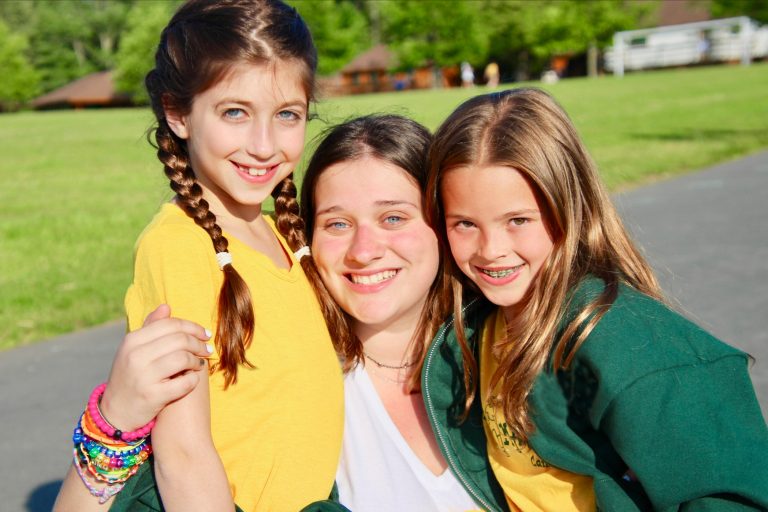
Working at a summer camp is one of the most memorable and rewarding ways to spend your summer. You get to live outdoors, meet people from all over the world, build real leadership skills, and make a meaningful difference in campers’ lives.
But while camp is full of fun, friendship, and adventure, getting hired still takes preparation. Camps are looking for staff members who are responsible, positive, flexible, and genuinely excited to work with children.
Whether you are applying for your first camp job or hoping to return for another summer, these tips can help you stand out and improve your chances of getting hired at a summer camp.
1. Choose the Right Type of Camp
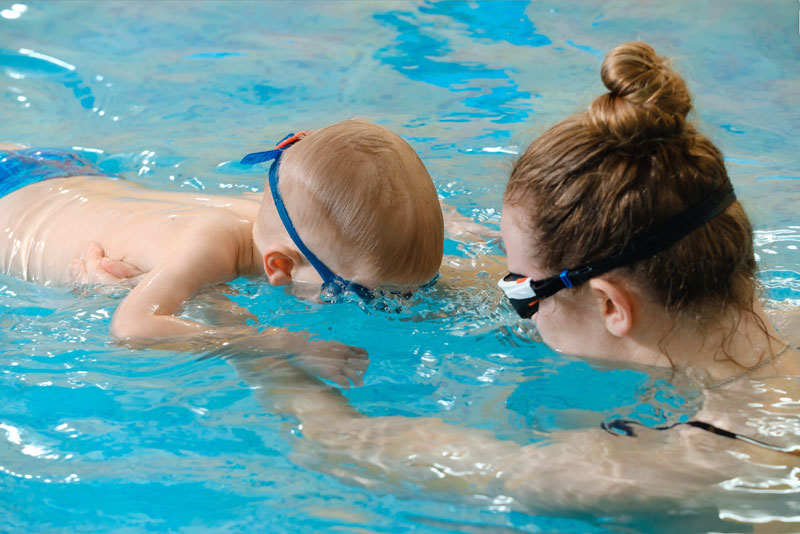
Before you start applying, take time to think about the kind of camp experience that would suit you best.
Some camps are traditional sleepaway camps with a wide mix of activities. Others focus on sports, outdoor adventure, arts, performing arts, horseback riding, waterfront programs, special needs support, or faith-based communities. Each camp has its own personality, schedule, values, and staff culture.
When you apply to camps that match your interests and strengths, your application will feel more natural and convincing. You will also be able to explain why that specific camp feels like the right fit for you.
Ask yourself:
- Do I want to work at an overnight camp or a day camp?
- What activities or skills could I teach?
- Do I prefer sports, arts, outdoor adventure, waterfront, or general counselor roles?
- What age group would I enjoy working with?
- What kind of camp community would bring out my best?
The more clearly you understand what you are looking for, the easier it will be to find a camp where you can thrive.
2. Apply Early
Many summer camps begin hiring months before the summer starts. Some roles, especially specialist positions, waterfront jobs, leadership roles, and popular counselor positions, can fill quickly.
Applying early gives you more choices and more time to complete the hiring process. You may need to submit references, complete interviews, provide paperwork, or arrange travel. Some roles may also require certifications, such as lifeguarding, first aid, CPR, or activity-specific qualifications.
Even if you are not completely sure which role is right for you yet, it is worth starting your search early. The sooner you apply, the more opportunities you are likely to have.
3. Tailor Your Application to Each Camp
A generic application is easy to spot. Camp directors want to know that you have taken the time to understand their camp and that you are genuinely interested in joining their community.
Before you apply, read through the camp’s website, job descriptions, activity areas, and mission. Look for details you can mention in your application or interview. Maybe the camp has a strong waterfront program, a focus on outdoor living, a leadership development culture, or a creative arts department that matches your background.
Instead of saying, “I want to work at camp because it seems fun,” try to be specific.
For example:
“I’m excited about your outdoor adventure program because I’ve always loved hiking and team-building activities, and I’d enjoy helping campers build confidence outdoors.”
Or:
“Your performing arts program stood out to me because I have experience in theater and would love to help campers feel confident on stage.”
A tailored application shows effort, enthusiasm, and attention to detail.
4. Highlight Experience Working With Children
You do not always need previous camp experience to get hired, but experience working with children can make your application much stronger.
Think broadly about your background. You may have more relevant experience than you realize. Camps value babysitting, tutoring, coaching, volunteering, mentoring, lifeguarding, teaching lessons, helping younger siblings, working in schools, leading clubs, or assisting with youth programs.
Be specific about what you did and what you learned. Instead of simply writing, “I’m good with kids,” explain how you have supported children in real situations.
For example:
- “I coached a youth soccer team and helped younger players build confidence.”
- “I babysat for two children after school and helped with homework, meals, and routines.”
- “I volunteered at a local youth program and helped lead games and activities.”
- “I tutored younger students and learned how to explain things patiently.”
Camp hiring teams want to see that you are responsible, patient, and comfortable being a role model.
5. Show That You Are Responsible and Dependable
Camp is fun, but it is also a big responsibility. Parents trust camps to care for their children, and camps trust staff to create a safe, supportive, and positive environment.
That means responsibility matters.
In your application and interview, show that you can be counted on. Camps want staff members who arrive on time, follow through on commitments, communicate clearly, and stay calm when things get busy.
You can demonstrate responsibility by talking about school, work, volunteering, sports teams, leadership roles, part-time jobs, or family responsibilities. Any example that shows maturity, reliability, and good judgment can help.
Strong camp staff members do not need to be perfect. They do need to be dependable, teachable, and ready to put campers first.
6. Be Ready to Talk About Teamwork
Camp staff live and work closely together. You may share cabins, lead activities with other counselors, support campers as a team, and help with daily routines from morning until night.
Because of this, teamwork is one of the most important qualities camps look for when hiring staff.
Be ready to talk about times when you worked well with others. This could include school projects, sports teams, theater productions, volunteer work, previous jobs, clubs, or group activities.
Good examples show that you can communicate, compromise, listen, encourage others, and stay positive when things do not go exactly as planned.
Camp life is full of shared moments. The best staff members are people who can support their team, jump in where needed, and help create a welcoming community.
7. Prepare for Common Camp Interview Questions
A summer camp interview is usually friendly and conversational, but you should still prepare.
Camp directors are not just looking for the “right” answers. They are trying to understand who you are, how you think, and how you might respond in real camp situations.
Practice answering questions like:
- Why do you want to work at summer camp?
- What experience do you have working with children?
- What activities or skills could you bring to camp?
- How would you help a homesick camper?
- What would you do if campers were not listening?
- How do you handle long days and busy schedules?
- What does being a role model mean to you?
- How would your friends or teachers describe you?
- Why do you think this camp is a good fit for you?
Use real examples whenever possible. Stories are more memorable than general statements.
For example, instead of saying, “I’m a good leader,” you could say, “Last year, I helped organize a school fundraiser. I had to communicate with volunteers, solve last-minute problems, and keep everyone motivated.”
That kind of answer gives the interviewer a clearer picture of how you would act at camp.
8. Let Your Personality Come Through
Camp hiring teams are looking for responsible staff, but they are also looking for people who bring warmth, energy, creativity, and joy to the camper experience.
Do not be afraid to let your personality show.
If you are the person who helps shy people feel included, talk about that. If you are creative, outdoorsy, sporty, musical, silly, patient, organized, or adventurous, let those qualities come through in your application and interview.
Campers remember staff who make them feel seen, encouraged, and excited to try new things. Your personality is part of what you bring to camp.
The goal is not to pretend to be someone else. The goal is to show the camp who you are and how you could contribute to their community.
9. Ask Thoughtful Questions
At the end of your interview, you will usually have a chance to ask questions. This is a great opportunity to show that you are serious about the role and thinking carefully about the camp experience.
You could ask:
- What qualities make someone successful on your staff?
- What does staff training include?
- What does a typical day look like?
- How do counselors support homesick campers?
- What are the biggest challenges new staff should prepare for?
- What types of roles are you still hiring for?
- How would you describe the staff community?
Thoughtful questions show maturity and genuine interest. They also help you decide whether the camp is the right fit for you.
Remember, the hiring process goes both ways. Camps are choosing staff, but you are also choosing where you want to spend your summer.
10. Follow Up After Your Interview
After your interview, send a short thank-you email. It does not need to be long or formal. A simple, thoughtful message can leave a strong impression.
You might write something like:
“Thank you for taking the time to speak with me today. I really enjoyed learning more about your camp and the counselor role. I’m excited about the possibility of joining your staff this summer and contributing to such a positive camp community.”
Following up shows professionalism, gratitude, and enthusiasm. It also keeps you fresh in the hiring team’s mind.
Bonus Tip: Be Open to Different Roles
You may start the process with one specific role in mind, but staying open can help you find the right opportunity.
For example, you might apply to be a general counselor but discover that your background makes you a strong fit for sports, arts, outdoor adventure, office support, waterfront, or activity staff. Camps often look for people who are flexible and willing to help where they are needed most.
Being open does not mean accepting a role that is wrong for you. It simply means being willing to explore different ways you could contribute.
Why Working at Summer Camp Is Worth It
Getting hired at a summer camp is about more than finding a seasonal job. It is a chance to grow as a leader, build your resume, gain experience working with children, and become part of a community that can stay with you for life.
Camp staff often leave the summer with stronger communication skills, more confidence, lifelong friendships, and memories they will never forget.
Most importantly, you get to make a real difference for campers. You might be the person who helps a child try something new, feel included, overcome homesickness, or remember their summer as one of the best experiences of their life.
Ready to Get Hired at a Summer Camp?
If you are excited to spend your summer outdoors, meet new people, build leadership skills, and make a meaningful impact, now is a great time to explore summer camp jobs.
American Summer Camps helps connect applicants with camps across the United States. Whether you are interested in being a counselor, activity specialist, sports coach, waterfront staff member, or support staff, there may be a camp looking for someone just like you.
Browse open summer camp jobs and apply online today.