

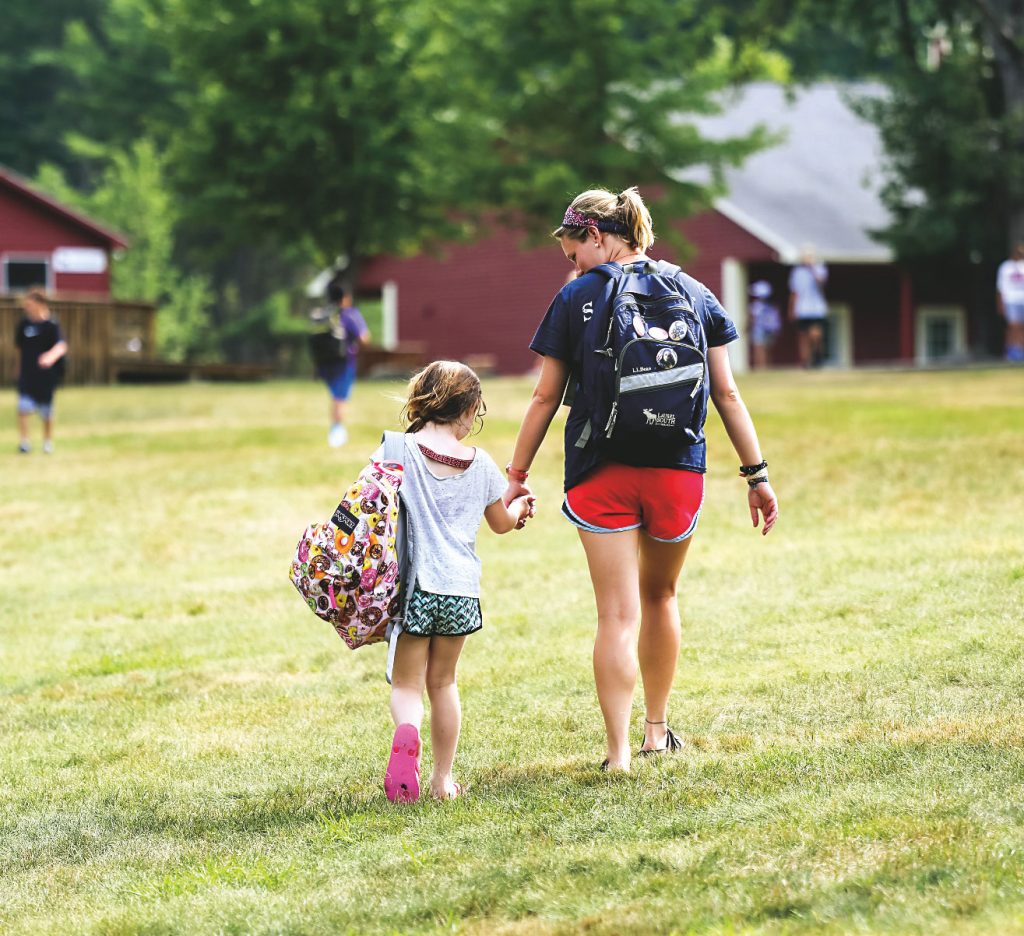
Good camps for first-time campers offer shorter introductory sessions, smaller cabin groups, structured onboarding for new campers, and staff experienced in helping kids adjust to their first time away from home. The camp itself matters less than whether it’s set up specifically to ease a first-timer in — look for “rookie,” “mini,” or one-week starter sessions before committing to a full summer.
Sending your child to camp for the first time is a big step for the whole family. The good news: most camps are very used to first-time campers, and a well-designed program can turn early nerves into one of the best summers of your child’s life. Here’s what separates a camp that’s genuinely first-timer-friendly from one that isn’t.
What to Look for in a First-Time Camper’s Program
- Shorter session options. Many camps offer one- or two-week “rookie” sessions specifically for new campers, letting your child try overnight camp without committing to a full 4-8 week summer right away.
- A structured first-day routine. Ask how the camp handles arrival day — is there a clear check-in process, a cabin tour, and dedicated time to meet bunkmates before the schedule kicks into full gear?
- Small, mixed-experience cabin groups. Cabins that blend a few returning campers with new campers help first-timers pick up “how things work” faster than an all-new group would.
- Clear homesickness support. Every camp will have some campers feel a little homesick in the first few days — the best camps have a specific, practiced approach to this rather than treating it as unusual.
- Proactive communication with parents. Especially in the first summer, camps that send photos, updates, or a quick note in the first few days help put parents at ease too.
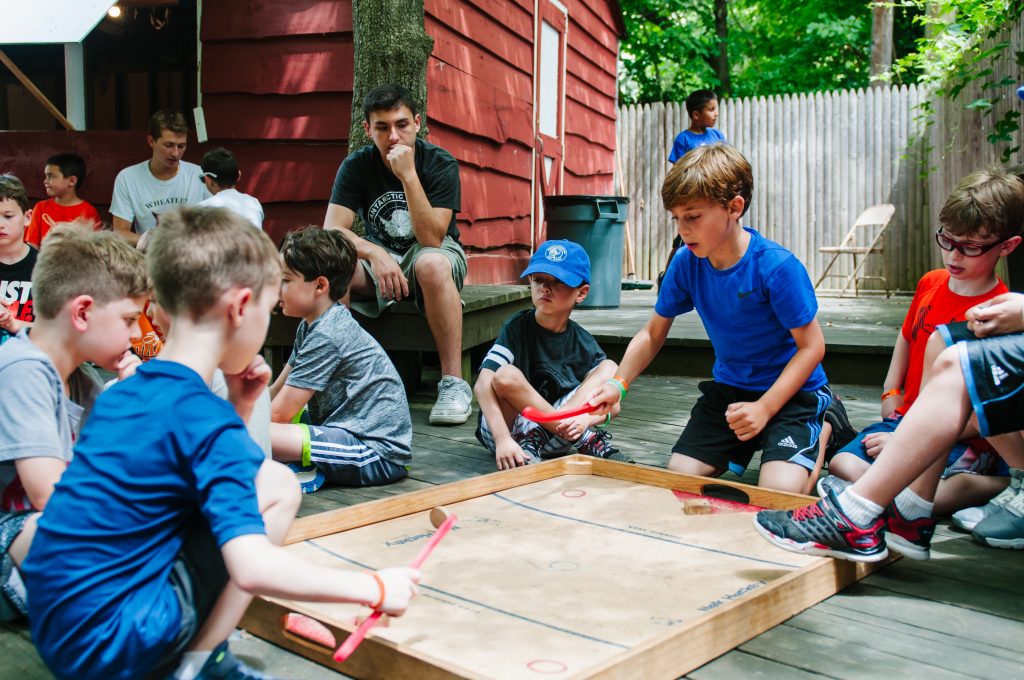
Day Camp vs. Overnight Camp for a First Summer
If your child has never spent a night away from home, day camp is often the gentler starting point — they get the camp experience (activities, new friends, independence during the day) while still sleeping in their own bed. For kids who are ready for more, a short overnight “rookie” session is a well-tested middle ground: enough time to build real friendships and confidence, without the length of a full summer session.

How to Prepare Your Child for Their First Summer
- Talk through what a typical day will look like, so nothing feels completely unfamiliar on arrival.
- If the camp offers a pre-camp meet-up, video call, or returning-camper buddy, take advantage of it.
- Practice a sleepover at a friend’s or relative’s house beforehand if your child hasn’t spent a night away before.
- Pack a comfort item from home, and write a few letters in advance so your child has mail waiting even before you’ve had a chance to send any.
- Set expectations together: a few nervous or homesick moments are normal and don’t mean camp isn’t working.
Frequently Asked Questions
What’s the best session length for a first-time camper?
One to two weeks is a common sweet spot for a first summer — long enough to build real friendships and routine, short enough to feel manageable. Many camps offer a dedicated “rookie” session at this length.
What age is typical for a first overnight camp experience?
Most overnight camps welcome first-time campers starting around age 7-9, though this varies by camp and by child. Readiness (comfort with time away from home) matters more than a specific age.
What if my child wants to come home during their first session?
Mild homesickness in the first few days is common and usually passes as new friendships form. Ask the camp about their specific homesickness support before the summer, so you know what to expect and who to talk to if it comes up.
Find the Right First Camp
Browse our partner summer camps to see session lengths and program details, or read our full guide to choosing the best summer camp for more on finding the right fit for a first summer.
