

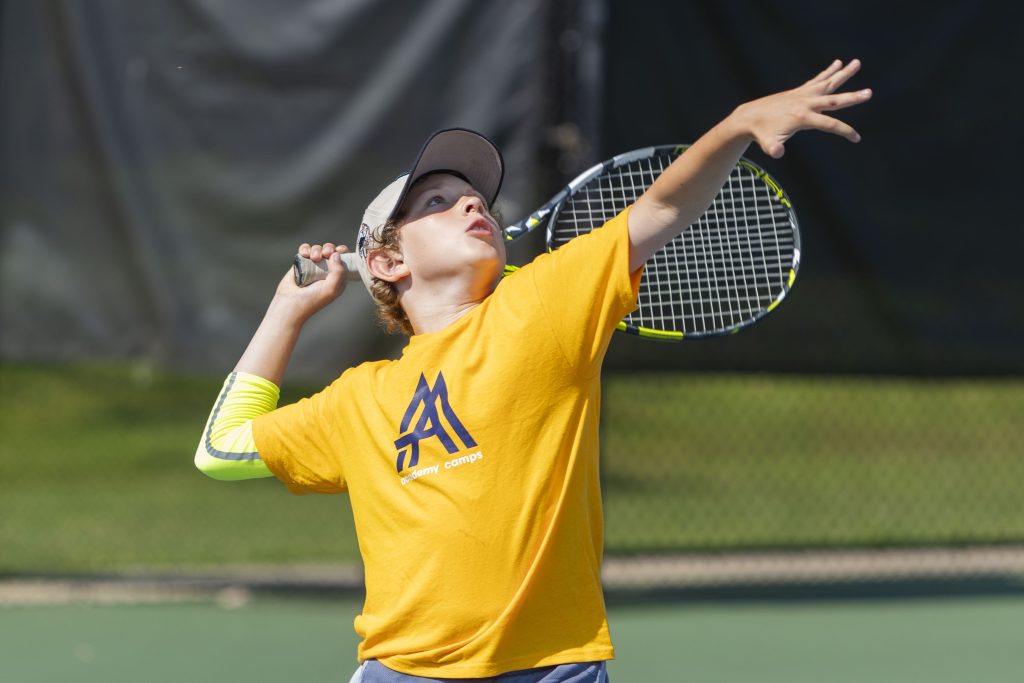
When choosing a sports camp or academy, prioritize coaching quality and staff-to-athlete ratios, how the program balances serious training with the traditional camp experience, safety and risk management for the specific sport, and whether the intensity level actually matches your child’s goals. A high-performance training environment isn’t automatically the right choice — the best sports camp is one that challenges your athlete without burning them out.
Sports camps and academies range widely, from casual multi-sport programs to intensive, single-sport training environments with twice-daily coaching. Here’s what to evaluate before choosing one for your child.
1. Coaching and Leadership Quality
The instructors are the single most important factor in the success of a sports camp. Ask about coaching staff credentials, playing or coaching experience, and coach-to-athlete ratios during training sessions. Small training groups matter — they allow for individualized feedback and measurable skill development, rather than athletes cycling through drills with minimal personal attention.
2. Training Intensity and Program Structure
Sports camps generally fall into a few categories: casual, multi-sport programs where athletics are one part of a broader camp day; single-sport intensives with twice-daily coaching and a strong competitive focus; and everything in between. Be honest about your child’s goals — a camper who wants to improve while still enjoying traditional camp life may be better served by a program that blends training with camp culture, rather than one built purely around performance.
3. Safety and Risk Management
Sports and outdoor training environments carry real physical risk, so safety questions matter as much here as anywhere else. Confirm the camp’s approach to injury prevention, recovery time between training sessions, athletic trainer or medical staff availability, and how coaches handle overtraining or pushing through injury. ACA accreditation is worth confirming here too, alongside any sport-specific certifications coaches hold.
4. Facilities and Training Environment
Facility quality directly affects training quality — look at fields, courts, equipment, and whether the camp trains on a dedicated athletic campus or shares space with a broader traditional camp. Ask how facilities are used across a typical day, and whether your child’s specific sport gets meaningful dedicated time and space.
5. Balance of Competition, Skill-Building, and Fun
The strongest sports camps build in mindset development and enjoyment alongside serious training — not just drills and competition. Ask how a typical day balances structured training, game play, evening activities, and traditional camp traditions. An athlete who leaves motivated and still loving their sport got more value than one who leaves purely exhausted.
Sports-Focused Partner Camps at ASC
A few of our partner camps are built specifically around high-performance sports training within a traditional camp structure:
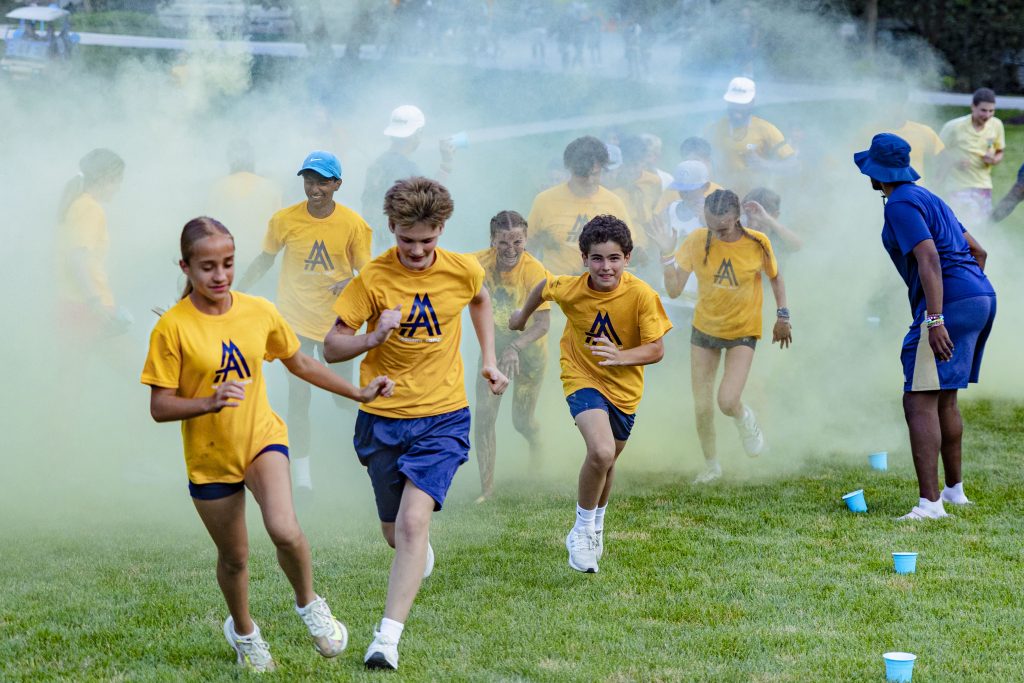
- Academy Camps — a co-ed sleepaway sports camp in Suffield, Connecticut for ages 10-16. Campers choose one primary sport from eight offerings and train twice daily with experienced coaches, alongside electives, dorm life, and traditional camp traditions.
- Brant Lake Sports Academy — a sleepaway sports camp for girls ages 8-16 in the Adirondacks of New York, offering high-performance coaching in a supportive, all-girls training environment.
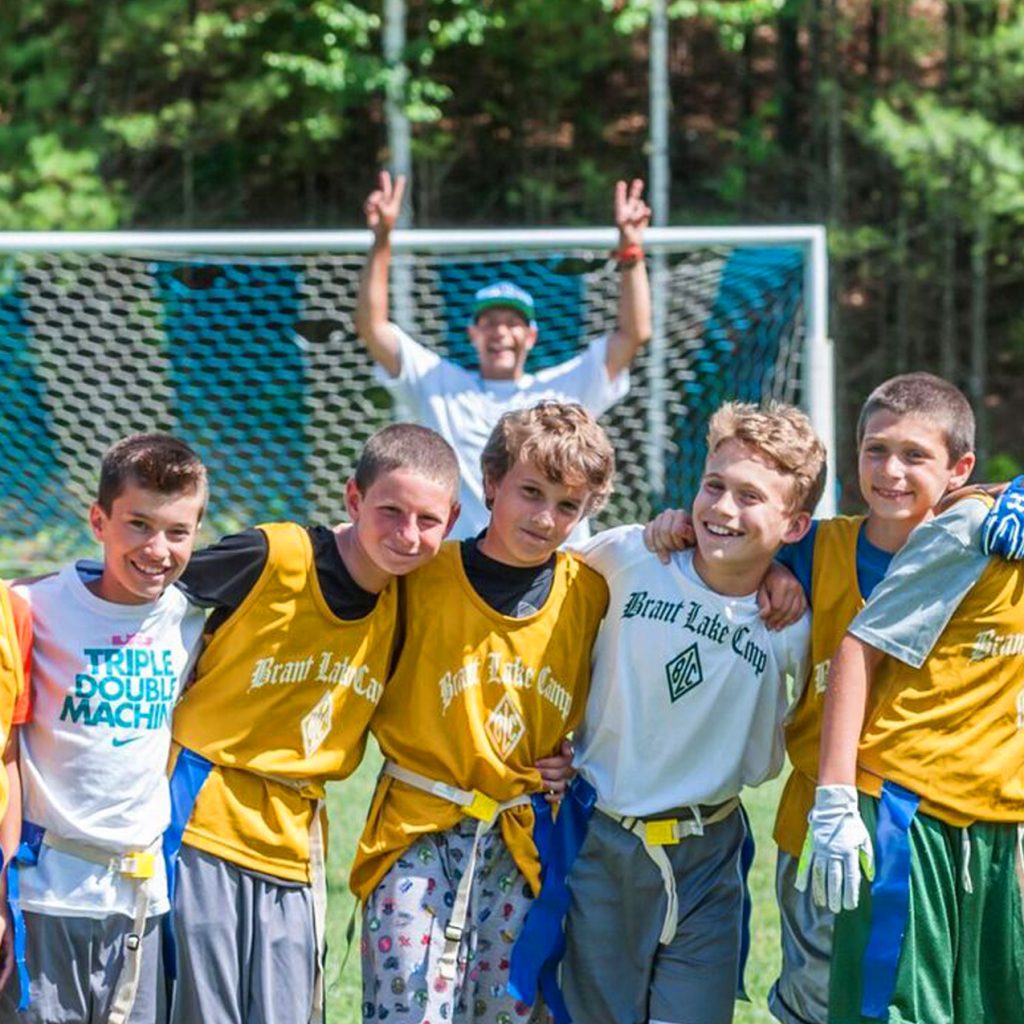
- Brant Lake Camp — an elite sports and traditional sleepaway camp for boys in the Adirondack Mountains of New York, blending serious athletic training with classic camp culture.
Frequently Asked Questions
What age is right for a specialized sports camp?
Many sports academies, like Academy Camps, start around age 10, once athletes typically have enough foundational skill and physical maturity to benefit from focused, twice-daily coaching.
Will a sports camp be too intense for my child?
It depends on the program and your child’s goals. Ask specifically about the daily training-to-free-time ratio, and consider a shorter session first if you’re unsure how your athlete will respond to a more structured, performance-focused environment.
Can my child try a new sport at a sports academy, or do they need existing experience?
This varies by camp. Some sports academies expect a baseline skill level for their most competitive tracks, while others (including multi-sport options at some programs) welcome athletes who are newer to a sport but motivated to improve.
Explore Sports-Focused Camps
Browse our partner summer camps to compare sports programs, coaching structure, and facilities, or read our camp comparison checklist to evaluate your top choices side by side.
