

Summer camps hire all kinds of staff each year. Some job positions at summer camp are centered on working directly with campers. Others focus on activities, safety, healthcare, operations, media, or leadership.
That means there is no single “right” summer camp job. The best role depends on your skills, personality, experience, and the kind of summer you want to have.
If you are interested in working at summer camp, this guide will help you understand the most common summer camp positions. You will also learn what each role involves and how to choose a job that feels like the right fit. Many entry-level summer camp jobs do not require previous camp experience. However, specialized roles may require certifications, training, or subject-area knowledge.
Common Summer Camp Jobs and Staff Positions
Every camp is different, but most summer camps need a mix of camper-facing staff, activity specialists, healthcare staff, support staff, creative staff, and leadership team members.
Here are some of the most common summer camp jobs available each year.
1. Camp Counselors
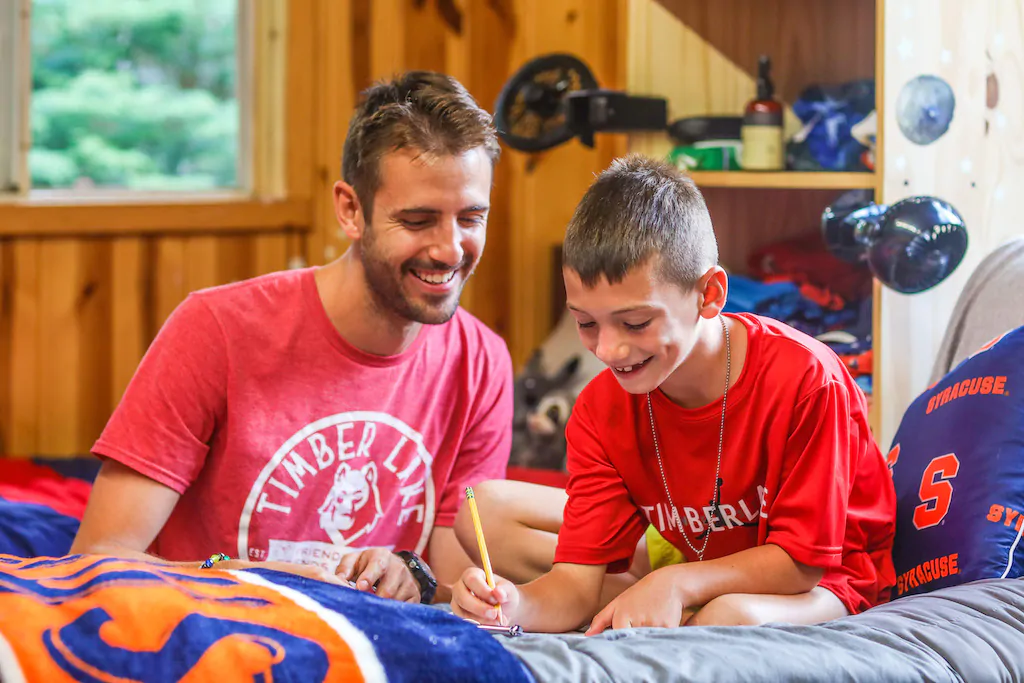
Camp counselors are often at the center of the summer camp experience. They live and work closely with campers and help guide them through daily camp life.
A counselor’s role may include supervising campers, leading cabin routines, helping with meals, encouraging participation, and creating a safe, welcoming environment. Counselors are also there for the moments that help campers grow.
They might support a nervous camper on the first day, cheer someone on during an activity, or help a cabin group build friendships. These small moments often become the memories campers carry home. Therefore, camp counselor jobs are a strong fit for people who enjoy working with children. They are also great for applicants who want to build leadership skills, spend time outdoors, and make a real impact.
Many camps hire first-time counselors, so previous camp experience is not always required.
Best for: Energetic, responsible, and patient applicants who want to work directly with campers.
2. Activity Instructors
Activity instructors lead specific programs or skill-based activities at camp. These may include sports, arts and crafts, music, drama, dance, archery, horseback riding, climbing, sailing, canoeing, STEM, or nature education. Some activity instructor jobs require strong experience in a specific area. Others are a good fit for applicants who are enthusiastic, willing to learn, and comfortable leading groups.
Camps often provide training before the summer begins. This is especially common for activities that use specialized equipment or follow specific safety rules.
Activity instructor roles are ideal for people who want to share a skill. They also give staff the chance to help campers try something new and build confidence.
Best for: Applicants with a sport, creative skill, outdoor skill, or teachable hobby they enjoy sharing.
3. Specialty Counselors
Specialty counselors combine camper care with a specific activity area. For example, a specialty counselor might live in a cabin and also lead soccer, tennis, art, music, outdoor adventure, or waterfront activities. This role is a good fit for someone who wants the classic counselor experience, but also wants to teach or coach during the day.
Specialty counselor jobs vary by camp. Some camps may expect advanced experience, while others may look for enthusiasm, basic knowledge, and a strong attitude.
Best for: Applicants who want camper care responsibilities and a chance to lead a specific activity.
4. Lifeguards
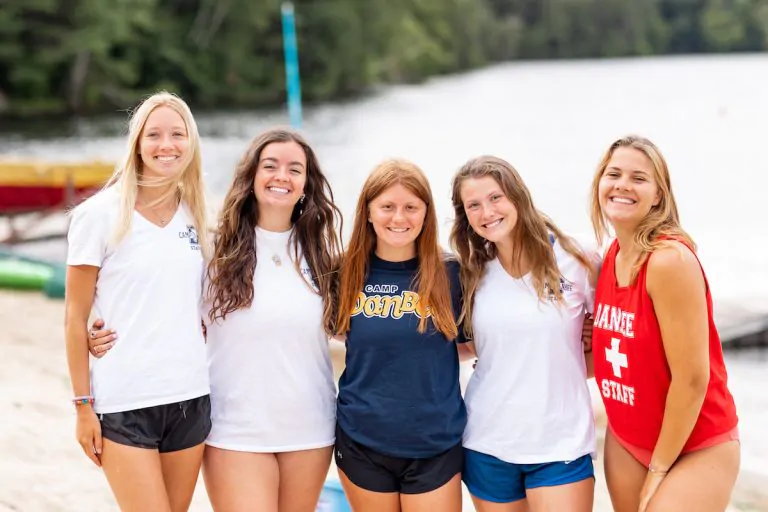
Many summer camps hire lifeguards to supervise pools, lakes, waterfront areas, boating activities, and swim programs. Lifeguards help keep campers safe around the water. Their responsibilities often include watching swim areas, enforcing waterfront rules, responding to emergencies, and supporting swimming lessons or recreational swim periods.
Lifeguard jobs at summer camp usually require current lifeguard certification. Some camps may also require CPR, first aid, or waterfront-specific training. For certified applicants, lifeguarding is a rewarding way to spend the summer outdoors and also allows you to work on the water all summer long.
Best for: Strong swimmers who are responsible, alert, safety-minded, and certified or willing to become certified.
5. Waterfront Staff
Waterfront staff may include lifeguards, swim instructors, boating instructors, sailing instructors, canoeing staff, kayaking staff, and paddleboarding staff.
At camps with lakes or waterfront programs, these roles are especially important. Waterfront staff help campers build confidence in and around the water. They may teach swim skills, lead boating activities, fit campers with life jackets, check equipment, and help maintain a safe waterfront environment.
Some waterfront positions require certifications. Others may be assistant roles that include training before or during the camp season.
Best for: Applicants who enjoy water-based activities and can stay calm, focused, and safety-conscious.
6. Adventure, Wilderness, and Ropes Course Staff
Adventure and wilderness staff lead outdoor activities such as hiking, camping, backpacking, climbing, ropes course elements, survival skills, nature programs, and overnight trips. These summer camp jobs are ideal for people who enjoy outdoor living. They are also a great fit for applicants who want to help campers try new challenges.
Depending on the activity, camps may look for experience in outdoor education, climbing, camping, trip leading, first aid, or wilderness safety. Not every adventure role requires expert-level experience. Still, specialized positions often require specific certifications or demonstrated skill.
Camps may also provide pre-season training on equipment, safety systems, and program procedures.
Best for: Outdoor-minded applicants who are responsible, encouraging, and excited to help campers grow through adventure.
7. Camp Nurses and Healthcare Staff
Camp nurses and healthcare staff help keep the camp community healthy throughout the summer. Their work supports both campers and staff. Responsibilities may include managing medications, treating minor injuries, reviewing health forms, supporting sick campers, communicating with parents, and responding to emergencies.
Camp nurse jobs typically require nursing qualifications or appropriate healthcare credentials. Some camps also hire health assistants, wellness staff, or first aid staff depending on their needs.
Healthcare staff are essential at both day camps and overnight camps. They help create a safe environment where campers can enjoy the full camp experience.
Best for: Qualified healthcare professionals or healthcare students who enjoy working with children in an active setting.
8. Support Staff
Support staff help keep camp running smoothly behind the scenes. These roles can include kitchen and dining hall staff, maintenance staff, housekeeping, laundry, office support, transportation support, and general operations. At overnight camps especially, support staff are essential. Camps function like small communities, and each part of the day depends on reliable operational support.
Support staff may prepare meals, maintain shared spaces, organize supplies, support arrivals and departures, clean cabins, repair facilities, or help the leadership team manage daily needs.
These jobs can be a strong fit for applicants who want to be part of the camp community. They may also suit people who prefer not to take on full-time camper supervision. Many support roles still include housing, meals, friendships, outdoor living, and the chance to experience camp life.
Some support staff positions are entry-level and include training. Others may require specific experience, licenses, or practical skills. For example, cooks, food service managers, drivers, maintenance workers, and office staff may need certain qualifications depending on the camp.
Common support staff roles may include:
- Kitchen assistants
- Cooks and food service staff
- Dining hall staff
- Dishwashers
- Maintenance and facilities staff
- Housekeeping staff
- Laundry staff
- Office and administrative assistants
- Transportation or driver support
- General operations staff
Best for: Reliable, practical, team-focused applicants who want to support the daily operations that make camp possible.
9. Photographers and Videographers
Photographers and videographers capture the camp experience through images and video. They help document the moments families and campers will want to remember. Their work may include taking daily photos, filming activities, editing short videos, organizing photo galleries, and covering special events.
This role is often active and fast-moving. Photographers and videographers spend their days moving around camp, visiting activity areas, capturing cabin life, and documenting evening programs.
These positions are a strong fit for creative applicants who enjoy visual storytelling. They are also great for people who like working outdoors and being part of a lively community. Camps may look for camera experience, editing skills, portfolio examples, or comfort using photo and video equipment. Requirements vary by camp.
Best for: Creative applicants who enjoy photography, video, editing, and capturing real moments as they happen.
10. Media Specialists
Media specialists usually have a broader communications role than photographers or videographers. They may still take photos or create videos, but their work often goes beyond capturing content. A media specialist may manage social media content, write captions, organize digital assets, update blogs or newsletters, create highlight reels, and support parent communication.
At some camps, the photographer, videographer, and media specialist may be one combined role. At larger camps, these may be separate positions. In general, photographers and videographers focus on capturing and editing visual content. Media specialists are more likely to plan, organize, publish, and repurpose that content across different platforms.
Media specialist roles are a good fit for applicants who understand social media, content planning, storytelling, branding, writing, and digital organization. This role often requires creativity, good judgment, attention to detail, and an understanding of how to represent camp in a positive way.
Best for: Applicants with skills in social media, writing, content planning, digital storytelling, or communications.
11. Program Directors and Leadership Staff
Program directors and leadership staff help plan, supervise, and support camp programs. They often work closely with counselors, activity staff, and senior camp leadership.
Their responsibilities may include overseeing activity areas, managing staff teams, coordinating schedules, leading staff training, and solving problems during the camp day.
These roles are usually best for applicants with previous camp experience. They may also be a good fit for people with teaching, coaching, or leadership experience.
Program directors help shape the camper experience. They also support younger staff as they grow into stronger leaders.
Best for: Experienced camp staff, educators, coaches, or leaders who are ready for more responsibility.
12. Camp Directors
Camp directors oversee the bigger picture of camp operations. They help guide the camp’s culture, safety, program quality, and overall experience. Their work may include staff hiring, parent communication, risk management, training, budgets, camper safety, and program planning. Some camp director roles are seasonal. However, many are year-round professional positions.
Directors typically have significant experience in camping, youth development, education, recreation, nonprofit leadership, or operations.
Because of this level of responsibility, this is usually not an entry-level summer camp job. Still, it is an important role to understand because directors shape the mission and daily life of camp.
Best for: Experienced leaders with a strong background in camp operations, youth programming, and staff management.
How to Choose the Right Summer Camp Job
Choosing the right summer camp job starts with thinking about what energizes you. Some people want to spend their days with campers. Others prefer teaching a skill, supporting camp operations, creating content, or leading a team.
If you love working with children, a camp counselor role is often the best place to start. Counselors are part of campers’ everyday experience, from cabin routines and meals to activities and evening programs.
If you have a skill to share, consider an activity instructor or specialty counselor role. These positions are a strong match for people with experience in sports, arts, outdoor adventure, waterfront activities, performing arts, or another teachable area.
If you are a strong swimmer or care about water safety, lifeguard and waterfront staff positions may be a great fit. These roles are especially important at camps with pools, lakes, boating programs, or swim instruction.
Outdoor-minded applicants may enjoy wilderness, adventure, or ropes course positions. These jobs are a natural fit for people who like hiking, climbing, camping, and helping campers try new challenges.
Applicants with healthcare experience may be well suited for camp nurse or healthcare staff roles. These positions support the wellbeing of the camp community in a hands-on setting.
For people who prefer behind-the-scenes work, support staff roles can offer a meaningful way to be part of camp. These jobs may include kitchen, dining hall, maintenance, housekeeping, laundry, office, transportation, or general operations work.
Creative applicants may enjoy working as photographers or videographers. These roles focus on documenting the camp experience through photos and videos.
If you are interested in social media, writing, content planning, or digital storytelling, a media specialist role may be a better fit. Media specialists often help organize, publish, and share camp content across different platforms.
Finally, applicants with previous camp, teaching, coaching, or leadership experience may be ready for program director or leadership staff roles. These positions involve supporting staff, managing programs, and shaping the overall camper experience.
Do You Need Experience to Work at Summer Camp?
You do not always need previous camp experience to work at summer camp. Many camps hire first-time staff for general counselor roles, support staff positions, media assistant roles, and some activity assistant positions.
For many entry-level summer camp jobs, camps look for responsibility, positivity, and a willingness to learn. They also value applicants who are excited to join a camp community.
However, some summer camp positions do require specific qualifications. Lifeguards usually need lifeguard certification, and camp nurses need healthcare credentials.
Drivers may need a valid license and clean driving record. Certain adventure roles may require training in climbing, wilderness first aid, boating, or ropes course safety.
If you are unsure which role is right for you, start by looking at your current skills and interests. You may be more qualified than you think.
Ready to Find Your Summer Camp Job?
Whether you want to be a camp counselor, lifeguard, activity instructor, nurse, photographer, videographer, media specialist, or support staff member, there are summer camp jobs for a wide range of interests and experience levels.
Explore open summer camp jobs and find the role that fits your skills, personality, and summer goals.
Frequently Asked Questions About Summer Camp Jobs
The most common summer camp jobs include camp counselors, activity instructors, lifeguards, waterfront staff, nurses, support staff, photographers, videographers, media specialists, program leaders, and camp directors.
Yes. Many camps hire first-time staff for general counselor, support staff, activity assistant, photographer assistant, videographer assistant, media assistant, and office assistant roles. Specialized positions, such as lifeguard, nurse, driver, or ropes course instructor, may require certifications or previous experience.
Camp counselor, activity instructor, lifeguard, waterfront staff, photographer, videographer, and media specialist roles are popular summer jobs for college students. These positions offer hands-on experience, leadership development, resume-building skills, and the chance to be part of a close summer community.
Many overnight camps provide housing and meals for seasonal staff. Day camps may not provide housing because staff usually go home at the end of each day. Always check the specific camp job listing to see what is included.
Many summer camps begin hiring months before the summer season, often during winter and spring. Some camps continue hiring into early summer depending on their staffing needs and available positions.
Lifeguard, waterfront, camp nurse, healthcare, driving, ropes course, climbing, wilderness, boating, and food service management roles may require certifications, licenses, or specific experience. Requirements vary by camp and position.
