

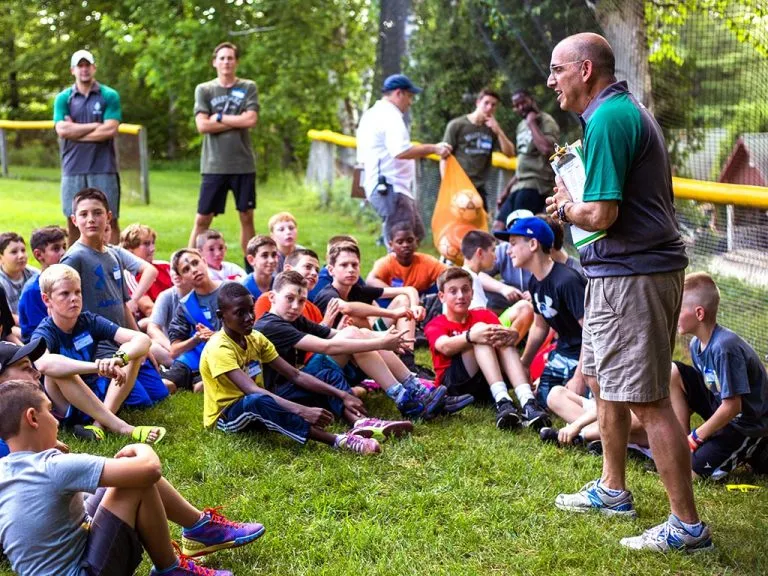
Wondering why work at summer camp? Camp jobs combine meaningful work, lifelong friendships, outdoor adventure, valuable career skills, and the chance to make a real difference for kids.
If you are deciding how to spend your summer, you have plenty of options. You could take a traditional seasonal job, find an internship, or stay close to home. However, working at summer camp offers something a little different.
A summer camp job combines work, adventure, community, and personal growth. You can spend your days outdoors, meet people from around the world, build skills for your future career, and help create an unforgettable summer for kids.
For college students, young adults, and international applicants alike, camp can be much more than a way to earn money between semesters.
So, why work at summer camp? Here are 10 reasons it can be one of the most rewarding summer jobs you will ever have.
Why Work at Summer Camp?
People choose to work at summer camp for many different reasons. Some want a job that keeps them active and outdoors. Others want to build leadership experience, travel, meet new people, or spend their summer doing something meaningful.
Camp brings all of those experiences together.
Unlike many seasonal jobs, working at camp often means becoming part of a close-knit community. Staff members live, work, and spend their free time alongside people who quickly become teammates and friends. At the same time, they take on real responsibility for helping campers learn, grow, and enjoy their time away from home.
That combination is what makes camp such a unique summer experience.
1. You Can Make a Difference in a Child’s Life
One of the biggest reasons to work at summer camp is the impact you can have on campers.
For many children, camp is a place where they try things for the first time. They may learn to swim across a lake, climb a ropes course, perform on stage, sleep away from home, or make a new friend.
Camp staff help make those moments possible.
As a counselor, instructor, or activity specialist, you may encourage a nervous camper to give something a try. You might help someone feel included when they are having a difficult day. You could also become the person who helps a child discover a new skill or passion.
Those interactions may seem small in the moment, but they can stay with campers long after summer ends.
Working at camp gives you the chance to be more than an employee. You can become a mentor, role model, teacher, and trusted source of support.
2. You’ll Build Skills Employers Actually Value
Summer camp is fun, but it is also real work.
Camp staff regularly practice skills that translate well into future jobs, internships, and careers. You may be responsible for leading groups, communicating with coworkers, managing schedules, solving unexpected problems, and helping people work through disagreements.
Over the course of a summer, you can develop skills such as:
- Leadership
- Communication
- Teamwork
- Problem-solving
- Conflict resolution
- Time management
- Adaptability
- Responsibility
Those abilities matter in nearly every industry.
Working at camp also gives you plenty of real examples to use in future interviews. Instead of simply saying that you are a strong leader or communicator, you can explain how you managed a cabin group, taught an activity, handled a difficult situation, or worked as part of a diverse staff team.
If you want to learn more about the professional side of camp, explore our guide to what working at summer camp can teach you.
3. You’ll Make Friends From Around the World
Camp friendships are one of the biggest reasons many staff members return year after year.
Summer camps often hire people from across the United States and around the world. That means your coworkers may come from different states, countries, cultures, and backgrounds.
Because camp staff spend so much time together, friendships can form quickly. You work through long days together, celebrate camp traditions, share meals, and experience the highs and lows of the summer as a team.
Those shared experiences create strong bonds.
For international staff, working at an American summer camp can also be an opportunity to experience a new culture while becoming part of a welcoming community.
By the end of the season, the people you arrived not knowing may be some of the hardest people to say goodbye to.
4. You Get to Spend Your Summer Outdoors
If sitting behind a desk all summer does not sound appealing, camp may be a better fit.
Many summer camps are surrounded by lakes, forests, mountains, trails, sports fields, and open spaces. Depending on your role, your workday might include teaching on the waterfront, coaching outside, hiking, leading games, or simply spending much of the day in the fresh air.
That environment can make camp feel very different from a typical summer job.
You are still working hard, but the setting is often part of what makes the experience memorable. Your office might be a soccer field, an art pavilion, a dock, or a cabin surrounded by trees.
5. Every Day Is Different
Camp rarely feels repetitive.
One morning, you might help campers get ready for activities. Later, you could teach a lesson, join a camp-wide competition, help prepare for a special event, or participate in an evening program.
Schedules vary from camp to camp, but variety is a major part of the experience.
There are theme days, tournaments, performances, trips, rainy-day schedule changes, and countless unexpected moments along the way.
If you like fast-paced environments and prefer a job where every day brings something new, working at camp can be a great fit.
6. Housing and Meals Are Often Included
Many overnight summer camps provide staff housing and meals during the season.
That can make camp especially appealing to college students and young adults who want to work away from home. Instead of arranging separate housing for a short-term summer job, staff members often live right where they work.
Meals are also commonly provided while camp is in session.
Specific compensation and benefits vary by camp and position, so you should always review the details before accepting a job. Still, housing and meals can be an important part of the overall employment package.
For many staff members, that also means fewer everyday expenses while they are working at camp.
7. You Can Try Something Completely New
You do not have to arrive at camp knowing how to do everything.
In fact, one of the best parts of camp is how many opportunities there are to learn.
Depending on the camp, you could improve your skills in activities like sailing, waterskiing, archery, climbing, photography, performing arts, sports, or outdoor recreation.
You may also discover interests you never expected.
Some staff members arrive with experience in one area and end the summer with a completely new hobby. Others gain confidence simply by trying activities they would never have encountered at home.
Camp encourages campers to step outside their comfort zones, and staff often end up doing the same.
8. Camp Can Help You Become More Confident
Working at camp comes with responsibility.
You may be living away from home, meeting new people, adapting to a new routine, and helping care for a group of campers. That can feel challenging at first, but it can also lead to significant personal growth.
As the summer goes on, you learn how to handle unfamiliar situations. You become more comfortable making decisions, speaking up, leading groups, and solving problems.
You also learn how capable you can be when other people are counting on you.
By the end of the season, many staff members leave camp feeling more independent, confident, and prepared for whatever comes next.
9. You’ll Build Memories You Won’t Get From a Typical Summer Job
Most jobs have memorable moments. Camp tends to have a lot of them.
There are campfires, lake days, cabin traditions, inside jokes, performances, sports competitions, rainy afternoons, and late-night conversations with friends.
There are also smaller moments that become just as meaningful.
Maybe a camper finally accomplishes something they have been working toward all week. Maybe your cabin creates a ridiculous song that everyone still remembers years later. Maybe you watch the sunset after a long day with the same group of people who have become your closest friends.
Those moments are difficult to recreate in a traditional summer job.
Camp is employment, but it is also an experience.
10. It’s a Summer Job With a Sense of Purpose
There are plenty of ways to earn a paycheck during the summer.
Camp gives you the chance to do that while contributing to something bigger.
Your job helps create a safe, supportive, and exciting environment where children can make friends, gain independence, learn new skills, and build confidence.
That sense of purpose can make even the hardest days feel worthwhile.
When the summer ends, you can look back and know that your work mattered to the campers, your coworkers, and the camp community.
What Is Working at Summer Camp Actually Like?
Working at camp can be incredibly rewarding, but it is important to know that it is still a job.
Days can be busy. Staff members may work long hours, spend a lot of time around other people, and need to stay flexible when plans change.
You will likely have moments when you feel tired, challenged, or outside your comfort zone.
At the same time, camp can be energetic, social, exciting, and deeply rewarding. You are surrounded by a team, and everyone is working toward the same goal of creating a great experience for campers.
The best camp staff are willing to work hard, stay positive, communicate well, and support the people around them.
Who Should Consider Working at Summer Camp?
Camp can be a great fit for many different personalities and backgrounds.
You may enjoy working at camp if you like being around kids, staying active, meeting new people, teaching skills, working as part of a team, or spending time outdoors.
You do not have to be the loudest or most outgoing person in the room. Camps need many different types of staff members, from energetic group leaders to patient instructors and behind-the-scenes support teams.
You also do not need to have attended camp as a child.
What matters most is your willingness to learn, contribute, take responsibility, and help create a positive environment for campers.
What Kinds of Summer Camp Jobs Are Available?
Camp counselor may be the best-known summer camp job, but camps hire for a wide variety of positions.
Depending on the camp, jobs may include sports instructors, waterfront staff, photographers and videographers, nurses, office staff, kitchen teams, maintenance staff, and specialists in areas like arts, adventure activities, and performing arts.
Some roles require specific experience or certifications. Others are open to applicants who have the right attitude, maturity, and willingness to learn.
If you are unsure where you might fit, explore our guide to the many different summer camp positions available.
Is Working at Summer Camp Worth It?
For many people, yes.
A summer camp job can help you grow professionally and personally while giving you an experience that feels very different from a traditional seasonal job.
You can gain practical skills, build your resume, make friends, spend time outdoors, and play an important role in a child’s summer.
Of course, camp is not always easy. It requires energy, patience, flexibility, and a willingness to put the needs of campers first.
However, for people who are ready to embrace that responsibility, the experience can be incredibly worthwhile.
Ready to Work at Summer Camp?
If you want a summer filled with meaningful work, new friendships, outdoor adventure, and opportunities to grow, working at camp could be a great fit.
American Summer Camps connects applicants with summer camps across the United States hiring counselors, instructors, specialists, and support staff.
Whether you already know which role you want or are just starting to explore your options, you can find opportunities that match your interests and experience.
Browse summer camp jobs and start planning your summer at camp.
Frequently Asked Questions About Working at Summer Camp
For many staff members, working at camp is well worth the experience. It combines paid seasonal work with opportunities to build leadership skills, make friends, spend time outdoors, and positively impact children.
Not always. Requirements depend on the camp and position, but many entry-level roles focus on maturity, responsibility, enthusiasm, and the ability to work well with children. Specialized positions may require previous experience or certifications.
Yes. Camp staff build transferable skills such as leadership, communication, teamwork, problem-solving, adaptability, and time management. Those skills can be valuable in future jobs and internships across many industries.
Many overnight summer camps provide staff housing and meals during the camp season. Compensation and benefits vary by camp, so applicants should always review the details of each position.
Yes. Summer camp jobs are especially popular with college students because the camp season often fits well with summer break. Camp can also provide valuable experience for students studying education, recreation, psychology, healthcare, communications, business, and many other fields.
Yes. Many American summer camps hire international staff each year. International applicants typically need to meet the appropriate visa and cultural-exchange requirements before working in the United States.
