

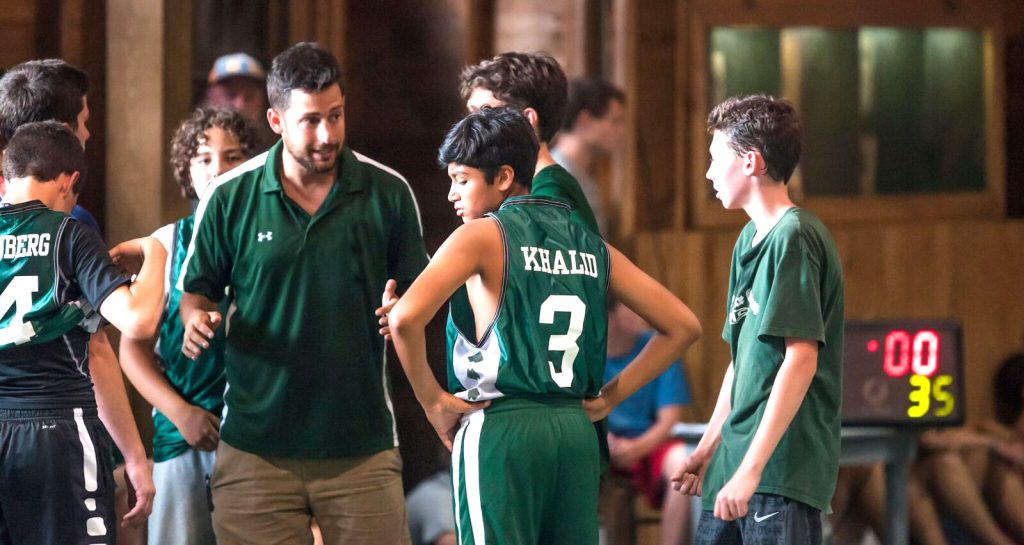
If you want to work at summer camp in America, you can spend your summer building new skills, making friends from around the world, experiencing life in the U.S., and making a real difference for campers.
Thinking about spending your summer working in the United States? For thousands of international staff members, summer camp offers a unique way to experience American culture while doing meaningful work.
When you work at summer camp in America, you become part of a close-knit community. You may live alongside staff from several countries, work directly with campers, teach activities, and take part in traditions that make American camp culture so memorable.
It is also much more than a travel experience. Working at camp can help you build leadership, communication, teamwork, and problem-solving skills that stay with you long after summer ends.
Whether you want to be a counselor, teach a sport, work on the waterfront, join the media team, or support camp operations behind the scenes, there are many ways to get involved.
Why Work at Summer Camp in America?
There are plenty of ways to spend a summer abroad. Working at camp is different because it combines travel, employment, cultural exchange, personal growth, and community in one experience.
For many international staff members, camp becomes one of the most memorable parts of their time in the United States.
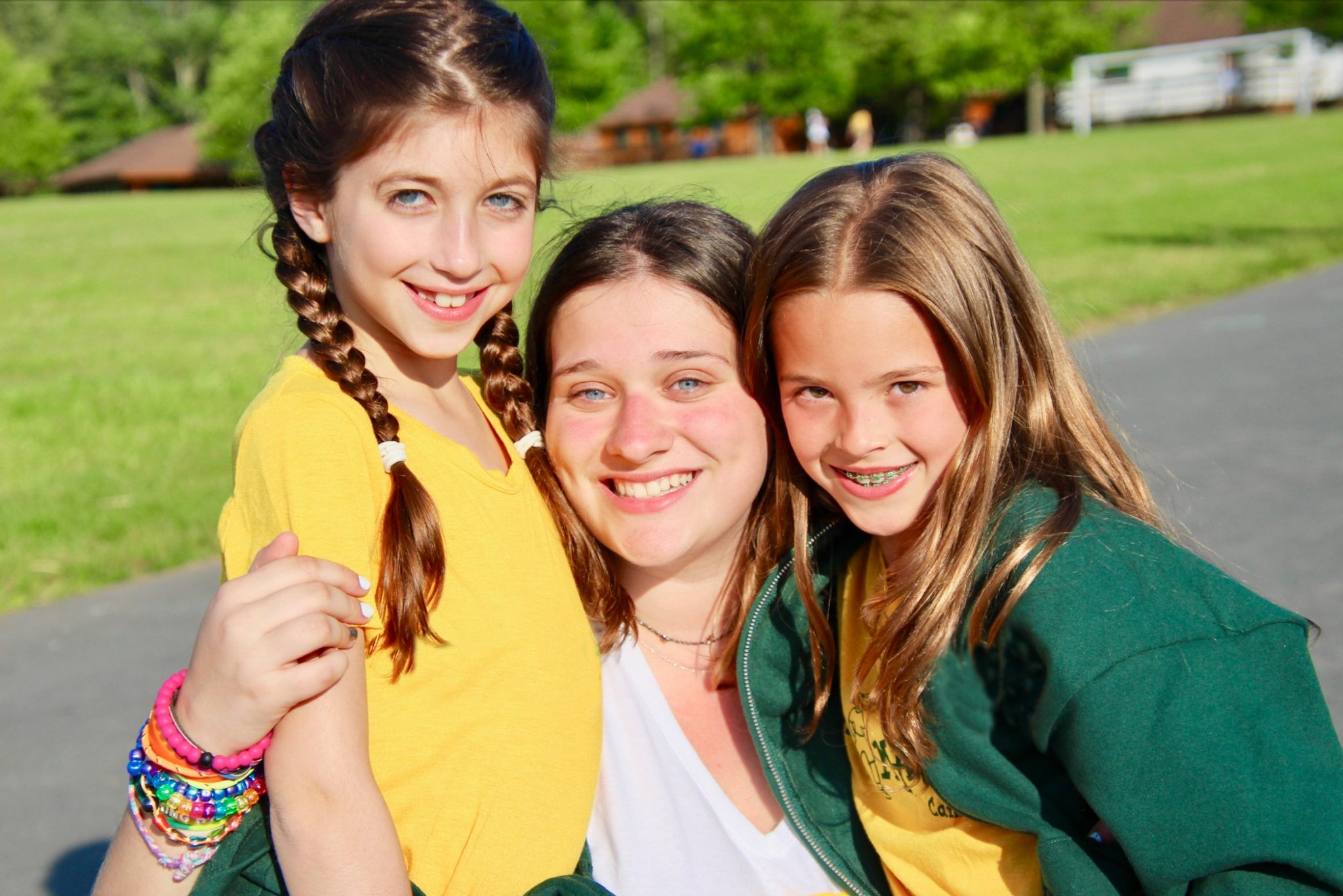
Experience American Culture
Summer camp is a long-standing part of American culture.
Camp traditions can include campfires, team competitions, theme days, waterfront activities, sports tournaments, talent shows, evening programs, and celebrations that bring the whole camp together.
As a staff member, you do not simply observe those traditions. You become part of them.
You also spend your summer working alongside Americans and other international staff, giving you the chance to experience everyday life and culture from a much more personal perspective than a typical vacation.
Make Friends From Around the World
One of the biggest reasons people return to camp is the community.
Staff often live, eat, work, and spend their free time together throughout the summer. That means friendships can form quickly.
Your coworkers might come from the United States, the United Kingdom, Australia, New Zealand, Europe, South America, or many other parts of the world.
By the end of the season, you may have friends scattered across several countries.
Build Valuable Career Skills
Camp can be fun, but it is also real work.
You may be responsible for supervising children, teaching activities, managing schedules, solving problems, communicating with coworkers, and adapting when plans change.
Those responsibilities help you develop transferable skills such as:
- Leadership
- Communication
- Teamwork
- Problem-solving
- Organization
- Adaptability
- Conflict resolution
- Time management
These skills can strengthen your resume and help you stand out when applying for future jobs.
Make a Difference for Campers
Camp staff have a major influence on a child’s summer.
You may help a camper feel comfortable away from home for the first time. You might teach someone how to swim, encourage them to perform on stage, or help them build the confidence to try a new activity.
Sometimes the moments that feel small to you can become important memories for campers.
That sense of purpose is one of the reasons camp work can feel so rewarding.
What Summer Camp Jobs Are Available?
American summer camps hire staff for much more than traditional camp counselor positions. Depending on your experience and interests, you could work as a camp counselor, activity specialist, waterfront instructor, photographer, videographer, media specialist, nurse, or support staff member. Camps also hire people with skills in sports, arts, outdoor adventure, music, theater, horseback riding, and many other activities.
You do not necessarily need previous camp experience to find the right role. Some positions focus more on your ability to work with children, while others prioritize specific skills, qualifications, or professional experience. If you are not sure which position suits you, explore our guide to summer camp jobs and positions to learn more about the different ways you can work at camp in America.
Who Can Work at Summer Camp in America?
International summer camp staff come from many different backgrounds.
College and university students are common, but camps may also hire recent graduates, teachers, coaches, healthcare professionals, outdoor instructors, creatives, and people with experience in specific activities.
Requirements vary depending on the camp, role, visa program, and sponsor.
In general, camps look for applicants who are responsible, adaptable, positive, and comfortable working as part of a team.
For camper-facing positions, experience working with children is often helpful.
For specialist jobs, camps may place more emphasis on your technical skills, qualifications, or coaching experience.
Do You Need Camp Experience?
No. Many international staff members arrive in America having never worked at a summer camp before.
Previous camp experience can help, but camps also value transferable experience.
For example, you may already have relevant skills if you have:
- Coached a youth sports team
- Babysat children
- Worked at a school
- Tutored students
- Volunteered with young people
- Led a club or society
- Worked in hospitality
- Taught music, art, or dance
- Worked as a lifeguard
- Led outdoor activities
The most important thing is to show how your experience would help you contribute to camp.
You should also demonstrate that you are responsible, enthusiastic, flexible, and prepared for a busy summer.
What Is Included When You Work at Camp?
One major benefit of working at a sleepaway camp is that many of your basic living expenses may be covered while you are there.
Exact packages vary by camp and program, but staff positions often include accommodation and meals during the camp season.
You will also receive pay and, depending on the camp or program, other benefits such as training or travel support.
Because compensation and program inclusions differ, always review the details of your placement carefully before accepting a role.
Accommodation
Most sleepaway camp staff live on site.
Counselors may live in cabins with campers, while some specialists and support staff live in dedicated staff housing.
Camp accommodation is usually fairly simple, which is part of the experience. You should expect communal living rather than a hotel-style setup.
Meals
Meals are commonly provided throughout the camp season.
Staff often eat alongside campers and coworkers in a central dining hall, making mealtimes another important part of camp community life.
Staff Training
Before campers arrive, many camps hold a staff orientation or training period.
This can cover topics such as:
- Camp policies
- Camper safety
- Child supervision
- Emergency procedures
- Activity training
- Daily schedules
- Communication
- Camp culture and traditions
Training also gives you time to meet the rest of the staff before the summer gets fully underway.
What Is It Like Living at an American Summer Camp?
Camp life can be exciting, social, and incredibly rewarding. It can also be intense.
Days are often busy from morning until evening.
You may wake up early, eat breakfast with campers, move through several activities, help with meals, participate in evening programs, and prepare for the following day.
There is not always much downtime during the busiest parts of the season.
That is why it is important to arrive with realistic expectations.
Expect a Close-Knit Community
You will spend a lot of time with your coworkers.
That can create a strong sense of community very quickly.
Staff members support one another through busy days, challenging moments, and the many highs of the summer.
By the end of camp, people who were strangers a few weeks earlier can feel like close friends.
Expect Responsibility
Working at camp is not the same as going to camp as a camper.
Staff are there to help create a safe, positive, and enjoyable environment for children.
That means you may need to put campers’ needs before your own, remain patient when you are tired, and handle situations calmly when plans change.
It can be challenging, but that responsibility is also part of what makes the experience valuable.
Expect to Get Involved
Camp is most enjoyable when you participate fully.
That might mean cheering at a sports competition, dressing up for a theme day, singing camp songs, joining a campfire, helping with a performance, or getting involved in a tradition you have never experienced before.
You do not need to arrive knowing exactly how American summer camp works.
A willingness to join in goes a long way.
Working at Camp as an International Applicant
International staff are an important part of many American summer camp communities.
Camps often value the different experiences, skills, cultures, and perspectives that international staff bring.
However, working legally in the United States requires the appropriate immigration authorization.
International camp staff commonly participate through approved cultural exchange arrangements and visa sponsors. The exact process depends on your nationality, role, program, and individual circumstances.
Because U.S. immigration requirements can change, always follow current official guidance and work with an approved or reputable sponsor when necessary.
Do not rely on outdated information about visa requirements or eligibility.
Your camp, placement organization, or sponsor should be able to explain the steps involved in your specific application.
What Happens After Camp?
For many international staff members, the camp season is only one part of their American experience.
Depending on your visa terms and travel dates, you may have the opportunity to explore the United States after your camp contract ends.
Some staff travel with friends they met during the summer. Others visit major cities, national parks, beaches, or destinations they have always wanted to see.
This can make camp especially appealing for people who want more than a traditional holiday.
You get to spend weeks becoming part of a local community before potentially exploring more of the country.
Always make sure any post-camp travel plans comply with the terms of your visa and program.
Where Can You Work at Summer Camp in America?
Summer camps operate across the United States.
Some regions are especially well known for traditional sleepaway camps.
The Northeast has a particularly strong camp culture, with many camps located in states including:
- Maine
- New York
- Pennsylvania
- Massachusetts
- Vermont
- New Hampshire
- Connecticut
There are also camps throughout the Midwest, South, West Coast, and other regions.
Each area offers a slightly different experience.
You might spend your summer beside a lake in Maine, surrounded by mountains in another part of New England, or at a sports-focused camp in Pennsylvania or New York.
Location is worth considering, but it should not be the only factor when choosing a camp.
Think about the role, camp culture, age group, facilities, activities, staff community, and responsibilities too.
How to Apply to Work at Summer Camp in America
If spending your summer at camp sounds like the right fit, the next step is finding a role that matches your skills.
1. Identify Your Strongest Skills
Start by thinking about what you could bring to camp.
Are you great with children? A counselor role may suit you.
Are you an experienced swimmer, tennis player, musician, photographer, artist, or coach? A specialist position could be a stronger fit.
The clearer you are about your strengths, the easier it becomes to find the right opportunity.
2. Highlight Relevant Experience
Your application should focus on experiences that demonstrate responsibility and useful camp skills.
Include any experience involving:
- Children
- Sports
- Coaching
- Teaching
- Leadership
- Outdoor activities
- Creative skills
- Healthcare
- Hospitality
- Teamwork
Be specific about what you actually did.
Instead of simply saying you “worked with children,” explain whether you coached, supervised, taught, mentored, or organized activities.
3. Prepare for Your Camp Interview
Camp interviews are often designed to understand your personality as well as your experience.
You may be asked why you want to work at camp, what age groups you enjoy working with, how you would handle a difficult situation, or what skills you could contribute.
Be enthusiastic, but also be realistic.
Camps want staff members who understand that the job comes with responsibility.
4. Research Potential Camps
Not every camp will be the right fit.
Before accepting a position, learn about the camp’s program, location, campers, daily routine, staff expectations, and overall philosophy.
The right camp should match both your skills and the type of summer you want to have.
5. Complete the Required Visa and Travel Process
International applicants will also need to complete the appropriate work authorization, visa, sponsorship, and travel requirements.
Follow the instructions provided by your program or sponsor carefully.
It is also worth preparing documents early so you are not trying to organize everything close to departure.
Is Working at Summer Camp in America Worth It?
For many international staff members, yes.
Camp offers an unusual combination of work experience, travel, friendships, cultural exchange, and personal growth.
It is not always easy. The hours can be long, the environment can be busy, and living in a shared camp community requires flexibility.
However, those challenges are part of what makes the experience so rewarding.
You may return home more independent, more confident, and with stronger leadership and communication skills.
You will also have stories, friendships, and memories that would be difficult to gain from an ordinary summer job.
Frequently Asked Questions About Working at Summer Camp in America
Yes. American summer camps regularly hire international staff for counselor, specialist, healthcare, media, and support roles. Applicants must have the appropriate authorization to work in the United States and should follow current visa and sponsor requirements.
Usually not. Many camps hire first-time staff members. Experience with children, sports, teaching, coaching, outdoor activities, leadership, or other relevant skills can still make your application stronger.
Jobs can include camp counselor, activity instructor, lifeguard, waterfront specialist, photographer, videographer, media specialist, nurse, kitchen staff, maintenance, administration, and other support positions.
Many sleepaway camps provide on-site accommodation and meals to staff during the camp season. Exact benefits vary, so always check the terms of your individual position.
Summer camp staff generally receive compensation for their work. The amount and structure can vary depending on the camp, position, experience, program, and whether you are applying internationally.
Most camp jobs last for a large portion of the American summer. Staff may arrive before campers for orientation and remain through the end of the camp season. Exact dates depend on the camp.
Depending on the terms of your visa and program, you may be able to travel in the United States after your camp contract ends. Always check your specific immigration and program requirements before making travel plans.
Yes. Camp work can demonstrate leadership, communication, teamwork, problem-solving, responsibility, teaching ability, and adaptability.
Start Your Summer Camp Adventure in America
Working at an American summer camp is much more than a way to spend a few months abroad.
It is a chance to become part of a new community, challenge yourself, build valuable skills, make friends from around the world, and have a meaningful impact on children.
You might spend your summer teaching a sport you love, helping campers gain confidence, working on a beautiful waterfront, creating camp videos, or supporting the daily operations that keep camp running.
Whatever role you choose, you will experience America in a way that most visitors never do.
Ready to work at summer camp in America? Explore available opportunities and find an American summer camp that matches your skills, interests, and goals.
