


Texas is home to a large and well-established summer camp tradition, with programs ranging from Hill Country lakefront camps to East Texas pineywoods retreats to faith-based and specialty programs across the state. Texas camps tend to lean heavily into water activities (given the state’s many lakes), horseback riding, and outdoor adventure, with sessions that often run slightly earlier in the summer than Northeast camps, taking advantage of Texas’s longer warm season. This guide covers what makes the Texas camp landscape distinct, the types of programs available, and what to look for as you compare options.
What Makes Texas Camps Different
Climate and season. Texas’s warm spring and early summer mean camps in the state often start sessions earlier than their Northeast counterparts, and heat management (shaded activity areas, midday water time, hydration protocols) is a bigger part of daily camp life than it is further north.
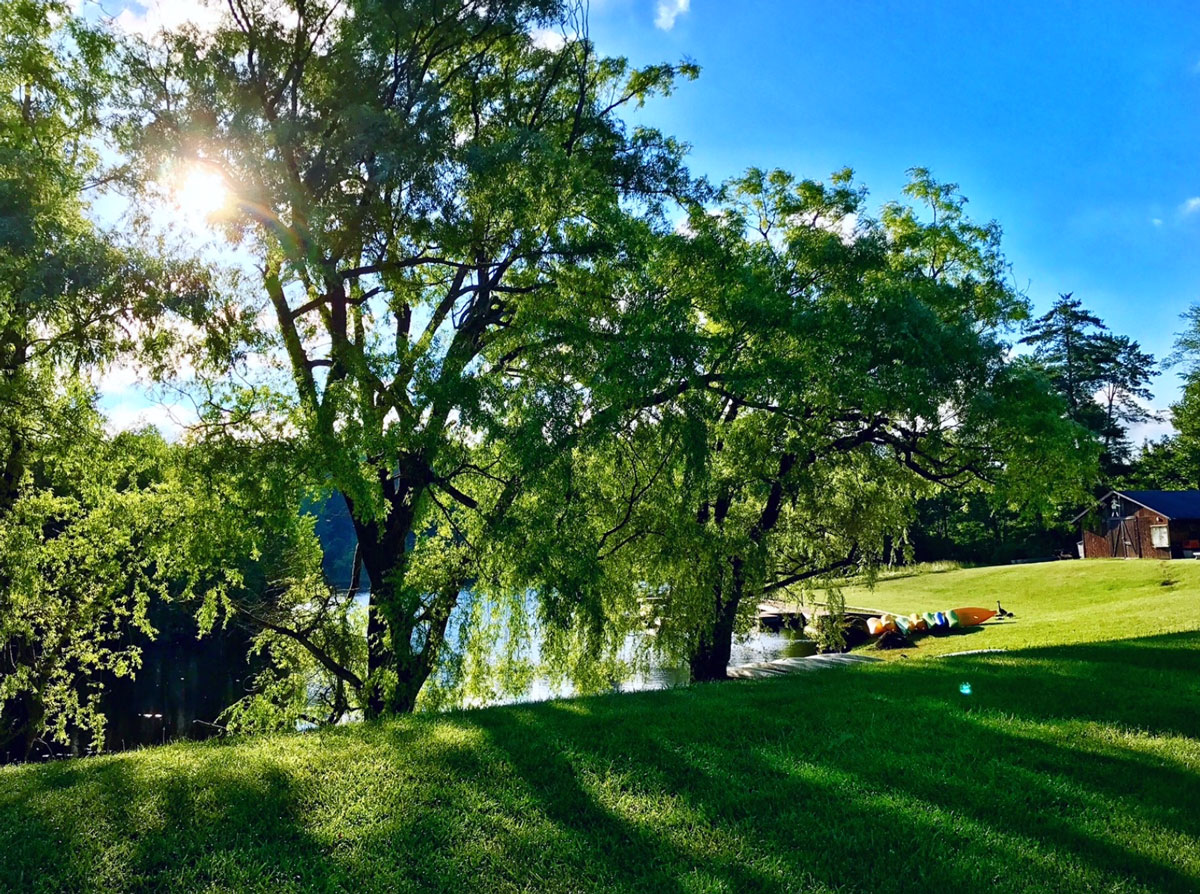
Lake and ranch settings. Many well-known Texas camps sit on the state’s central lakes (Lake LBJ, Lake Travis, Lake Livingston) or on large ranch properties in the Hill Country and East Texas piney woods, which shapes the activity mix heavily toward water sports, horseback riding, and land-based outdoor adventure.
A strong, multi-generational camp culture. Texas has a deep, long-running camp tradition of its own — some of the state’s most established camps have been running continuously since the early-to-mid 1900s, with camp traditions and alumni networks that span multiple generations of the same families.
Faith-based options. Texas has a notably strong presence of faith-based camps (Christian and Catholic programs in particular) alongside traditional secular camps, giving families more religious-affiliation options than in some other regions.
Types of Camps Found in Texas
Traditional overnight camps offer a broad activity mix — swimming, horseback riding, ropes courses, arts, and team sports — typically in one- to five-week sessions, often on a lake or ranch property.
Girls’ and boys’ specific camps are well represented in the state, some focused on general traditional programming and others built around a specific specialty like horseback riding.
Faith-based camps integrate Christian or Catholic programming — daily worship, values-based curriculum — alongside standard camp activities.
Day camps are common in and around Texas’s major metro areas (Houston, Dallas-Fort Worth, Austin, San Antonio), offering a lower-cost, no-overnight-stay option for families who want summer programming without a residential commitment. See Day Camp vs. Overnight Camp for a full comparison of the two formats.
Popular Texas Camp Regions
The Texas Hill Country (around Austin, Kerrville, and the Highland Lakes area) is one of the state’s most established camp hubs, anchored by lakes like Lake LBJ and Lake Travis and known for a dense concentration of long-running traditional camps built around water sports, horseback riding, and classic camp traditions.
East Texas / the Piney Woods (near Lake Livingston and the surrounding national forest land) offers a different setting — dense pine forest rather than open Hill Country terrain — and is home to several well-established overnight camps, including faith-based programs.
Major metro areas (Houston, Dallas-Fort Worth, Austin, San Antonio) host the bulk of the state’s day camp options, from museum- and university-run specialty camps to general-interest day programs run by YMCAs, park districts, and private camp operators.
What to Look for in a Texas Summer Camp
Heat and safety protocols. Given the Texas climate, ask specifically how a camp manages heat during peak summer weeks — shaded/indoor activity blocks during the hottest part of the day, hydration policies, and heat-illness recognition training for staff.
Waterfront safety and certification. With so many Texas camps built around lake access, confirm the camp’s waterfront staff certifications and safety protocols specifically, not just general camp safety practices.
Session timing. Texas camps sometimes run on a different calendar than Northeast camps, with some sessions starting as early as late May. Confirm exact dates against your family’s school calendar well in advance.
Accreditation. As with any camp anywhere in the country, ACA accreditation is a strong signal of independently verified health, safety, and program-quality standards — ask directly whether a camp holds current accreditation.
How Texas Camps Compare to Northeast Camps
Families researching camps nationally sometimes wonder how the Texas camp experience compares to the traditional Northeast camp model many people picture first. The core structure is similar — cabin life, a full activity schedule, camp traditions, and strong staff supervision — but a few differences stand out: Texas camps generally run on a slightly different calendar (often starting earlier), lean more heavily into water and ranch-based activities given the terrain, and, in the case of many Hill Country and East Texas camps, have their own distinct multi-generational traditions built around the specific culture of Texas camp life rather than the Northeast’s. Neither region’s camps are inherently “better” — a family relocating from the Northeast, or simply comparing options nationally, should expect a genuinely different regional flavor rather than a lesser version of what they’re used to. Which States Have the Best Summer Camps? covers how camp landscapes vary more broadly by state.
Is ASC’s Texas Network Growing?
American Summer Camps’ partner network has historically been concentrated in the Northeast, and Texas — along with the broader West Coast, Midwest, and Southwest — is a region where we’re actively working to add more featured partner camps. If you’re a Texas camp interested in reaching more prospective families and staff through ASC, reach out to our team to learn more. In the meantime, our search tool reflects our full current partner network, and we’ll continue expanding coverage in Texas and other underrepresented regions.
Frequently Asked Questions
When do Texas summer camps typically start?
Many Texas camps start slightly earlier than Northeast camps, with some sessions beginning in late May, taking advantage of the state’s longer warm season. Always confirm exact dates directly with a specific camp.
Are Texas camps mostly overnight or day camps?
Both formats are well represented — established overnight camps cluster around the state’s lakes and ranch land (especially the Hill Country and East Texas), while day camps are common in and around major metro areas.
Do Texas camps handle the heat safely?
Reputable camps build their daily schedule specifically around Texas heat — shaded or indoor blocks during peak afternoon heat, strict hydration protocols, and staff trained to recognize heat-related illness. Always ask a camp directly about their specific heat-management practices.
Are there faith-based camp options in Texas?
Yes, Texas has a strong presence of both Christian and Catholic camp programs alongside secular traditional camps, giving families more religious-affiliation choices than in some other regions.
Does ASC have partner camps in Texas?
ASC’s partner network is actively expanding into Texas and other underrepresented regions. Check our search tool for current listings, and Texas camps interested in joining the network can contact our team.
Are Texas camps more affordable than Northeast camps?
Pricing varies camp to camp rather than following a strict regional pattern, though cost of living and land costs in a given area do factor into camp pricing broadly. See How Much Does Summer Camp Cost? for what actually drives camp pricing anywhere in the country.
What activities are most common at Texas camps?
Water sports (given the state’s many lakes), horseback riding, and outdoor/ranch-based activities are especially common, reflecting the terrain and climate found across the Hill Country and East Texas camp regions.
Is it worth traveling out of state to a Texas camp, or should families stick to camps closer to home?
Plenty of Texas families choose Northeast or other out-of-state camps for a specific program fit, and plenty of out-of-state families choose Texas camps for the same reason — a strong program is worth traveling for regardless of geography. Weigh travel logistics and cost against how well a specific camp’s activities, culture, and values match what your child is looking for, rather than defaulting to “closest option” alone.
Do Texas camps offer transportation or travel coordination for families?
Many established Texas camps offer bus transportation from major metro hubs (Houston, Dallas, Austin, San Antonio) as part of enrollment, which can simplify travel logistics considerably compared to arranging a flight or long drive independently. Ask a specific camp what transportation options they offer and whether it’s included in tuition or billed separately.
What should out-of-state families know before choosing a Texas camp?
Beyond the standard camp-comparison criteria, out-of-state families should confirm travel logistics (nearest airport, camp transportation options), how the camp handles unaccompanied minor travel if a child is flying alone, and session dates against their home state’s school calendar, since Texas camps sometimes run on a slightly different timeline than camps further north.
Explore Camp Options
Compare programs and find the right fit for your family. Search ASC’s camp directory or visit our Future Campers hub for more help choosing a camp.
