


Yes—summer camps are designed with your child’s safety in mind. From trained, vetted staff to structured supervision and clear safety protocols, camps create an environment where children are both protected and supported as they grow.
If you’re asking yourself, “Is summer camp safe for my child?”—you’re not alone.
For many parents, sending a child away to camp can feel like a big leap of trust. You’re placing your child in the care of people you may not know, in an environment that’s completely new to them.
The good news is that summer camps are built around safety—from the staff they hire to the systems they put in place.
In this guide, we’ll walk you through exactly how camps keep children safe, who is responsible for your child’s care, and what you should look for as a parent.
So, Is Summer Camp Actually Safe?
In short: yes—when run properly, summer camps are safe environments designed specifically for children.
Camps are not unstructured or chaotic. In reality, they operate with clear routines, defined supervision, and carefully planned schedules. From the moment your child wakes up to when they go to sleep, there is a structure in place to ensure they are supported, supervised, and accounted for.
Staff are trained before campers even arrive, and safety is something camps actively prepare for—not something they react to.
If you’re still deciding whether camp is the right choice, you may also be wondering whether summer camp is the right fit for your child.
Who Is Looking After Your Child at Camp?
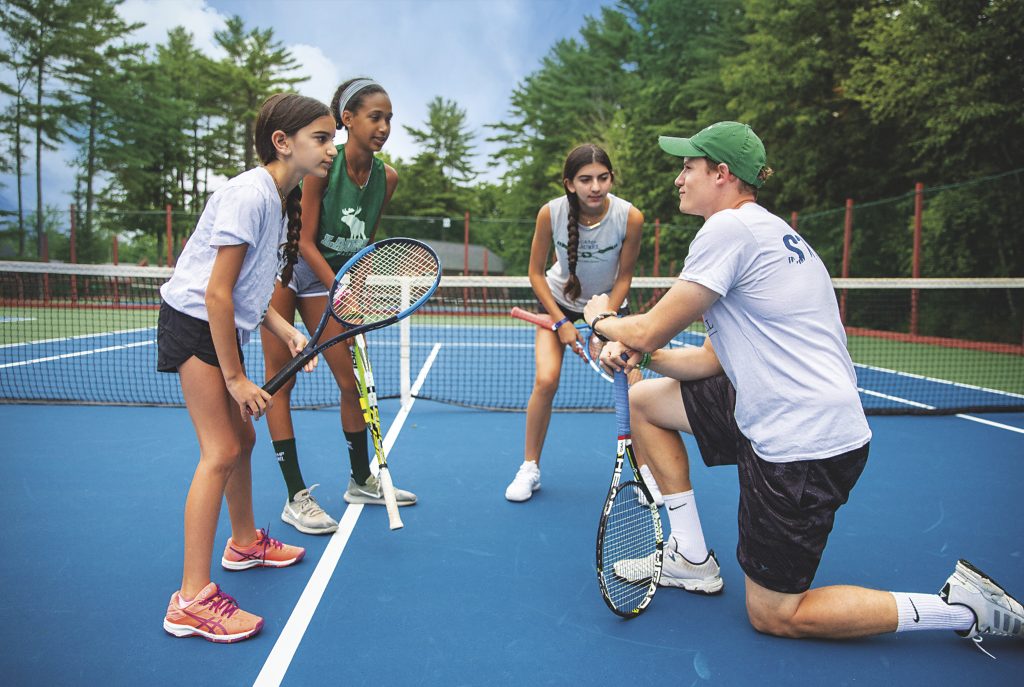
One of the biggest concerns for parents is simple: Who is actually responsible for my child?
Camp Counselors as Caregivers
Camp counselors are the people your child will spend the most time with. They live in cabins, lead activities, and are responsible for your child’s day-to-day wellbeing.
They’re not just supervisors—they’re mentors, role models, and the first point of contact if your child needs anything.
A Layered Support System
Importantly, your child isn’t relying on just one person.
Most camps operate with a full support structure that includes:
- Head counselors and senior staff
- Camp directors
- Activity specialists
- Medical staff (at many camps)
This layered system ensures that there is always someone available, experienced, and ready to step in if needed.
How Are Summer Camp Staff Vetted and Selected?
Camps don’t hire just anyone. Staff selection is a deliberate process designed to ensure children are in safe, capable hands.
Background Checks and Screening
Most reputable camps carry out thorough screening processes, including:
- Background checks
- Multiple interviews
- Reference checks
These steps help ensure that staff are not only qualified, but trustworthy.
Choosing the Right People
Beyond qualifications, camps look for individuals who are:
- Responsible and mature
- Good communicators
- Naturally caring and patient
The goal isn’t just to hire staff—it’s to build a team of people who genuinely care about children and take their role seriously.
Are Summer Camp Counselors Trained?

Yes—and this is one of the most important parts of camp safety.
Pre-Camp Training
Before campers arrive, staff go through dedicated training that typically covers:
- Child supervision and safeguarding
- Conflict resolution
- Activity safety procedures
- Emergency response protocols
This ensures staff are prepared for real-life situations before they ever happen.
Ongoing Support During Camp
Training doesn’t stop once camp begins.
Staff are supported throughout the summer by senior team members who provide guidance, oversight, and regular check-ins. This helps maintain high standards and ensures that staff are never left to handle situations alone.
What Safety Measures Do Camps Have in Place?
Beyond the people, camps rely on clear systems to keep children safe. These systems are designed so that nothing is left to chance—every part of the day is considered, structured, and supported.
Supervision and Staff-to-Camper Ratios
Camps maintain age-appropriate staff-to-camper ratios to ensure that every child receives attention, guidance, and supervision throughout the day.
Younger campers typically have higher levels of supervision, while older campers are given slightly more independence—but always within safe, clearly defined boundaries.
In practice, this means your child is never left to navigate camp alone. Whether they’re at an activity, walking between locations, or settling into their cabin, there are always trained staff nearby.
Structured Daily Schedules
Camp days are carefully planned from morning to evening, with a full schedule of activities, meals, and rest time.
This structure plays a huge role in safety. It ensures that:
- Children are always accounted for
- Staff know exactly where campers should be at any given time
- Transitions between activities are supervised and organized
Rather than being a free-for-all, camp operates more like a well-run school day—just with more outdoor adventure and variety.
Emergency Procedures
While camps focus on creating a fun and positive environment, they are also fully prepared for situations that may arise.
Most camps have clear, practiced procedures for handling:
- Illness or injury
- Weather-related events
- Missing campers (rare, but planned for)
- Unexpected incidents
Staff are trained to respond quickly and calmly, following established protocols designed to keep every child safe.
Many camps also have designated medical staff or access to healthcare professionals, ensuring that any concerns are handled promptly and appropriately.
For parents, this means you’re not just trusting individual staff—you’re trusting a system that is built to anticipate, manage, and respond to real-world situations with your child’s safety as the top priority.
Why Staff Quality Matters More Than Anything
While systems and procedures are essential, the quality of the staff is what truly shapes a safe camp environment.
Experienced, well-trained staff are better equipped to make good decisions, spot potential issues early, and respond effectively when something doesn’t go to plan.
Just as importantly, they build strong relationships with campers.
When children feel comfortable with the adults around them, they’re more likely to ask for help, share concerns, and fully settle into camp life.
What Should Parents Look for in a Safe Summer Camp?
If you’re evaluating different camps, here are a few key questions to ask:
- What training do staff receive before camp begins?
- What is the staff-to-camper ratio?
- How are emergencies handled?
- What kind of supervision is in place throughout the day?
You may also find it helpful to read our guide on whether your child is ready for summer camp, especially if this is their first time away from home.
Final Thoughts: Safety Builds Confidence and Growth
Summer camp isn’t just safe—it’s intentionally designed to help children grow within a supported environment.
Behind every activity, every cabin, and every moment is a team of trained staff whose job is to keep your child safe and help them thrive.
For many children, camp becomes a place where they build confidence, independence, and lasting friendships—all within a setting that prioritizes their wellbeing.
Frequently Asked Questions about Camp Safety
Yes, reputable summer camps are designed with safety in mind, including trained staff, supervision, and structured routines.
Counselors typically complete pre-camp training covering safety, supervision, and emergency procedures, along with ongoing support during camp.
Many staff have experience working with children, and camps look for maturity, responsibility, and strong communication skills.
Ratios vary by camp and age group but are designed to ensure adequate supervision at all times.
Most reputable camps conduct background checks and thorough screening before hiring staff.
Camps have clear procedures in place and trained staff ready to respond quickly to any situation.
Ask about staff training, supervision, safety protocols, and how the camp communicates with parents.
Want Help Finding a Safe, Trusted Camp?
At American Summer Camps, we work with camps that prioritize both safety and staff quality—so you can feel confident in your child’s experience from day one.
