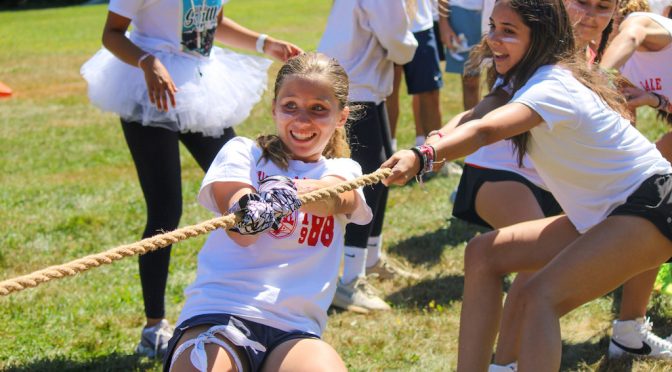
Embarking on your first summer camp adventure is an exciting opportunity to make new friends, explore the great outdoors, and create lasting memories. To ensure you have the best experience possible, it’s essential to approach your time at camp with enthusiasm, preparation, and an open mind. In this article, we will provide you with valuable tips and insights on how to make the most of your first-time summer camp experience.
Choose the Right Camp
Selecting a camp that aligns with your interests, goals, and age group is crucial. Research different camp options and read reviews from previous campers. Consider the camp’s activities, location, duration, and values. Finding a camp that resonates with you will significantly contribute to your overall enjoyment and satisfaction.
Prepare Physically and Mentally
Prepare yourself physically by engaging in regular physical activities and maintaining a healthy lifestyle leading up to camp. Ensure you have any required medical check-ups and vaccinations completed. Mentally, get ready for new experiences, challenges, and meeting new people. Embrace the opportunity for personal growth and adventure.
Pack Wisely
Create a comprehensive packing checklist in advance to ensure you have all the essentials. Consider the camp’s guidelines and weather conditions when choosing clothing items. Pack toiletries, comfortable shoes, bedding, and any specific equipment required for camp activities. Label your belongings to prevent mix-ups, and don’t forget to bring personal items that provide comfort and remind you of home.
Communicate with Camp Staff
Reach out to the camp staff before your arrival to gather information, ask questions, and address any concerns. They can provide valuable insights, help you understand the camp’s schedule and rules, and ease any anxieties you might have. Building a rapport with the staff beforehand will make your arrival and transition into camp much smoother.
Embrace New Friendships
One of the most rewarding aspects of summer camp is the opportunity to forge new friendships. Approach the experience with an open and friendly attitude. Introduce yourself to fellow campers, participate in group activities, and engage in conversations. Be inclusive, respectful, and supportive of others. Remember, everyone is seeking connections and memorable experiences.
Dive into New Experiences
Summer camp is a perfect chance to try new things and step out of your comfort zone. Embrace the diverse range of activities offered and participate wholeheartedly. Whether it’s rock climbing, canoeing, arts and crafts, or performing arts, immerse yourself in these opportunities for personal growth. Be willing to learn, take risks, and have fun along the way.
Follow Camp Rules and Guidelines
Each camp has its own set of rules and guidelines designed to ensure the safety and well-being of all participants. Familiarize yourself with these rules and respect them. Observe quiet hours, be mindful of personal and shared spaces, and adhere to behavioral expectations. Demonstrating respect for the camp’s rules contributes to a harmonious camp environment.
Engage in Camp Activities and Traditions
To fully embrace the camp experience, participate in camp activities, traditions, and events. Whether it’s campfire sing-alongs, talent shows, or team-building activities, these shared experiences create lasting memories and foster a sense of belonging. Take advantage of every opportunity to engage with fellow campers and staff members, cultivating a sense of camaraderie and community.
Stay Positive and Adapt to Change
Summer camp can sometimes present unexpected challenges or adjustments. Maintain a positive attitude and be adaptable in the face of change. Embrace new routines, accept differences, and view challenges as opportunities for personal growth. A positive mindset will help you navigate any hurdles and make the most out of your summer camp experience.
Your first summer camp experience is a time of discovery, growth, and endless possibilities. By choosing the right camp, preparing yourself physically and mentally, engaging with fellow campers, embracing new experiences, and staying positive, you can ensure an unforgettable adventure. Open your heart and mind to the wonders of camp life, create cherished memories, and make friendships that will last a lifetime. Get ready to embark on a journey filled with fun, personal development, and a summer you will never forget.
Summer camp is more than just fun and games; it’s a breeding ground for future leaders. Through various leadership opportunities, campers learn to take charge, make decisions, and lead by example. These experiences empower children to step outside their comfort zones and embrace leadership roles with confidence.
Cultivating Communication Skills
Effective communication is a vital skill for any leader. At summer camp, children engage in team-building exercises and group activities that demand clear communication to achieve common goals. As campers learn to articulate their ideas and actively listen to others, they become better communicators, setting a solid foundation for leadership success.
Problem-Solving and Decision-Making
Leadership often involves making tough decisions and solving complex problems. Through challenges and initiatives at camp, kids learn to think critically and strategically. They develop the ability to analyze situations, weigh pros and cons, and make informed choices, which are invaluable skills both in and out of the camp environment.
“The best way to predict the future is to create it.” – Peter Drucker
Nurturing Empathy and Compassion
Great leaders possess empathy and compassion for those around them. Summer camp fosters an environment of inclusivity and support, encouraging campers to understand and empathize with others. As they work together, children learn to celebrate differences and embrace the strengths of their peers.
Giving Back to the Community
Campers at summer camp often participate in community service projects, giving them a chance to make a positive impact beyond camp boundaries. Engaging in acts of kindness and service fosters a sense of responsibility and citizenship, nurturing compassionate leaders who are mindful of the needs of others.
“Leadership is not about being in charge. It is about taking care of those in your charge.” – Simon Sinek
Building Lifelong Leadership Skills
The leadership skills developed at summer camp extend far beyond the campfire circle. Children carry these skills with them into their academic endeavors, extracurricular activities, and future careers, becoming confident leaders who can inspire and influence those around them.
Your child is not automatically too old for summer camp just because they are a teen. The right camp experience depends on their age, maturity, interests, and whether they are ready for a traditional camper program, a teen leadership track, or even a future camp staff role.
Enter your Email Address for personalized recommendations and summer camp resources.
For many families, summer camp feels like a childhood milestone. Younger campers learn independence, make friends, and build confidence away from home. But what happens when your child gets older? Is there an age when they are officially too old for summer camp?
The answer is usually no. There is not one universal age when camp stops being meaningful. Instead, the better question is whether your child is in the right kind of camp program for their stage of life.
Some kids love traditional sleepaway camp well into their teen years. Others begin to outgrow the standard camper experience and feel ready for more independence, leadership, travel, or responsibility. In that case, they may not be too old for camp. They may simply be ready for the next version of it.
What Is the Typical Summer Camp Age Range?
Most traditional summer camps welcome school-age children and teens. Many sleepaway camps begin accepting campers around ages 6, 7, or 8, though every camp sets its own age requirements. On the older end, many camps serve campers through ages 15, 16, or 17.
That said, the summer camp age range can vary widely. Some day camps start younger than overnight camps. Some teen camps offer programs for high school students. Other camps also have separate leadership tracks for older campers who are ready for more responsibility.
Because every camp is different, parents should always check the specific camp’s age guidelines. However, age alone does not tell the full story. A 13-year-old attending camp for the first time may still be a wonderful fit. A 16-year-old may still love the camp community but need a more mature program structure.
Is My Teen Too Old for Summer Camp?
A teen is not automatically too old for summer camp. In fact, camp can be incredibly valuable during the teenage years.
Older campers often experience camp differently than younger children. They may form deeper friendships, take on more responsibility, and build confidence in a setting that feels separate from school and social media. Camp also gives teens a chance to enjoy a screen-light environment, try new activities, and grow in a supportive community.
For many teens, summer camp offers something rare. It gives them independence without leaving them on their own. They can practice decision-making, build resilience, and explore who they are in a safe, structured setting.
The key is finding a camp that treats teens like teens. Older campers need age-appropriate activities, leadership opportunities, meaningful traditions, and enough independence to feel respected.
When Kids Start to Outgrow Traditional Camp
Sometimes, a child is not too old for camp itself. They may simply be too old for a specific camper experience.
A teen may start to outgrow a camp if the activities feel too young, the daily schedule feels too restrictive, or most of the campers are much younger. They may also want more choice, more adventure, or more responsibility than they had in earlier years.
That does not mean their camp years are over. It may mean they are ready for a teen division, specialty program, counselor-in-training program, or leadership track.
This distinction matters. Many parents wonder, “Is my child too old for summer camp?” when the real question is, “What kind of camp experience fits my child now?”\
Best Summer Camp Options for Older Campers
As children grow, camp can grow with them. Older campers often have several options, depending on their age, interests, and maturity.
Traditional Sleepaway Camp for Teens
Some camps offer senior camper divisions or older camper cabins. These programs may include more advanced activities, special trips, leadership roles, and traditions designed specifically for teens.
This can be a great option for campers who still love the classic overnight camp experience. They get the friendship, fun, and structure of camp while enjoying more age-appropriate privileges and responsibilities.
For teens who have attended camp for years, a senior camper program can feel especially meaningful. They often become role models for younger campers and take pride in helping carry camp traditions forward.
Specialty Camps for Teens
Some older campers want a more focused summer experience. Specialty camps can be a strong fit for teens who have developed specific interests.
These may include sports camps, arts camps, music programs, outdoor adventure camps, STEM camps, waterfront programs, or travel-based experiences. Specialty camps can help teens deepen a skill while still enjoying the social and personal growth that camp provides.
This option can also work well for teens who are new to camp. A specific interest gives them a natural way to connect with other campers.
Teen Leadership Programs
Many camps offer leadership programs for older campers. These programs may focus on teamwork, communication, responsibility, mentoring, and service.
Leadership programs are often ideal for teens who love camp but want something more mature than a traditional camper schedule. They may help lead younger campers, assist with activities, or take part in special leadership workshops.
These programs can also help teens build confidence and independence. They give campers a chance to contribute to the community rather than simply participate in it.
Counselor-in-Training Programs
A counselor-in-training, often called a CIT, is usually an older teen who is learning what it takes to become a camp counselor. CIT programs vary by camp, but they often include leadership training, activity support, mentorship, and hands-on experience with younger campers.
A CIT program can be a wonderful next step for a teen who has aged out of the traditional camper role. It gives them more responsibility while still keeping them connected to the camp environment they love.
For many campers, becoming a CIT is a meaningful bridge between childhood and young adulthood. It can also prepare them for future camp staff positions.
Junior Staff or Camp Counselor Roles
For older teens and young adults, working at camp may be the next step. Former campers often return as junior counselors, activity assistants, lifeguards, support staff, or full counselors once they meet the camp’s hiring requirements.
This can be especially rewarding for teens who want leadership experience, job skills, and a meaningful summer role. Camp jobs can help young adults build communication skills, problem-solving abilities, responsibility, and confidence.
In many ways, working at camp allows older teens to continue experiencing the joy of camp while giving that experience to younger campers.
Signs Your Child Is Still a Great Fit for Camp
Your child may still be a strong fit for summer camp if they are excited by the idea of community, independence, and shared experiences. Even if they are older, camp can still offer something valuable.
Your child may still be ready for camp if they:
Enjoy spending time with peers in a group setting
Like trying new activities or developing favorite skills
Want more independence in a safe environment
Enjoy outdoor living, sports, arts, waterfront activities, or adventure
Respond well to structure and routine
Want a break from screens and daily school-year pressure
Are interested in leadership or mentoring younger campers
Still feel emotionally connected to the camp experience
Older campers often bring a special energy to camp. They understand traditions more deeply, form strong friendships, and may become leaders within their cabin or division.
Signs Your Child May Need a Different Camp Experience
Not every teen wants the same kind of camp they loved when they were younger. That is normal.
Your child may be ready for a different camp experience if they want more independence, more challenge, or more responsibility. They may also feel less interested in general activities and more drawn to a specific skill, trip, or leadership opportunity.
This does not mean camp is no longer a good fit. It may mean they need a program designed for older campers.
A teen may be ready for something different if they:
Feel the regular camper schedule is too young
Want to help lead rather than only participate
Are interested in travel, adventure, or specialty training
Want to build leadership or job skills
Prefer more choice in their daily activities
Are curious about becoming a camp counselor someday
When this happens, parents can look for camps with teen divisions, CIT programs, leadership tracks, or junior staff pathways.
Questions to Ask Before Choosing a Camp for an Older Child
Choosing a camp for an older child or teen is a little different from choosing one for a younger camper. The right fit depends on more than age. It also depends on maturity, goals, personality, and the camp’s program structure.
Before enrolling your child, ask the camp:
What is the oldest camper age?
Are older campers grouped separately from younger campers?
Does the camp offer teen-specific activities?
Is there a leadership program for older campers?
Does the camp offer a CIT or LIT program?
How much independence do older campers have?
Are older campers allowed more choice in their schedules?
Can campers return as staff when they are old enough?
What support is available for teens who are new to camp?
How does the camp help older campers feel challenged and included?
These questions can help you understand whether the camp is truly designed for your child’s age group.
Is 13 Too Old to Start Summer Camp?
No, 13 is not too old to start summer camp. Many campers begin camp in middle school or early high school, especially when they find a program that matches their interests.
For a 13-year-old, the best fit may be a traditional sleepaway camp, a specialty camp, or a teen-friendly program with plenty of other first-time campers. The most important thing is to choose a camp where your child will not feel like the only new camper in their age group.
Parents should ask how the camp welcomes older first-time campers. A good camp will understand that not every child starts at age 7 or 8. Many teens still have an incredible first summer when they join the right community.
Is 16 Too Old for Sleepaway Camp?
Sixteen may be too old for some traditional camper programs, but it is not too old for the camp experience overall. Many 16-year-olds still attend camp through teen divisions, leadership programs, CIT tracks, or specialty programs.
At this age, the best fit depends on your teen’s goals. Some 16-year-olds still want the fun and friendship of camper life. Others want more responsibility and may be ready to help younger campers, assist with activities, or prepare for a future staff role.
If your teen still loves camp, do not assume they have aged out. Instead, ask what next step would feel meaningful to them.
Can Older Teens Become Camp Counselors?
Many older teens and young adults can eventually work at camp, depending on the camp’s age requirements and hiring policies. Some begin with a CIT or junior counselor role before becoming full staff members.
Working at camp can be an incredible opportunity for former campers. It allows them to grow from participant to leader. They learn how to support younger children, manage responsibility, solve problems, and contribute to a close-knit community.
For teens who are ready for more than camper life, a future camp job may be the perfect next chapter.
So, How Old Is Too Old for Summer Camp?
There is no single age when a child becomes too old for summer camp. Some campers are ready to move on earlier. Others continue to thrive through their teen years.
The better question is whether the program still fits your child.
A younger teen may love a traditional sleepaway camp. An older teen may need a specialty program, leadership track, CIT experience, or junior staff role. A young adult may be ready to work at camp and help create the same magic they experienced as a camper.
Summer camp is not only for little kids. At its best, camp grows with children as they become more independent, capable, and confident.
Find the Right Camp Experience for Every Age
Whether your child is heading to camp for the first time, returning as an older camper, or exploring a leadership role, American Summer Camps can help you find the right fit.
The right camp can give your child friendship, confidence, independence, and lifelong memories at nearly any age. Explore trusted camp options, learn more about different programs, and discover the next step in your child’s summer camp journey.
What age do kids usually stop going to summer camp?
Many traditional camps welcome campers through the mid-to-late teen years, though every camp sets its own age range. Some campers continue through teen divisions, CIT programs, or leadership tracks after they age out of the standard camper program.
What is a CIT program at summer camp?
A CIT, or counselor-in-training, program helps older teens learn leadership skills and prepare for future camp staff roles. CITs may assist counselors, help with activities, mentor younger campers, and take part in training sessions.
Is my child too old for summer camp at 12 or 13?
No. Many children start summer camp at 12 or 13 and still have a wonderful experience. The key is choosing a camp with other campers in the same age group and activities that feel age-appropriate.
Is 16 too old for sleepaway camp?
Sixteen is not always too old for sleepaway camp. Some camps welcome 16-year-old campers, while others encourage teens that age to join a CIT, leadership, or junior staff program.
What can older teens do at summer camp?
Older teens can attend traditional camp, join a specialty program, take part in a teen leadership track, become a counselor-in-training, or apply for junior staff roles. The best option depends on their age, maturity, and interests.
Can a teen start summer camp for the first time?
Yes. Teens can absolutely start summer camp for the first time. Parents should look for programs that welcome older first-time campers and offer strong support for helping new campers make friends.
Can my child work at camp after aging out?
Yes, many former campers return to camp as counselors, activity specialists, lifeguards, support staff, or junior staff. Each camp sets its own hiring age and requirements, so families should check with the specific camp.