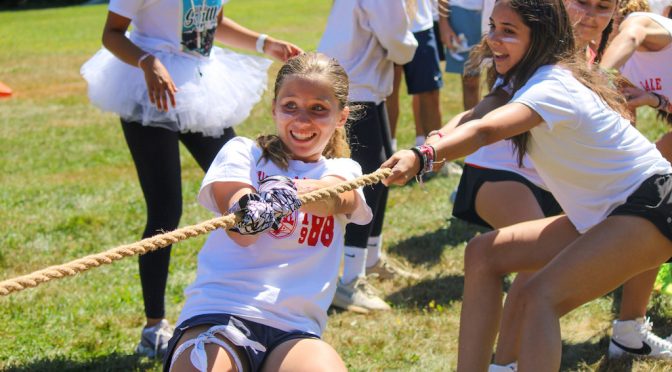
Summer camp builds self-esteem in kids by giving them daily opportunities to try new things, make friends, and gain independence in a supportive environment. Over time, these experiences help children become more confident, resilient, and comfortable being themselves.
For many parents, confidence is one of the biggest things they want their child to develop. Whether your child is naturally shy or just needs a boost, building self-esteem early can shape how they handle challenges, friendships, and new experiences later in life.
One of the most effective — and often underestimated — ways to build that confidence is through summer camp.
So how exactly does summer camp build self-esteem in kids? Here are five powerful ways it happens.
1. Trying New Things Builds Confidence
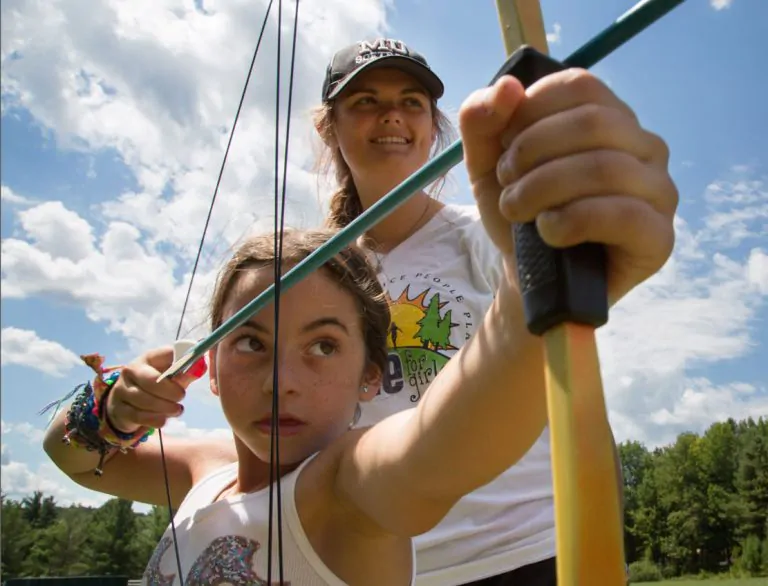
At camp, kids are constantly encouraged to step outside their comfort zones — but in a way that feels safe and supported. Whether it’s climbing a rock wall, performing in a talent show, trying archery, or learning a new sport, every new experience gives them a chance to discover what they’re capable of.
What matters isn’t just the activity — it’s the process:
- Trying something unfamiliar
- Pushing through initial hesitation
- Experiencing progress (even small wins)
These moments stack up quickly. A child who was nervous on day one might be volunteering to go first by the end of the week.
Over time, kids stop thinking “I can’t do that” and start thinking “I’ll give it a try.” That mindset shift is a core building block of confidence.
2. Making Friends Strengthens Self-Worth
Camp creates a unique social environment where friendships form faster and more naturally than in everyday life.
Without the usual school dynamics, kids have the chance to reset socially. They meet new people, share experiences, and bond through activities, challenges, and daily routines.
This leads to:
- Feeling accepted for who they are
- Learning how to initiate and maintain friendships
- Building communication and teamwork skills
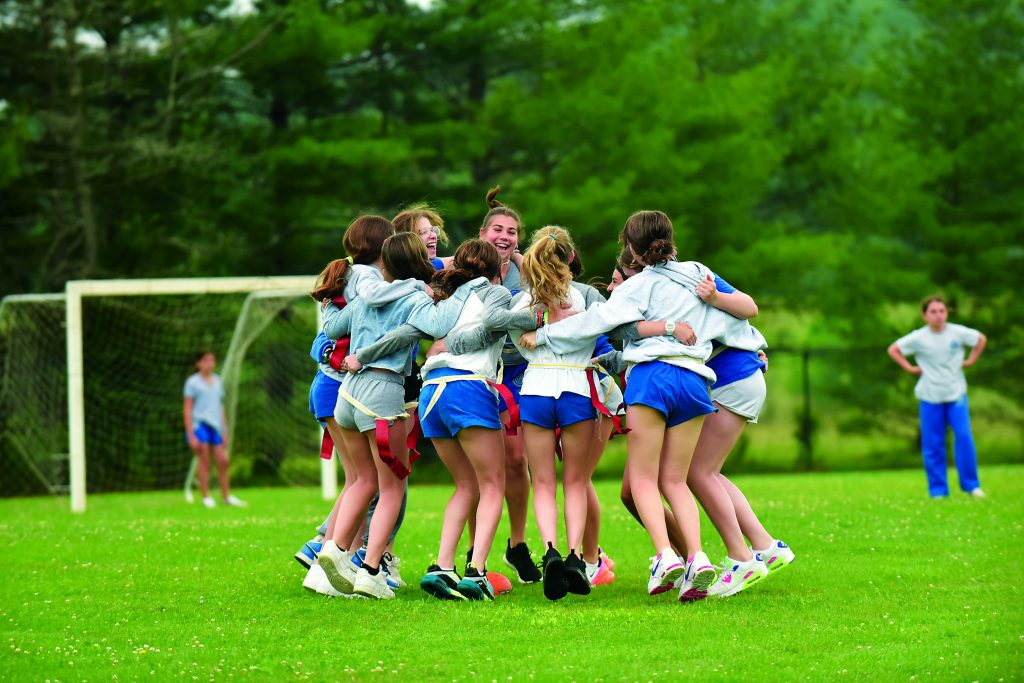
For many children, this is the first time they feel truly seen and included by a group of peers.
That sense of belonging directly impacts self-esteem. When kids feel valued by others, they begin to value themselves more too.
3. Independence Builds Real Confidence
Being away from home — sometimes for the first time — is a major milestone.
At camp, kids take ownership of their day-to-day lives in small but meaningful ways:
- Getting ready on their own
- Managing their belongings
- Choosing activities
- Solving minor problems without immediate parent help
These everyday responsibilities might seem small, but they send a powerful message: you can handle this.
As the days go on, kids begin to trust themselves more. They learn that they can adapt, figure things out, and navigate new situations independently.
That growing sense of capability becomes one of the strongest foundations of self-esteem.
4. Overcoming Challenges Creates Resilience
Not everything at camp comes easily — and that’s exactly why it works.
Campers regularly face challenges, such as:
- Learning a new skill
- Facing a fear (like heights or water)
- Navigating social situations
Instead of avoiding these moments, they’re supported through them.
Counselors guide, encourage, and help kids break challenges into manageable steps. Peers often cheer each other on, creating a positive, motivating environment.
When a child pushes through something difficult — even something small — it creates a powerful internal message:
- “I did that.”
- “I can get through hard things.”
That’s resilience. And resilience is a key driver of long-term confidence.
5. Positive Encouragement Reinforces Confidence
Camp counselors play a huge role in how kids see themselves.
Unlike environments focused on grades or comparison, camp emphasizes effort, growth, and participation. Kids are encouraged not just for what they achieve, but for how they try.
This kind of feedback sounds like:
- “You gave that a great try”
- “I saw how hard you worked on that”
- “Look how much you’ve improved”
This shifts the focus from perfection to progress.
Over time, kids internalize that encouragement. Instead of relying on external validation, they begin to recognize their own effort and growth.
That’s what builds a more stable, lasting sense of self-esteem — one that doesn’t depend on being the best, but on believing in their ability to grow.
What Parents Notice After Camp

Many parents are surprised by how much their child changes after just one summer. The growth isn’t just visible at camp — it shows up in everyday life once they’re home.
Common things parents notice include:
- More willingness to try new things — from joining new activities at school to speaking up in class
- Increased independence at home — taking initiative with routines, responsibilities, and decision-making
- Stronger social skills — making friends more easily and navigating group situations with confidence
- Greater confidence speaking up — sharing opinions, asking questions, and expressing themselves more clearly
For example, a child who was hesitant to leave your side before camp might come home eager to tell stories, take on new challenges, and engage more openly with others.
Parents often describe it as a subtle but powerful shift: their child seems more comfortable in their own skin.
These changes aren’t temporary — they often carry into school, friendships, and everyday life, continuing to build long after camp ends.
Does Summer Camp Help Shy Kids?
Yes — summer camp can be especially powerful for shy or introverted children.
Because camp environments are supportive and structured, kids are gently encouraged to participate without pressure. There’s a balance of guidance and freedom that helps them feel safe while still growing.
Instead of being pushed into overwhelming situations, shy campers often start with small, manageable steps — joining a game, talking to one new person, or participating in a group activity for a short time.
Over the course of days and weeks, those small moments build momentum.
They begin to:
- Speak up a little more in group settings
- Initiate conversations with peers
- Take part in activities they might have avoided before
This gradual exposure helps them build confidence at their own pace, without the pressure they might feel in school environments.
Counselors also play a key role by offering encouragement, modeling social behavior, and creating inclusive group dynamics where every child feels valued.
For many shy children, camp becomes a turning point — not because they suddenly become outgoing, but because they start to see themselves as capable, included, and confident in their own way.
Why Summer Camp Is So Effective for Confidence-Building

Summer camp works because it combines several key elements in one experience — something most environments (like school or home) can’t replicate all at once.
Here’s why that combination is so powerful:
- New challenges in a safe environment
Kids are encouraged to try new things, but with support around them. This reduces fear of failure and makes it easier to take risks. - Supportive mentors and role models
Camp counselors actively build kids up, offering encouragement and guidance that reinforces effort, growth, and resilience. - Strong peer connections
Living, playing, and learning together creates fast, meaningful friendships — helping kids feel accepted and valued. - Opportunities for independence
From daily routines to decision-making, kids gain a sense of ownership over their experience.
What makes camp unique is that these elements don’t happen in isolation — they happen every day, reinforcing each other.
For example, a child might try a new activity (challenge), receive encouragement from a counselor (support), share the experience with new friends (connection), and feel proud of doing it on their own (independence).
That repeated cycle is what builds real, lasting self-esteem.
Over time, kids don’t just gain confidence in one area — they start to see themselves differently overall: more capable, more resilient, and more willing to step outside their comfort zone.
If you’re considering camp, you can also explore the broader benefits of summer camp and how to prepare your child emotionally for camp to make the transition even smoother.
Frequently Asked Questions about How Summer Camp Builds Self-Esteem
Yes. Summer camp creates daily opportunities for kids to try new things, build friendships, and gain independence — all of which are key drivers of self-esteem. Because these experiences happen consistently, confidence builds naturally over time.
Many parents notice small changes within the first week, especially in social comfort and willingness to participate. More noticeable confidence — like independence and communication — often becomes clear by the end of the camp session.
Absolutely. Camp environments are designed to be supportive and inclusive. Shy children can build confidence gradually through small interactions, guided activities, and encouragement from counselors.
Children can benefit from camp at almost any age, but many parents see strong confidence growth between ages 7–14, when kids are developing independence and social identity.
In many cases, yes. Because kids experience confidence — rather than just being told they’re capable — the effects often carry into school, friendships, and daily life long after camp ends.
Ready to Help Your Child Build Confidence This Summer?
Confidence doesn’t come from being told you’re capable — it comes from experiencing it.
Summer camp gives kids those experiences every single day.
From trying new activities to building friendships and gaining independence, camp helps children discover what they’re capable of — and that’s what builds real self-esteem.
If you’re looking for a way to help your child grow in confidence, summer camp is one of the most powerful and rewarding experiences you can give them.