

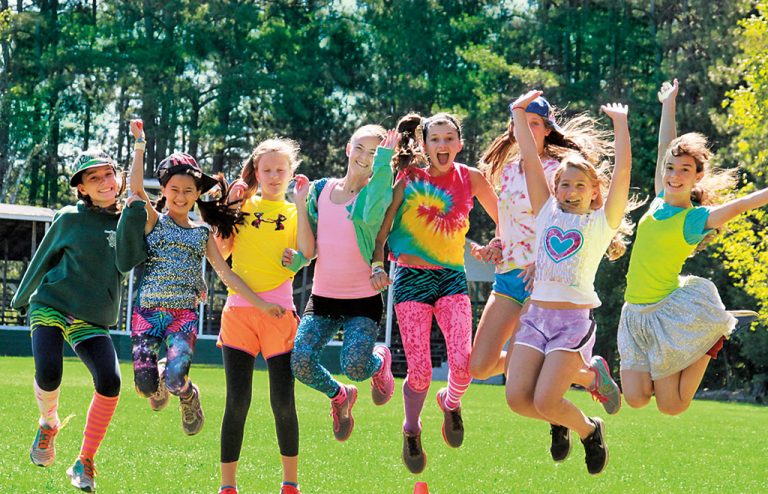
Summer camp is a supervised program where kids can make friends, try new activities, build independence, and enjoy a memorable summer experience through day camp, sleepaway camp, traditional camp, or specialty camp programs.
For many families, summer camp is one of childhood’s most meaningful experiences. It gives kids a chance to step outside their usual routine, meet new friends, explore new interests, and grow in a supportive environment.
But if you are new to the world of camp, you may be wondering: what is summer camp, exactly?
At its simplest, summer camp is a seasonal program for children and teens that offers structured activities, community living, outdoor play, skill-building, and personal growth. Some camps run during the day, while others offer overnight sessions where campers live in cabins, bunks, or dorm-style housing for part of the summer.
Every camp is a little different. Some focus on traditional outdoor fun. Others specialize in sports, arts, STEM, travel, leadership, faith-based programming, or academic enrichment. Still, most summer camps share one common goal: helping kids grow through fun, friendship, and new experiences.
What Is Summer Camp?

Summer camp is a supervised program designed for children and teenagers during the summer months. Campers take part in age-appropriate activities, spend time with peers, learn from trained staff, and enjoy a break from the structure of the school year.
For some families, summer camp means canoeing across a lake, sleeping in a cabin, and singing around a campfire. For others, it may mean a local day camp with sports, crafts, swimming, and games. Some camps are rustic and outdoorsy, while others offer specialized programs in theater, robotics, horseback riding, music, or competitive sports.
No matter the format, summer camp gives kids a place to try new things in a supportive setting. It also helps them practice independence, teamwork, resilience, and confidence.
A good camp experience is not just about keeping children busy. It is about helping them discover what they enjoy, who they are, and how they connect with others.
What Do Kids Do at Summer Camp?
Summer camp activities vary widely depending on the camp’s location, philosophy, facilities, and age group. However, most camps offer a mix of structured activities, free time, group traditions, and community-building moments.
Outdoor Activities
Many summer camps include outdoor activities that help kids enjoy nature and stay active. Campers may hike, swim, paddle, climb, explore trails, play field games, or learn outdoor living skills.
For children who spend much of the school year indoors, camp offers a refreshing change. It gives them room to run, explore, breathe fresh air, and build confidence outside the classroom.
Outdoor activities can also help kids develop patience and resilience. A camper might learn how to paddle a canoe, reach the top of a climbing wall, or finish a hike they were nervous to try. These small wins can make a big difference.
Sports and Waterfront Activities
Sports are a big part of many camp programs. Depending on the camp, kids may play soccer, basketball, tennis, baseball, volleyball, lacrosse, pickleball, archery, gymnastics, or other team and individual sports.
Waterfront activities are also common at many traditional camps. Campers may enjoy swimming, kayaking, canoeing, sailing, paddleboarding, tubing, fishing, or water games.
These activities are not always about competition. In many camps, the focus is on participation, skill-building, teamwork, and having fun. A child does not need to be the best athlete to enjoy sports at camp.
Arts, Music, and Creative Programs
Summer camp is also a wonderful place for creativity. Many camps offer arts and crafts, painting, ceramics, dance, theater, music, photography, woodworking, creative writing, or digital media.
Creative activities give kids a chance to express themselves in new ways. They may discover a hidden talent, gain confidence performing on stage, or simply enjoy making something with their hands.
For campers who may not feel drawn to sports, arts-based activities can be one of the most exciting parts of the camp day.
Cabin Life and Group Activities
At overnight camp, cabin life is often one of the most memorable parts of the experience. Campers live with a small group of peers and counselors, sharing daily routines like meals, cleanup, rest time, evening activities, and bedtime.
This shared experience helps kids practice communication, responsibility, compromise, and friendship. They learn how to be part of a group. They also learn that community often grows from small daily moments, like laughing at breakfast, helping a bunkmate, or cheering for a cabinmate during an activity.
Even at day camp, group life matters. Campers are usually placed in age-based groups where they move through activities together. This structure helps children feel known, included, and supported.
What Are the Main Types of Summer Camps?
There are many different types of summer camps, which is good news for families. It means there is likely a camp that fits your child’s age, personality, interests, and comfort level.
Day Camps
Day camps are programs where campers attend during the day and return home in the afternoon. These camps are often a great first step for younger children or families who want a local option.
Day camps may offer sports, swimming, crafts, nature activities, field trips, games, or specialty programming. They provide many of the social and developmental benefits of camp without the overnight stay.
For first-time campers, day camp can be a gentle introduction to the camp experience.
Overnight or Sleepaway Camps
Overnight camps, often called sleepaway camps, are programs where campers live at camp for a set period of time. Sessions may last a few days, one week, several weeks, or most of the summer.
At sleepaway camp, children take part in daily activities, eat meals with their camp community, sleep in cabins or bunks, and build close friendships with other campers.
This type of camp can be especially powerful for building independence. Campers learn how to manage daily routines, make choices, solve small problems, and spend time away from home in a caring environment.
Traditional Summer Camps
Traditional summer camps usually offer a broad mix of activities. A typical day might include swimming, sports, arts and crafts, outdoor adventure, music, campfires, and cabin activities.
These camps are ideal for children who want variety. They allow campers to try many different things instead of focusing on one specialty.
Traditional camps often place a strong emphasis on community, camp spirit, friendship, and long-standing traditions. For many campers, these traditions become the memories they carry for years.
Specialty Camps
Specialty camps focus on a specific interest or skill. These may include sports camps, theater camps, music camps, STEM camps, horseback riding camps, adventure camps, art camps, or leadership programs.
Specialty camps can be a great fit for kids who already have a strong interest in one area. They can also help children deepen their skills while still enjoying the social benefits of camp.
Some specialty camps are highly focused, while others combine specialty instruction with classic camp activities.
Faith-Based, Academic, and Special Needs Camps
Some camps are built around a specific mission, support structure, or learning environment. Faith-based camps may include spiritual reflection, values-based programming, or religious traditions. Academic camps may focus on enrichment, study skills, language learning, or college preparation.
There are also camps designed for children with specific medical, emotional, developmental, or physical needs. These programs often provide additional support, trained staff, adaptive activities, and a community where campers can feel understood.
The right camp is not always the biggest or most well-known one. It is the one that fits your child best.
What Are the Benefits of Summer Camp?
Summer camp can be fun, but its value goes far beyond fun. A strong camp experience can help children grow socially, emotionally, and personally.
Camp Builds Independence
One of the biggest benefits of summer camp is independence. At camp, children make daily choices, follow routines, care for their belongings, and try things without a parent right beside them.
This does not mean they are on their own. Campers are supported by counselors, activity leaders, directors, and other staff members. Still, they get space to practice responsibility in a safe and encouraging setting.
For many kids, camp is one of the first places where they realize, “I can do this.”
Camp Helps Kids Make Friends
Camp creates natural opportunities for friendship. Campers eat meals together, play games, share activities, cheer each other on, and spend time in groups.
Because camp is separate from school, it can give children a fresh social start. They are not locked into the same classroom dynamics or friend groups. They can meet people from different towns, states, or even countries.
Many campers form friendships that last long after summer ends.
Camp Encourages Kids to Try New Things
Summer camp gives children permission to be beginners. A camper might try archery for the first time, step onto a stage, swim across the lake, learn a song, or sleep away from home.
Trying new things can help kids become more flexible and confident. Even when something feels challenging, they learn that growth often begins with giving it a try.
This is one of the reasons camp can be so meaningful. It helps children stretch beyond what feels familiar.
Camp Supports Confidence and Resilience
Confidence often grows through experience. At camp, kids have chances to work through nerves, solve problems, build skills, and celebrate progress.
A child may not master every activity. They may miss home, lose a game, struggle with a new skill, or feel unsure at first. With the right support, those moments become part of the growth process.
Camp teaches kids that they can handle more than they thought.
Camp Gives Kids a Healthy Break From Screens
Many families appreciate that summer camp offers a break from phones, tablets, video games, and constant digital noise. Some camps limit technology, while others have screen-free policies during the session.
This can help campers be more present. They spend more time outdoors, talk face-to-face, move their bodies, and engage with the world around them.
For many kids, that reset is refreshing.
Is Summer Camp Good for First-Time Campers?
Yes, summer camp can be a wonderful experience for first-time campers, especially when families choose the right type of program.
Not every child needs to start with a long overnight session. Some campers do best with day camp first. Others may be ready for a short sleepaway session. Some older kids may jump right into a longer program and thrive.
When deciding what is best, consider your child’s age, maturity, personality, interests, and comfort with being away from home. A child who enjoys group activities and sleepovers may be ready for overnight camp sooner. A child who is more cautious may benefit from a local day camp or shorter session.
It is also helpful to talk with the camp director. Camp leaders are used to supporting new campers and can explain how they help children adjust.
A little nervousness is normal. In fact, many first-time campers feel both excited and unsure before they arrive. With caring staff and a welcoming environment, those early nerves often turn into confidence.
How to Choose the Right Summer Camp for Your Child
Choosing a summer camp can feel overwhelming at first, but it becomes easier when you focus on your child’s needs and your family’s goals.
Start by asking a few simple questions.
What kind of environment would help your child thrive? Would they enjoy a traditional camp with many activities, or would they prefer a specialty camp focused on one interest? Are they ready for overnight camp, or would day camp be a better fit? How far from home feels comfortable for your family?
Once you understand the basic fit, look more closely at the camp itself.
Consider the camp’s philosophy, staff training, safety practices, communication style, session length, activity options, and age group. You may also want to ask about supervision, homesickness support, medical care, food, cabin placement, and how the camp handles camper concerns.
Many families also look for camps accredited by the American Camp Association. ACA accreditation can offer added reassurance because accredited camps follow a detailed review process related to health, safety, staffing, supervision, transportation, and program quality.
Most importantly, choose a camp where your child can feel supported, encouraged, and excited to participate.
A Brief History of Summer Camp in America
Summer camp has a long tradition in the United States. Early camps were often built around outdoor living, physical activity, character development, and a break from city life.
Over time, camp evolved. Traditional sleepaway camps remained popular, but new types of programs began to grow. Families could choose from day camps, sports camps, arts camps, academic camps, adventure camps, travel programs, and camps designed for specific communities or needs.
Today, summer camp is more varied than ever. Some camps still feel rustic and traditional, with cabins, campfires, lake swims, and color war. Others offer modern facilities, specialized instruction, and highly focused programs.
Even with all that variety, the heart of camp has stayed the same. Summer camp gives kids a place to belong, explore, grow, and make memories.
What Should Parents Expect From Summer Camp?
Parents should expect summer camp to be structured, supervised, and community-focused. A good camp will have clear routines, trained staff, age-appropriate activities, and systems for keeping campers safe and supported.
For overnight camp, parents should also expect their child to gain more independence. That can feel emotional at first, especially for families new to camp. However, this independence is often one of the most valuable parts of the experience.
Campers may come home with new songs, new stories, new skills, and new confidence. They may talk about their cabinmates, counselors, favorite activities, funny traditions, or the challenge they were proud to overcome.
Summer camp is not about creating a perfect experience every second. It is about giving kids a safe, joyful place to grow.
Frequently Asked Questions About Summer Camp
The purpose of summer camp is to give children a fun, supervised environment where they can make friends, try new activities, build confidence, and grow more independent. Camp also helps kids practice teamwork, communication, and resilience.
The best age for summer camp depends on the child and the type of program. Many day camps welcome younger children, while overnight camps often serve campers from early elementary school through the teen years.
Day camp allows campers to return home each afternoon. Sleepaway camp, also called overnight camp, allows campers to live at camp for a session and take part in a full camp community experience.
Kids often learn independence, confidence, teamwork, communication, problem-solving, and leadership. They also learn practical skills through activities like swimming, sports, arts, outdoor adventure, and cabin life.
No. Many camps include outdoor activities, but summer camps can also focus on sports, arts, STEM, academics, theater, music, faith-based programming, travel, or other specialty areas.
To choose the right summer camp, start with your child’s age, interests, personality, and comfort level. Then compare each camp’s structure, staff training, safety practices, session length, activities, and overall philosophy.
Yes, the right summer camp can be very helpful for shy children. A supportive camp environment can help them make friends gradually, build confidence, and feel included without pressure to become someone they are not.
Find the Right Summer Camp for Your Child
Summer camp can be one of the most rewarding experiences of childhood. It gives kids space to have fun, make friends, build confidence, and discover new parts of themselves.
Whether your child is ready for a traditional sleepaway camp, a local day camp, or a specialty program built around their interests, the right fit can make all the difference.
American Summer Camps helps families explore trusted camp options across the United States. From classic overnight camps to programs with unique specialties, we can help you find a summer experience your child will remember for years to come.
