


Visiting Day at summer camp is your chance to step into your child’s world—see where they live, meet their counselors, and experience camp through their eyes. With a little preparation and the right mindset, it can be a meaningful, reassuring moment that supports your child’s independence rather than disrupting it.
Visiting Day at summer camp is one of the most anticipated moments of the summer—for both parents and campers. It’s your chance to step into your child’s world, meet the people caring for them, and see firsthand how they’re growing.
But it can also come with questions: What should you expect? How should you prepare? And how do you handle the emotional side of saying goodbye again?
This guide walks you through everything you need to know so you can approach Visiting Day with confidence—and make it a positive experience for both you and your camper.
What Is Visiting Day at Summer Camp?
Visiting Day is a scheduled day during the camp session when families are invited to visit their child at camp. Depending on the camp, it may last a few hours or most of the day.
While every camp runs things a little differently, most Visiting Days include:
- Time to explore camp facilities
- Opportunities to meet counselors and staff
- Activities you can participate in together
- Shared meals or picnic-style lunches
- A chance to see your child in their camp environment
At its core, Visiting Day is about connection—giving you a window into your child’s summer experience.
Why Visiting Day Matters

For parents, Visiting Day offers something that can be hard to get from letters or photos alone: real reassurance. You get to step into your child’s day-to-day environment—see where they sleep, where they eat, who they spend time with—and understand how they’re truly settling in. It turns the unknown into something tangible, and often, much more comforting than expected.
It’s also a chance to build trust in the experience. Meeting counselors, seeing the routines, and observing the atmosphere firsthand helps you feel confident that your child is supported, safe, and thriving.
For campers, Visiting Day is something entirely different—it’s a moment of pride.
They get to show you:
- Their cabin
- Their favorite activities
- Their new friendships
But more than that, they get to show you who they are becoming at camp.
You might notice small shifts—greater confidence, stronger social skills, a sense of ownership over their environment. They’re no longer just your child in a new place; they’re someone who has built a world of their own.
It’s often one of the first times you truly see their independence in action—not just hear about it.
And that’s the deeper value of Visiting Day. It’s not just about checking in or making sure everything is “okay.” It’s about witnessing growth as it’s happening, and recognizing the ways your child is stretching, adapting, and becoming more self-reliant.
For many parents, it’s a subtle but powerful shift—from wondering how their child is doing, to seeing just how capable they really are.
What to Expect on Visiting Day

While schedules vary by camp, most Visiting Days follow a similar rhythm. Knowing what the day might look like ahead of time can help you feel more relaxed—and allow you to focus on enjoying the experience rather than figuring things out in the moment.
Arrival and Check-In
You’ll likely check in at a central location before heading to your child’s cabin or meeting area. This is usually organized and efficient, but it can feel a little busy at first as families arrive at the same time.
Once you’re through check-in, things tend to slow down quickly. You’ll reunite with your child—often an exciting, high-energy moment—and begin settling into the day together.
Camper-Led Tours
Many campers love showing their parents around. Expect a guided tour of:
- Cabins
- Activity areas
- Favorite hangout spots
This is often one of the most meaningful parts of the day. Your child isn’t just showing you places—they’re sharing their world.
Let your child take the lead here. Even if the tour feels a little unstructured or rushed, it’s part of how they express ownership over their experience.
Activities Together
Some camps offer structured activities (sports, arts, waterfront), while others allow more free time.
You might find yourselves jumping into a game, watching an activity, or simply sitting and talking. There’s no “right” way to spend this time—the goal is connection, not productivity.
If your child seems eager to show you something specific, lean into that. If they just want to relax with you, that’s equally valuable.
Shared Meals
Lunch is often included, either in the dining hall or as an outdoor picnic. This is a great opportunity to see camp culture in action—how campers interact, how meals are run, and what daily life feels like.
It’s also one of the more natural times to connect with your child without any pressure or agenda.
Saying Goodbye
This is often the most emotional part of the day—for both parents and campers.
Even children who have been thriving can feel a wave of emotion when it’s time for parents to leave. This is completely normal.
Keeping your goodbye calm, confident, and relatively brief helps your child transition back into camp life more smoothly. A simple reassurance—”You’re doing great, and we’ll see you soon”—goes a long way.
Most campers re-engage quickly once the day ends, even if the goodbye felt tough in the moment.
What to Bring on Visiting Day
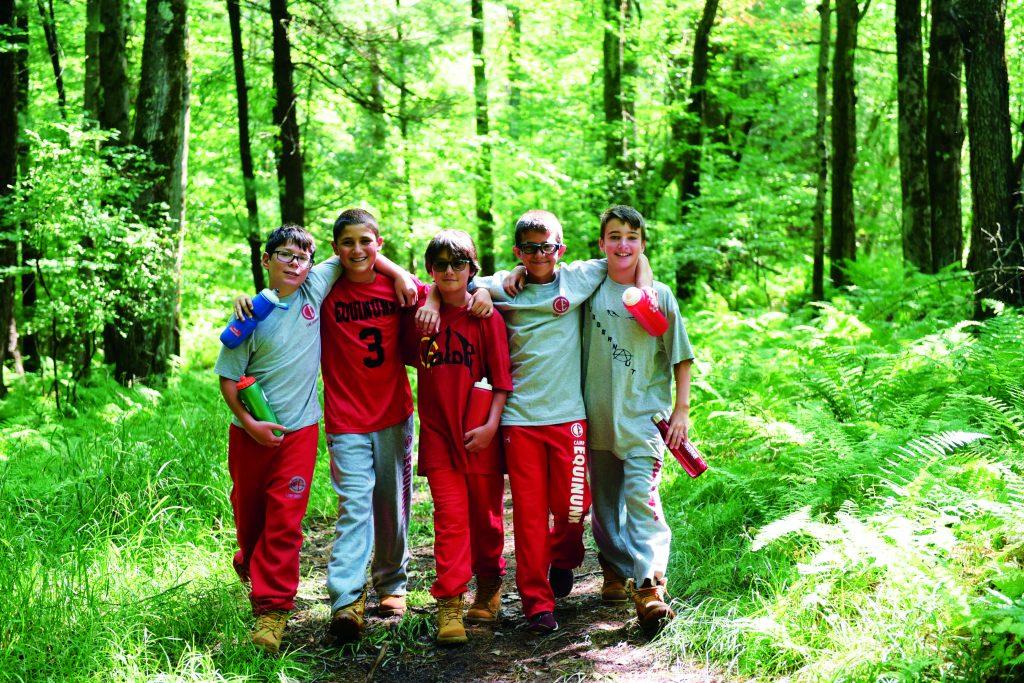
Packing thoughtfully can make the day smoother without overwhelming your child.
Consider bringing:
- Comfortable clothes and shoes
- A camera or phone for photos
- Letters or small personal notes from home
- Snacks (if allowed by the camp)
- Any pre-approved essentials your child may need
Try to avoid bringing large gifts or excessive treats. Keeping things simple helps maintain the camp routine and avoids unnecessary distractions.
Visiting Day Tips for Parents
A little preparation goes a long way. Visiting Day isn’t about doing everything “right”—it’s about showing up in a way that supports your child’s experience, not unintentionally disrupting it. Here are some practical ways to make the most of your visit:
1. Let Your Child Lead the Day
Follow their energy and interests. If they want to show you everything—or just relax together—go with it.
This is one of the few times they get to be the “host” in their own environment. Letting them guide the day reinforces their confidence and sense of independence.
2. Ask Open-Ended Questions
Instead of “Are you having fun?”, try:
- “What’s been your favorite part so far?”
- “Who have you been spending time with?”
- “What surprised you most about camp?”
These types of questions invite real conversation and help your child reflect on their experience, rather than defaulting to one-word answers.
3. Meet the Counselors
Take a moment to connect with the staff. It builds trust and gives you insight into your child’s daily experience.
A quick conversation can tell you a lot—how your child is adjusting, what they’re enjoying, and how they’re interacting with others. It also helps put names and faces to the people your child talks about.
4. Stay Present
Photos are great, but don’t spend the whole day behind your phone. Being fully there matters more.
Your child will remember how it felt to spend time with you—not how many photos you took. Capture a few moments, then put your phone away.
5. Keep the Routine in Mind
Remember that camp has its own rhythm. Respecting that helps your child transition smoothly after you leave.
Avoid making big changes to their schedule or pulling them too far out of their normal routine—it can make the return to camp life feel harder.
6. Be Positive About the Experience
Even if something feels unfamiliar, frame it positively. Your reaction shapes how your child feels.
If you show confidence in the environment and the experience, your child is far more likely to feel secure and continue engaging fully after you leave.
7. Keep Goodbyes Short and Reassuring
Long, emotional farewells can make things harder. A calm, confident goodbye goes a long way.
Instead of lingering, keep it simple and supportive. Let your child know you’re proud of them and excited to hear more when camp ends.
8. Avoid Overloading the Day
It can be tempting to try to fit everything in—but Visiting Day doesn’t need to be packed to be meaningful.
Give yourselves space to just sit, talk, and enjoy each other’s company. Often, those quieter moments are what your child will remember most.
9. Don’t Read Too Much Into Small Moments
If your child seems quieter than expected or briefly emotional, it doesn’t mean something is wrong.
Visiting Day can bring up mixed feelings. Trust the bigger picture of their experience rather than reacting to one moment.
10. Leave on a Note of Confidence
How you leave matters. If you’re calm and confident, your child will take that cue with them.
A simple message like, “You’re doing great—we’re so happy for you,” reinforces their independence and helps them settle back into camp life more easily.
What NOT to Do on Visiting Day
Sometimes what you avoid matters just as much as what you do.
Try not to:
- Overpack gifts or treats
- Compare your child’s experience to others
- Criticize camp conditions in front of your child
- Promise early pickup or changes to their stay
- Prolong the goodbye
These moments can unintentionally disrupt your child’s sense of independence and adjustment.
The Emotional Side of Visiting Day
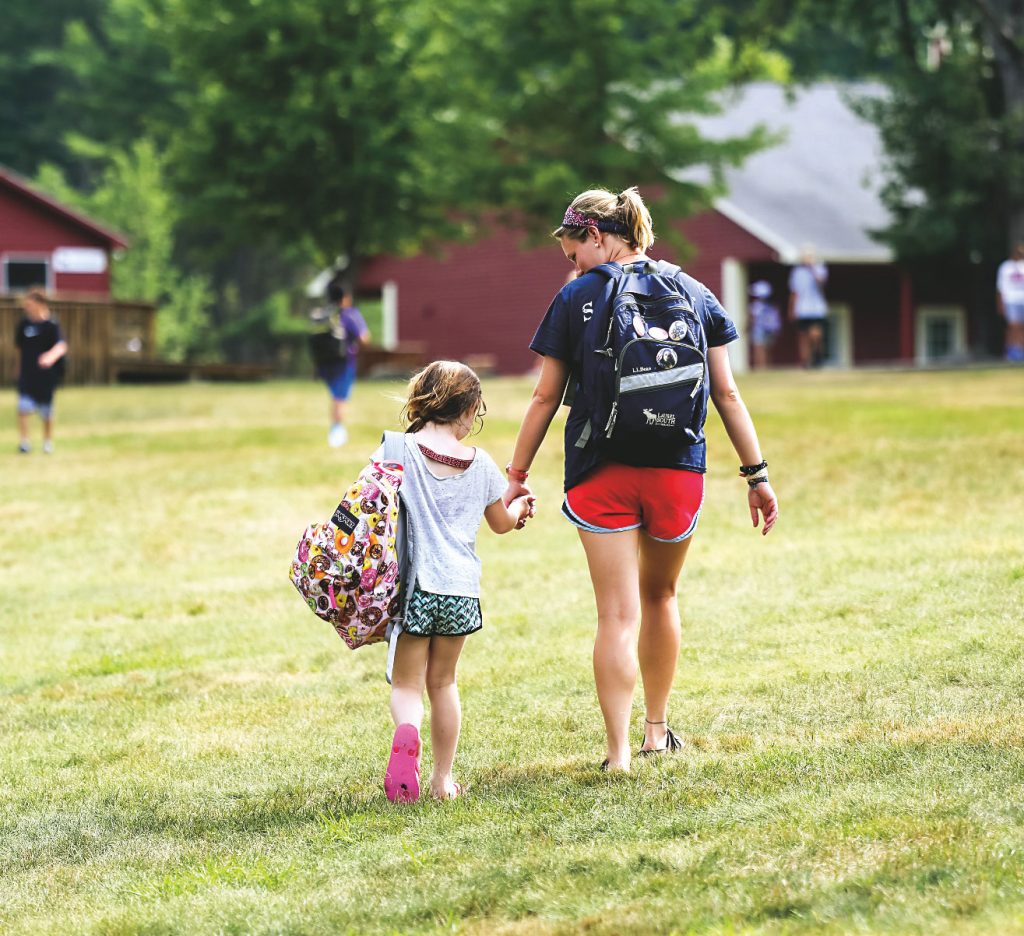
It’s completely normal for Visiting Day to bring up strong emotions.
You may notice:
- Excitement when you arrive
- A deeper connection during the visit
- Sadness or hesitation when it’s time to leave
For some campers, goodbyes can trigger a temporary wave of homesickness—even if they’ve been doing well.
This doesn’t mean camp isn’t working. In fact, it often means the opposite.
Your child is balancing two worlds:
- Their growing independence at camp
- Their connection to home
The best thing you can do is:
- Stay calm
- Be reassuring
- Show confidence in their ability to continue
Most campers settle back in quickly after Visiting Day ends.
A Sample Visiting Day Schedule
While every camp is different, a typical day might look like:
- 10:00 AM – Arrival and check-in
- 10:30 AM – Meet your camper + cabin tour
- 11:30 AM – Activities together
- 1:00 PM – Lunch
- 2:00 PM – Free time / exploration
- 3:00 PM – Goodbye and departure
Having a general idea of the flow can help you feel more prepared.
Frequently Asked Questions about Summer Camp Visiting Day
If the camp offers Visiting Day, it’s usually designed to be a positive experience. Most families find it reassuring and meaningful.
This is very common. Keep your goodbye calm and confident—most campers bounce back quickly.
Check with the camp first. Many camps have guidelines to keep things fair and manageable.
It varies by camp, but most last a few hours to a full day.
Some camps allow it, others don’t. Always follow camp policies to maintain consistency for all campers.
Making the Most of Visiting Day
Visiting Day is a unique moment in the summer—a chance to step into your child’s world and see them growing in real time.
It’s not about evaluating every detail or making big changes.
It’s about connection, reassurance, and perspective.
When you approach it with openness and trust, Visiting Day becomes more than just a visit.
It becomes a glimpse of who your child is becoming.
