

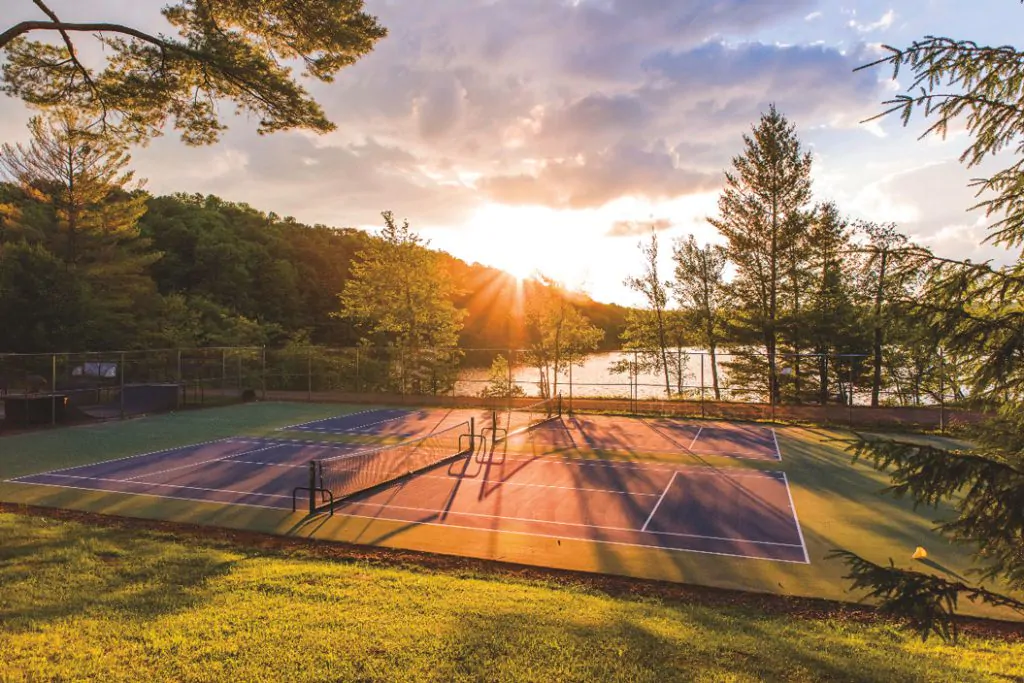
Summer camp facilities play a major role in your child’s safety, comfort, and overall experience, from clean cabins and dining halls to safe waterfronts, health centers, and activity spaces.
Choosing a summer camp is about more than finding a fun activity list. For many parents, the bigger question is whether their child will feel safe, comfortable, supported, and ready to enjoy the experience.
That is where summer camp facilities matter.
A camp’s cabins, bathrooms, dining hall, activity areas, waterfront, health center, and outdoor spaces all shape daily life at camp. They affect how well campers sleep, eat, play, learn, and settle into a new environment. Strong facilities do not need to be fancy, but they should be clean, safe, well-maintained, and designed with kids in mind.
For first-time camp families especially, understanding what to look for can make the decision feel much easier. Here is what parents should know when evaluating summer camp facilities.
Why Summer Camp Facilities Matter
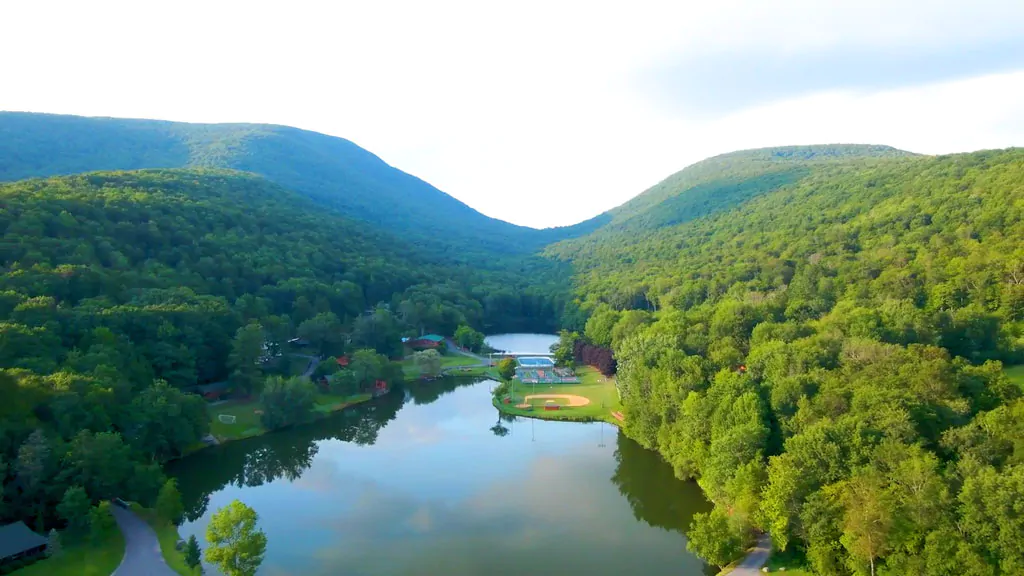
Great summer camp facilities help create the foundation for a safe and positive camp experience. Campers spend their days moving between bunks, meals, activities, rest periods, and evening programs. When each space is thoughtfully designed and cared for, children can relax into the rhythm of camp.
Facilities also influence how confident campers feel. A clean cabin can make bedtime easier. A welcoming dining hall can help nervous campers connect with new friends. A well-equipped health center can give parents peace of mind. Safe activity spaces allow campers to try new things without unnecessary risk.
In other words, camp facilities are not just background details. They are part of the experience.
The best camps use their facilities to support independence, community, adventure, and care. They create spaces where kids can be active, social, creative, and comfortable, while still feeling looked after by trained staff.
What Makes Great Summer Camp Facilities?
Every camp looks different. Some have rustic cabins and lakeside docks. Others have updated bunks, indoor studios, sports courts, and large dining halls. The “best” facilities are not always the newest or most polished. What matters most is whether the spaces are safe, clean, functional, and aligned with the camp’s program.
Here are the key areas parents should consider.
Clean, Comfortable Cabins
For overnight campers, the cabin is their home base. It is where they sleep, unpack, laugh with bunkmates, write letters home, and wind down after full days of activities.
A strong cabin setup should feel simple, safe, and comfortable. Parents should look for cabins that are clean, well-ventilated, and age-appropriate. Sleeping areas should have enough space for campers and their belongings. Bunks should be sturdy, and bathrooms should be nearby or easy to access.
Cabin supervision also matters. At most overnight camps, counselors live in or near camper cabins. This helps campers feel supported during bedtime, wake-up, rest hour, and any moments of homesickness.
Good cabin facilities can make a big difference for younger campers or children attending camp for the first time. When kids feel settled in their living space, they are more likely to feel confident throughout the rest of the day.
What Parents Can Ask About Cabins
Before choosing a camp, parents may want to ask:
- How many campers sleep in each cabin?
- Where do counselors sleep?
- Are bathrooms inside the cabin or nearby?
- How often are cabins and bathrooms cleaned?
- Is there storage space for clothing and personal items?
- How does the camp handle nighttime needs or homesickness?
These questions can help parents picture what daily life will actually look like.
Safe Waterfronts and Pools
For many campers, the waterfront is one of the most exciting parts of camp. Swimming, boating, paddleboarding, canoeing, kayaking, and lake games can become favorite memories. However, waterfront areas also require careful supervision and strong safety systems.
If a camp has a lake, pool, or boating area, parents should ask how water activities are managed. A safe waterfront should have trained staff, clear swim areas, maintained docks, and rules that campers understand. Camps should also have systems for swim checks, buddy checks, life jackets, and weather-related decisions.
A well-run waterfront gives campers the freedom to enjoy the water while keeping safety at the center. This balance is especially important for campers who are still building confidence as swimmers.
Parents should also consider whether the waterfront supports different comfort levels. Some campers love jumping into the lake on day one. Others may need gentle encouragement and beginner-friendly activities. A good camp environment makes room for both.
Activity Areas Built for Exploration
One of the biggest benefits of summer camp is the chance to try new things. Campers may arrive interested in soccer or arts and crafts, then leave with a new love for archery, theater, sailing, climbing, dance, nature, or woodworking.
Strong activity facilities help make that possible.
The best summer camp facilities often include a mix of outdoor and indoor spaces. These may include sports fields, basketball courts, tennis courts, ropes courses, art studios, music rooms, nature trails, performance spaces, STEM areas, gardens, animal care areas, or adventure courses.
Dedicated activity spaces help campers learn safely and confidently. For example, an archery range should be clearly marked and supervised. A climbing wall should have proper equipment and trained instructors. An arts studio should have organized materials and enough workspace for campers to create.
Facilities also help camps offer variety. When a camp has well-maintained program areas, campers can explore different interests and build new skills throughout the session.
That variety is part of what makes camp so powerful. Children get the chance to discover who they are outside of school, screens, and their regular routine.
A Well-Equipped Health Center
A camp health center is one of the most important facilities for parent peace of mind. Campers may need help with medications, allergies, minor injuries, stomachaches, bug bites, sunscreen reminders, or moments when they simply do not feel like themselves.
A good health center should be clean, organized, and easy for campers to access. It should have a clear system for medication storage and distribution. It should also have space for campers to rest if they are feeling unwell.
Parents should ask who staffs the health center and how medical concerns are handled. Some camps have nurses on-site. Others may have additional medical professionals or nearby healthcare partnerships. What matters is that the camp has a clear health plan and knows how to communicate with families when needed.
This is especially important for children with allergies, asthma, chronic conditions, dietary needs, or daily medications. Before camp begins, parents should share health information clearly and ask how the camp supports those needs.
A strong health center helps campers get care quickly, return to activities when ready, and feel supported throughout their stay.
Dining Halls That Support Camper Well-Being
The dining hall is more than a place to eat. It is one of the main gathering spaces at camp.
Campers share meals, sing songs, celebrate birthdays, hear announcements, and connect with their cabin groups. For many kids, the dining hall becomes one of the most social parts of the day.
Because meals are so central to camp life, dining facilities matter. A good camp dining hall should be clean, organized, and able to serve balanced meals to active campers. Food should be kid-friendly while still offering enough variety to support different preferences and needs.
Parents should also ask about food allergies and dietary accommodations. Camps should have a clear process for handling allergies, avoiding cross-contact when needed, and helping campers understand what they can safely eat.
Hydration is another important part of camper wellness. Active summer days can be hot, and campers need regular access to water. Dining halls, water stations, and activity areas should support good hydration habits.
When campers eat well and drink enough water, they are better prepared for full days of fun.
Bathrooms, Showers, and Hygiene Spaces
Bathrooms and showers may not be the most glamorous part of camp, but they matter to campers and parents alike.
Clean, accessible hygiene spaces help children feel comfortable and cared for. They also support healthy routines during busy camp days. Campers need places to brush teeth, shower, change clothes, wash hands, and manage personal care with privacy and dignity.
Parents should ask how bathrooms and showers are arranged. Some camps have bathrooms inside cabins. Others use shared bathhouses. Either model can work well if the facilities are clean, supervised appropriately, and maintained consistently.
Younger campers may need more reminders and support with hygiene routines. A thoughtful camp staff will help campers build independence while still keeping daily care on track.
Outdoor Spaces That Encourage Adventure
Camp is often at its best outdoors. Open fields, wooded trails, lakes, fire circles, gardens, and gathering spaces help create the feeling of being away from everyday life.
Outdoor facilities give campers room to move, explore, and connect with nature. They also support some of the most memorable parts of camp, such as campfires, evening programs, nature walks, cabin challenges, and all-camp games.
Parents do not need to look for a perfectly manicured campus. In fact, many wonderful camps have a rustic, natural feel. The key is whether outdoor spaces are safe, maintained, and used intentionally.
Trails should be marked. Play areas should be checked. Fire circles should be supervised. Equipment should be stored and maintained properly. The outdoor environment should feel adventurous without feeling careless.
Great outdoor spaces help kids unplug, build confidence, and enjoy the simple magic of summer.
Safety Features Parents Should Notice
When touring a camp or reviewing photos online, parents should look beyond how beautiful the facilities appear. Safety systems are just as important.
Strong summer camp facilities often include:
- Clear paths between major camp areas
- Well-maintained buildings and activity spaces
- Safe lighting where needed
- Emergency plans for severe weather
- Supervised waterfronts and pools
- Secure medication storage
- Clean bathrooms and handwashing areas
- Age-appropriate equipment
- Staff presence in camper living areas
- Communication systems for emergencies
Parents can also ask how often facilities are inspected, repaired, and updated. A camp does not need to be luxurious, but it should be cared for with consistency.
Do Better Facilities Mean a Better Camp?
Not always.
Beautiful facilities can be a wonderful benefit, but they do not automatically create a great camp experience. The heart of camp is still the people, culture, supervision, and program quality.
A camp with simple cabins and a strong community may be a better fit than a camp with impressive buildings but little warmth. The best choice is the camp where your child will feel safe, included, encouraged, and excited to participate.
That said, facilities do matter. They shape the environment where the camp experience happens. Strong facilities support good routines, safe activities, healthy meals, restful sleep, and meaningful connection.
The goal is not to find the fanciest camp. The goal is to find a camp with facilities that support your child’s needs and the kind of experience you want them to have.
How to Evaluate Facilities Before Choosing a Camp
Parents can learn a lot about camp facilities before enrolling. Start by reviewing the camp’s website, photos, videos, and parent resources. Look for images of cabins, bathrooms, dining areas, activity spaces, waterfronts, and health facilities.
Then, go deeper. Ask questions during a call or tour. A good camp should be happy to explain how its facilities work and how they support camper care.
You can also pay attention to how the camp talks about safety, supervision, cleanliness, and daily routines. Clear communication is often a good sign. It shows that the camp understands what parents need to know.
If your child has specific needs, ask about those directly. This may include allergies, mobility needs, medication routines, anxiety, sensory sensitivities, or dietary restrictions. The right camp will be honest about what it can support.
Finding the Right Camp Environment for Your Child
Summer camp facilities are one piece of a much bigger picture. The right camp should offer a setting where your child can feel safe, included, challenged, and excited to grow.
For some children, that may mean a traditional overnight camp with rustic cabins, a lake, sports fields, and campfire circles. For others, it may mean a camp with specialized studios, updated bunks, or a program focused on a specific interest.
There is no single perfect version of camp. There is only the right fit for your child.
At American Summer Camps, we help families explore camp options across the United States. Our partner camps offer a wide range of programs, facilities, and environments, making it easier to find a summer experience that matches your child’s personality, interests, and needs.
Whether you are looking for strong safety systems, beautiful outdoor spaces, exciting activity areas, or a warm cabin community, the right camp can help your child enjoy a summer full of confidence, friendship, and adventure.
Frequently Asked Questions about Summer Camp Facilities
A good summer camp should have clean cabins or living spaces, safe bathrooms, a dining hall, activity areas, outdoor spaces, and access to health care. Overnight camps should also have clear supervision systems and emergency procedures.
Summer camp facilities affect a child’s safety, comfort, hygiene, confidence, and overall experience. When campers feel secure in their environment, they are more likely to participate, make friends, and enjoy camp.
Parents should look for clean, well-maintained cabins with safe sleeping arrangements, proper ventilation, storage space, and nearby bathroom access. Counselor supervision is also important, especially for younger campers.
Yes. If a camp has a lake, pool, or boating area, parents should ask about lifeguards, swim checks, life jackets, dock safety, and emergency procedures. A well-supervised waterfront can be one of the best parts of camp.
A tour can be very helpful, especially for first-time camp families. It gives parents and campers a better feel for the cabins, dining hall, activity areas, health center, and overall camp environment.
Not always. Great facilities help, but the best camp is one with strong staff, safe routines, meaningful activities, and a culture where your child feels comfortable. The goal is to find the right fit, not just the fanciest campus.
Start by looking at photos, videos, and facility descriptions online. Then ask direct questions about cabins, bathrooms, meals, health care, activity spaces, waterfront safety, and cleaning routines.
