Types of Summer Camps
Choosing the right type of summer camp is one of the most important decisions families make when planning a child’s summer. With so many options available—ranging from traditional sleepaway experiences to highly specialized programs—it can feel overwhelming at first. This section is designed to simplify that process by breaking down the different types of camps available across the country. Whether you’re just beginning your research or narrowing down specific options, understanding how camps are categorized will help you quickly identify the best fit for your child’s interests, personality, and goals.
What are the main types of summer camps?
Summer camps generally fall into a few core categories: sleepaway (or resident) camps, day camps, full-season camps, session-based camps, and specialty camps focused on specific activities like sports, arts, or STEM. Sleepaway camps provide an immersive, overnight experience where campers live on-site for one or more weeks, while day camps allow children to return home each evening. Full-season camps run for most or all of the summer, whereas session-based camps offer shorter, flexible enrollment periods. Specialty camps, meanwhile, center around skill-building in a particular area, offering a more focused experience.
Find The Right Camp For Your Child
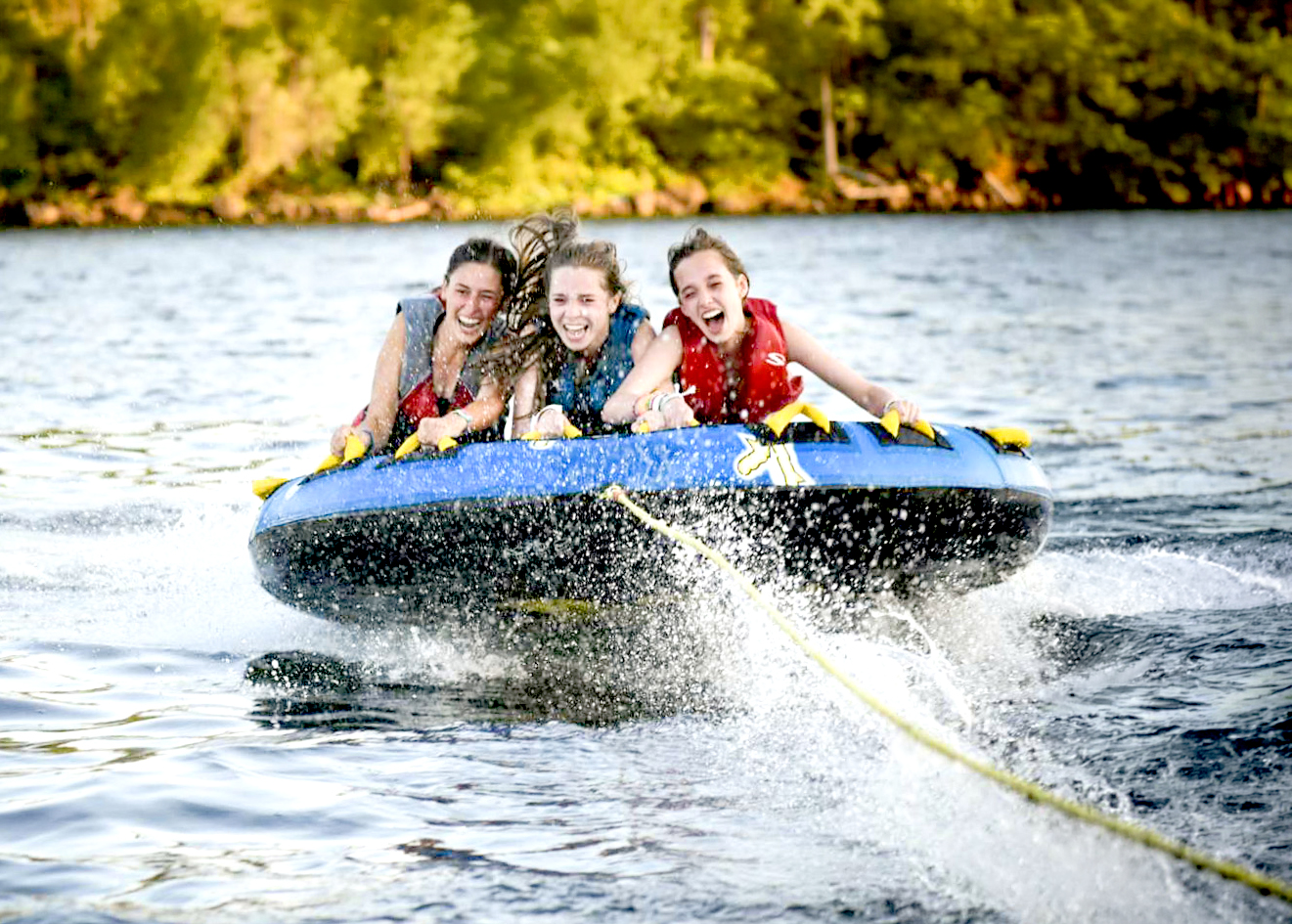
How do I choose between sleepaway camp and day camp?
The decision often comes down to your child’s readiness for independence and your family’s schedule. Sleepaway camps are ideal for kids who are excited about overnight adventures, building independence, and forming deep social connections. Day camps, on the other hand, are a great choice for younger children or those who prefer the comfort of home each night while still enjoying structured activities and social interaction during the day. Both formats offer valuable growth opportunities—it’s simply a matter of what environment will help your child thrive.
What is the difference between full-summer camps and session-based camps?
Full-summer camps offer a continuous experience that can last anywhere from four to eight weeks, creating a strong sense of community and tradition. Session-based camps break the summer into shorter segments, typically one to three weeks each, giving families more flexibility in scheduling vacations or trying multiple programs. If your child is new to camp, a shorter session can be a great introduction, while returning campers often enjoy the deeper relationships and routines that come with a full-season commitment.
Are specialty camps better than traditional camps?
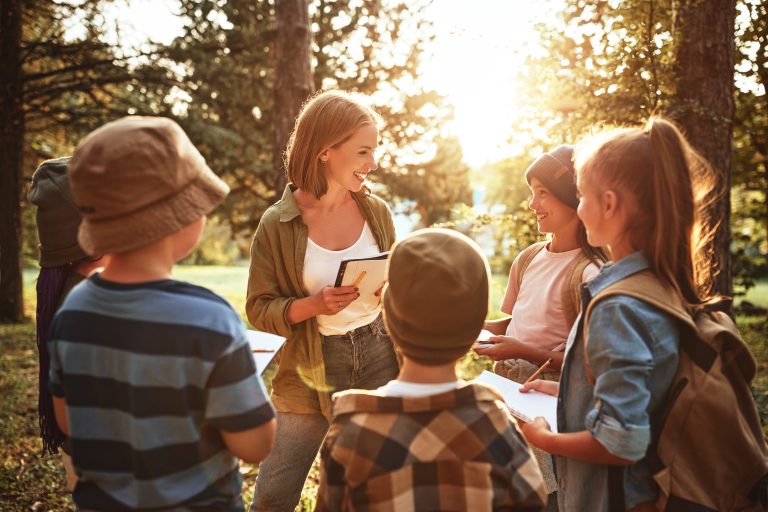
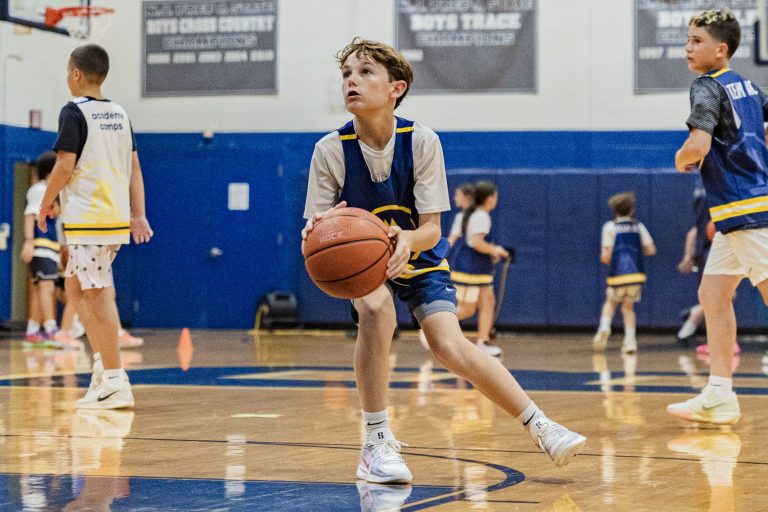
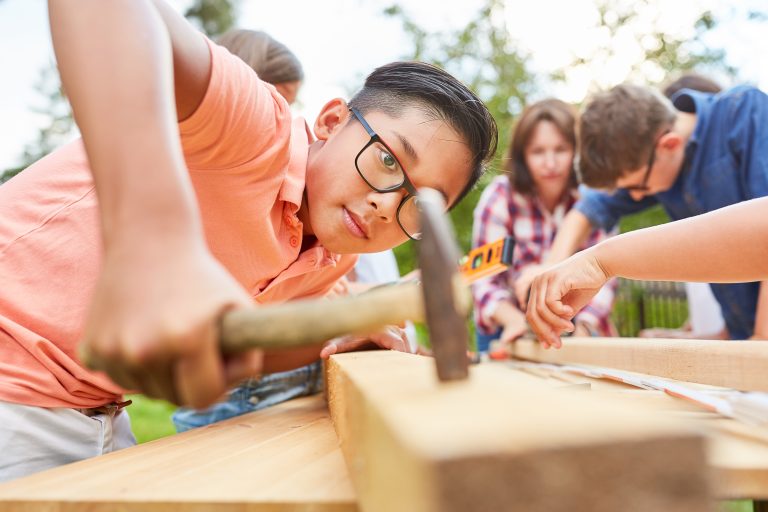
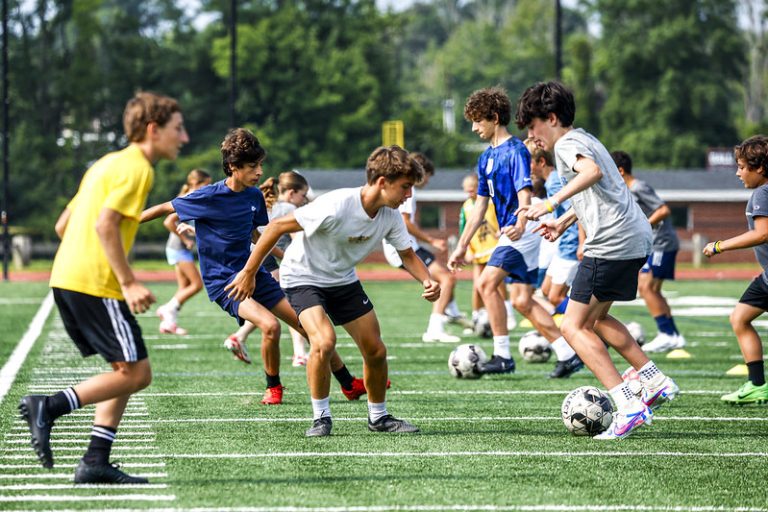
Not necessarily—it depends on your child’s interests and goals. Traditional camps provide a well-rounded experience with a mix of activities like swimming, hiking, arts and crafts, and team sports. Specialty camps focus more intensively on a particular passion, such as soccer, coding, theater, or science. For kids with strong interests or talents, specialty camps can offer deeper skill development. However, many families find that a balanced, traditional camp experience helps children discover new interests they might not otherwise explore.
What should parents consider when comparing different camp types?
Beyond the basic structure of the camp, it’s important to consider factors like your child’s personality, prior camp experience, social comfort level, and specific interests. Some children thrive in highly structured, goal-oriented environments, while others prefer a more relaxed, exploratory atmosphere. Location, duration, staff experience, and camper-to-counselor ratios also play a role. By understanding the different types of camps and how they align with your child’s needs, you can make a more confident and informed decision.
Exploring the various types of summer camps is the first step toward finding a program where your child will feel comfortable, engaged, and excited to return each day—or year. As you browse the resources in this section, you’ll find detailed guides on each category to help you dive deeper into what makes each camp unique. The goal isn’t just to choose a camp, but to find the right environment where your child can grow, build friendships, and create lasting memories.