

Looking for the best summer camps in Massachusetts for 2027? This guide highlights ASC partner camps, including overnight programs in the Berkshires and day camp in Sharon. Explore different camp communities, compare programs, and find an experience that fits your child’s interests, age, and readiness.
Enter your Email Address for personalized recommendations and summer camp resources.
Summer in Massachusetts gives children plenty of reasons to head outdoors. In the Berkshires, wooded hills and lakes provide the setting for days filled with swimming, sports, creative projects, and outdoor adventure. For families looking closer to Boston, day camp offers its own summer rhythm, with activities and friendships to look forward to each morning and stories to bring home at night.
At Massachusetts sleepaway camps, the experience continues well beyond the afternoon’s activities. Children get to know their cabinmates over meals, join evening programs, and become part of traditions that returning campers look forward to all year. Along the way, they have opportunities to try unfamiliar things and take on everyday responsibilities with counselors nearby to help.
Our guide features Massachusetts camps that partner with American Summer Camps. From coed overnight communities to boys’ sleepaway camp and a traditional day camp, these programs offer different ways to spend the summer.
2027 Summer Camp Spotlight:
Camp Danbee: An all-girls sleepaway camp in the Berkshires

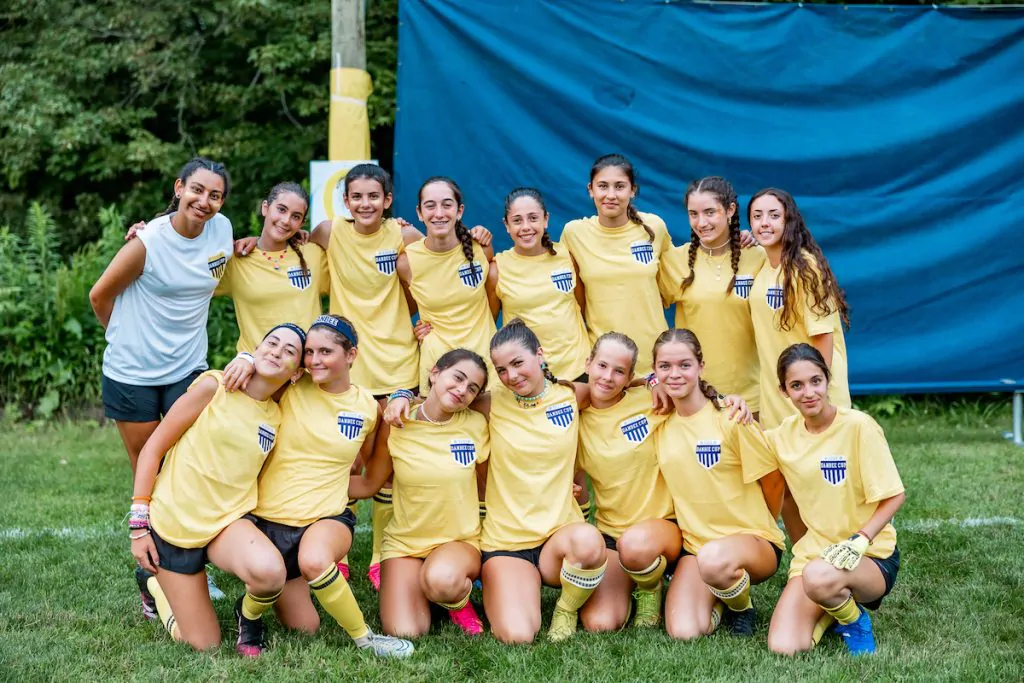

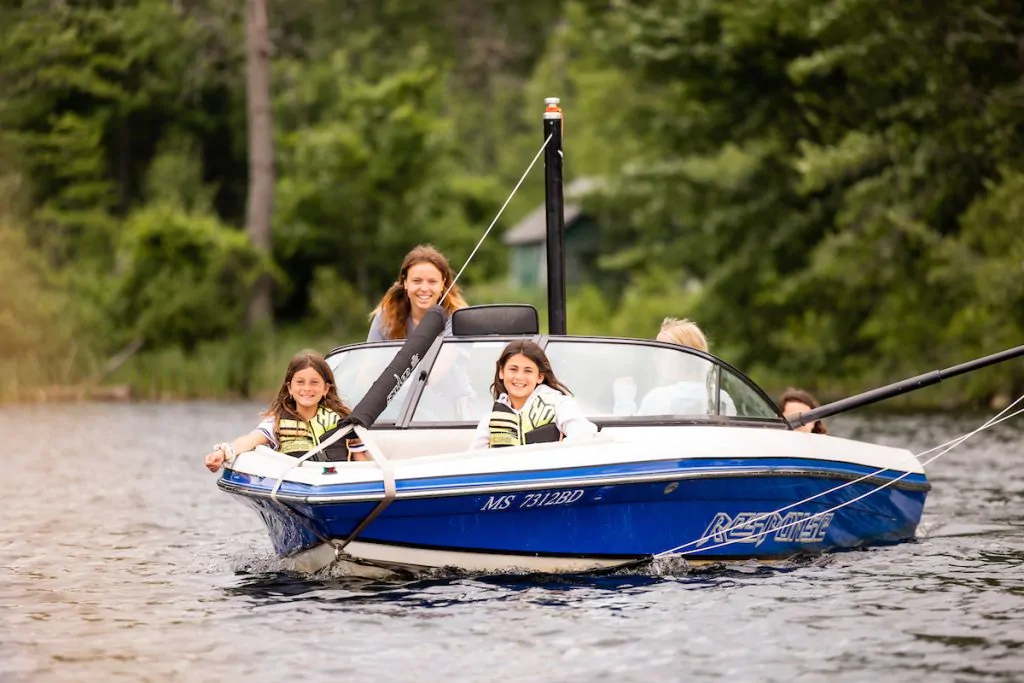


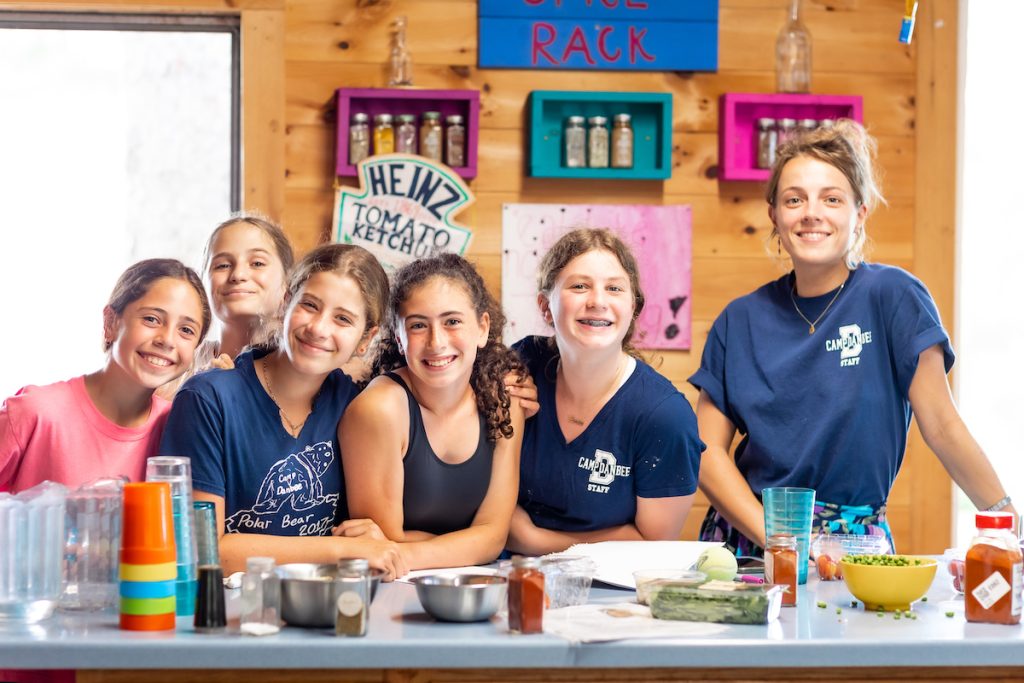
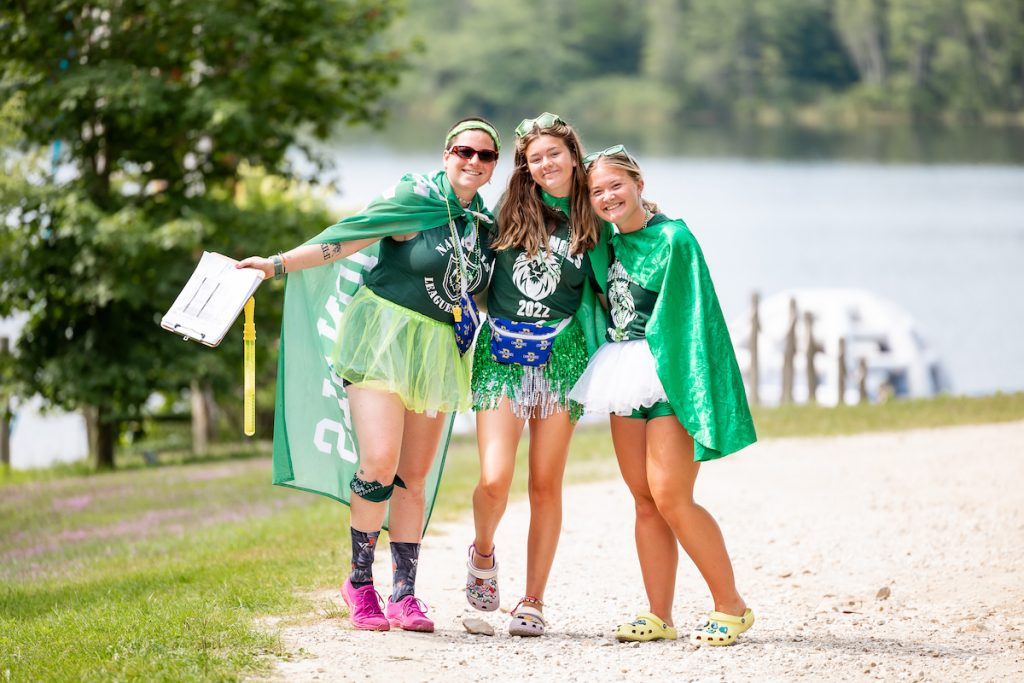

Camp Danbee is an all-girls overnight camp in Hinsdale, Massachusetts, welcoming campers ages 7–15. With three-week, four-week, and full-summer options, families can choose a session that fits their daughter’s readiness and summer plans.
Founded in 1950, Danbee brings together camp traditions and an instructional program that encourages girls to explore their interests and develop new skills. Opportunities such as dance and horseback riding give campers room to pursue favorite activities, while the camp’s emphasis on participation and individual growth welcomes girls with different experience levels.
For girls arriving for the first time, getting to know the community begins before opening day. Danbee connects new campers with a returning-camper pen pal, giving them a familiar person to look forward to meeting. Campers are also bunked by age group and length of stay, helping girls attending shorter sessions share the experience with others on the same schedule.
Explore Camp Danbee’s overview to learn more about its programs, community, and approach to a girls’ summer at camp.
Why Choose a Summer Camp in Massachusetts?
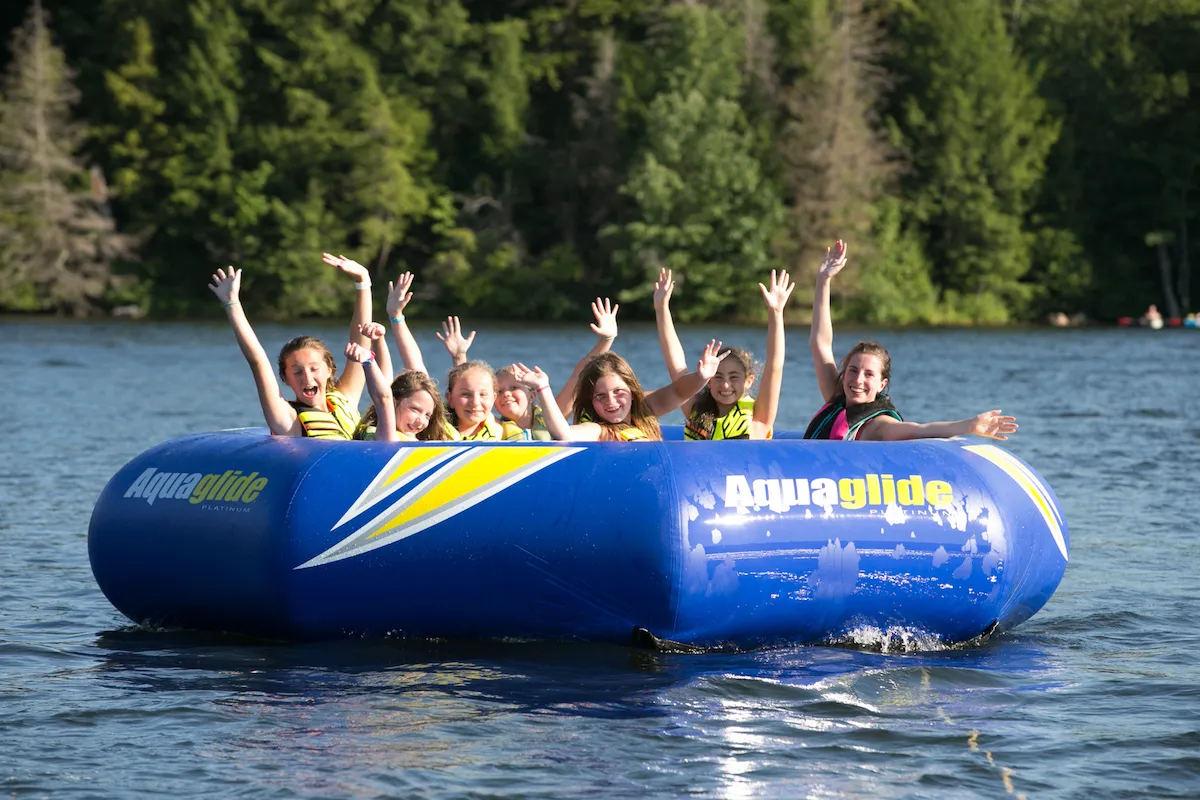
Massachusetts offers families a choice between overnight camp communities in the Berkshires and day programs that fit around life at home. That variety gives parents room to consider both the experience their child wants and the practical arrangements their family needs.
For families exploring sleepaway camp, the Berkshire setting is part of the appeal. Camp Emerson, for example, occupies more than 170 acres in Hinsdale, giving its coed overnight program a wooded western Massachusetts home. Camp Mah-Kee-Nac in Lenox combines boys’ overnight camp with activities including sports, waterfront programs, outdoor adventure, STEM, and media.
Day camp can offer a substantial outdoor experience, too. Everwood’s dedicated campus on Lake Massapoag in Sharon gives children room for camp activities while returning home each evening.
The setting is only the beginning. As you explore Massachusetts camps, look at how children spend their days, how counselors help them settle in, and what makes each community feel distinct. Those details will tell you more about the fit than a beautiful campus alone.
What Types of Summer Camps are in Massachusetts?

Not all camps are the same, and understanding the different types of camps in Massachusetts can help you make the right choice for your child.
Traditional Sleepaway Camps
At sleepaway camp, children live on campus and share activities, meals, and evening routines with other campers. Cabin life becomes an important part of the experience, giving children time to build friendships beyond a single class or activity.
Schedules differ between camps. Some organize much of the day around a cabin or age group, while others include electives that let children pursue individual interests. Ask to see a typical schedule and find out how much choice campers have.
Day Camps
Day camps provide activities and a camp community during the day, with children returning home each evening. They can suit children who enjoy a busy outdoor program while preferring to sleep at home.
For Massachusetts families considering day camp, transportation and hours deserve as much attention as the activity list. Check pickup arrangements, bus routes if offered, and the length of the day. Everwood Day Camp in Sharon is one option for families exploring a coed program for children ages 4–15.
Read our guide to the differences between day camp and overnight camp for help comparing the two experiences.
Specialty Camps
A specialty camp centers much of its schedule on an interest such as sports, performing arts, or science. Traditional camps may also provide focused instruction alongside a wider activity program.
If your child has a particular passion, ask how often they could participate, what instruction is available, and whether beginners and experienced campers learn separately. An activity appearing on a camp’s website does not necessarily mean it is offered every day or to every age group.
What Age Groups Do Massachusetts Summer Camps Serve?
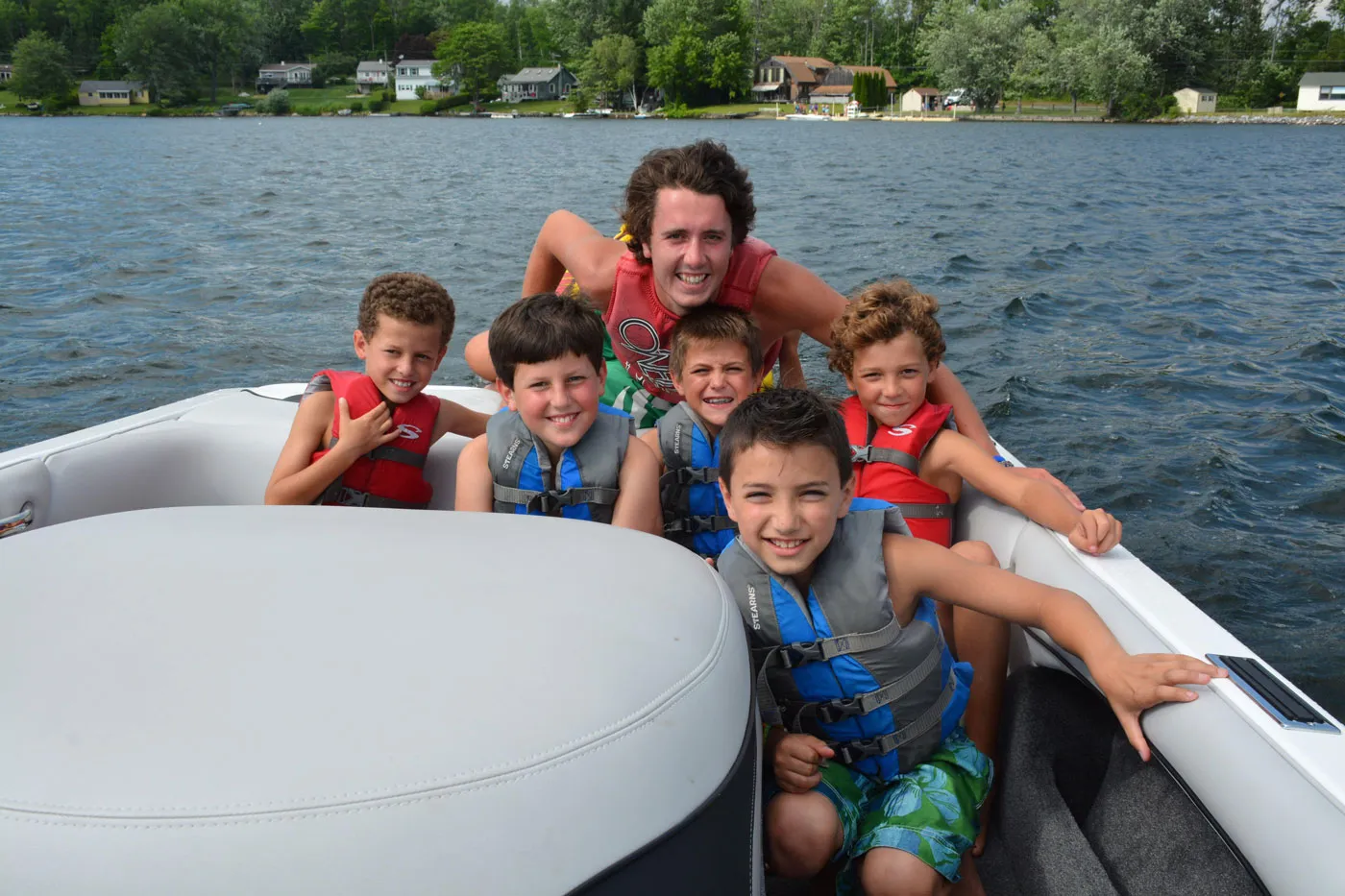
Age requirements vary by camp and program. Among the camps featured here, Everwood serves ages 4–15, Camp Emerson welcomes ages 7–15, and Berkshire Trails welcomes ages 7–17. Check eligibility for the specific session you are considering.
For younger children, look closely at routines and counselor support. Ask who helps campers find their belongings, navigate transitions, and join activities when they feel uncertain. At overnight camp, bedtime routines and support for homesickness are especially useful topics to discuss.
Older campers may be looking for more choice, challenging instruction, or opportunities to take responsibility. Find out what changes as children move through the age groups and how the program keeps teens engaged.
Readiness matters alongside age. A child’s interest in attending, willingness to ask adults for help, and comfort with unfamiliar routines can all help guide the conversation.
How to Choose the Right Summer Camp in Massachuetts
Choosing a summer camp in Pennsylvania starts with your child’s interests, readiness, and the kind of daily experience they would enjoy. From traditional sleepaway camps in northeastern Pennsylvania to day programs closer to home, look beyond the activity list to understand how each camp organizes its summer.
Start by asking yourself a few key questions:
- Is your child ready for an overnight experience, or would a day camp be better?
- Do they prefer structured schedules or more flexibility?
- Are they interested in trying many activities or focusing on one passion?
- How do they typically handle new environments or time away from home?
- Do they thrive in larger social settings or smaller, close-knit groups?
Once you have a sense of your child’s needs, it’s important to look more closely at the camp itself.
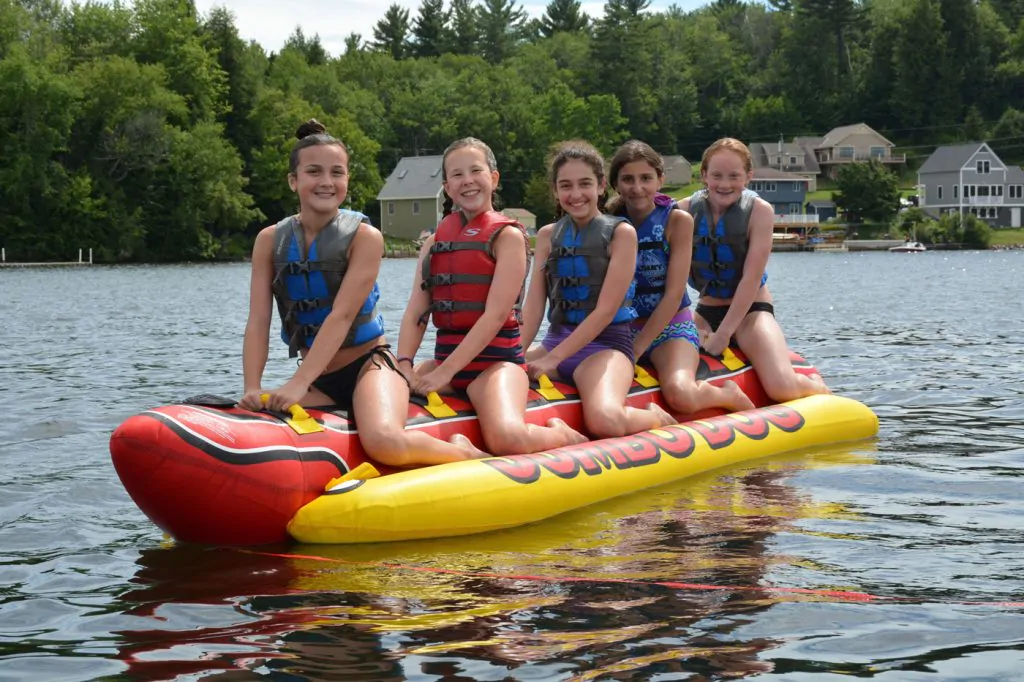
Session length and cost
Compare the sessions actually available to your child’s age group. Some introductory programs have eligibility restrictions, and shorter sessions may follow different schedules from the full-season experience.
Review the total cost, including any transportation, trips, equipment, or optional activities charged separately. Ask about deposits, payment schedules, financial assistance, and cancellation terms before enrolling.
Activities and daily schedule
A long activity list can be exciting, but the schedule shows what your child would experience.
Ask how activities are assigned or chosen, how often campers repeat favorites, and how much time they spend with their cabin or group. Find out where rest and less structured time fit into the day, too.
Staff experience and camper support
Counselors help shape how children experience camp, from joining a game to working through a disagreement. Ask how staff are selected, trained, and supported by year-round leadership.
For a first-time camper, discuss how counselors help children make friends and what happens when someone feels homesick or left out. Specific examples can help you understand the camp’s approach.
Safety and parent communication
Ask each camp about supervision, health care, waterfront procedures, and emergency planning. Discuss your child’s medical, dietary, or other support needs directly so you can understand what the camp can accommodate.
Clarify communication expectations as well: who parents should contact, when staff reach out about concerns, and what updates families receive during the session.
Camp culture and community
Look beyond the activities to how people treat one another. Ask directors how they handle competition, encourage participation, and help new campers feel included.
Traditions and special events can reveal a camp’s personality. So can conversations with current families. Hearing what their children enjoy, and how the camp responded when something was difficult, can help you picture your own child there.
For more guidance, explore how to choose the right camp for your child.
What are the benefits of summer camp in Massachusetts?
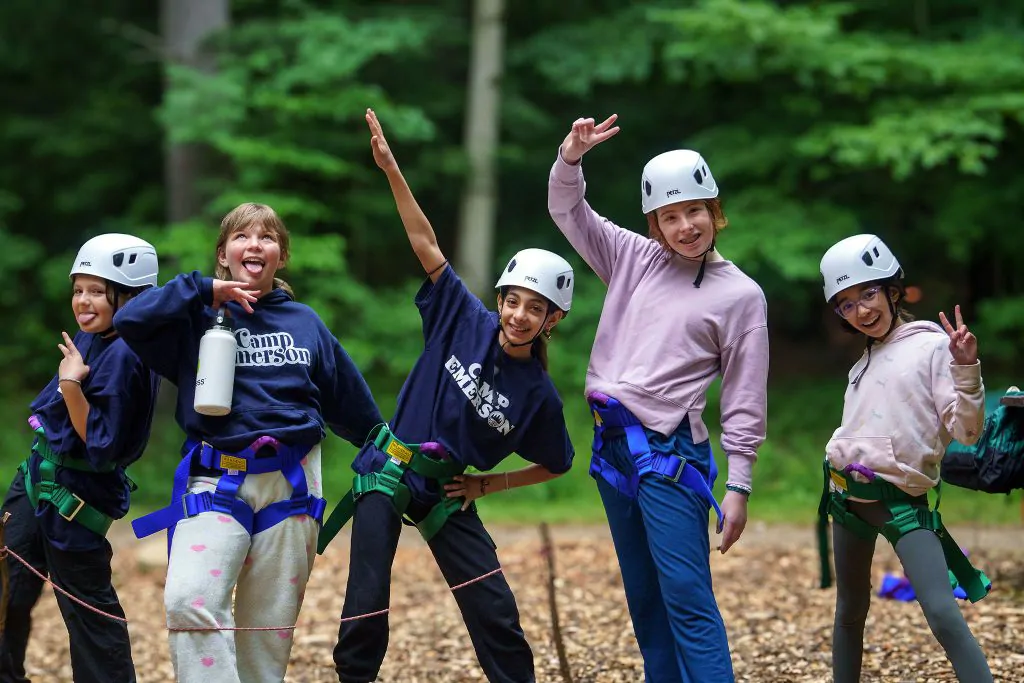
Summer camp gives children opportunities to build friendships, practice independence, and explore interests through everyday experiences. The benefits come from participating: joining a group, trying a new skill, asking for help, and gradually learning to do more for themselves.
- Friendship: Shared activities, meals, and routines give children repeated opportunities to get to know one another.
- Independence: Managing belongings and following a schedule help campers practice taking responsibility.
- Confidence: Improving a swimming stroke, finishing a project, or contributing to a team gives children something concrete to feel proud of.
- Outdoor time: A camp’s setting and schedule can make outdoor play and exploration part of the daily routine.
- New interests: Trying unfamiliar activities can help children discover something they want to pursue.
- Community: Group traditions and shared responsibilities give campers ways to participate and contribute.
Every child’s experience will be different. A program that suits their interests and provides thoughtful support gives them room to learn at their own pace.
Frequently Asked Questions About Summer Camps in Massachusetts
ASC’s Massachusetts partner camps include Berkshire Trails Camp, Camp Emerson, Camp Mah-Kee-Nac, and Everwood Day Camp. The best choice depends on your child’s age, interests, preferred session length, and whether they want an overnight or day camp experience.
The Berkshires are home to the overnight camps featured in this guide: Berkshire Trails in Great Barrington, Camp Emerson in Hinsdale, and Camp Mah-Kee-Nac in Lenox. Check each camp’s exact address and transportation options when planning a visit or arrival day.
Yes. Everwood Day Camp in Sharon, south of Boston, is one option for families seeking a traditional day camp experience. When comparing programs, check age requirements, daily hours, transportation arrangements, and the commute from your home.
Costs vary by camp, session length, and what tuition includes. Compare current rates for the exact program you are considering, then ask about additional fees, transportation, payment plans, financial assistance, and cancellation policies.
Minimum ages vary. Camp Emerson and Berkshire Trails both welcome campers beginning at age seven. Readiness also matters, including a child’s interest in attending and willingness to ask adults for help. Discuss first-time camper support with the director before choosing a session.
Session lengths depend on the program. For example, Camp Mah-Kee-Nac lists three-, four-, and seven-week options for 2027, plus a two-week introductory program for younger boys. Confirm which sessions are available for your child’s age or grade.
Start researching in fall 2026 and ask your preferred camps about 2027 enrollment. Openings can vary by age group and session. Once you find a suitable program, confirm availability, deposit requirements, and cancellation terms directly with the camp.
