

Looking for the best summer camps in New Hampshire for 2027? Explore day and overnight programs, learn what to compare, and find an experience that fits your child’s interests, age, and readiness. From lakeside activities to traditional cabin communities, New Hampshire gives families plenty of ways to spend the summer outdoors.
Enter your Email Address for personalized recommendations and summer camp resources.
Summer in New Hampshire brings long afternoons on the water, wooded trails to explore, and evenings that leave time for one more game before heading back to the cabin. The state’s lakes and mountains provide a setting where outdoor activities can become part of everyday life. For children, that might mean learning to paddle a canoe, joining a soccer game, or spending an afternoon making something in the arts studio.
At New Hampshire sleepaway camps, the experience continues after the activities end. Campers get to know one another over meals, settle into cabin routines, and join traditions that returning children look forward to all year. Day camps bring their own opportunities for discovery and friendship, with children returning home each evening.
This guide will help you compare summer camps in New Hampshire, understand the different programs available, and decide what matters most for your family’s summer in 2027.
2027 Summer Camp Spotlight:
Camp Robin Hood: A coed sleepaway camp on Lake Ossipee





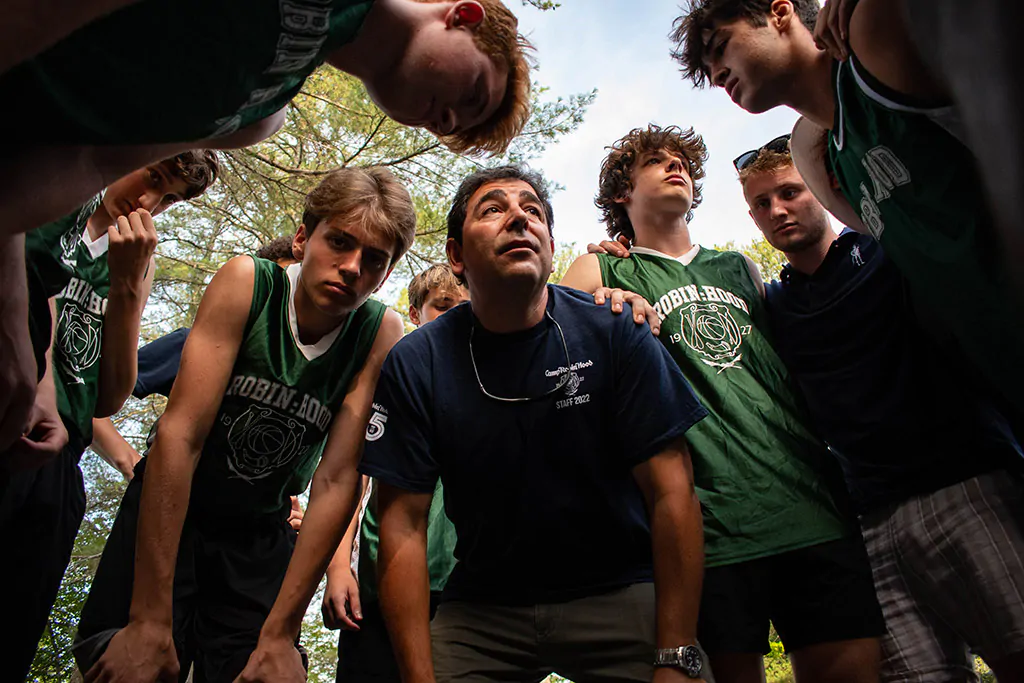
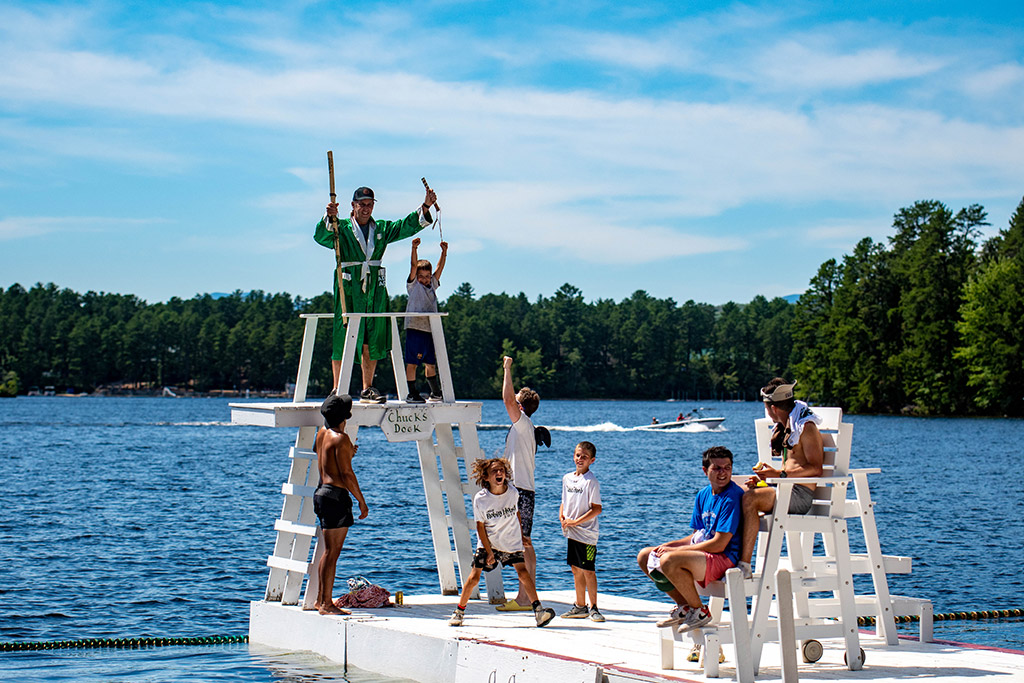

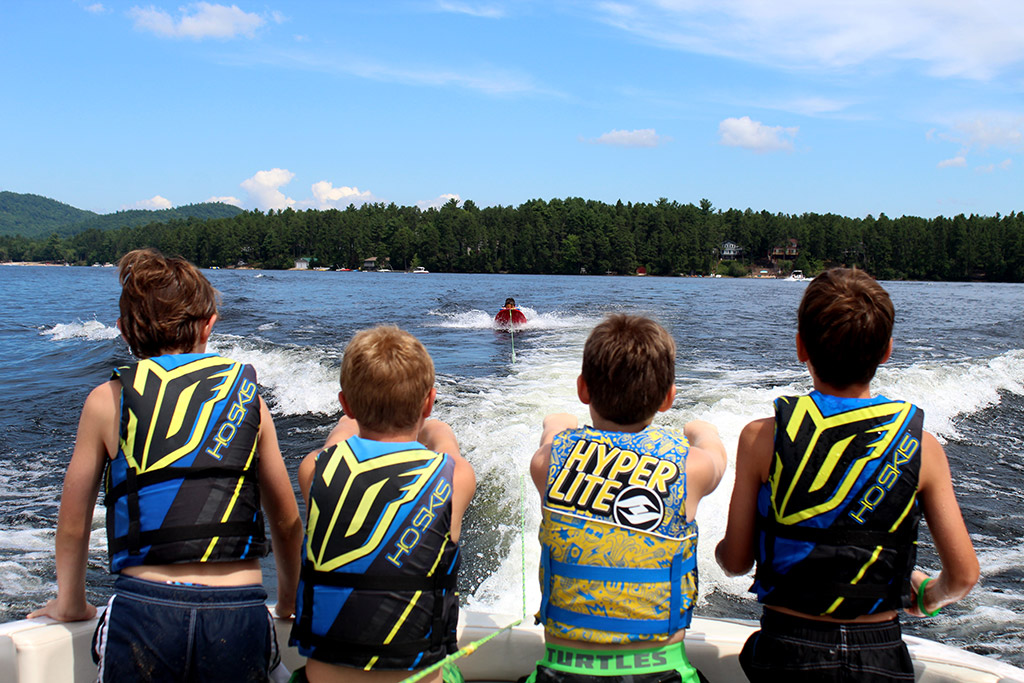
Camp Robin Hood is a traditional overnight camp in Freedom, New Hampshire. Its 180-acre campus sits on Lake Ossipee, near the White Mountain National Forest, giving campers a lakeside home for a summer of sports, outdoor adventure, and creative activities.
The camp’s coed structure combines separate boys’ and girls’ programs with opportunities to come together as one community. Boys and girls take part in separate daytime activities, then share meals and evening programs. That arrangement gives campers time to build friendships within their own groups while participating in the wider life of camp.
Established in 1927, Robin Hood has a history that carries into its daily routines and relationships. Many staff members grew up there as campers and return to help younger children find their place in the same community. For families, that connection offers a useful glimpse into why camp remains meaningful long after a child’s first summer.
Athletics, waterfront activities, hiking, and the arts give children opportunities to pursue familiar interests and try something new. Families looking for a traditional sleepaway experience with an established camp culture can explore Camp Robin Hood‘s listing to learn more about its programs and community.
Why choose a summer camp in New Hampshire?
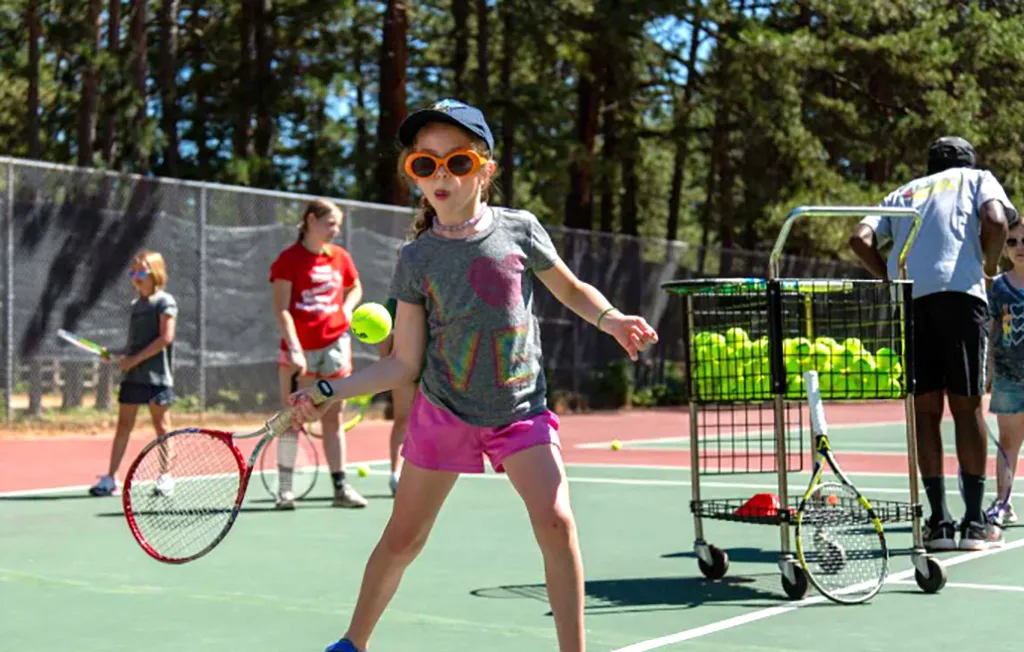
New Hampshire appeals to families looking for an outdoor camp experience shaped by lakes, forests, and mountains. Depending on the program, children may spend their days swimming, playing sports, exploring trails, or learning skills on the water.
For families considering overnight camp, the setting can influence how children spend their time. A lakeside campus may make swimming and boating regular parts of the schedule. A program with hiking trips can give older campers opportunities to explore beyond camp, while wooded grounds provide space for outdoor games and nature activities closer to their cabins.
The Lakes Region and White Mountains are useful starting points when exploring the state’s geography. As you compare locations, look at the actual campus and program rather than assuming every camp offers the same access to water or mountain activities.
Practical details matter, too. Check how your family would reach camp, whether transportation is available, and what arrival and departure days involve. A setting you love becomes a stronger choice when the program and travel arrangements work for your family.
What Types of Summer Camps are in New Hampshire?
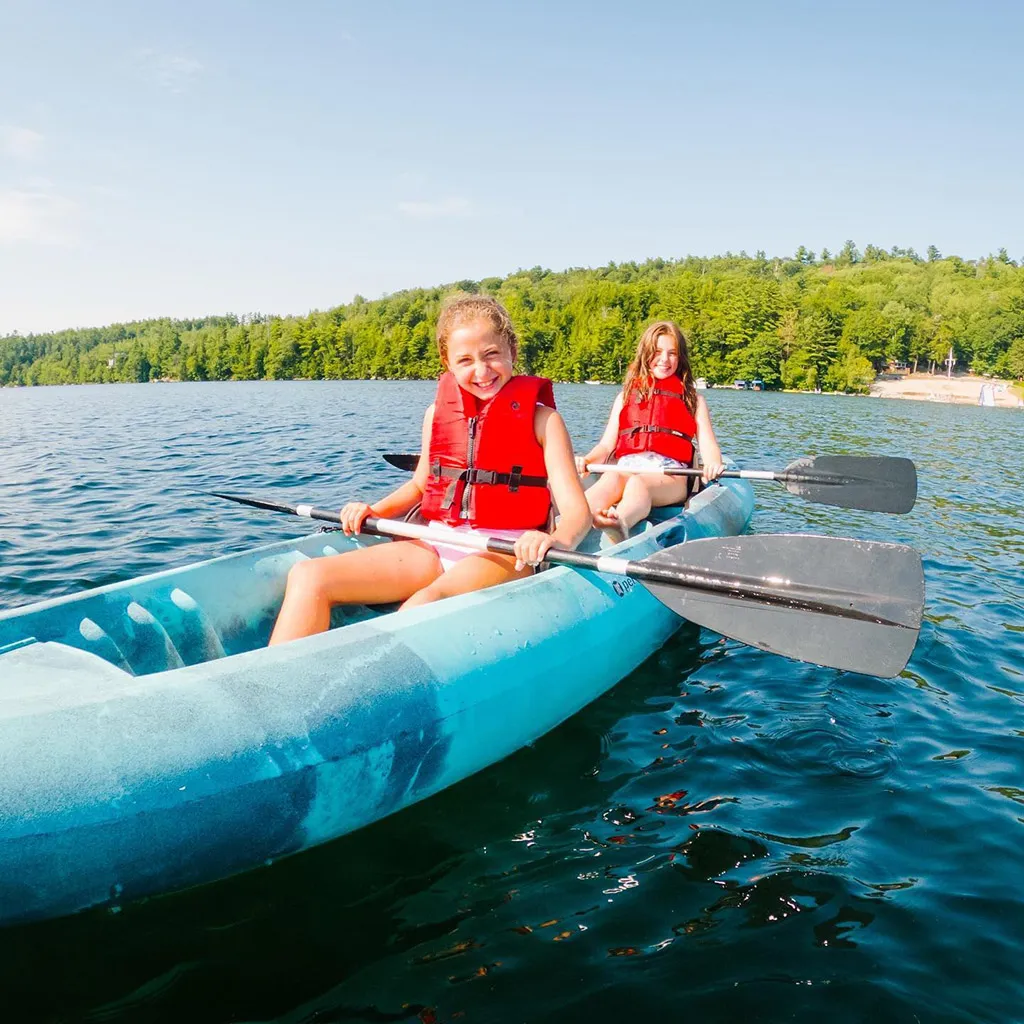
Families can explore traditional sleepaway camps, day programs, and camps focused on a particular interest. Understanding how each type of camp works can help you narrow your search before comparing individual programs.
Traditional sleepaway camps
At sleepaway camp, children live on campus and share activities, meals, and evening routines with other campers. Cabin life becomes an important part of the experience, giving friendships time to develop through ordinary moments as well as planned activities.
Traditional overnight programs usually combine several activity areas, such as athletics, waterfront, arts, and outdoor adventure. The balance varies. Some camps organize much of the day by cabin or age group, while others give campers more choice through electives.
Families can also consider boys’ camps, girls’ camps, coed camps, and brother/sister programs. These arrangements affect how children are grouped and when they participate together, so ask each director what the format looks like during a typical day.
Day camps
Day camps provide activities and a camp community during daytime hours, with children returning home each evening. They can work well for families seeking a local summer routine or children who are interested in camp but prefer to sleep at home.
When comparing New Hampshire day camps, consider the commute alongside the program. Daily hours, transportation, extended care, and lunch arrangements can make a significant difference to how comfortably camp fits into your week.
Read our guide to the differences between day camp and overnight camp for help comparing the two experiences.
Specialty camps
Specialty camps devote much of their schedule to a particular interest, such as sports, performing arts, science, or outdoor adventure. They may suit children who want more time and instruction in an activity they already enjoy.
Traditional camps can also provide focused instruction within a broader program. If your child has a favorite activity, ask how often they can participate, what experience the instructors have, and how the camp accommodates different skill levels.
What Age Groups Do New Hampshire Summer Camps Serve?

Age requirements depend on the camp and the specific program. Check eligibility for the session you are considering, including whether the camp groups children by age, school grade, or another measure.
For younger children, familiar routines and attentive support are especially useful. Ask how counselors help with transitions, belongings, and joining group activities. At overnight camp, find out what bedtime looks like and how staff respond when a child misses home.
School-age campers may be excited to try several activities while developing friendships within a consistent group. A typical daily schedule can help you see how the camp balances instruction, choice, rest, and time with cabinmates.
Older campers often want greater independence or more challenging experiences. Ask how the program changes for teens and whether older groups have different activities, trips, or responsibilities.
Readiness matters alongside age. Your child’s interest in attending, comfort asking adults for help, and willingness to try unfamiliar routines can all help guide the decision.
How to Choose the Right Summer Camp in New Hampshire
Choosing a summer camp in New Hampshire starts with understanding the daily experience your child would enjoy. Think about the activities that interest them, the support they need, and how they feel about time away from home.
A few questions can help you begin:
- Is your child interested in overnight camp, or would they prefer a day program?
- Would they enjoy trying several activities or spending more time on one interest?
- Do they like a predictable group schedule, or would they appreciate more individual choice?
- What helps them feel comfortable when meeting new people?
- How much time at camp fits your child’s readiness and your family’s summer plans?
Once you have a clearer picture, compare how each camp would meet those needs.
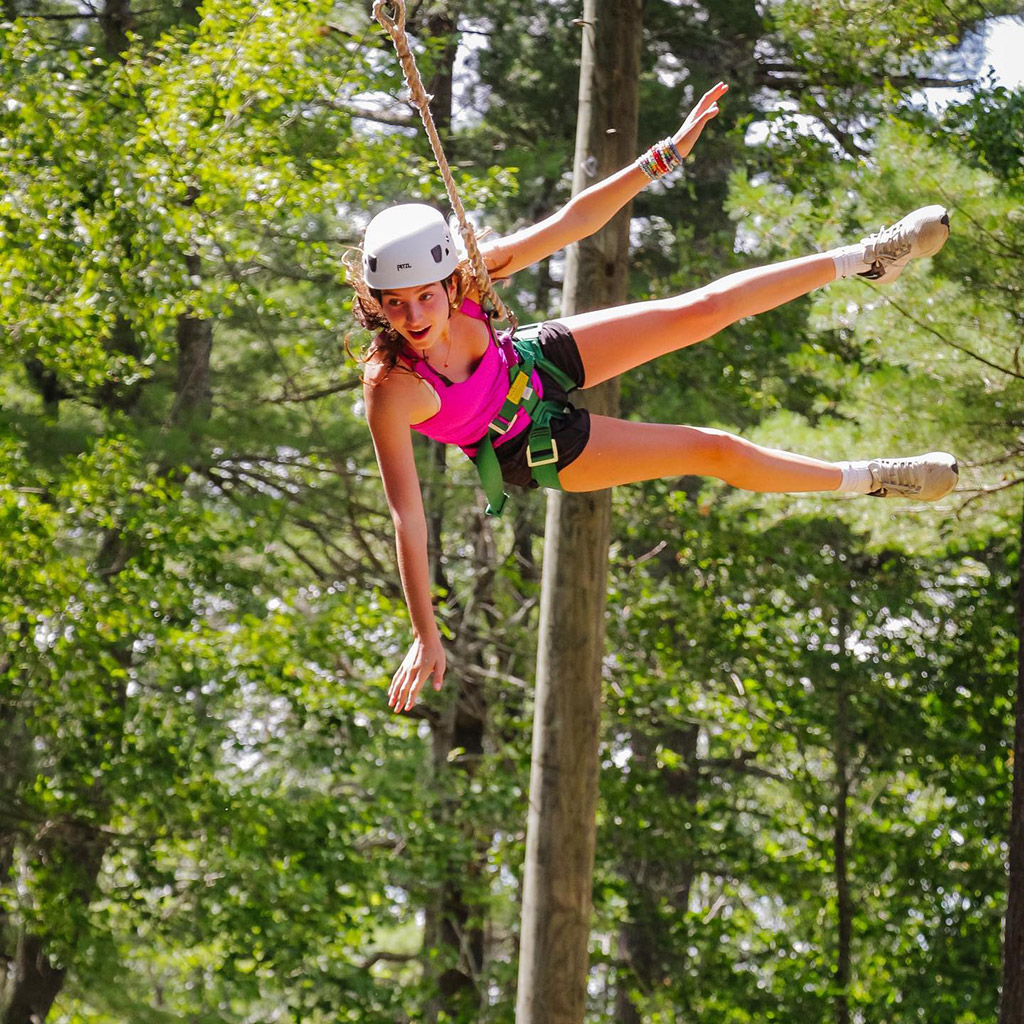
Session length and cost
Look at the sessions available to your child’s age group, including any restrictions on introductory programs. Ask whether children arrive and leave together or join a community where other campers are staying longer.
Compare the full cost of attendance. Transportation, equipment, trips, and optional instruction may be included or charged separately. Review deposits, payment schedules, financial assistance, and cancellation terms before enrolling.
For overnight programs, plan the journey as well. Confirm where transportation begins, who supervises campers during travel, and what your family needs to arrange independently.
Activities and daily schedule
An activity list gives you possibilities; a sample schedule helps you understand what your child would actually do.
Ask how activities are assigned or selected, how often campers can repeat favorites, and whether particular options depend on age or skill level. Find out how much of the day children spend with their cabin group and where quieter time fits into the schedule.
If the New Hampshire setting is part of the appeal, ask specifically about waterfront access and outdoor trips. A camp’s location alone does not tell you how often children swim, hike, or leave campus.
Staff experience and camper support
Counselors help shape the everyday experience, from welcoming a child into a game to helping cabinmates work through a disagreement. Ask how staff are selected and trained, and who supports them when a camper needs extra help.
For a first-time camper, discuss how the camp introduces new children to the community. Specific examples of how counselors handle homesickness or friendship difficulties can tell you more than a general promise that everyone will settle in.
Safety and parent communication
Ask each camp about supervision, health care, waterfront procedures, and emergency planning. Discuss your child’s medical, dietary, or other support needs directly so you can understand what the program can accommodate.
Clarify how communication works during the session. Find out who parents should contact, when staff reach out about concerns, and what updates families can expect.
Camp culture and community
The way a camp handles everyday situations reveals a great deal about its culture. Ask how staff encourage participation, manage competition, and include children who are new to an activity or group.
Conversations with current families can be helpful. Ask what their children enjoy, what took time to adjust to, and how the camp responded when something was difficult.
For more guidance, explore how to choose the right camp for your child.
What are the benefits of summer camp in New Hampshire?
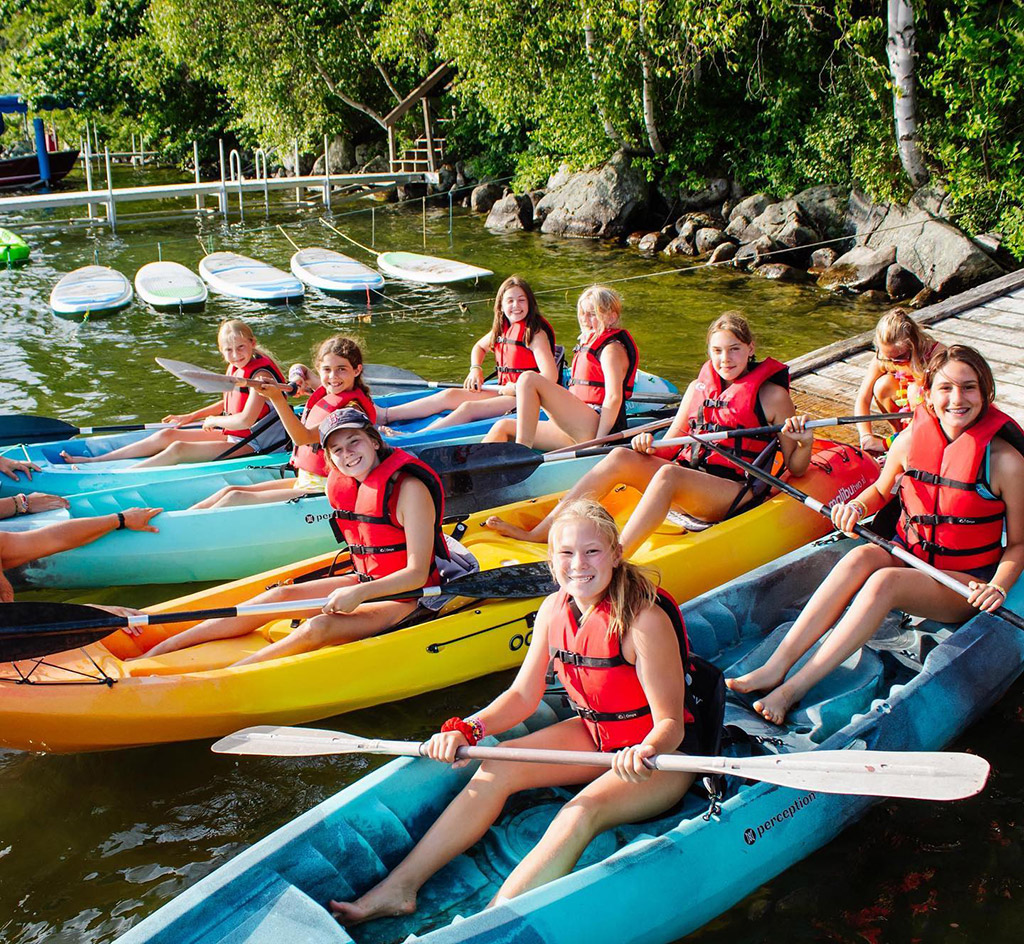
Summer camp gives children opportunities to build friendships, practice independence, and explore interests through everyday participation. New Hampshire’s outdoor settings can make time on the water, in the woods, or on the playing field a regular part of that experience.
Children have room to grow in several ways:
- Friendship: Shared activities and routines give campers repeated opportunities to get to know one another.
- Independence: Keeping track of belongings, following a schedule, and asking for help let children practice everyday responsibility.
- Confidence: Learning a skill or contributing to a group project gives campers something concrete to feel proud of.
- Outdoor experience: Swimming, paddling, hiking, and outdoor games can help children become more comfortable spending time outside.
- New interests: Trying an unfamiliar activity may introduce a child to something they want to continue at home.
- Community: Cabin routines and camp traditions give children opportunities to contribute to a group.
Every child’s experience will be different. Choosing a program that fits their interests and provides appropriate support gives them room to participate and learn at their own pace.A program that suits their interests and provides thoughtful support gives them room to learn at their own pace.
Frequently Asked Questions About Summer Camps in New Hampshire
The best summer camp in New Hampshire depends on your child’s age, interests, readiness, and preferred session length. Compare the daily schedule, counselor support, camp culture, and total cost. Speaking with directors and current families can help you decide which program fits your child.
The Lakes Region and areas around the White Mountains are useful starting points for families interested in lakeside and outdoor camp settings. Check each camp’s exact location, facilities, and program. Access to swimming, boating, or hiking varies by campus.
Yes. New Hampshire has day programs where children return home each evening and overnight camps where campers stay on campus. Day camps require a workable daily commute, while overnight programs involve choosing a session length and planning arrival and departure arrangements.
Costs vary by camp, session length, and what tuition includes. Compare current rates for the exact program you are considering, then ask about additional fees, transportation, payment plans, financial assistance, and cancellation policies.
Minimum ages vary by program. Readiness also depends on a child’s interest in attending, willingness to ask for help, and comfort with unfamiliar routines. Talk with the camp director about your child and ask how counselors support first-time overnight campers.
Session lengths vary, with options that may include short introductory stays, multiweek sessions, or a full summer. Confirm which sessions are available for your child’s age group and whether shorter stays follow the same program as longer sessions.
Fall 2026 is a useful time to begin researching and asking camps about 2027 enrollment. Availability can vary by age group and session. Once you find a suitable program, confirm openings, deposit requirements, and cancellation terms directly with the camp.
Find the right New Hampshire summer camp for your child
Finding a camp starts with picturing how your child would spend an ordinary day there. Look for activities they are eager to try, routines that suit them, and staff who can explain how they help children feel part of the community.
